Things to do in Tula
Tula is a historic city located south of Moscow, Russia, known for its rich cultural heritage and significant role in Russian history. It is famous for its weapon manufacturing, samovars, and gingerbread (pryanik). The city offers a blend of historical landmarks, museums, and beautiful architecture that reflect its industrial and cultural past.Tula Kremlin
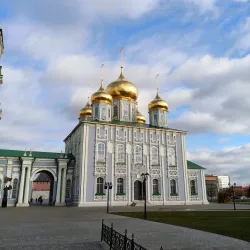


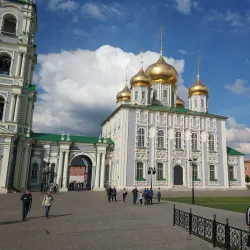
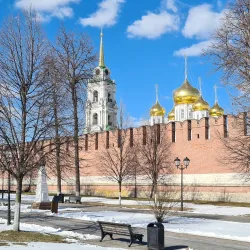
The Tula Kremlin is a well-preserved fortress dating back to the 16th century. It served as a defensive stronghold and is now a major historical and architectural landmark in the city. Visitors can explore its towers, walls, and museums housed within the complex.
Tula State Museum of Weapons
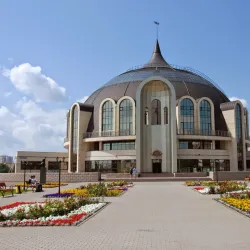

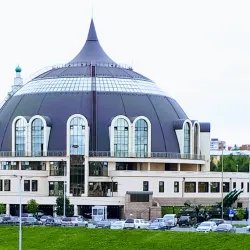

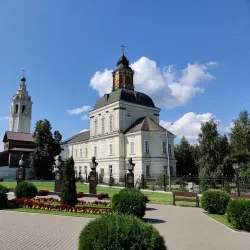
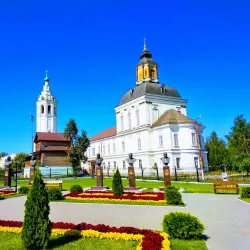

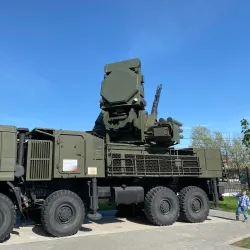
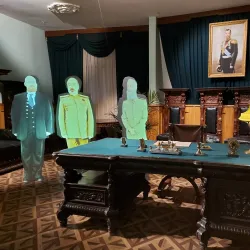

This museum showcases the history of weapon manufacturing in Tula, which has been a center for arms production for centuries. The collection includes firearms, swords, and other military equipment from various periods.
It provides a comprehensive look at the technological and historical development of Russian weaponry.
Yasnaya Polyana
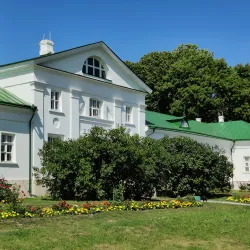
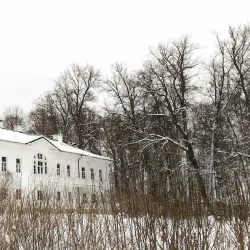
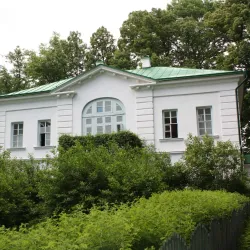
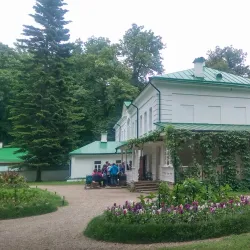
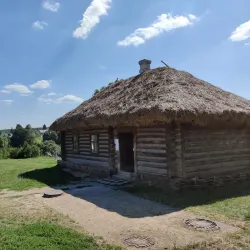

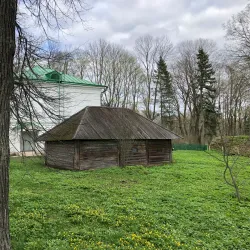

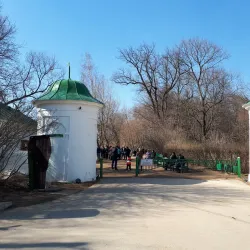
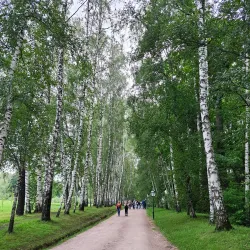
Located near Tula, Yasnaya Polyana is the former estate of the famous Russian writer Leo Tolstoy. The estate is preserved as a museum where visitors can learn about Tolstoy's life and works, and see the house where he wrote some of his greatest novels.
The grounds include beautiful gardens and a park, offering a peaceful retreat into Russian literary history.
Tula Samovar Museum
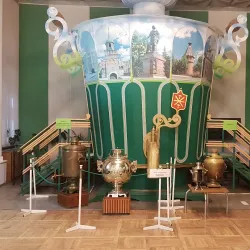
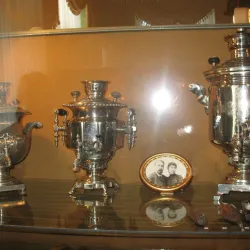
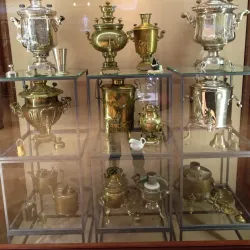
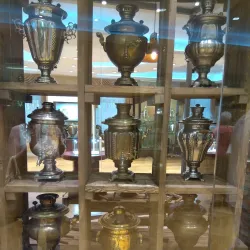
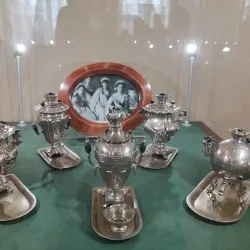
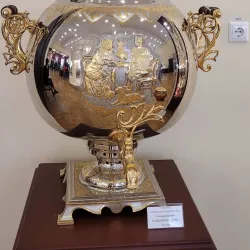
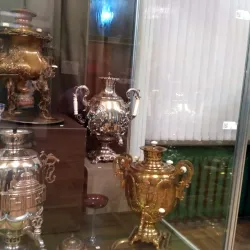

This museum is dedicated to the traditional Russian samovar, a symbol of Russian hospitality and culture. The collection includes samovars of various designs and historical periods.
Visitors can learn about the cultural significance and the craftsmanship involved in making these iconic tea urns.
Tula Gingerbread Museum
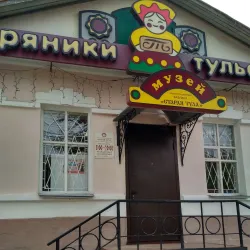
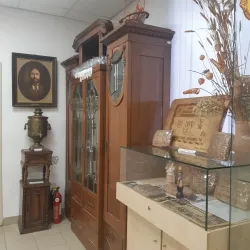
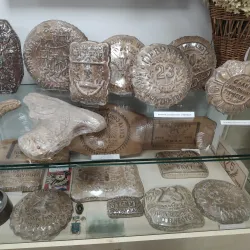
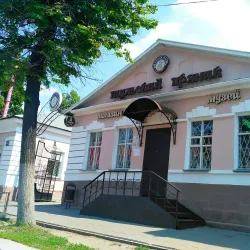
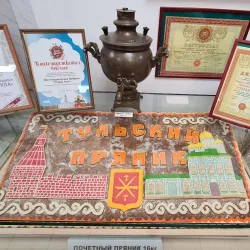
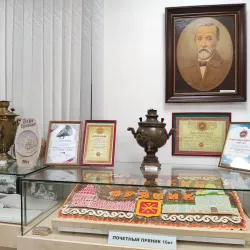
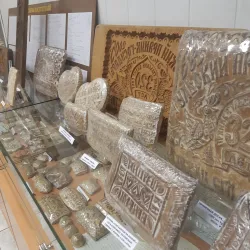
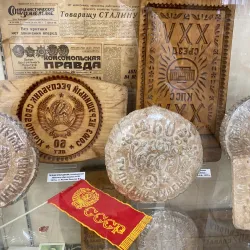
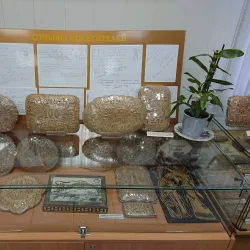
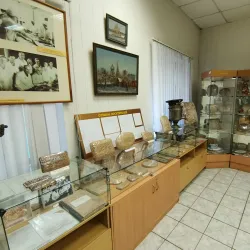
The museum celebrates Tula's famous pryanik (gingerbread), a traditional Russian sweet. Visitors can see the history of gingerbread making, the tools used, and even participate in workshops to make their own gingerbread.
It is a delightful experience for those interested in culinary traditions and local crafts.
Museum of Folk and Applied Arts
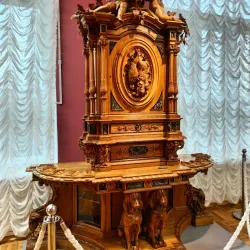
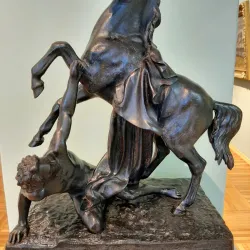
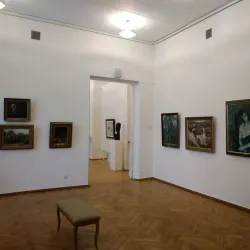
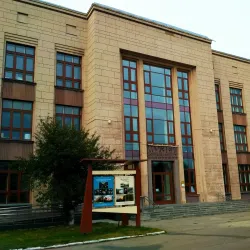



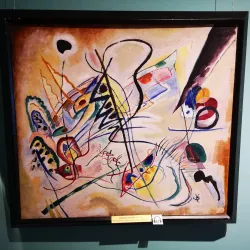
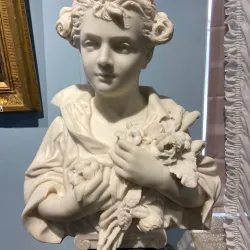
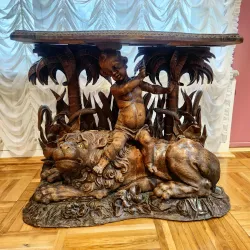
This museum features a collection of traditional Russian folk art, including textiles, ceramics, and woodwork. It highlights the rich cultural heritage of the Tula region and showcases the skills of local artisans.
The exhibits provide insight into the everyday life and artistic traditions of the area.
Tula Regional Art Museum
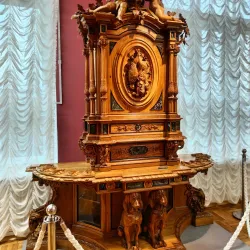
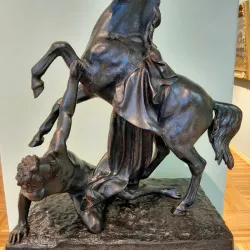
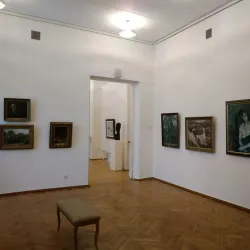
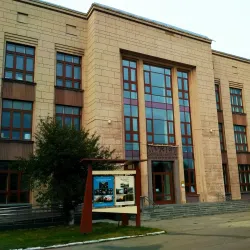



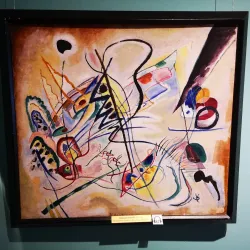
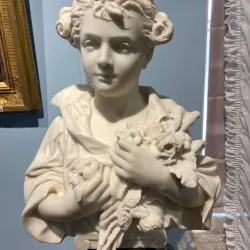
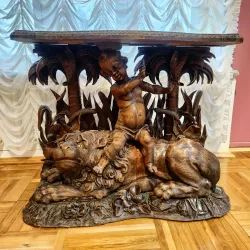
The art museum houses a diverse collection of Russian and Soviet art, including paintings, sculptures, and graphic works. It offers a cultural perspective on the artistic developments in the region.
The museum is a cultural hub for art lovers and provides educational programs and exhibitions.
Victory Park
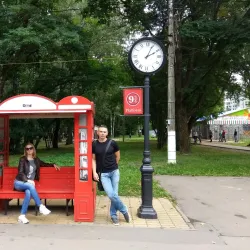
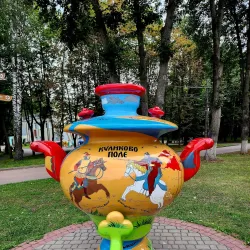
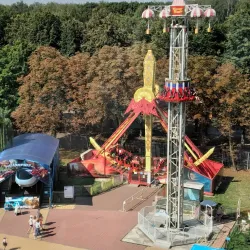


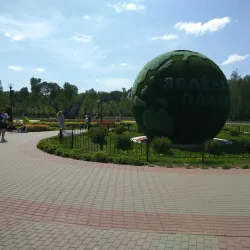
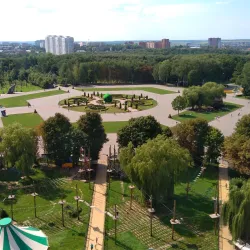
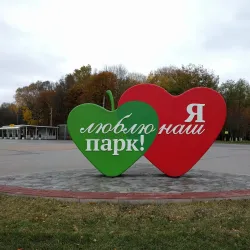
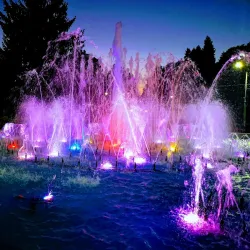

Victory Park is a memorial park dedicated to the victory in World War II. It features monuments, sculptures, and landscaped areas for relaxation and reflection.
The park is a popular spot for locals and visitors to honor the memory of those who fought in the war.
Tula Exotarium
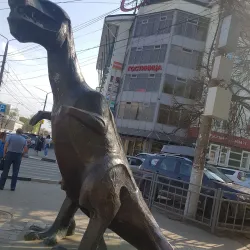

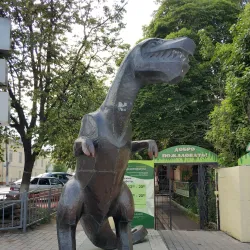
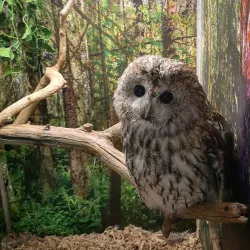
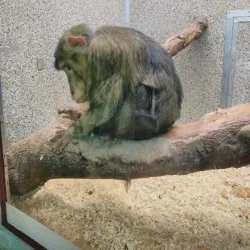

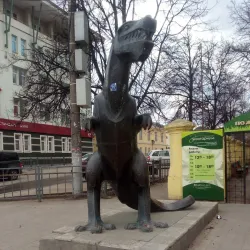
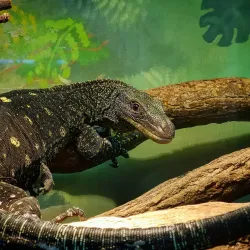


The Tula Exotarium is a zoo and aquarium that houses a variety of exotic animals and marine life. It is an educational and recreational destination for families and animal enthusiasts.
The facility focuses on conservation and provides interactive exhibits for visitors.
Assumption Cathedral
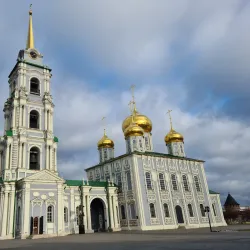
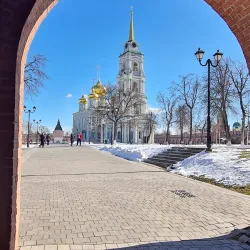
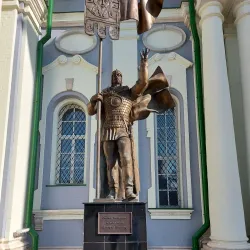
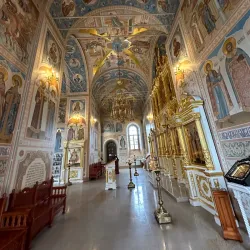
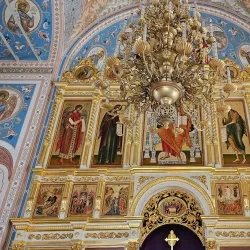
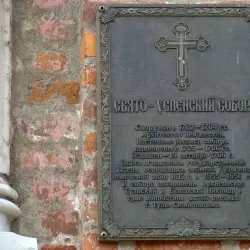
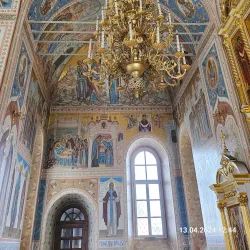
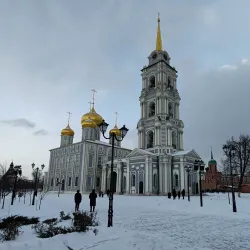
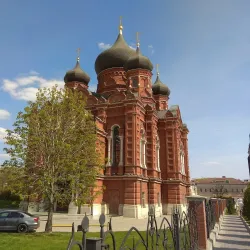
This cathedral is a significant religious and architectural landmark in Tula. It features traditional Russian Orthodox design and beautiful frescoes inside.
The cathedral is an important place of worship and a site of historical interest.