Things to do in Yakutsk
Yakutsk, the capital city of the Sakha Republic (Yakutia) in Russia, is known as one of the coldest cities in the world. Despite its extreme climate, Yakutsk offers a unique blend of cultural heritage, historical sites, and natural beauty. The city is a gateway to exploring the vast Siberian wilderness and the rich traditions of the indigenous Sakha people.Lena Pillars Nature Park
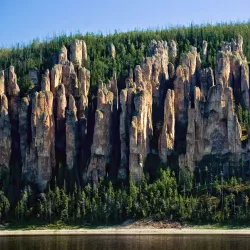

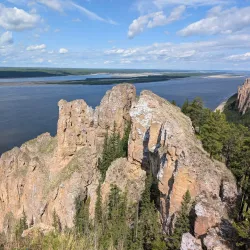
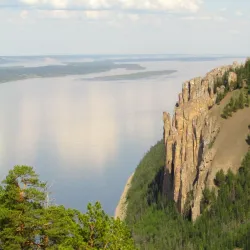

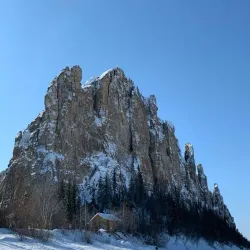
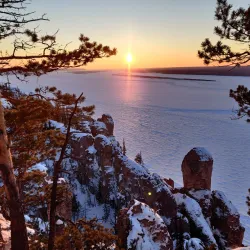
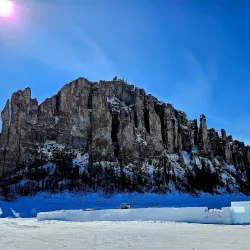
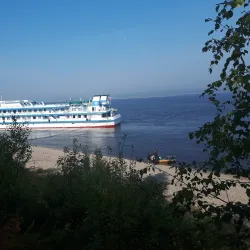
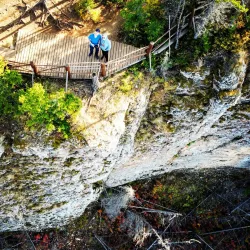
A UNESCO World Heritage Site, the Lena Pillars are towering rock formations along the banks of the Lena River. These natural pillars are a stunning geological phenomenon and a symbol of the region's natural beauty. Visitors can hike, boat, or take guided tours to explore the park and its unique landscape.
Yakutsk Regional Museum
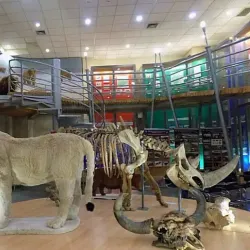

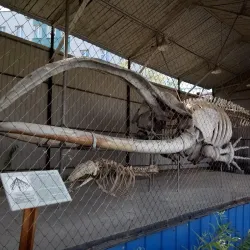

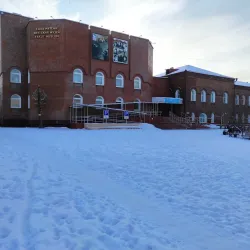
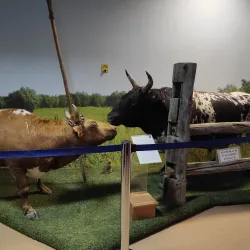
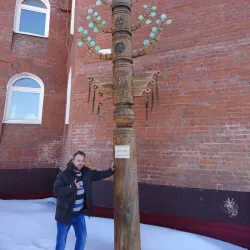
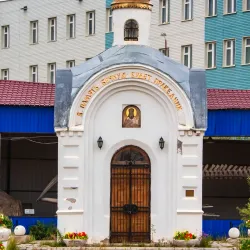
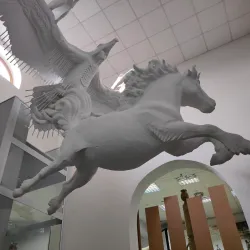

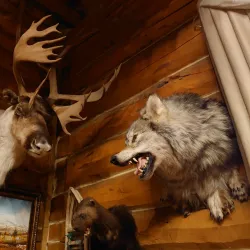
This museum offers extensive exhibits on the history, culture, and natural environment of Yakutia. It includes displays on indigenous peoples, regional wildlife, and the challenges of living in permafrost conditions. The museum is a great starting point for understanding the area's heritage.
Permafrost Kingdom
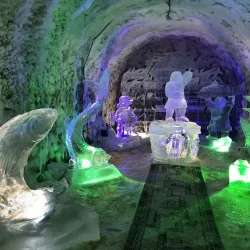
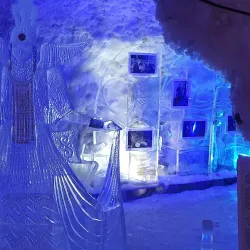
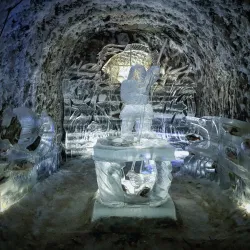
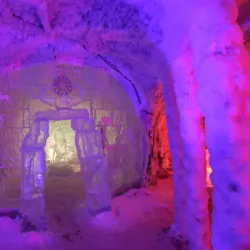

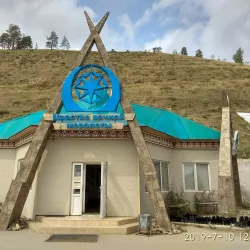
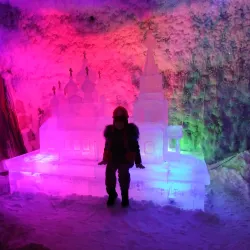
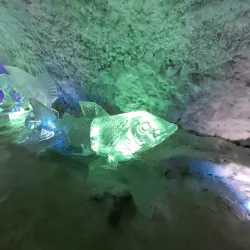
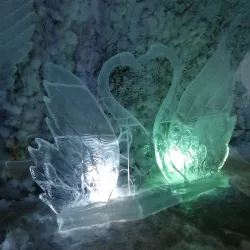
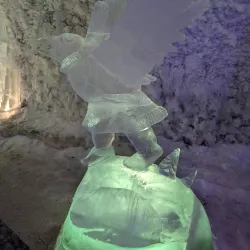
An underground ice museum showcasing the unique permafrost environment of Yakutsk. Visitors can see ice sculptures, learn about the science of permafrost, and experience the cold temperatures year-round. It is both educational and visually impressive.
Motherland Monument

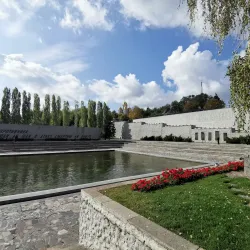
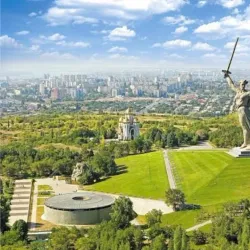
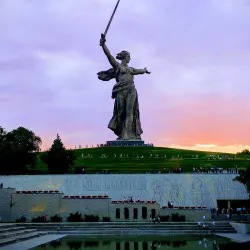
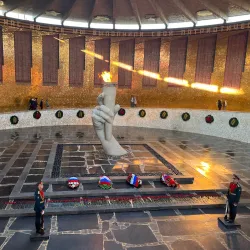

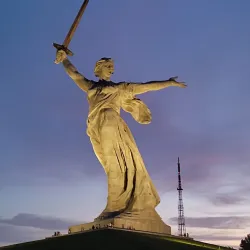
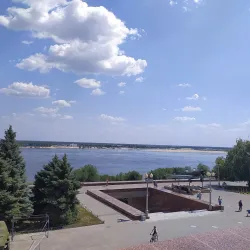
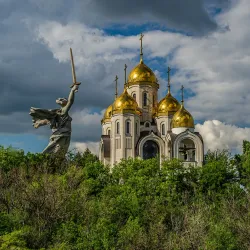
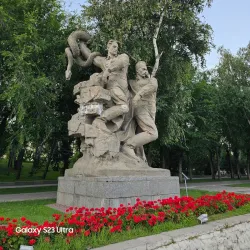
A prominent statue in Yakutsk symbolizing the strength and resilience of the people. The monument is a popular photo spot and offers insight into local pride and history.
Lenin Square
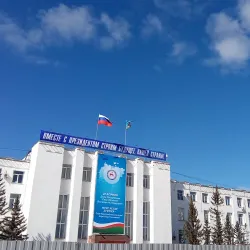
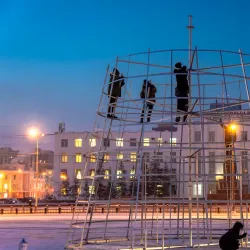


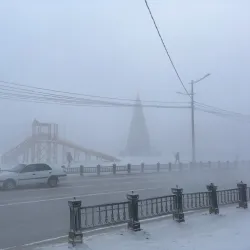


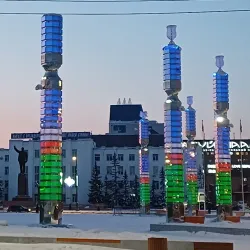
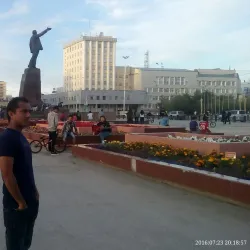
The central square of Yakutsk, surrounded by government buildings and cultural institutions. It is a hub for public events and a good place to observe daily life in the city.
Yakutsk Cathedral of the Transfiguration of the Savior
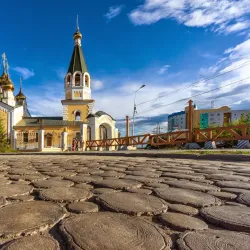
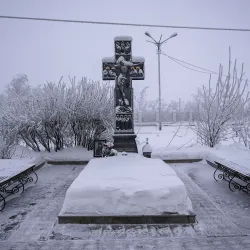
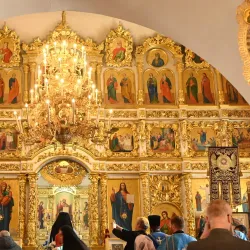

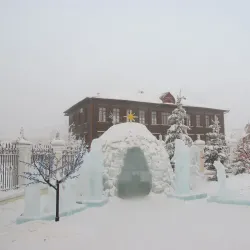
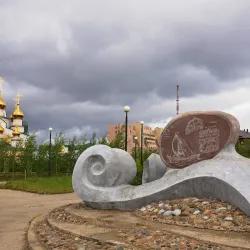
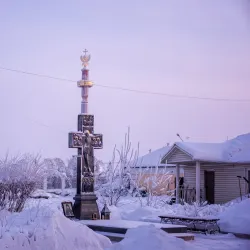
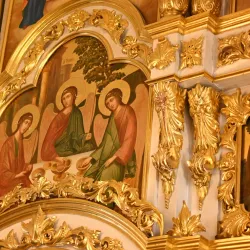
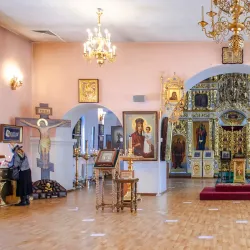
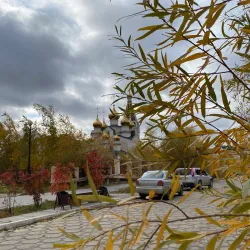
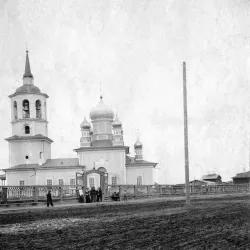
An important religious site in Yakutsk, this cathedral features traditional Russian Orthodox architecture and serves as a spiritual center for the community.
Chochur Muran Hill
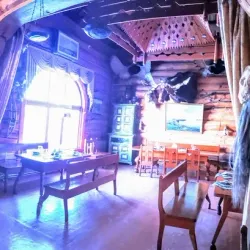

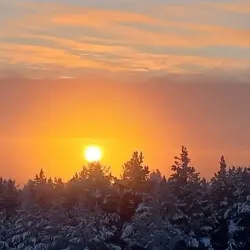

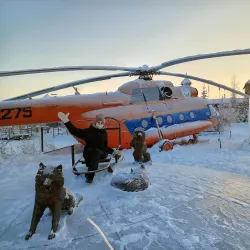
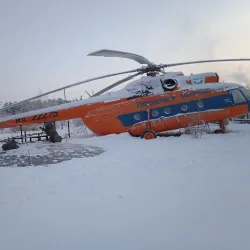
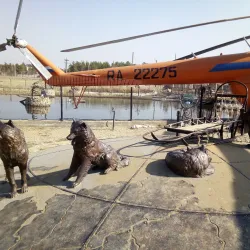
A natural landmark offering panoramic views of Yakutsk and the surrounding landscape. It is a popular spot for hiking and photography.
Sakha Theater
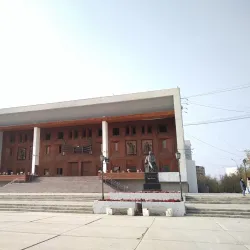


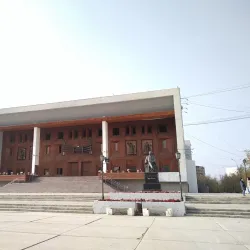






The main cultural venue in Yakutsk, hosting performances of drama, music, and traditional Sakha arts. It provides insight into the local performing arts scene.
Yakutsk Zoo
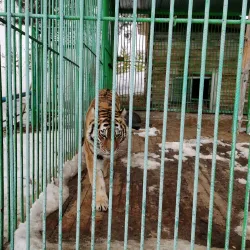


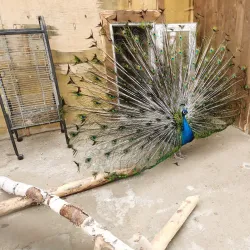



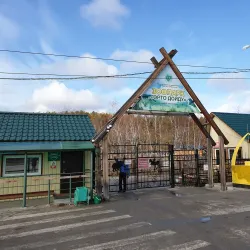
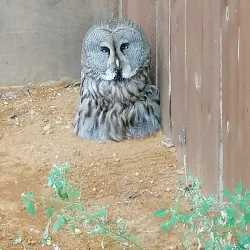

A small zoo featuring animals native to the Siberian region, including species adapted to cold climates. It is educational for families and animal enthusiasts.
Museum of Mammoths
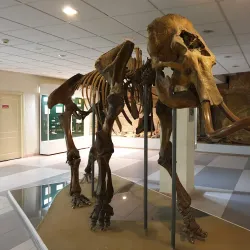
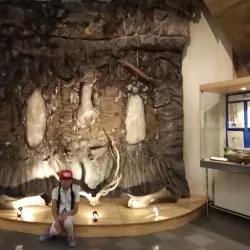
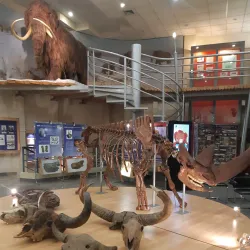

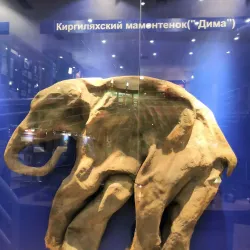

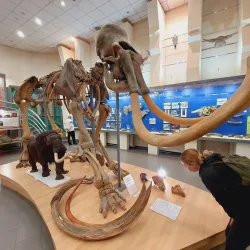


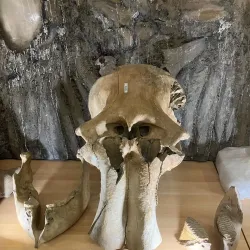
Dedicated to the prehistoric mammoths that once roamed the region, this museum displays fossils and artifacts related to Ice Age fauna. It highlights the paleontological significance of Yakutia.