Things to do in Jamestown
Jamestown is the capital and largest settlement of Saint Helena, a remote island in the South Atlantic Ocean. Known for its rich history, Jamestown offers visitors a glimpse into the island's colonial past, stunning natural landscapes, and unique cultural heritage.The town is nestled in a narrow valley with steep cliffs and is characterized by its charming colonial architecture, vibrant harbor, and lush surroundings. Jamestown serves as the gateway to exploring the island's many historical landmarks, nature reserves, and hiking trails.Jacob's Ladder
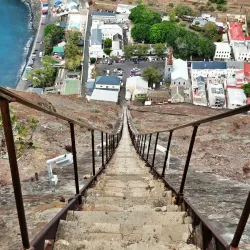
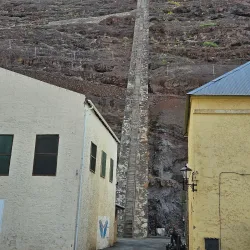
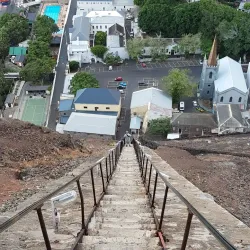
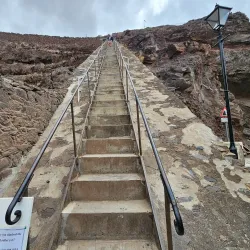
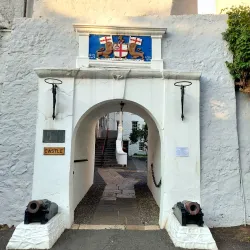
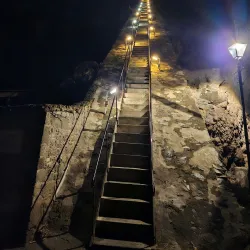
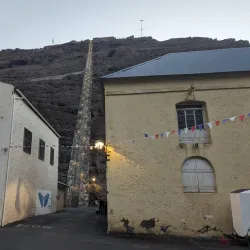
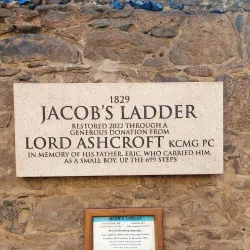
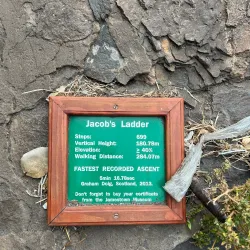
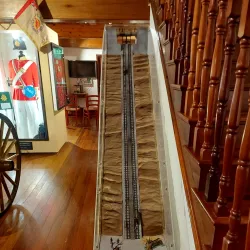
Jacob's Ladder is a steep staircase consisting of 699 steps connecting Jamestown to the residential area of Ladder Hill. It is one of the most iconic landmarks on the island and offers panoramic views of the town and harbor.
Originally built as an inclined plane for transporting goods, it is now a popular spot for visitors to climb and enjoy the scenery.
Saint Helena Museum
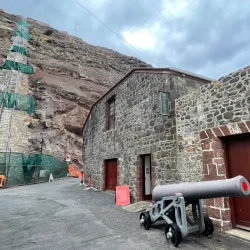
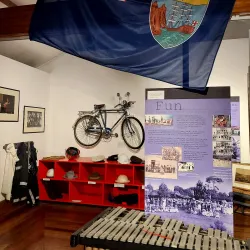
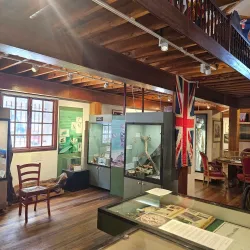
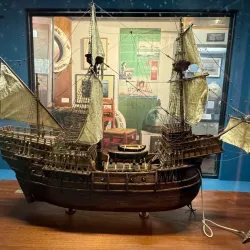
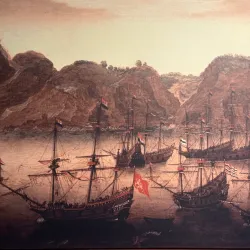
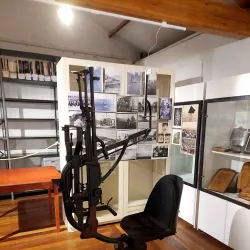
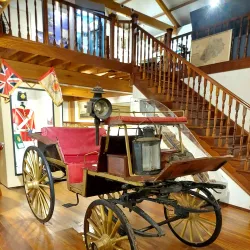
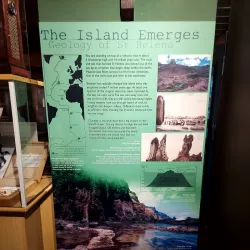
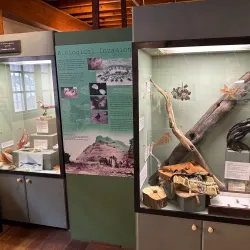
The Saint Helena Museum provides an insightful overview of the island's history, culture, and natural environment. Exhibits include artifacts from the island's early settlers, maritime history, and the period when Napoleon was exiled here.
The museum is located in Jamestown and is a key stop for understanding the island's heritage.
Jamestown Harbor

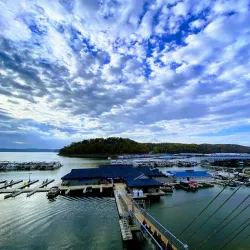
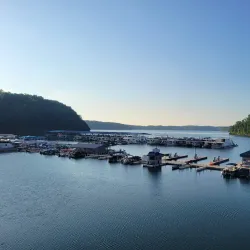
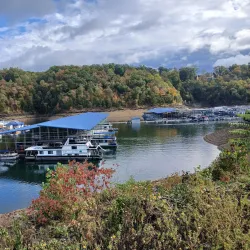
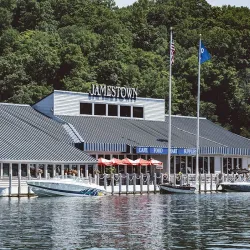
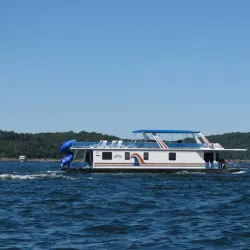
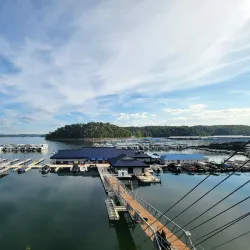
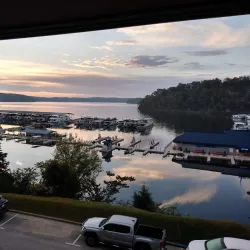
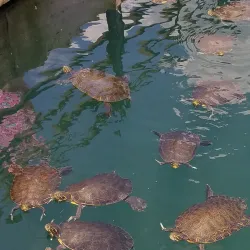
The harbor is the heart of Jamestown, where fishing boats and supply ships dock. It offers scenic views and is a great place to watch local fishermen at work or enjoy a stroll along the waterfront.
The harbor area also features cafes and shops, making it a lively spot for both locals and tourists.
St. James' Church
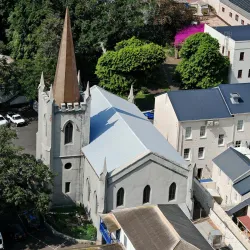
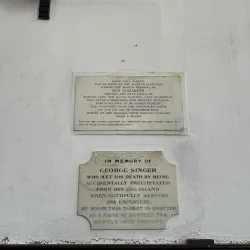
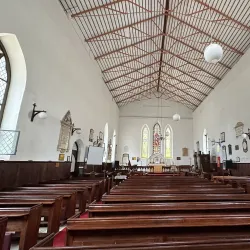
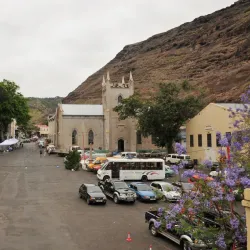
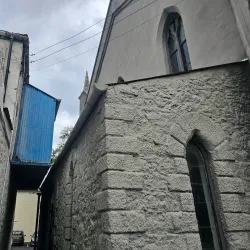
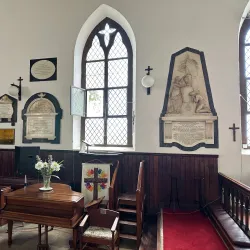
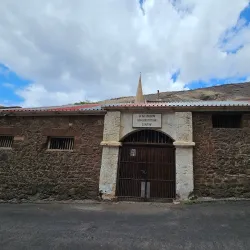
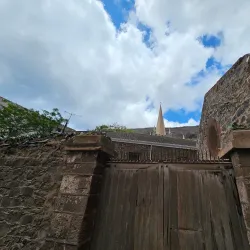
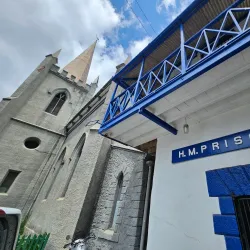
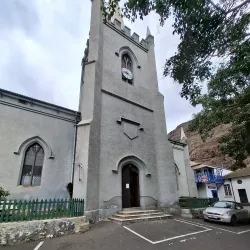
St. James' Church is one of the oldest Anglican churches in the Southern Hemisphere, dating back to the 18th century. It features beautiful colonial architecture and a peaceful interior.
The church is an important religious and historical site in Jamestown.
The Canister
The Canister is a historic gun emplacement located near the entrance to Jamestown. It was used to defend the harbor and town from potential naval attacks during the colonial period.
Today, it serves as a reminder of the island's strategic military importance and offers views over the harbor.
Longwood House
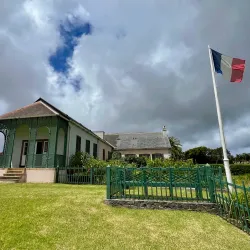
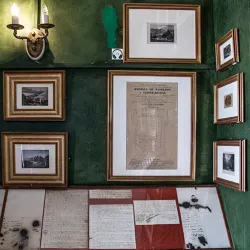
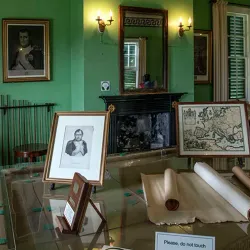
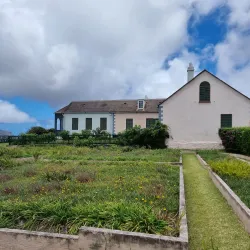
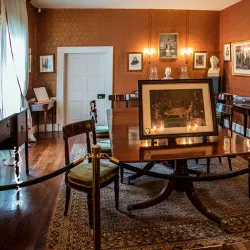
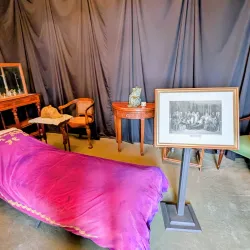
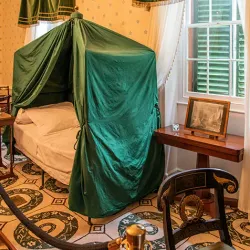
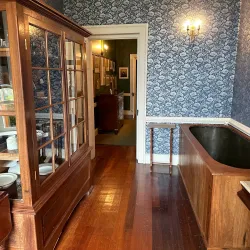
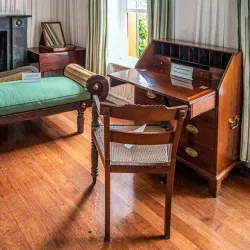
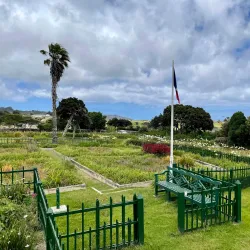
Longwood House is the residence where Napoleon Bonaparte was exiled from 1815 until his death in 1821. The house is preserved as a museum and offers a glimpse into the life of the famous French emperor during his final years.
Located a short distance from Jamestown, it is one of the most significant historical sites on the island.
The Mule Yard
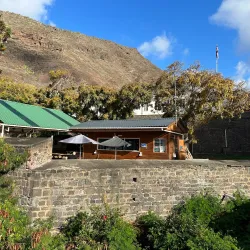
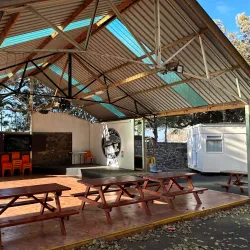

The Mule Yard is a historic area in Jamestown that was once used for the care and management of mules, which were essential for transportation on the island.
It now serves as a cultural site, sometimes hosting events and providing insight into the island's agricultural past.
The Castle
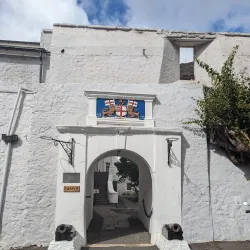
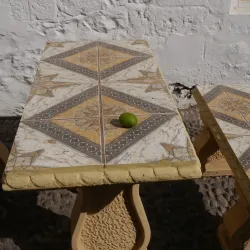
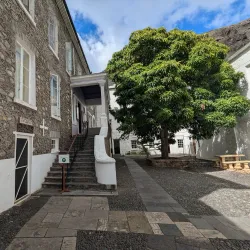
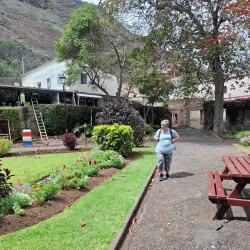
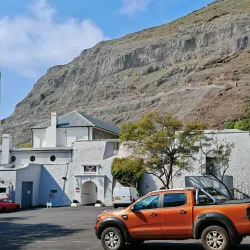
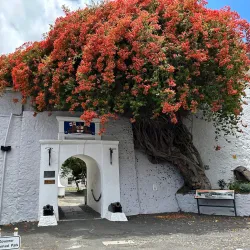
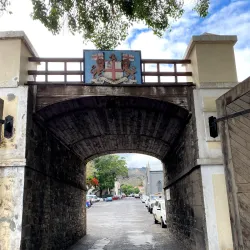
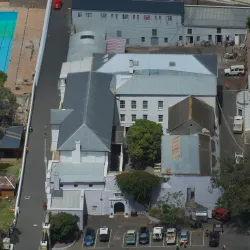
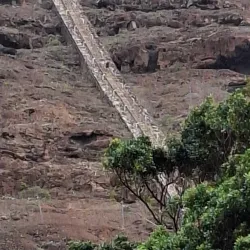
The Castle is the oldest government building in Jamestown, dating back to the 1700s. It has served various administrative functions over the centuries and is a key part of the town's colonial heritage.
Visitors can view the exterior and learn about its historical significance.
The Briars
The Briars is a small estate near Jamestown where Napoleon stayed briefly upon his arrival to Saint Helena before moving to Longwood House. It is notable for its historical connection to Napoleon and its well-maintained gardens.
The site offers a peaceful setting and historical context for visitors.
High Knoll Fort
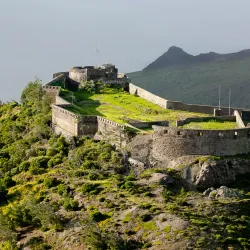
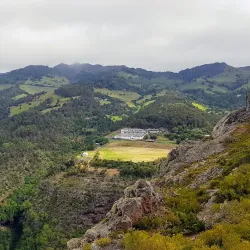


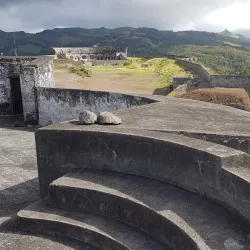
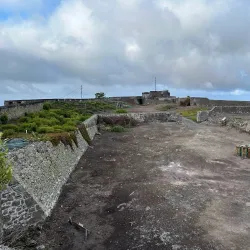

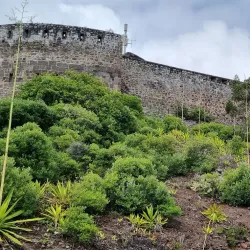
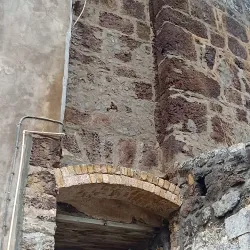
High Knoll Fort is a large fortification located on a hill overlooking Jamestown. Built in the early 19th century, it was designed to protect the island from invasion.
The fort offers spectacular views of the island and is a popular hiking destination for visitors seeking both history and nature.