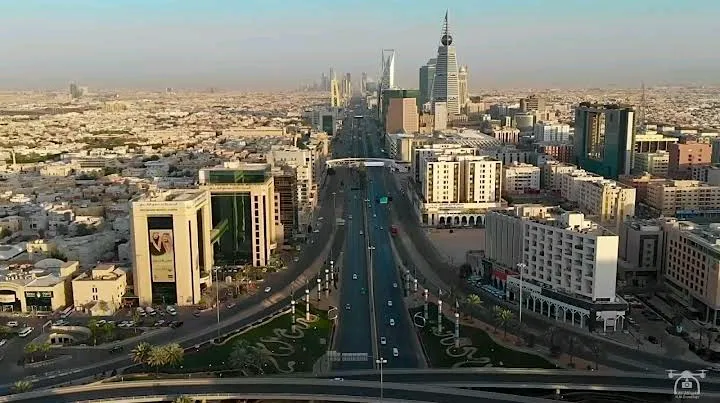
Healthcare in Jeddah (Jiddah)
Jeddah, a major urban center in Saudi Arabia, offers a robust healthcare system with a healthcare index of 60.69.The city is known for its blend of traditional and modern medical practices, providing residents with a variety of healthcare options.Despite its strengths, the system faces challenges such as moderate wait times and varying levels of service quality.Healthcare Accessibility and Coverage
Healthcare in Jeddah is accessible through a mix of employer-sponsored insurance (58.9%), private insurance (19.2%), and public insurance (13.7%).
A notable 8.2% of the population remains uninsured, highlighting areas for improvement in insurance coverage.
Coverage Breakdown
Healthcare Breakdown
Responsiveness and Wait Times
The negative score for responsiveness and waiting times (-0.22) indicates that patients may experience delays in receiving care.
Efforts are needed to enhance the efficiency of healthcare services to reduce waiting periods.
Cost of Healthcare
Healthcare costs in Jeddah are relatively moderate, with a cost score of 0.33.
The availability of various insurance options helps manage expenses, though out-of-pocket costs can still be significant for some residents.
Emergency Services and Speed
Emergency services in Jeddah have room for improvement, with a speed score of 0.37.
While the city provides essential emergency care, enhancing response times remains a priority.
Public Health Initiatives
Jeddah is actively engaged in public health initiatives focusing on lifestyle diseases, vaccination programs, and health education.
These programs aim to improve overall community health and reduce the burden of chronic diseases.
Equipment and Advancements
Jeddah's healthcare facilities are equipped with modern medical technology, scoring 1.03 in modern equipment.
The city continues to invest in medical advancements, ensuring access to state-of-the-art treatments and diagnostics.