
Quality of life in Rafḩā
Cost of Living, Healthcare, Safety, Education, and More
About Rafḩā
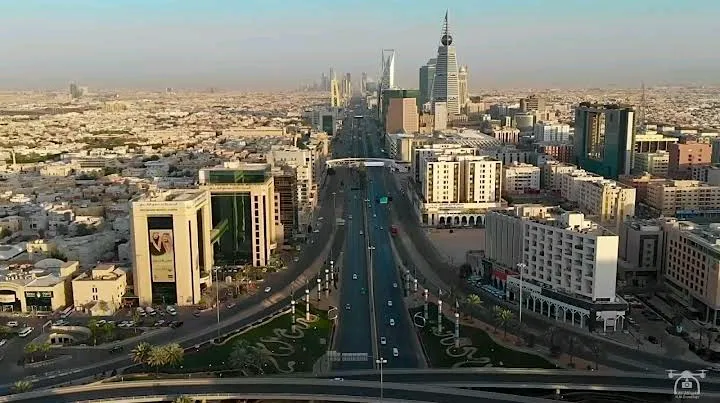
Rafḩā, located in the northern region of Saudi Arabia, is a city that blends traditional charm with modern development. Known for its strategic location near the borders of Iraq and Kuwait, Rafḩā serves as a significant hub for trade and cultural exchange.The city is characterized by its warm hospitality and a rich cultural heritage that reflects the diverse influences of the region. Rafḩā is also witnessing growth in various sectors, including commerce and tourism, making it an emerging destination for both business and leisure travelers.


History and Culture
Rafḩā's history is deeply intertwined with the broader historical narratives of the Arabian Peninsula. Historically, it has been a crossroads for traders and travelers, contributing to its diverse cultural tapestry.
The city has played a role in various historical events, particularly during the Gulf War, when it served as a base for coalition forces. This period brought significant changes to the city, influencing its infrastructure and demographics.
Culturally, Rafḩā is home to a mix of traditional Bedouin customs and modern Saudi influences. The local culture is celebrated through various festivals and events that highlight traditional music, dance, and cuisine.
The city's cultural institutions, including local museums and cultural centers, offer insights into its rich history and the lifestyle of its inhabitants. These venues often host exhibitions and events that celebrate the city's heritage and promote cultural understanding.
Things to do in Rafḩā
Visitors to Rafḩā can explore a variety of attractions and activities that showcase the city's unique character. The local markets, or souks, offer a glimpse into traditional commerce, where visitors can purchase local crafts and delicacies.
For those interested in history, the city's museums provide a detailed look at Rafḩā's past and its role in regional events. These institutions often feature exhibits on the city's development and cultural heritage.
Outdoor enthusiasts can enjoy the natural beauty surrounding Rafḩā, with opportunities for desert excursions and camping under the stars. The nearby desert landscapes offer a serene escape and a chance to experience the tranquility of the Arabian desert.
Rafḩā also hosts various cultural festivals throughout the year, celebrating everything from traditional music and dance to local culinary arts. These events provide a vibrant atmosphere and a chance to engage with the local community.
Quality of Life Rankings

Weather in Rafḩā
Rafḩā, Saudi Arabia experiences a desert climate characterized by extremely hot summers and mild winters. The city receives minimal annual precipitation, averaging around 3.9 inches (100 mm), with November being the wettest month, averaging about 0.8 inches (20 mm) of rainfall.
Seasonal Breakdown
- Spring (March to May)Temperatures rise quickly from an average high of 82°F (28°C) in March to 104°F (40°C) in May. Rainfall is scarce, with occasional showers in April, averaging around 0.4 inches (10 mm).
- Summer (June to August)The hottest months, with average highs soaring from 109°F (43°C) in June to 113°F (45°C) in July. Rainfall is virtually nonexistent during the summer, with dry conditions prevailing.
- Autumn (September to November)Temperatures gradually decrease from an average high of 104°F (40°C) in September to 82°F (28°C) in November. Rainfall slightly increases, with November being the wettest month, averaging about 0.8 inches (20 mm).
- Winter (December to February)The mildest period, with average highs ranging from 68°F (20°C) in December to 73°F (23°C) in February. Rainfall remains low, averaging about 0.4 inches (10 mm) in January.
Notable Weather Events
- Extreme heatwaves during the summer months.
- Occasional dust storms, particularly in the spring and summer.
- Rare but intense thunderstorms in late autumn.
Rafḩā's Political Climate
Rafḩā, located in the Northern Borders Region of Saudi Arabia, is a city that reflects the broader political climate of the Kingdom. As part of Saudi Arabia, Rafḩā operates under a monarchy, with the King serving as both the head of state and government. The political landscape is characterized by a centralized governance structure, with significant influence from the royal family and appointed officials.
Historically, Saudi Arabia has maintained a conservative political environment, with Islamic law (Sharia) forming the basis of its legal system. In recent years, the country has embarked on a series of reforms under the Vision 2030 initiative, aimed at diversifying the economy and modernizing various sectors, including governance. These reforms have also touched upon social aspects, such as women's rights and cultural openness, which are gradually influencing cities like Rafḩā.
Rafḩā's political climate is shaped by national policies and directives, with local governance focusing on implementing these within the city. Economic decisions are heavily influenced by the oil industry, while social policies are aligned with national reforms. Environmental considerations are increasingly becoming part of the policy discourse, especially in the context of sustainable development goals outlined in Vision 2030.
Recent trends in Rafḩā include a growing emphasis on infrastructure development and public services, reflecting the broader national agenda. The city's political engagement is primarily driven by government-led initiatives, with limited civic activism compared to Western democracies. However, there is a noticeable shift towards greater public participation in community development projects.
Political Quick Facts
- Voter TurnoutN/A (Monarchical system)
- City GovernanceAppointed local officials under the monarchy
- CompositionN/A (No elected city council)
- Recent Political ChangesImplementation of Vision 2030 initiatives
- EngagementModerate, primarily government-driven
- Political ScorecardHigh on governance efficiency, moderate on transparency
- Legislative PrioritiesInfrastructure development Economic diversification Social reforms
- Public OpinionGenerally supportive of national reforms and modernization efforts
Notable Political Figures
- Mohammed bin SalmanCrown Prince of Saudi Arabia, spearheading Vision 2030 reforms.
- Faisal bin Khalid bin SultanGovernor of the Northern Borders Region, overseeing regional development.
- Abdulaziz bin Saud bin NayefMinister of Interior, influential in national security and governance.