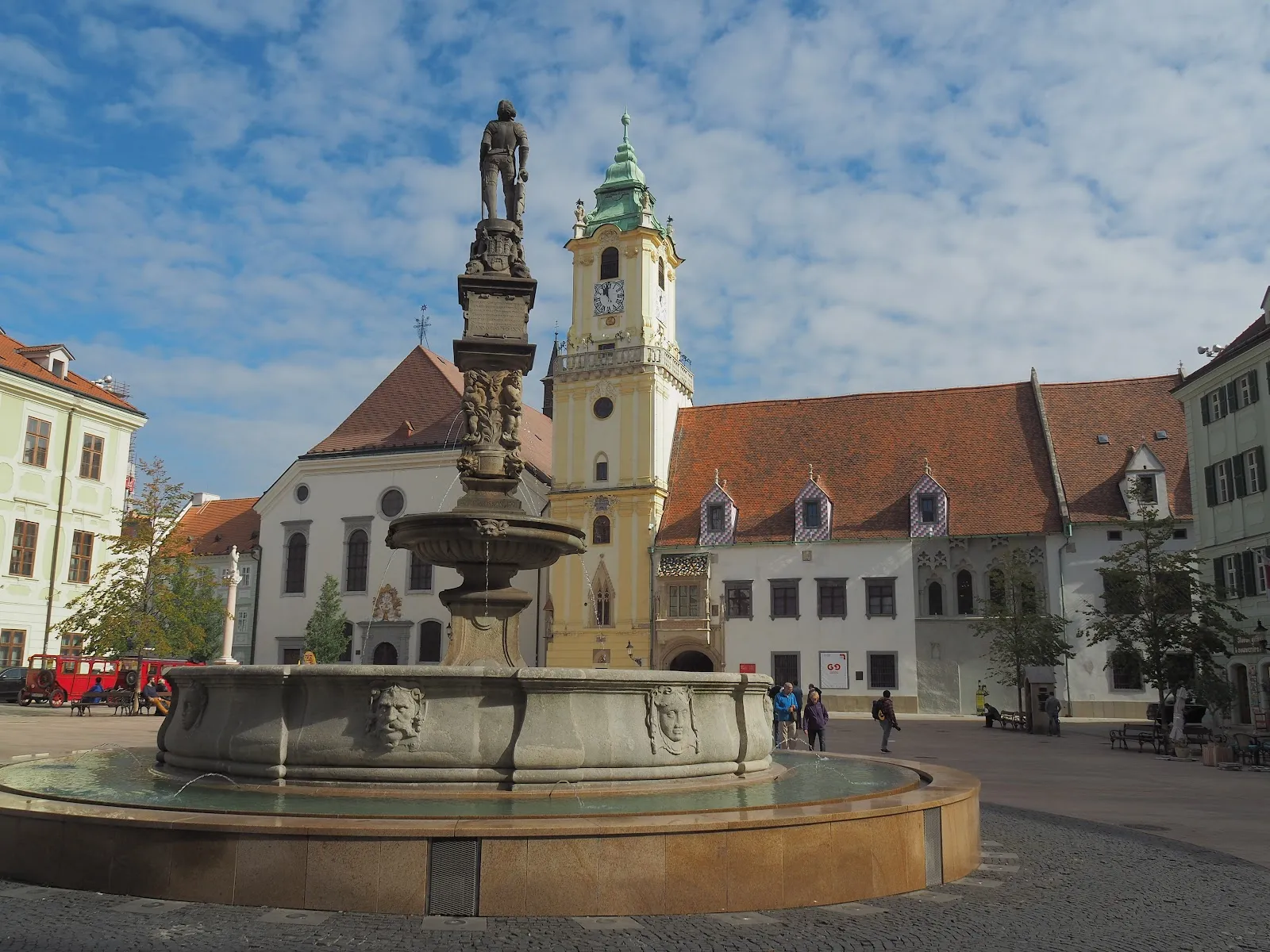
Traffic in Sala
Sala, Slovakia, presents a unique case with its current traffic data showing zero activity across all transportation modes.This data suggests either a lack of reporting or an exceptionally low traffic footprint, which could indicate a high reliance on remote work or non-traditional commuting methods.Average Commute Times
More Information
Seasonal Trends
Sala may experience different traffic patterns in winter due to weather conditions affecting road usage.
Summer months might see increased pedestrian and bicycle traffic if infrastructure supports these modes.
Commuter Pain Points
Without comprehensive data, identifying specific commuter pain points in Sala is challenging.
Potential issues could include limited public transport options or infrastructure for non-motorized transport.
Best Travel Times
Early mornings and late evenings are generally less congested, making them ideal for travel in Sala.
Weekends might offer smoother traffic conditions compared to weekdays.
Event Impacts
Public events in Sala could lead to temporary traffic increases, especially if they attract visitors from surrounding areas.
Planning around major events can help mitigate potential traffic disruptions.
Sustainability Efforts
Sala could benefit from initiatives aimed at enhancing public transport and encouraging eco-friendly commuting.
Implementing policies to support electric vehicles and cycling could further reduce emissions.
Ride-Sharing Impact
Ride-sharing services could play a role in reducing the number of private vehicles on the road in Sala.
Encouraging the use of ride-sharing could help alleviate potential traffic congestion and parking issues.