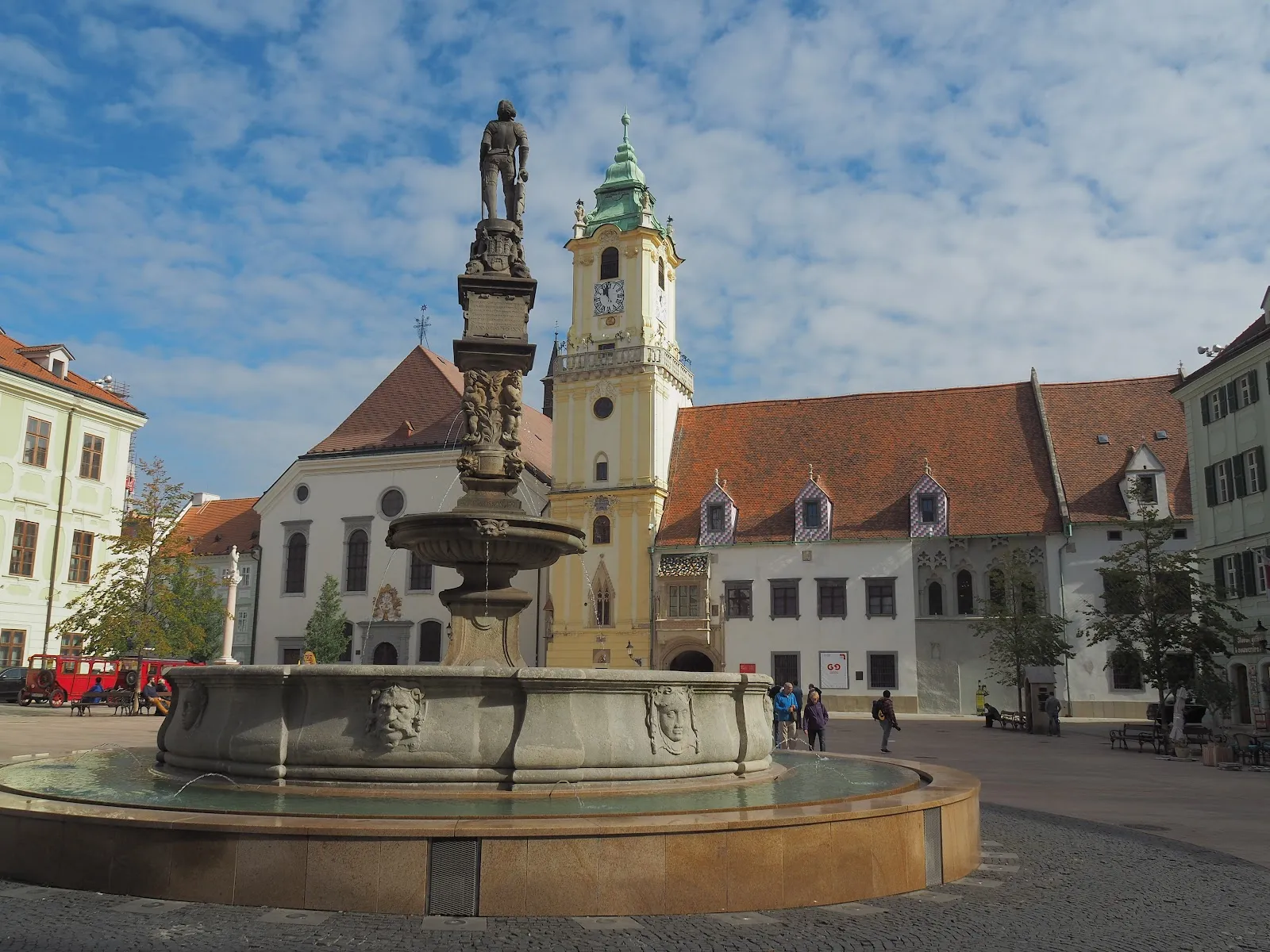
Traffic in Senica
In 2024, Senica, Slovakia, sees a predominant reliance on cars for commuting, with 100% of the population using this mode of transport.The city's traffic data reveals significant CO2 emissions and a moderate level of traffic inefficiency, highlighting areas for potential improvement.Average Commute Times
The average commute time in Senica is 30 minutes, with a typical distance of 15 kilometers.
- Car - Commuting by car takes approximately 30 minutes, covering a distance of 15 kilometers.
Traffic Breakdown
Traffic Data
Overall average travel
Average when primarily using Car
More Information
Seasonal Trends
Traffic tends to increase during the winter months due to adverse weather conditions affecting driving.
Summer sees a slight decrease in traffic as residents take vacations, reducing the number of commuters.
Commuter Pain Points
Frequent congestion during peak hours leads to delays and increased travel times.
Limited public transportation options force reliance on cars, contributing to traffic inefficiencies.
Best Travel Times
Early mornings before 7 AM and late evenings after 7 PM are the best times to avoid traffic congestion.
Midday travel between 11 AM and 1 PM is also relatively smooth, with less traffic on the roads.
Event Impacts
Local festivals and public events can significantly disrupt traffic flow, leading to temporary road closures and detours.
Planning ahead for such events can help mitigate traffic disruptions.
Sustainability Efforts
Senica is exploring initiatives to promote cycling and walking as viable commuting options to reduce car dependency.
Investments in public transportation infrastructure are being considered to offer more sustainable commuting alternatives.
Ride-Sharing Impact
Ride-sharing services are gradually gaining popularity, offering a convenient alternative to personal car use.
These services could play a crucial role in reducing traffic congestion and emissions if widely adopted.