Things to do in Idrija
Idrija is a historic town in western Slovenia, renowned for its rich mining heritage and unique cultural traditions. Nestled in a picturesque valley, Idrija offers visitors a blend of natural beauty and fascinating historical sites, particularly centered around its mercury mine, one of the oldest in the world.The town is also known for its lace-making tradition, which is recognized by UNESCO as an intangible cultural heritage. Visitors to Idrija can explore museums, historic buildings, and scenic outdoor areas that showcase the town's unique character and history.Idrija Mercury Mine
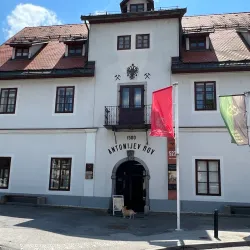
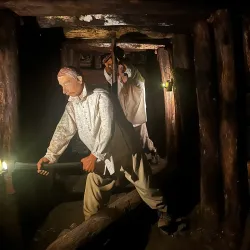
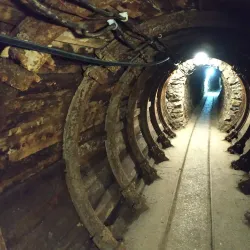
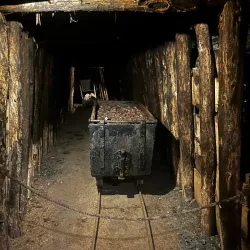
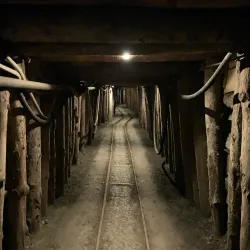
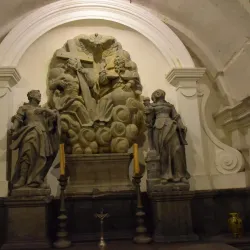
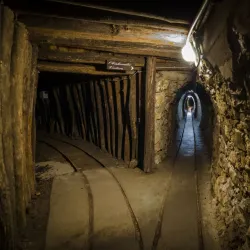
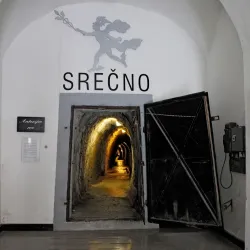
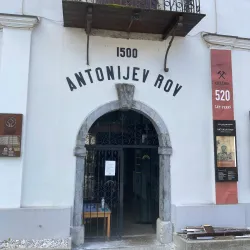
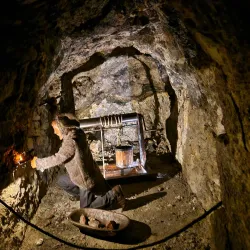
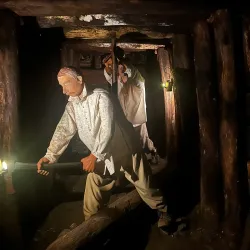
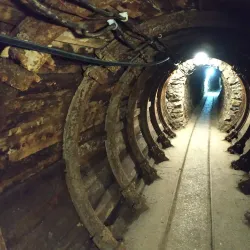
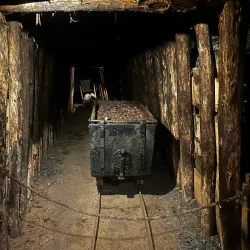
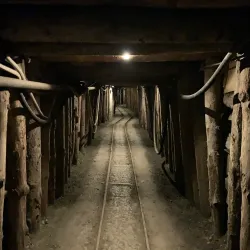
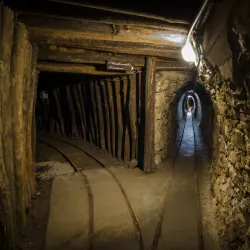
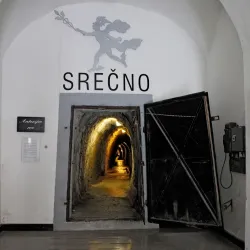
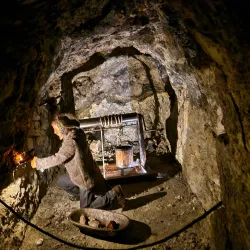
The Idrija Mercury Mine is one of the oldest mercury mines in the world and a UNESCO World Heritage Site. Visitors can take guided tours through the underground tunnels to learn about the history of mercury mining and the challenging working conditions miners faced.
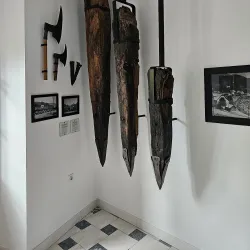
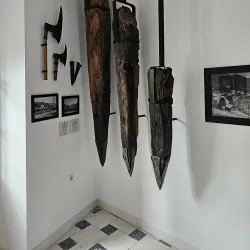
The mine complex also includes a museum that showcases mining tools, equipment, and exhibits on the geological and industrial significance of mercury extraction in the region.
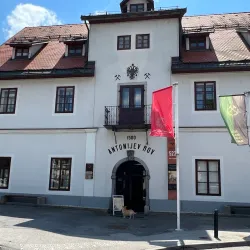
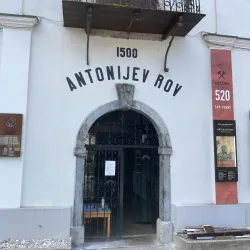
Anthony's Shaft (Antonijev rov)
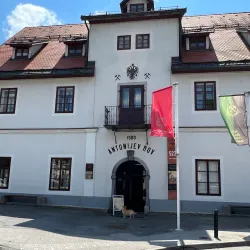
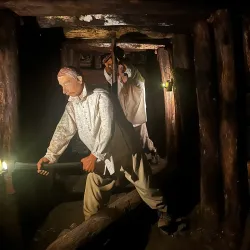
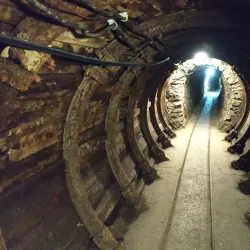
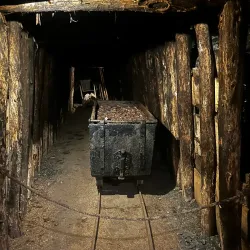


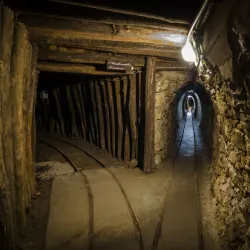


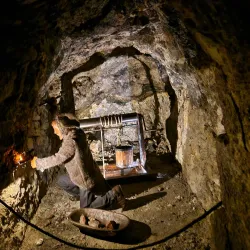
Anthony's Shaft is a key part of the Idrija Mercury Mine and is open to visitors as part of the underground tour. It provides a unique glimpse into the mining techniques used over centuries and the engineering feats accomplished underground.
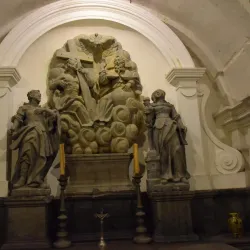
The shaft is named after Saint Anthony, the patron saint of miners, and is an important cultural and historical symbol in Idrija.
Idrija Lace School and Museum
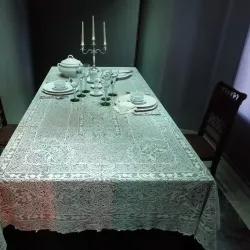
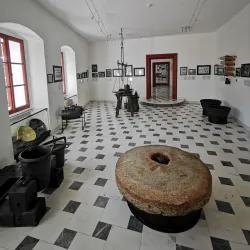
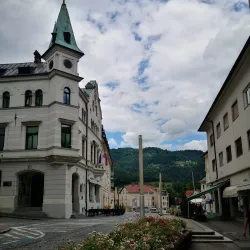
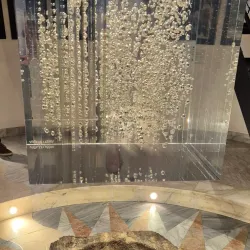
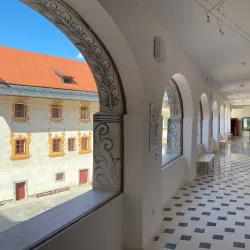

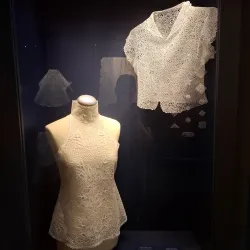
Idrija is famous for its traditional bobbin lace-making, a craft that has been passed down through generations. The Lace School and Museum offers demonstrations, workshops, and exhibits that highlight this delicate art form.
Visitors can see intricate lace pieces and learn about the history and cultural importance of lace-making in Idrija, which is recognized by UNESCO as intangible cultural heritage.
Idrija Town Square (Glavni trg)
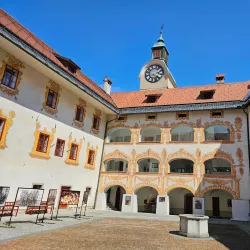
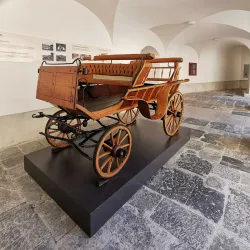
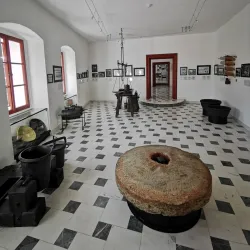
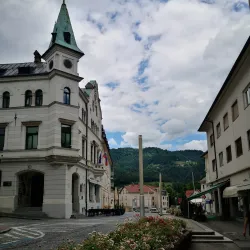
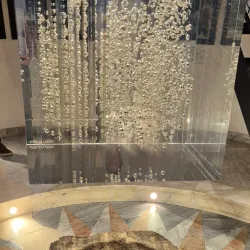
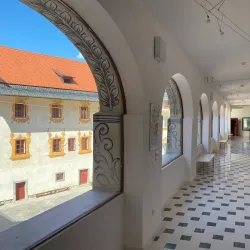

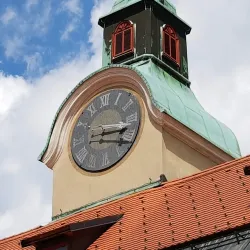
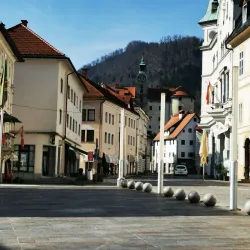
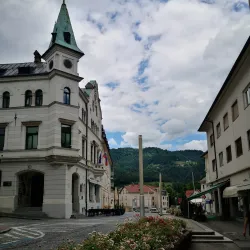
The central square of Idrija is a charming area surrounded by historic buildings, cafes, and shops. It serves as a social and cultural hub where visitors can enjoy local cuisine, events, and the town's relaxed atmosphere.
The square often hosts markets, festivals, and cultural events that celebrate Idrija's heritage and community spirit.
Gewerkenegg Castle
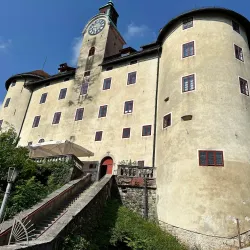
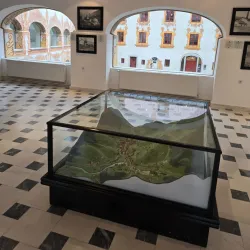
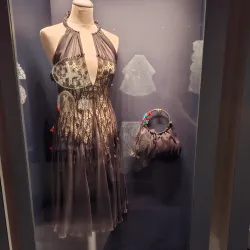
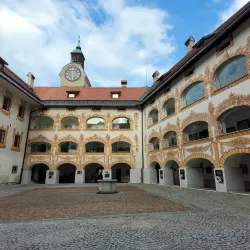
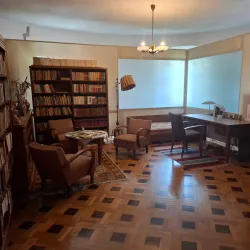
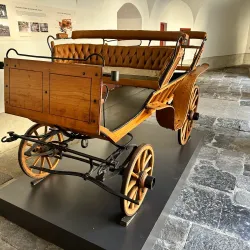
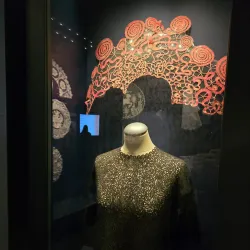
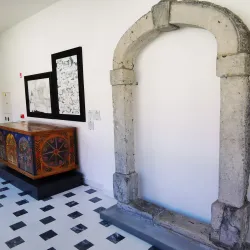
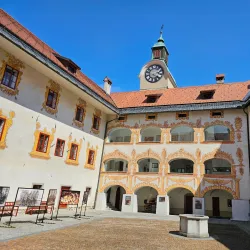
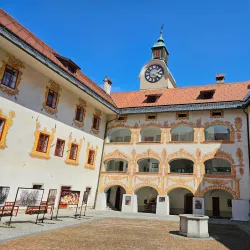
Gewerkenegg Castle is a historic castle in Idrija that now houses a museum dedicated to the town's mining history and cultural heritage. The castle itself is an architectural landmark with origins dating back to the 16th century.
Inside, visitors can explore exhibits on mining technology, local history, and traditional crafts, making it a key stop for understanding Idrija's past.
Idrija Museum of Apiculture

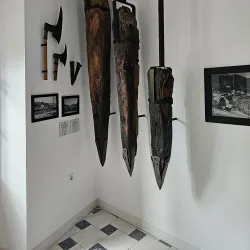
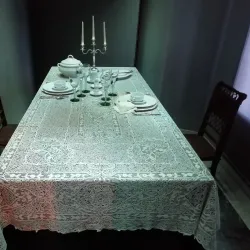
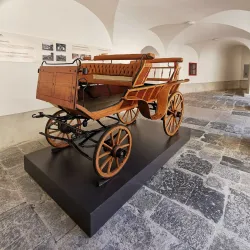
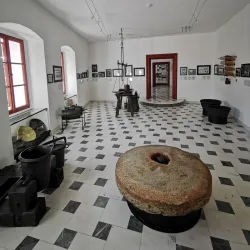

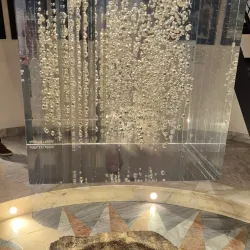


This museum is dedicated to the tradition of beekeeping in the Idrija region, showcasing the importance of bees and honey production in local culture and economy.
Exhibits include traditional beekeeping tools, information on bee biology, and the role of beekeeping in Slovenian folklore and agriculture.
Nikola's Church (St. Nicholas Church)
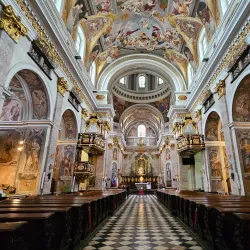
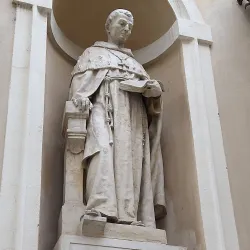
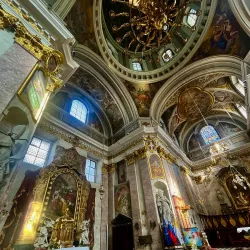
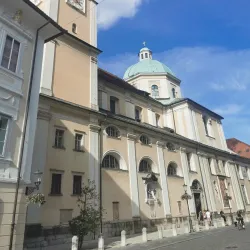
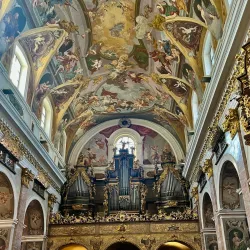
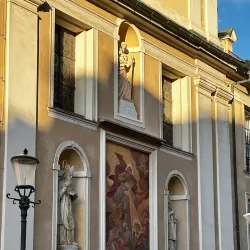
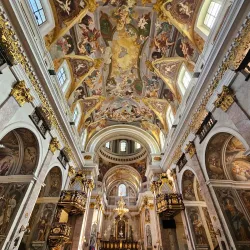
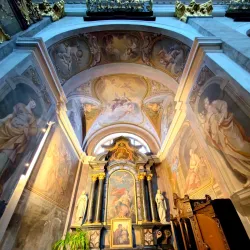
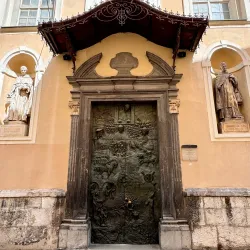
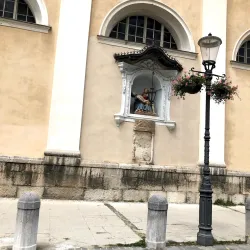
A beautiful Baroque church located in the heart of Idrija, known for its impressive interior and historic significance to the local community.
The church often hosts concerts and cultural events, adding to the town's vibrant cultural scene.
Idrija Forest and Hiking Trails

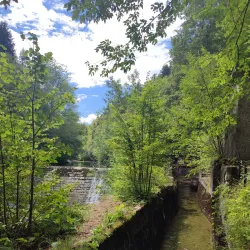
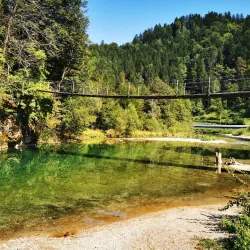
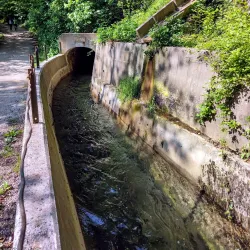
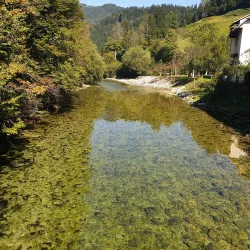
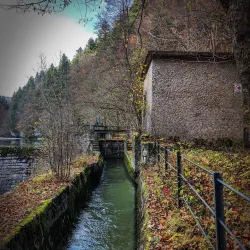
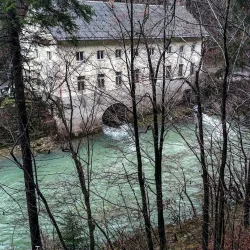
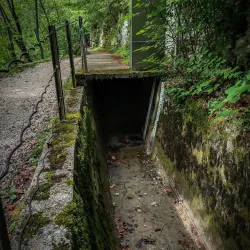
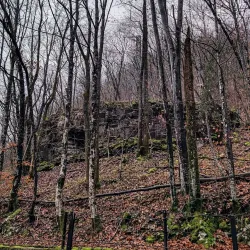
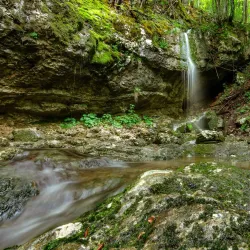
The forests surrounding Idrija offer numerous hiking and nature trails for outdoor enthusiasts. These trails provide scenic views, fresh air, and opportunities to explore the natural landscape of the region.
Popular routes include paths leading to nearby hills and viewpoints, suitable for all levels of hikers.
Idrija Water Tower
An iconic landmark in Idrija, the water tower is a historic structure that adds to the town's skyline. It represents the industrial heritage and development of the town.
While not open for tours, it is a popular photo spot and part of walking tours around the town.
Idrija Cultural Center


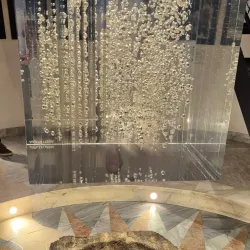
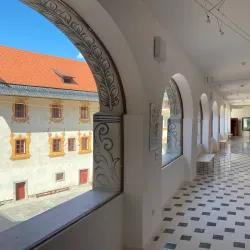

The Cultural Center hosts exhibitions, performances, and workshops that celebrate the arts and traditions of Idrija and the wider region.
It is a vibrant venue for experiencing contemporary culture alongside the town's rich historical heritage.