Things to do in Bardera (Baardheere)
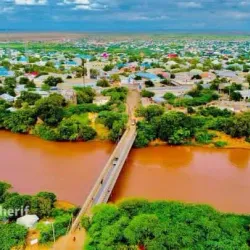
Bardera, also known as Baardheere, is a historic town located in the southwestern region of Somalia. It is situated along the Jubba River, which has historically been vital for agriculture and trade in the area. Bardera is known for its rich cultural heritage, traditional Somali architecture, and its role as a center for Islamic education and commerce.Jubba River
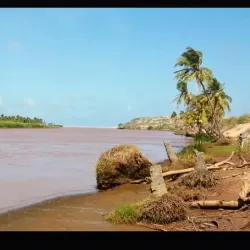
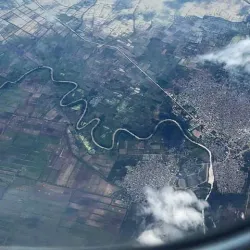
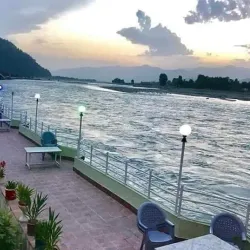
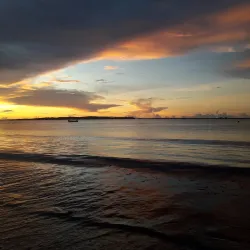
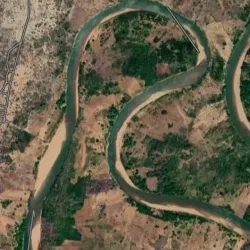
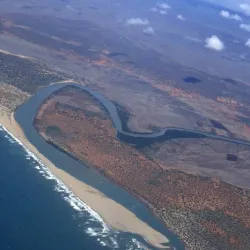
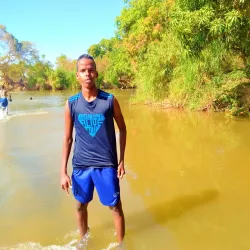
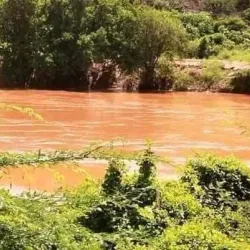
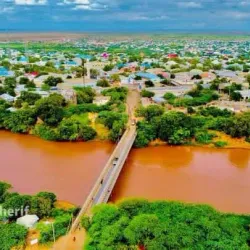
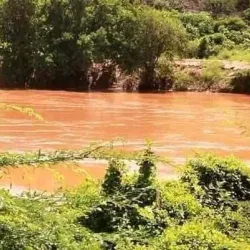
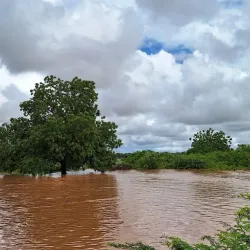
The Jubba River is a significant natural feature in Bardera, providing water for agriculture and supporting local livelihoods. It is one of the major rivers in Somalia and plays a crucial role in the region's ecosystem and economy.
Bardera Market
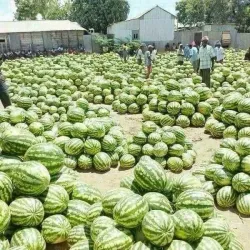
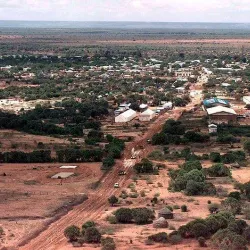
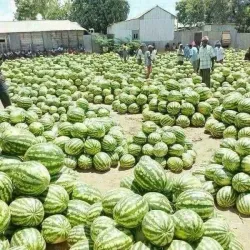
The local market in Bardera is a vibrant place where residents trade goods such as livestock, agricultural products, and traditional crafts. It offers a glimpse into the daily life and commerce of the town's inhabitants.
Historic Mosques of Bardera
Bardera is home to several historic mosques that reflect the town's Islamic heritage. These mosques serve as centers for religious education and community gatherings, showcasing traditional Somali Islamic architecture.
Traditional Somali Architecture
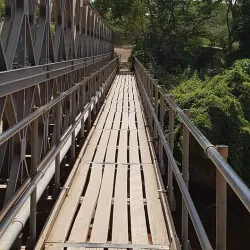
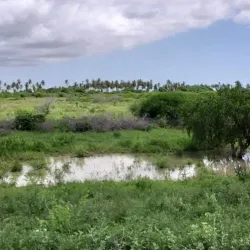
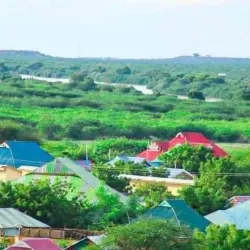
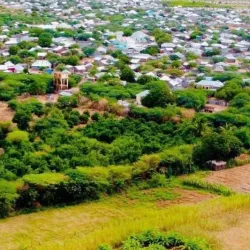
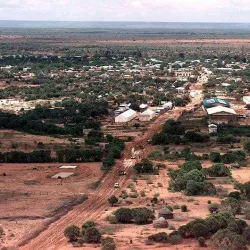
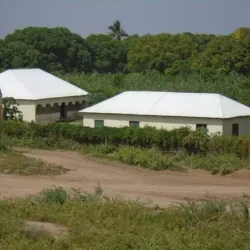
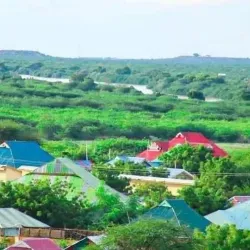
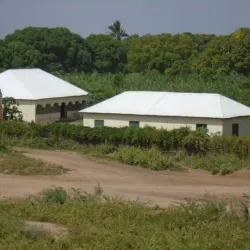
Exploring the town reveals examples of traditional Somali architecture, including homes and public buildings constructed with local materials and designed to suit the climate and cultural practices.
Agricultural Fields Along the Jubba River
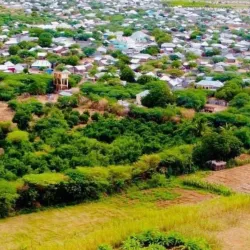
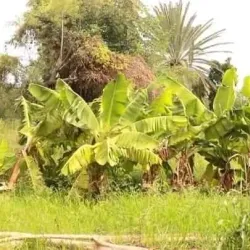
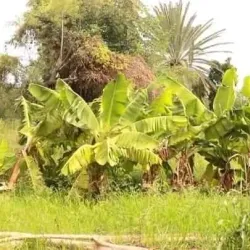
The fertile lands along the Jubba River support various crops and farming activities. Visitors can observe traditional farming techniques and the importance of agriculture to Bardera's economy.
Local Cultural Festivals
Bardera hosts cultural festivals that celebrate Somali music, dance, poetry, and traditional customs. These events provide an immersive experience into the local culture and community spirit.
Educational Institutions
Bardera is known for its educational institutions, including Islamic schools that attract students from the region. These institutions contribute to the town's reputation as a center of learning.
Nearby Wildlife and Nature Areas
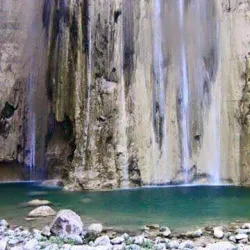
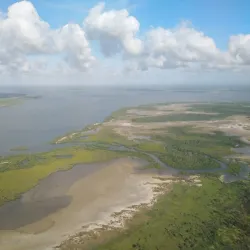
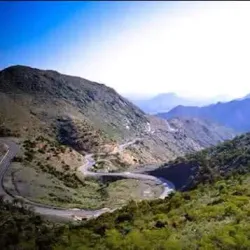
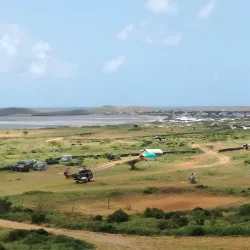
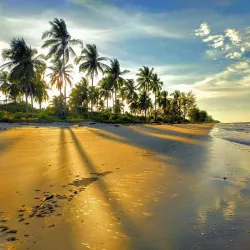
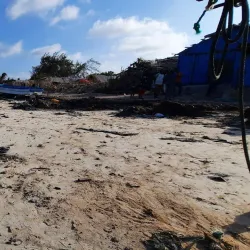
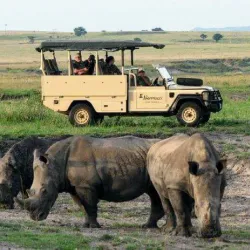
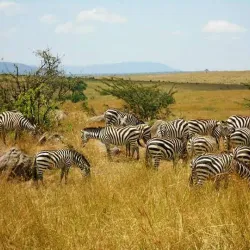
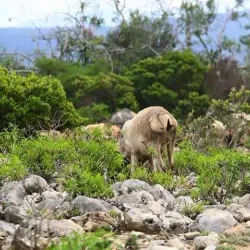
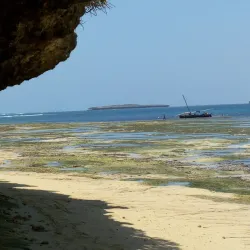
The areas surrounding Bardera offer opportunities to explore Somali wildlife and natural landscapes, including riverine environments and savannahs that support diverse flora and fauna.
Local Handicrafts and Artisans
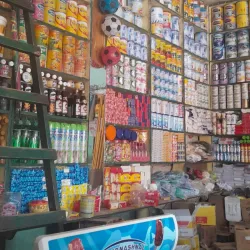
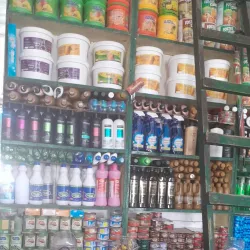
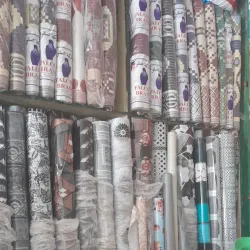
Visitors can find traditional Somali handicrafts made by local artisans, including woven goods, pottery, and jewelry, reflecting the cultural heritage of the region.
Community Centers and Social Hubs
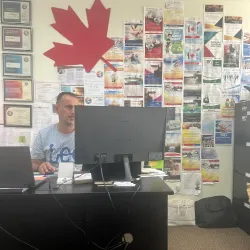


Community centers in Bardera serve as important social hubs where residents gather for meetings, celebrations, and cultural activities, fostering a strong sense of community.