Things to do in Wanlaweyn
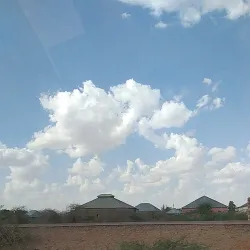
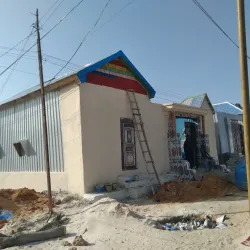
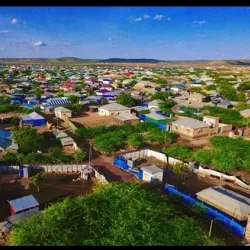
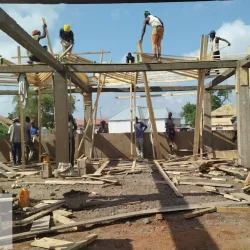
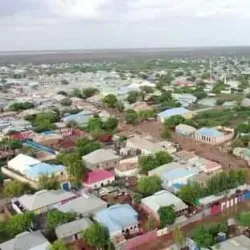
Wanlaweyn is a town located in the southern part of Somalia, known for its cultural heritage and local community life. It offers visitors a glimpse into traditional Somali culture and the rural lifestyle of the region.Wanlaweyn Market
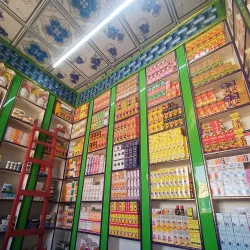
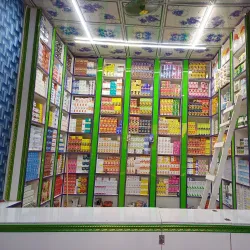
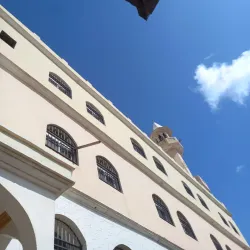
The Wanlaweyn Market is a central hub for trade and social interaction in the town. It offers a variety of local goods, including traditional crafts, fresh produce, and textiles. Visitors can experience the vibrant atmosphere and engage with local vendors.
Traditional Somali Villages
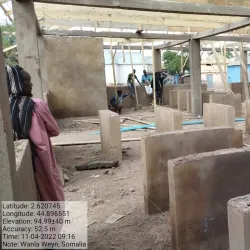
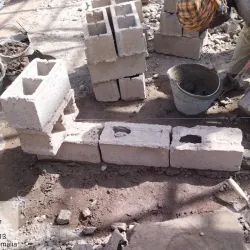
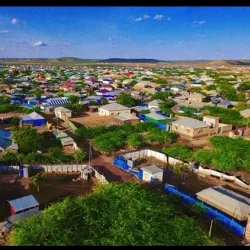
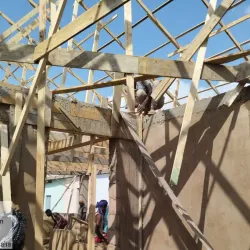
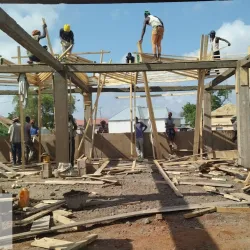

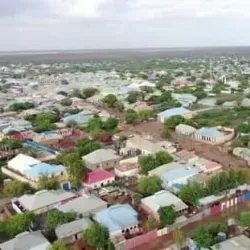
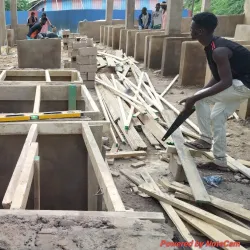
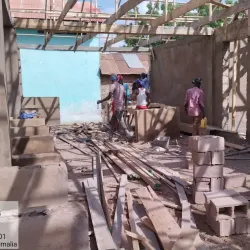
Surrounding Wanlaweyn are several traditional Somali villages where visitors can observe local customs, traditional housing, and community life. These villages provide insight into the pastoral and agricultural practices of the region.
Juba River (nearby)
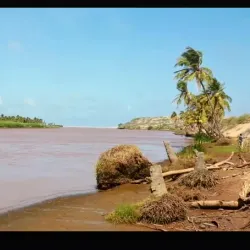
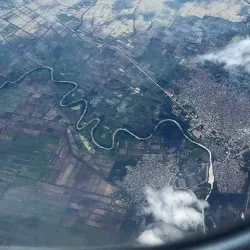
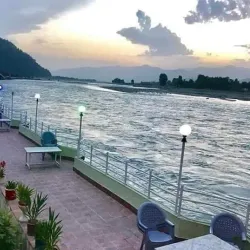
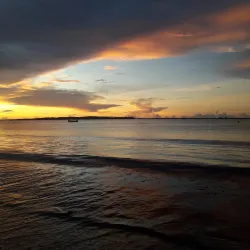
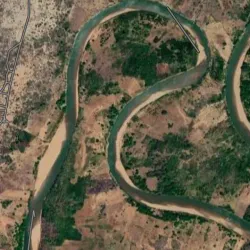
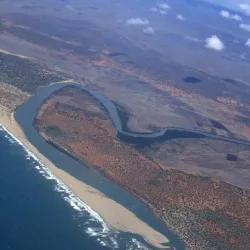
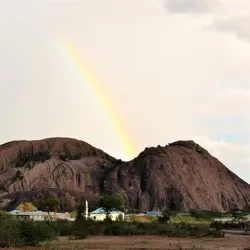

The Juba River, located near Wanlaweyn, is an important water source for the region. It supports local agriculture and livestock and offers scenic views of the natural landscape. The river area is significant for both ecological and cultural reasons.
Local Mosques
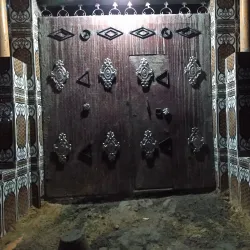
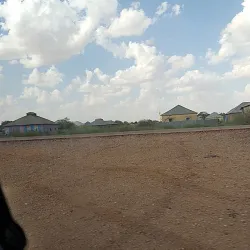
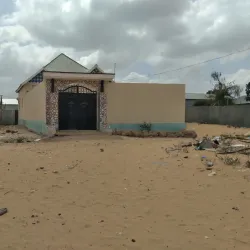
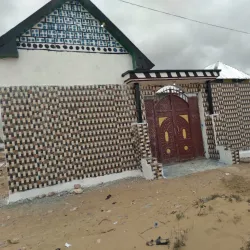
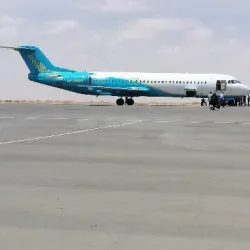
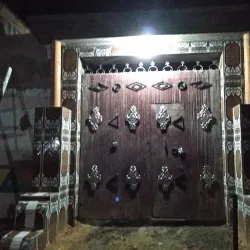

Wanlaweyn is home to several mosques that serve as important religious and community centers. These mosques reflect traditional Islamic architecture and are integral to the spiritual life of the town's residents.
Somali Cultural Experiences
Visitors can engage with local residents to learn about Somali music, dance, poetry, and cuisine. These cultural experiences provide a deeper understanding of the traditions and social fabric of Wanlaweyn.
Agricultural Fields
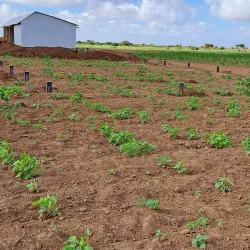
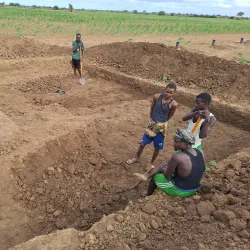
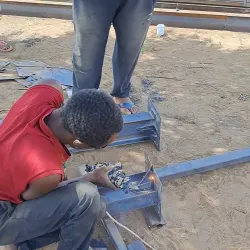
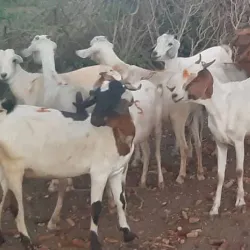
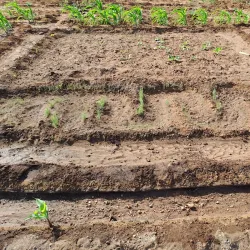
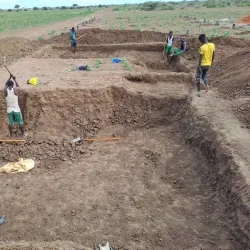
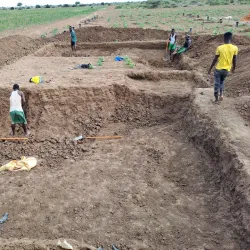
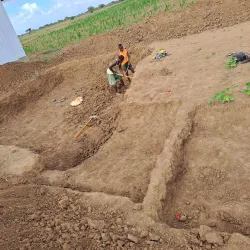

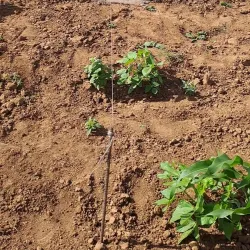
The agricultural fields around Wanlaweyn are vital to the local economy. Visitors interested in rural life can observe farming techniques and seasonal crop cycles that sustain the community.
Local Handicrafts
Artisans in Wanlaweyn produce traditional Somali handicrafts, including woven baskets, pottery, and textiles. These crafts are often available for purchase and make meaningful souvenirs.
Community Gatherings and Festivals
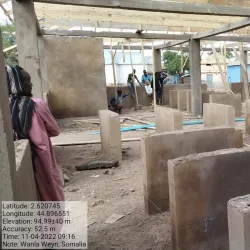

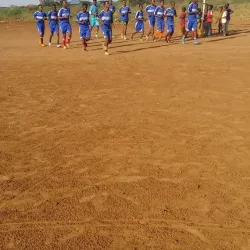
Throughout the year, Wanlaweyn hosts various community gatherings and cultural festivals that celebrate Somali heritage. These events are opportunities to experience local music, dance, and cuisine in a festive setting.
Nearby Wildlife and Nature Walks
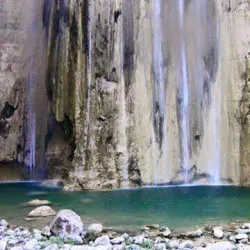
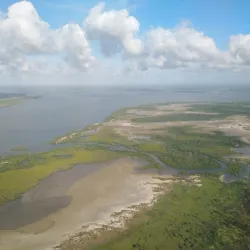
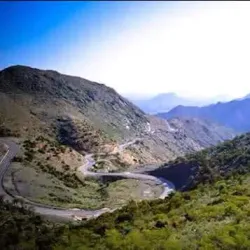
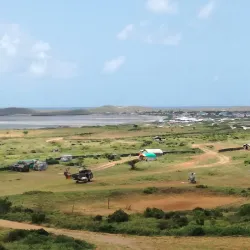
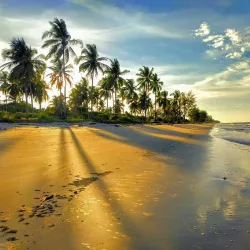
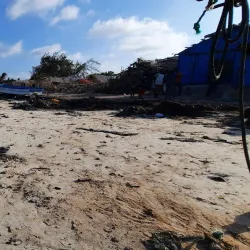
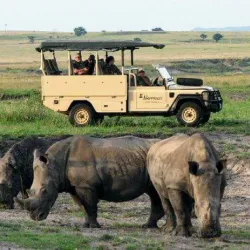
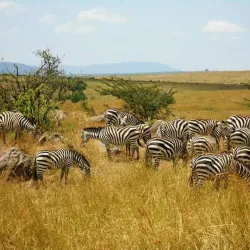
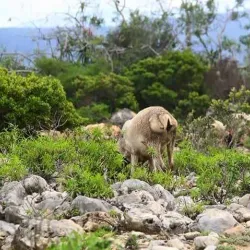
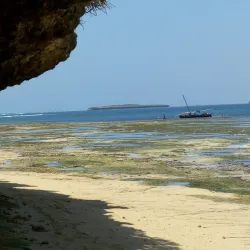
The natural surroundings of Wanlaweyn include areas where visitors can enjoy wildlife observation and nature walks. These excursions offer a chance to see local flora and fauna in their natural habitat.
Historical Sites (Local)
While Wanlaweyn is primarily known for its living culture, there are local historical sites and landmarks that reflect the town's past and its role in the region's history. These sites provide context to the area's development over time.