Things to do in Kimberley
Kimberley, located in the Northern Cape province of South Africa, is a city rich in history and cultural heritage. Known primarily for its diamond mining past, Kimberley offers visitors a unique glimpse into the mining boom that shaped the region and the country.The city combines historical landmarks, museums, and natural attractions, making it a fascinating destination for those interested in history, geology, and South African culture. Kimberley's neighborhoods reflect its mining heritage and vibrant community life.The Big Hole
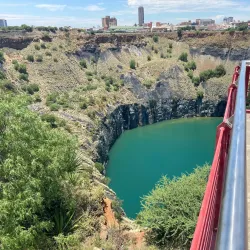
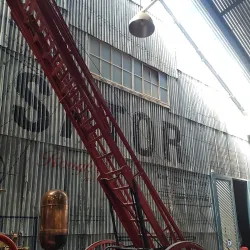
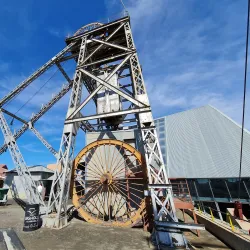
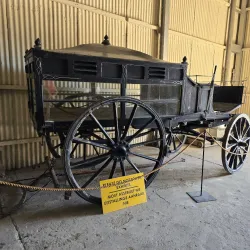
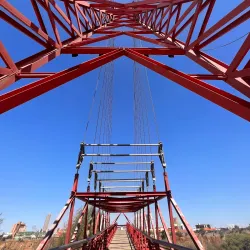
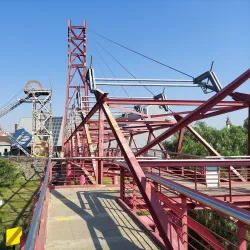
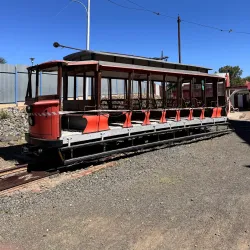
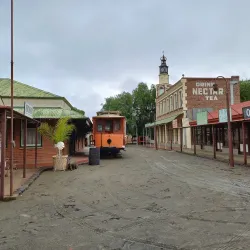
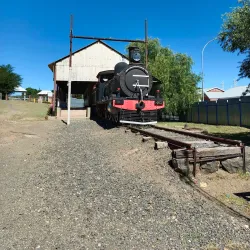
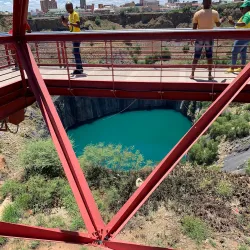
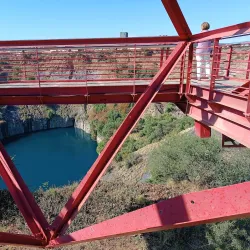
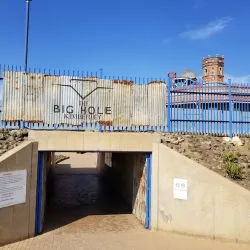
The Big Hole is one of Kimberley's most iconic landmarks, known as the largest hand-dug excavation in the world. It was the site of a massive diamond rush in the late 19th century and offers visitors a chance to learn about the diamond mining history through guided tours and exhibits.
The site includes a museum that showcases mining equipment, historical photographs, and artifacts, providing a comprehensive understanding of Kimberley's diamond mining heritage.
Kimberley Mine Museum
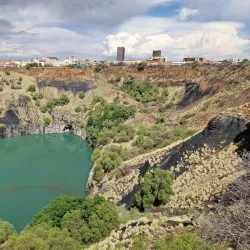
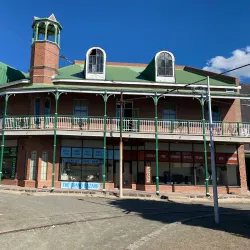

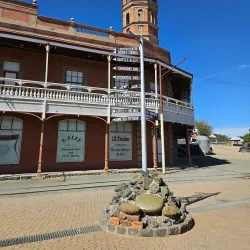
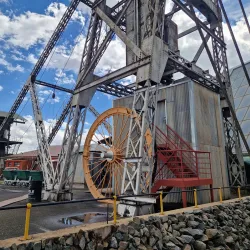
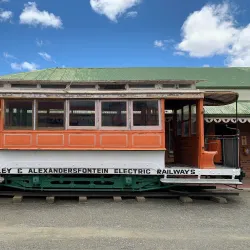
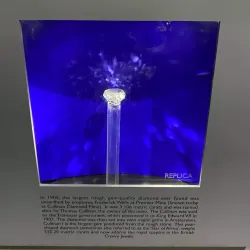
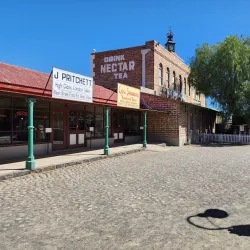
Located adjacent to the Big Hole, the Kimberley Mine Museum offers detailed insights into the diamond mining industry and the lives of miners. The museum features interactive displays, historical documents, and mining tools.
Visitors can explore the history of diamond discovery, mining techniques, and the social impact of the diamond rush on Kimberley and South Africa.
William Humphreys Art Gallery
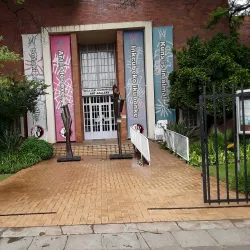
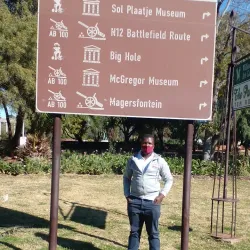

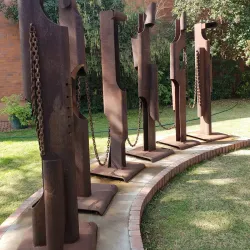
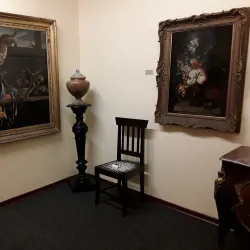


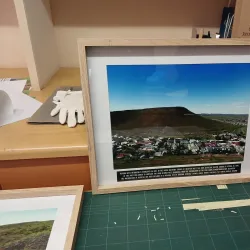

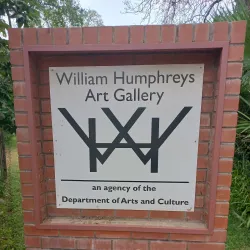
This art gallery houses an impressive collection of South African and international art, including paintings, sculptures, and decorative arts. It is named after William Humphreys, a local philanthropist who contributed significantly to the city's cultural development.
The gallery provides a cultural complement to Kimberley's historical attractions, showcasing the artistic heritage of the region.
McGregor Museum
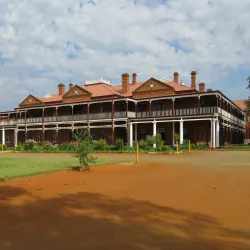
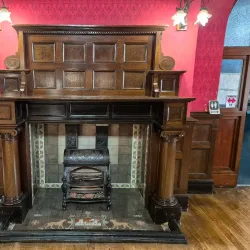
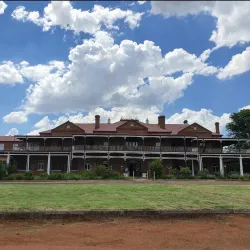
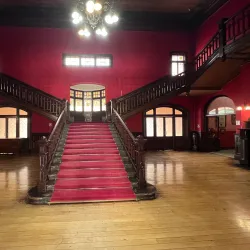
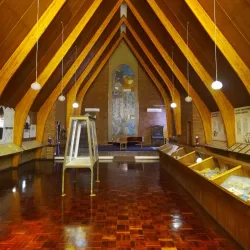
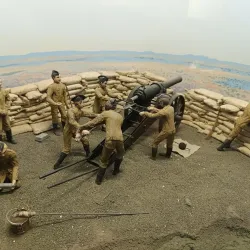
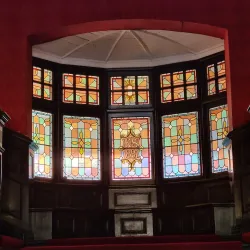
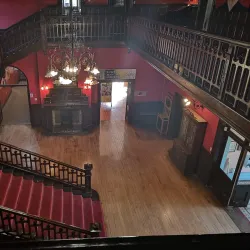
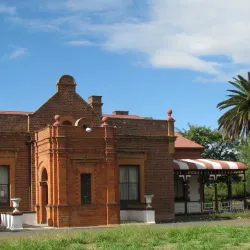
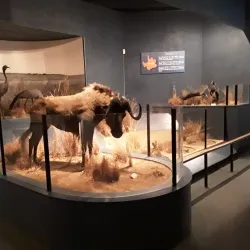
The McGregor Museum is a multidisciplinary museum that covers natural history, archaeology, and cultural history of the Northern Cape region. It offers exhibits on local wildlife, indigenous cultures, and the history of Kimberley.
The museum is an excellent place for visitors interested in the broader context of the region's heritage beyond diamond mining.
Cecil Rhodes Statue and Memorial
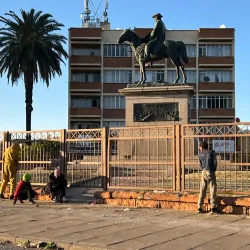
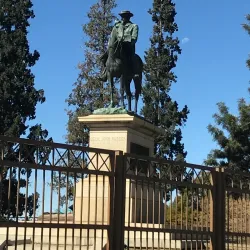

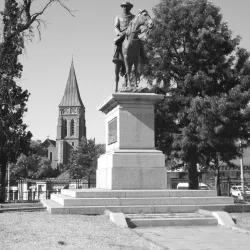
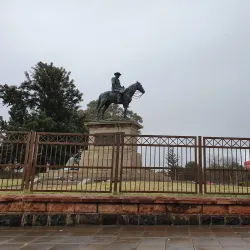



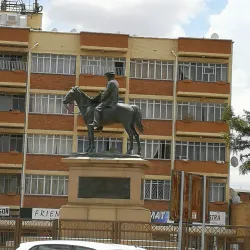
This statue commemorates Cecil Rhodes, a key figure in Kimberley's diamond mining history and colonial expansion. The memorial provides historical context about Rhodes' influence on the city and South Africa.
Visitors can learn about the complex legacy of Rhodes through informative plaques and the surrounding landscaped area.
Sol Plaatje Museum
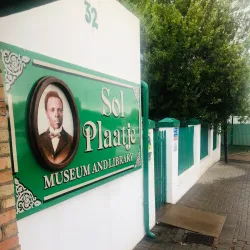



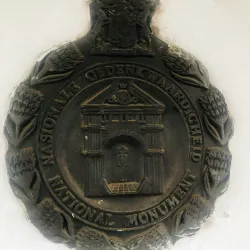



Dedicated to Sol Plaatje, a prominent South African intellectual, writer, and political activist, this museum celebrates his life and contributions to South African history and literature.
The museum offers exhibits on Plaatje's work, his role in the fight against apartheid, and his connection to Kimberley.
Kamfers Dam Nature Reserve
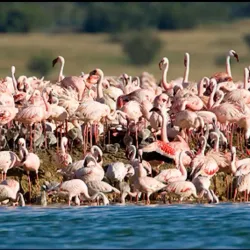


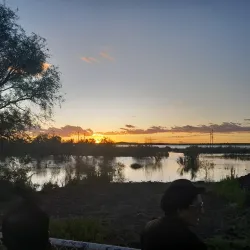



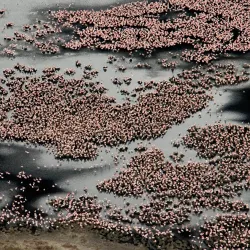
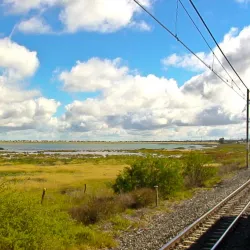
Kamfers Dam is a nature reserve located near Kimberley, known for its birdwatching opportunities, including flamingos and other waterfowl. It provides a peaceful natural setting for outdoor activities and photography.
The reserve is an important wetland area and a great spot for nature lovers visiting Kimberley.
Dutoitspan Mine
Dutoitspan Mine is another historic diamond mine in Kimberley, offering tours that provide insight into underground mining operations and the history of diamond extraction in the area.
Visitors can learn about mining technology and the working conditions of miners during the peak of Kimberley's diamond rush.
Kimberley Club
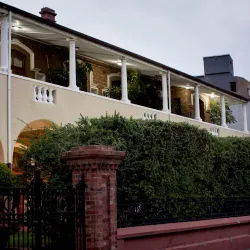
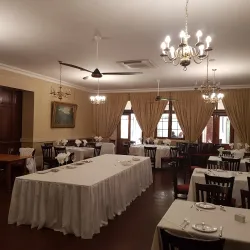
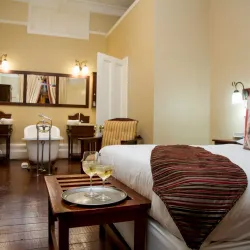
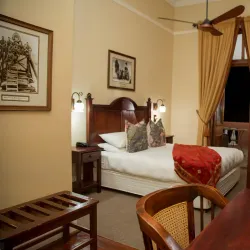
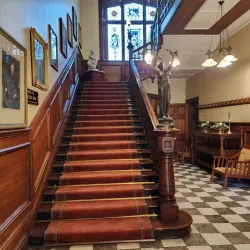
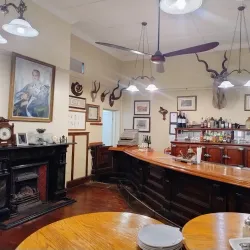
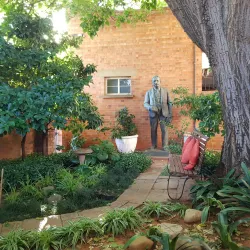
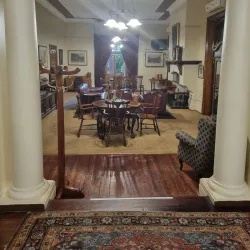

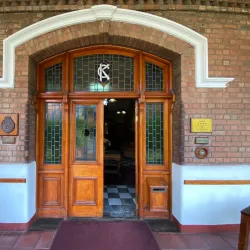
The Kimberley Club is a historic social club established during the diamond rush era. It features colonial architecture and offers a glimpse into the social life of Kimberley's early settlers and mining magnates.
While primarily a private club, the building itself is a point of interest for those interested in Kimberley's colonial past.
Honoured Dead Memorial
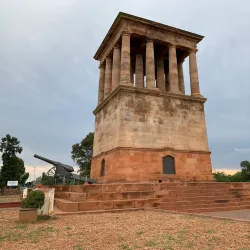

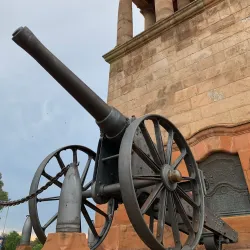


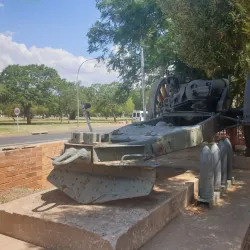
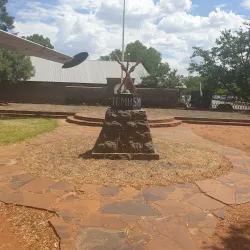
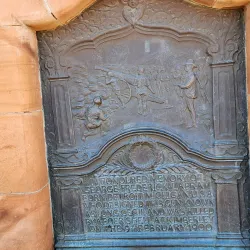
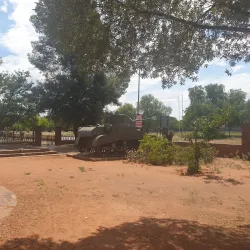
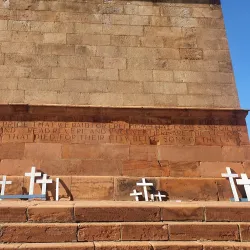
This memorial honors those who died during the Siege of Kimberley in the Anglo-Boer War. It is a significant historical site that commemorates the city's resilience and the impact of the war on the local population.
The memorial is set in a tranquil park area, providing a reflective space for visitors.