Things to do in Springbok
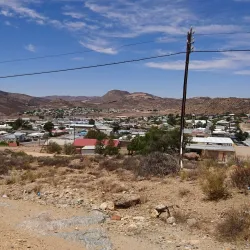
Springbok is a charming town located in the Northern Cape province of South Africa, known for its rich mining history and stunning natural landscapes. It serves as the gateway to the Namaqualand region, famous for its spectacular spring wildflower displays that attract visitors from around the world.The town offers a blend of cultural heritage and outdoor experiences, with opportunities to explore local museums, nature reserves, and historic sites. Springbok's unique environment and friendly community make it an inviting destination for travelers interested in nature, history, and South African culture.Goegap Nature Reserve
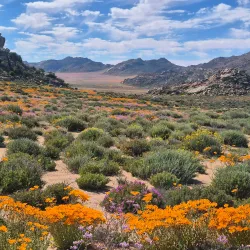
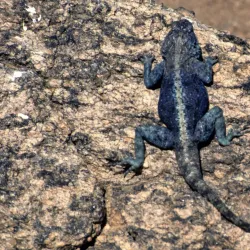
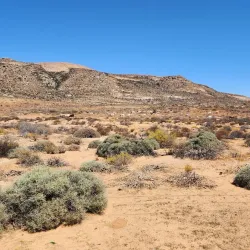
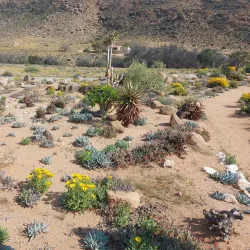
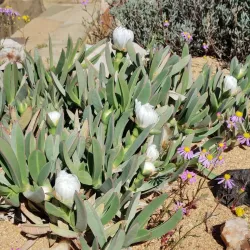
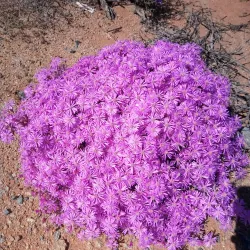
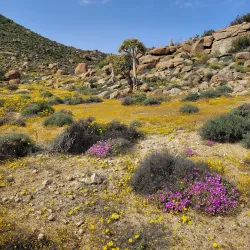
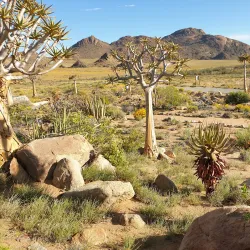
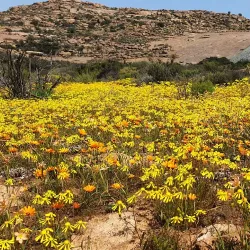
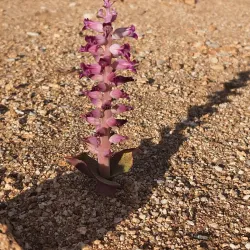
Goegap Nature Reserve is a protected area near Springbok renowned for its diverse flora and fauna, especially during the spring wildflower season when the reserve bursts into color. It offers hiking trails, picnic spots, and opportunities to see wildlife such as antelope and various bird species.
The reserve is a prime location for nature lovers and photographers, providing a serene environment to explore the unique Namaqualand ecosystem.
Springbok Museum
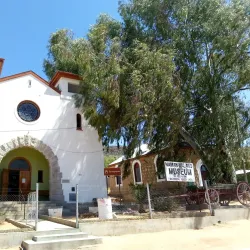

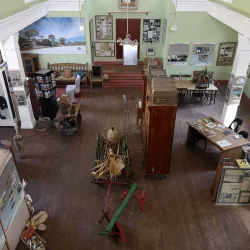
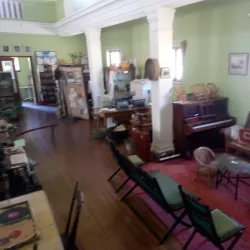
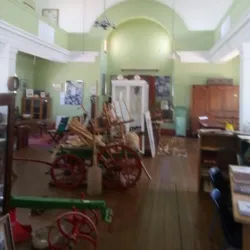
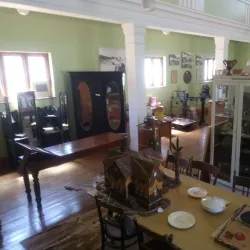
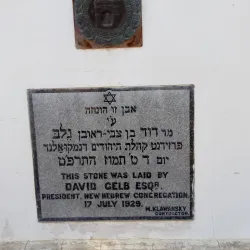
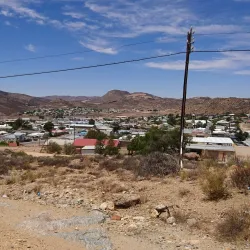
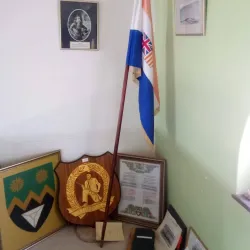

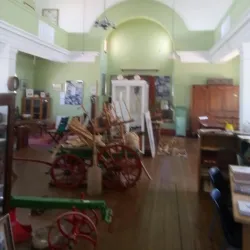
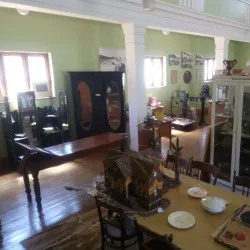
The Springbok Museum provides visitors with insights into the town's mining history and cultural heritage. Exhibits include mining equipment, historical photographs, and artifacts that tell the story of the region's development.
The museum is a valuable stop for those interested in understanding the impact of copper mining on the local community and the broader Northern Cape area.
Namaqualand Wildflower Season
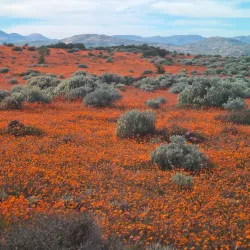
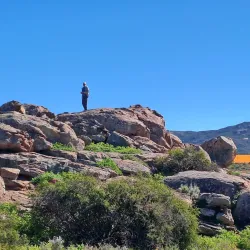
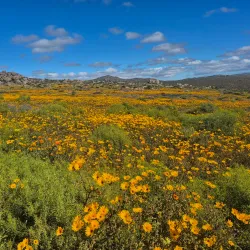
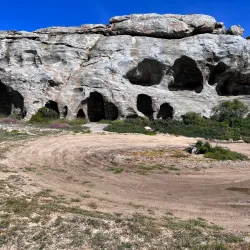
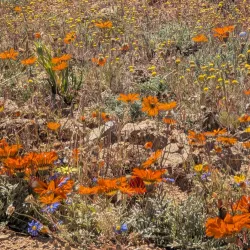
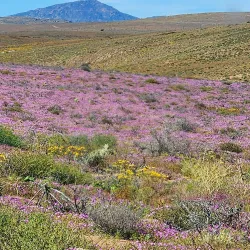
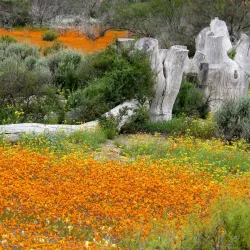
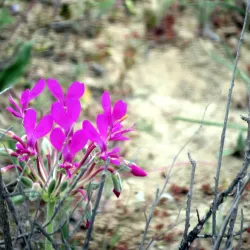
The annual wildflower season in Namaqualand, typically from August to September, is the region's most famous natural event. After winter rains, the normally arid landscape transforms into a vibrant display of colorful flowers.
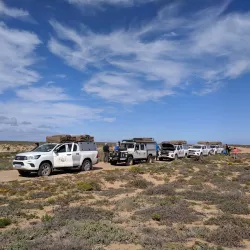
Springbok serves as a central base for exploring the wildflower fields, with guided tours and self-drive routes available to witness this spectacular natural phenomenon.
Klipfontein Mine





The Klipfontein Mine is a historic copper mine near Springbok that played a significant role in the town's development. While no longer operational, the site offers a glimpse into the mining techniques and industrial heritage of the area.
Visitors interested in industrial history and geology may find the mine and its surroundings intriguing, though access may be limited for safety reasons.
Namaqua National Park
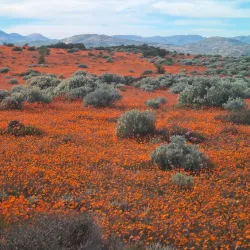
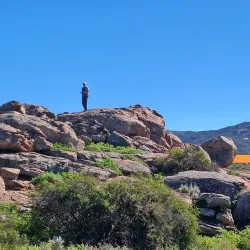
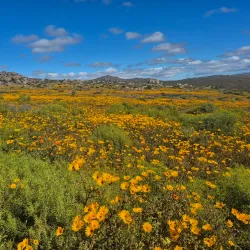
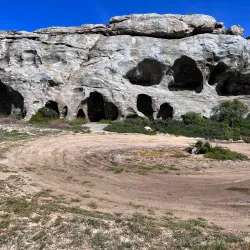
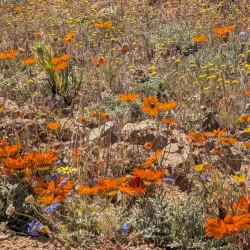
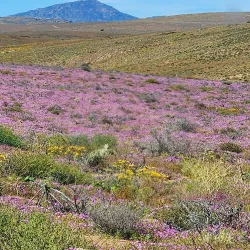
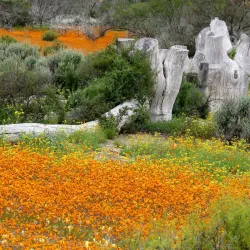
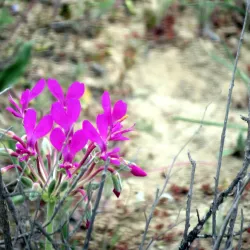
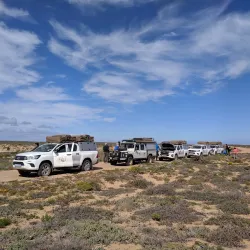
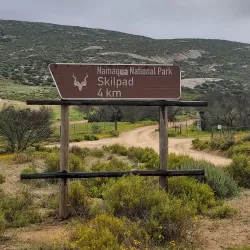
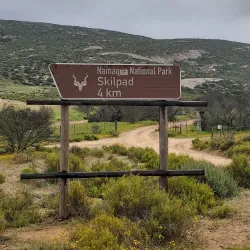
Located a short drive from Springbok, Namaqua National Park is a vast conservation area known for its biodiversity and spectacular spring wildflowers. The park features rugged landscapes, coastal dunes, and rich wildlife.
It is an excellent destination for hiking, birdwatching, and experiencing the unique flora and fauna of the Namaqualand region.
Springbok Golf Course








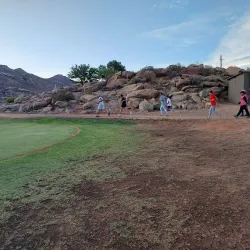

The Springbok Golf Course offers a scenic and relaxing environment for golf enthusiasts. Surrounded by the natural beauty of the Northern Cape, it provides a pleasant recreational option for visitors and locals alike.
The course is well-maintained and suitable for players of various skill levels.
Copperton Ghost Town
Copperton is a former mining town near Springbok that has been largely abandoned, offering a fascinating glimpse into the past mining boom in the region. The ghost town features old buildings and mining infrastructure.
Exploring Copperton provides a unique historical experience and insight into the lives of miners and their families during the height of copper mining.
Springbok Botanical Garden
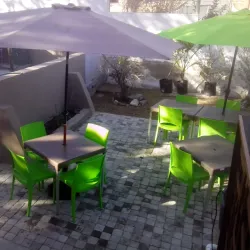
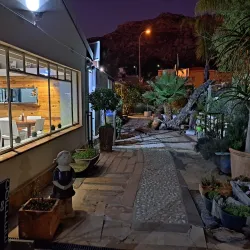



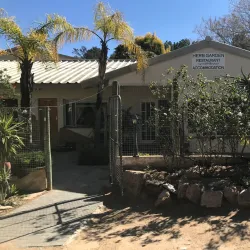



The Springbok Botanical Garden showcases indigenous plants of the Namaqualand region, including succulents and wildflowers. It is a peaceful spot for visitors to learn about local flora and enjoy a leisurely walk.
The garden supports conservation efforts and environmental education in the community.
Hiking Trails around Springbok
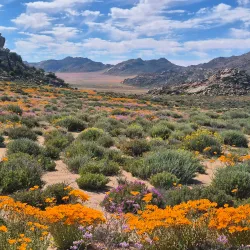
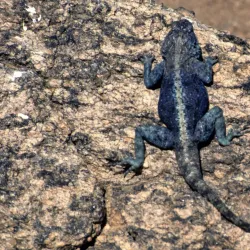
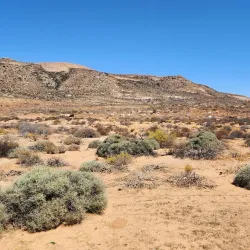
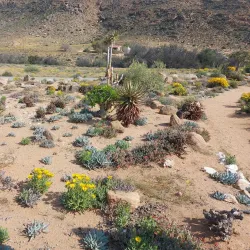
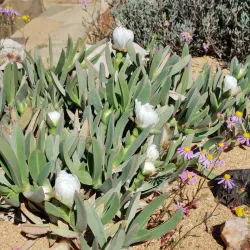
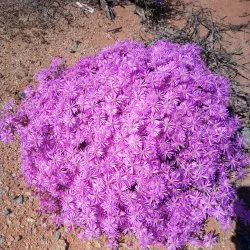
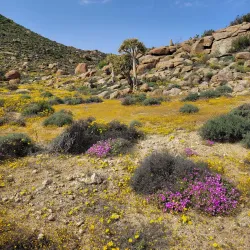
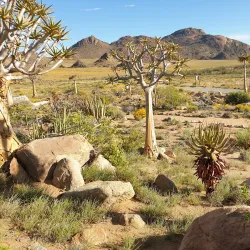
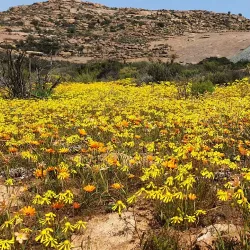
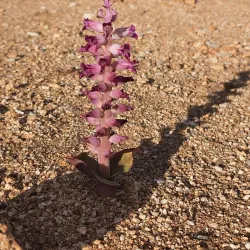
The area surrounding Springbok offers several hiking trails that vary in difficulty and length, allowing visitors to explore the natural beauty and geological features of the region.
Popular trails include routes through the Goegap Nature Reserve and other nearby natural areas, providing opportunities for wildlife viewing and photography.
Nama Cultural Village
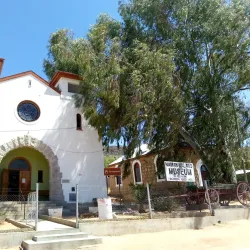

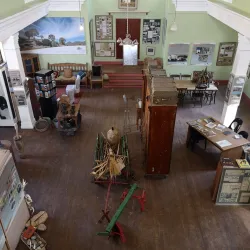
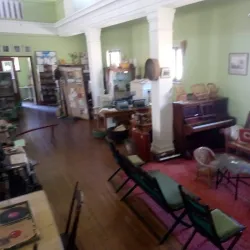
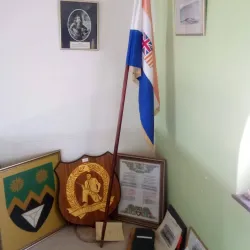
The Nama Cultural Village near Springbok provides an immersive experience into the traditions and lifestyle of the Nama people, one of the indigenous groups of the region.
Visitors can learn about traditional crafts, music, dance, and storytelling, gaining a deeper appreciation of the local cultural heritage.