Things to do in Ganghwa-gun
Ganghwa-gun is a county located in Incheon, South Korea, known for its rich historical heritage, scenic landscapes, and cultural sites. It offers a blend of natural beauty and historical landmarks, making it a popular destination for visitors interested in exploring Korea's past and enjoying outdoor activities.The area is characterized by its rural charm, ancient fortresses, temples, and unique geological formations. Ganghwa-gun is also famous for its traditional markets and local cuisine, providing a comprehensive cultural experience.Ganghwa Dolmen Sites
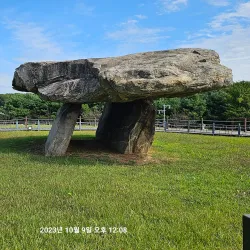
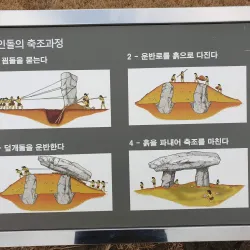
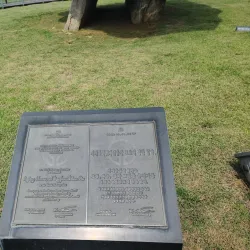
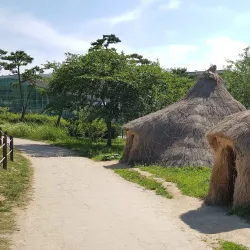
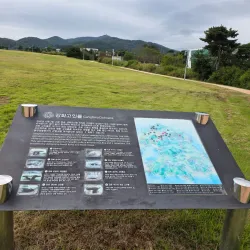
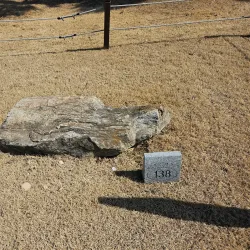
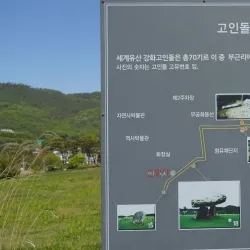
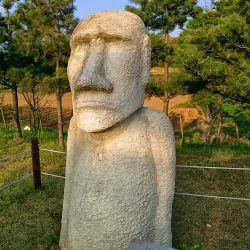
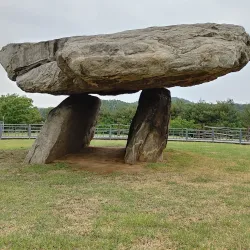
These prehistoric stone tombs are part of a UNESCO World Heritage site and represent one of the largest collections of dolmens in Korea. They provide insight into the ancient burial practices and megalithic culture of the region.
Visitors can explore the dolmen fields and learn about their archaeological significance through informative displays and guided tours.
Ganghwa Peace Observatory
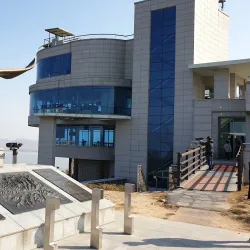
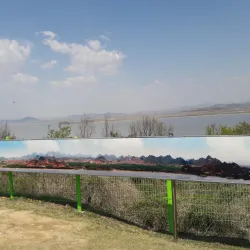
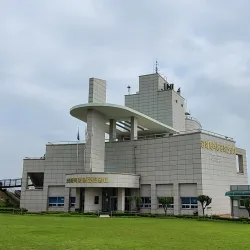
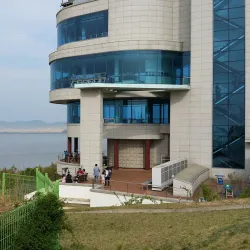
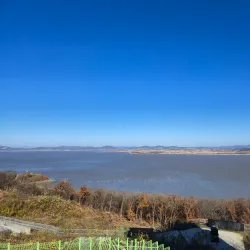
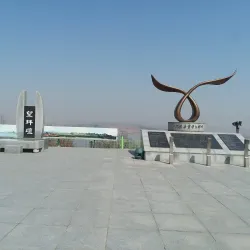
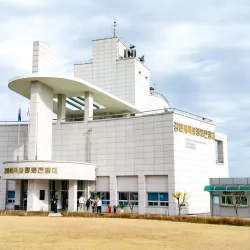
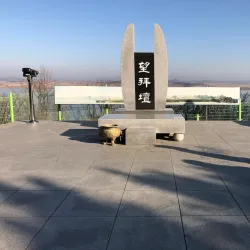
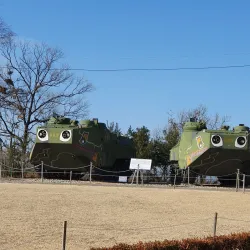

Located near the border with North Korea, this observatory offers a unique vantage point to view North Korean territory. It is a significant site for understanding the Korean Peninsula's division and ongoing peace efforts.
The observatory features binoculars and informational panels that explain the history and current situation of the area.
Jeondeungsa Temple
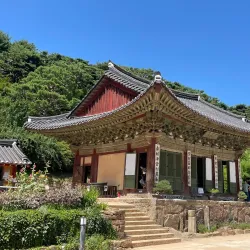
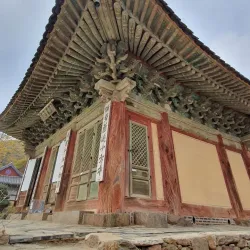
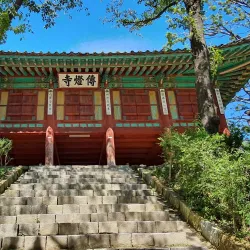
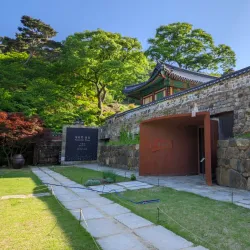
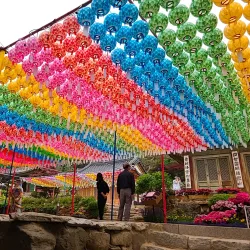
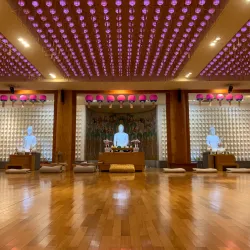
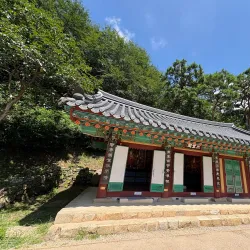
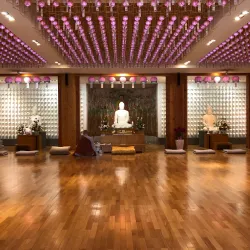
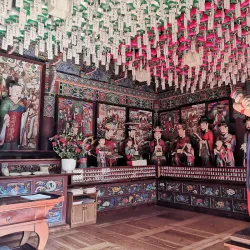
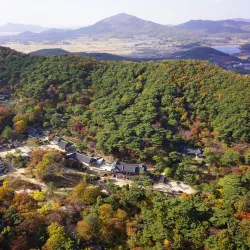
One of the oldest Buddhist temples in Korea, Jeondeungsa is nestled in the mountains of Ganghwa Island. It is known for its serene atmosphere, traditional architecture, and beautiful natural surroundings.
The temple complex includes several historic buildings and offers visitors a glimpse into Korean Buddhist culture and practices.
Ganghwa History Museum

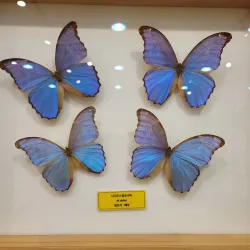
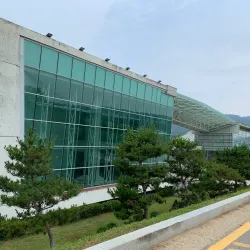

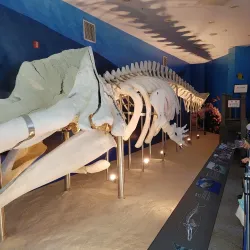
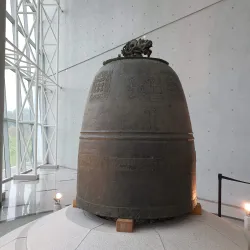



This museum showcases the rich history and cultural heritage of Ganghwa Island, including artifacts from prehistoric times to the modern era.
Exhibits cover topics such as local archaeology, traditional crafts, and the island's role in Korean history.
Goryeosan Mountain
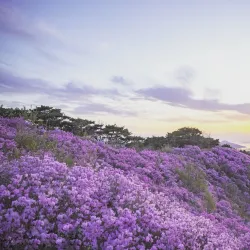
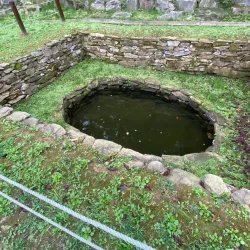
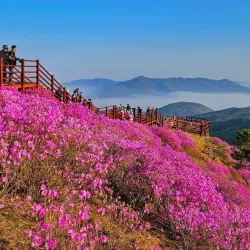
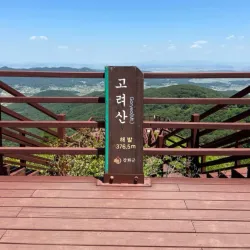
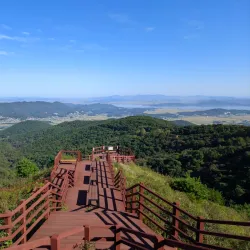
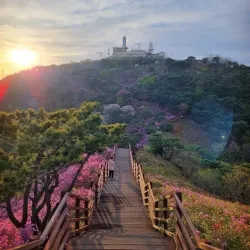
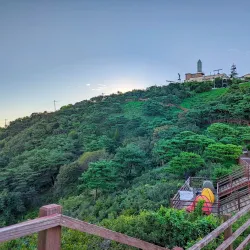
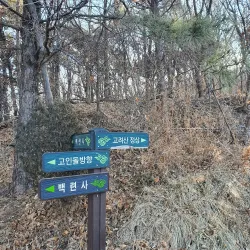
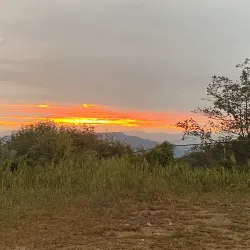
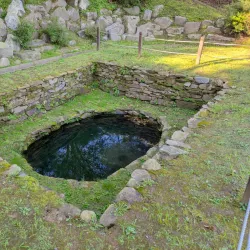
A popular hiking destination, Goryeosan Mountain offers scenic trails and panoramic views of Ganghwa Island and the surrounding sea.
The mountain is also known for its diverse plant life and is a great spot for nature photography and outdoor activities.
Ganghwa Anglican Church
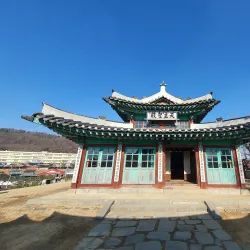
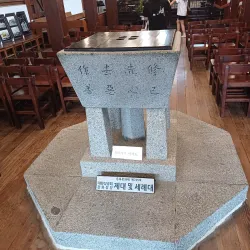
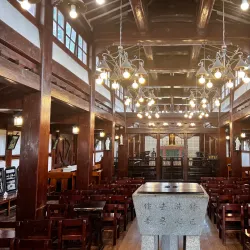
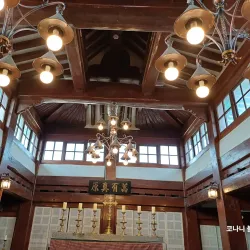
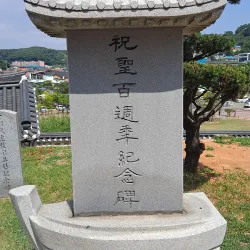
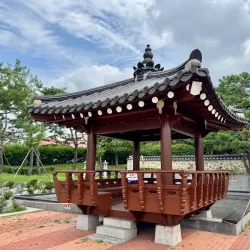
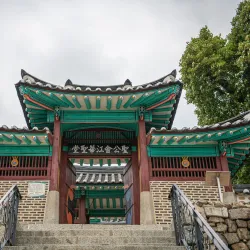
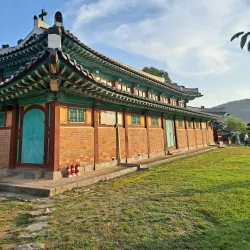
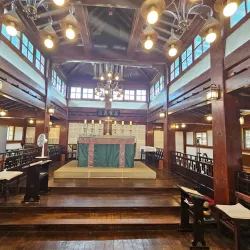
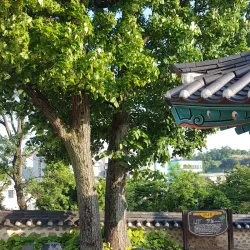
This historic church is one of the oldest Anglican churches in Korea, reflecting the early Christian missionary presence on the island.
The church building is notable for its unique architectural style and cultural significance.
Manisan Mountain and Chamseongdan Altar
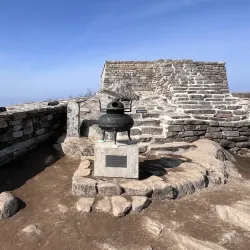
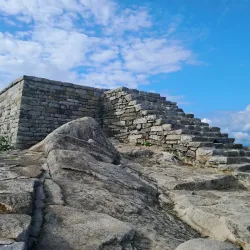
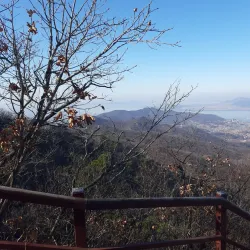
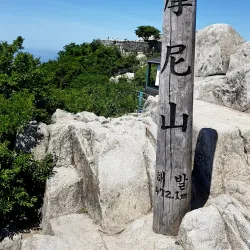
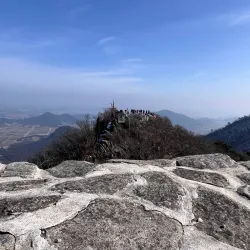
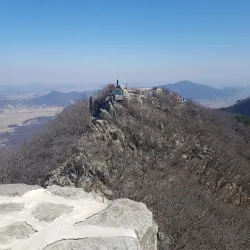
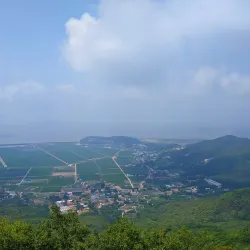
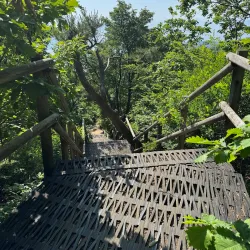
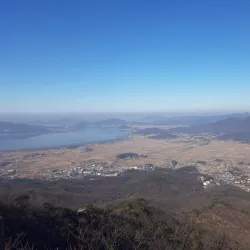
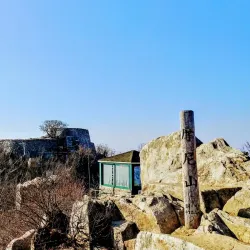
Manisan Mountain is famous for the Chamseongdan Altar, an ancient altar used for shamanistic rituals during the Silla Dynasty.
Hiking to the altar offers both a cultural experience and beautiful natural scenery, making it a must-visit for history enthusiasts and hikers alike.
Dongmak Beach
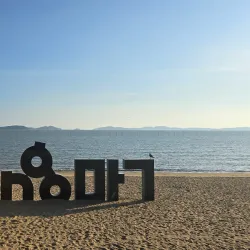
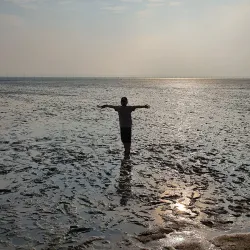
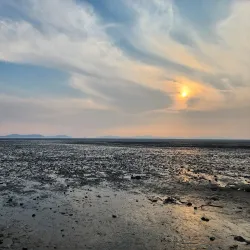
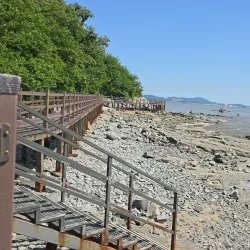
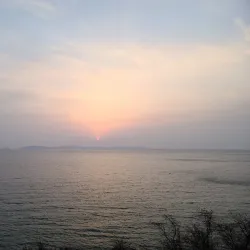
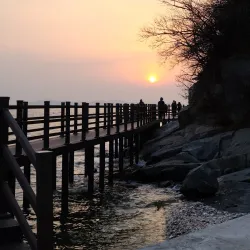

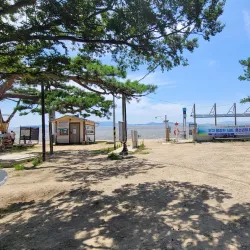
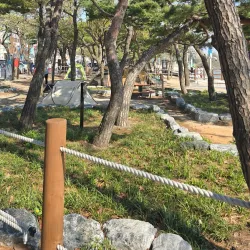

A popular beach destination on Ganghwa Island, Dongmak Beach is known for its clean sand and clear waters.
It is a great spot for swimming, picnicking, and enjoying coastal views, especially during the summer months.
Ganghwa Anglican Cathedral
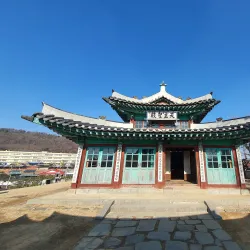
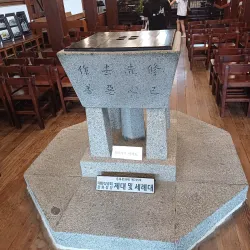
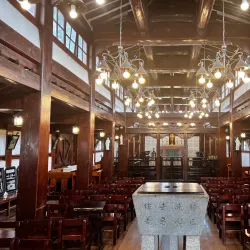
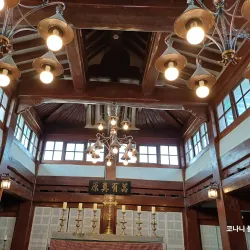
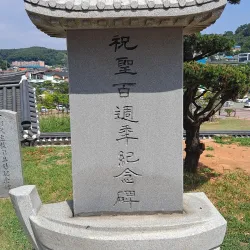
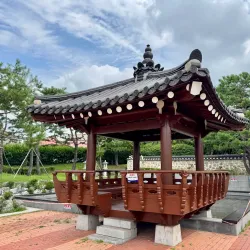
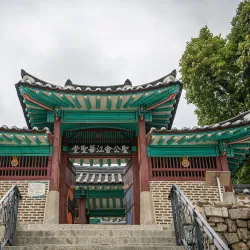
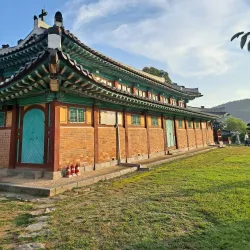
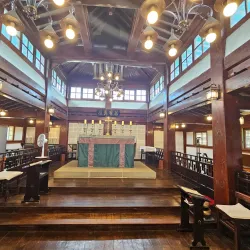
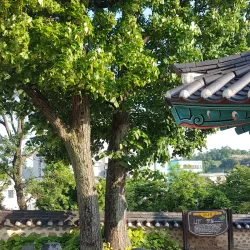
Another significant religious site, this cathedral is known for its historical and architectural value.
It serves as a cultural landmark representing the Christian heritage of the region.
Seokmodo Island
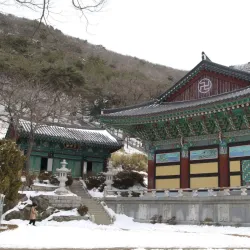
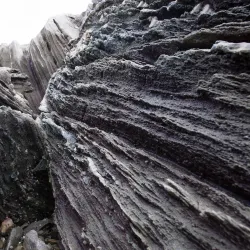

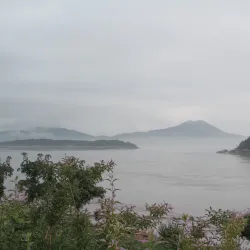
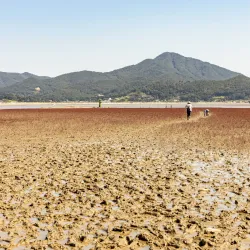


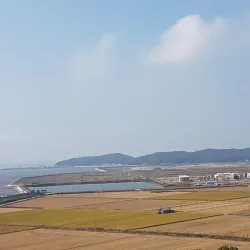
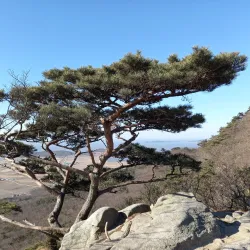
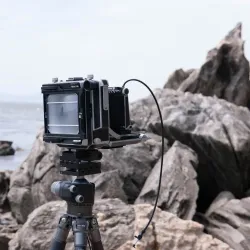
A smaller island near Ganghwa, Seokmodo is known for its tranquil environment, hiking trails, and beautiful coastal scenery.
It is ideal for visitors looking to escape the busier tourist spots and enjoy nature and quiet beaches.