
Quality of life in Gumi
Cost of Living, Healthcare, Safety, Education, and More
About Gumi
Gumi, located in South Korea, is a city renowned for its industrial significance and vibrant cultural scene. Known as the 'Silicon Valley of South Korea,' Gumi is a hub for electronics and manufacturing, hosting major companies like Samsung and LG. This industrial prowess is complemented by a rich cultural heritage, making Gumi a unique blend of tradition and modernity.The city is characterized by its dynamic economy, driven by technological advancements and a skilled workforce. Gumi's strategic location and infrastructure make it an attractive destination for businesses and tourists alike. The city's commitment to innovation and sustainability is evident in its urban planning and community initiatives.


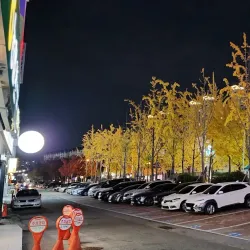


History and Culture
Gumi's history dates back to ancient times, with its development accelerating during the 20th century as it became a focal point for South Korea's industrialization. The city's transformation into an industrial powerhouse began in the 1960s, driven by government initiatives to boost economic growth.
Culturally, Gumi is a melting pot of traditional Korean customs and modern influences. The city hosts various cultural festivals throughout the year, celebrating everything from traditional music and dance to contemporary art. Notable cultural institutions include the Gumi Culture and Arts Center, which offers a range of performances and exhibitions.
Gumi's ethnic diversity is reflected in its culinary scene, where traditional Korean dishes are served alongside international cuisine. The city's cultural landmarks, such as the Geumosan Mountain and its surrounding parks, offer residents and visitors a glimpse into the natural beauty and historical significance of the region.
Things to do in Gumi
Visitors to Gumi can explore a variety of attractions and activities. Geumosan Mountain is a popular destination for hiking and enjoying panoramic views of the city. The mountain is also home to the Haeunsa Temple, a serene spot for reflection and cultural appreciation.
For those interested in technology and industry, the Gumi Industrial Complex offers tours that showcase the city's manufacturing capabilities and technological innovations. The Gumi Science Center is another must-visit, providing interactive exhibits and educational programs for all ages.
Cultural enthusiasts will enjoy the Gumi Culture and Arts Center, which hosts performances ranging from traditional Korean music to modern theater. The city's vibrant food scene, featuring local markets and restaurants, offers a taste of both traditional Korean flavors and international dishes.
Quality of Life Rankings
Weather in Gumi
Gumi, South Korea experiences a humid subtropical climate characterized by hot, humid summers and cold, dry winters. The city receives an average annual precipitation of approximately 43 inches (1100 mm), with July being the wettest month, averaging 11 inches (280 mm) of rainfall.
Seasonal Breakdown
- Spring (March to May)Temperatures gradually rise from an average high of 54°F (12°C) in March to 75°F (24°C) in May. Rainfall increases during this period, with May receiving significant precipitation, averaging around 4 inches (100 mm).
- Summer (June to August)The hottest months, with average highs ranging from 82°F (28°C) in June to 88°F (31°C) in July. Rainfall is at its peak in July, averaging around 11 inches (280 mm) due to the monsoon season.
- Autumn (September to November)Temperatures gradually decrease from an average high of 79°F (26°C) in September to 54°F (12°C) in November. Rainfall decreases significantly, averaging around 3 inches (75 mm) per month.
- Winter (December to February)The coldest period, with average highs ranging from 41°F (5°C) in December to 39°F (4°C) in February. Snowfall is minimal, but occasional snow can occur, averaging about 1 inch (25 mm) in January.
Notable Weather Events
- Summer monsoon season with heavy rainfall in July.
- Occasional cold snaps during winter with minimal snowfall.
- Potential for heatwaves during peak summer months.
Gumi's Political Climate
Gumi, located in South Korea, is a city known for its dynamic political climate, which is heavily influenced by its industrial background and economic priorities. As a major hub for electronics and manufacturing, Gumi's political landscape is shaped by policies that support industrial growth and technological advancement. The city's governance is focused on maintaining a business-friendly environment while balancing social welfare and environmental sustainability.
Historically, Gumi has been a stronghold for conservative political parties, reflecting the broader national trends in South Korea. The city's leadership often aligns with policies that promote economic development and infrastructure investment. However, there is a growing movement towards more progressive policies, particularly in areas such as environmental sustainability and social equity. This shift is partly driven by younger generations who are more engaged in political discourse and advocacy.
Recent political trends in Gumi include a push for green technology and sustainable urban development. The city has implemented several initiatives aimed at reducing carbon emissions and promoting renewable energy sources. These efforts are part of a broader national strategy to address climate change and enhance South Korea's global competitiveness in green industries.
Political Quick Facts
- Voter Turnout65%
- City GovernanceMayor-Council
- CompositionMajority Conservative with a growing presence of Progressive members
- Recent Political ChangesIncreased focus on green technology and sustainable development policies
- EngagementModerate, with increasing youth participation
- Political ScorecardB+ for governance and transparency
- Legislative PrioritiesIndustrial growth and technological advancement Environmental sustainability Social equity and welfare
- Public OpinionGenerally conservative with a growing progressive influence among younger residents
Notable Political Figures
- Kim Joon-hoCurrent Mayor of Gumi, known for his pro-business policies and focus on industrial development.
- Lee Min-kyungCity Council Member advocating for environmental sustainability and green policies.
- Park Soo-jinLocal activist and leader in the youth political engagement movement.