Things to do in Gwangju
Gwangju is a vibrant city in South Korea known for its rich history, cultural heritage, and artistic spirit. It is a hub for democracy movements and traditional Korean culture, blending modern urban life with historical significance.The city offers a variety of experiences from exploring museums and art galleries to enjoying beautiful parks and traditional markets. Gwangju's neighborhoods are lively and welcoming, making it a great destination for travelers interested in Korean culture and history.May 18th National Cemetery
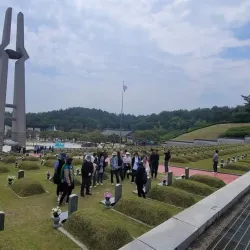
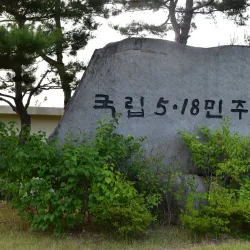
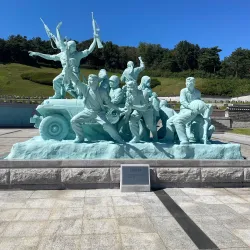
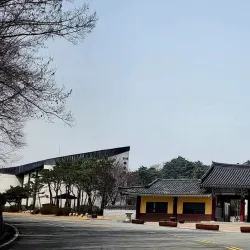
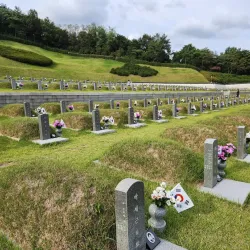
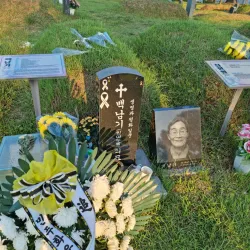
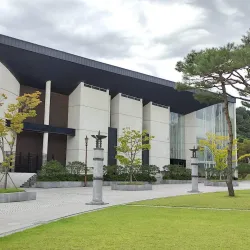
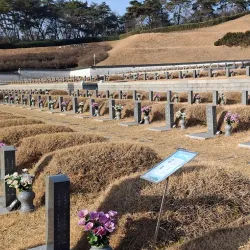
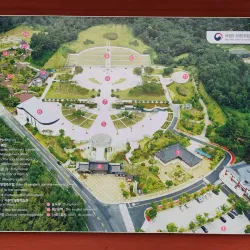
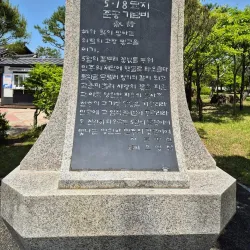
This cemetery commemorates the victims of the Gwangju Uprising in May 1980, a pivotal event in South Korea's struggle for democracy. It is a solemn and important site for understanding the city's modern history.
The cemetery features monuments, memorials, and a museum that provides detailed information about the uprising and its significance.
Gwangju Biennale Exhibition Hall
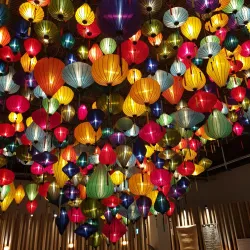
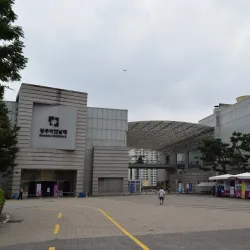
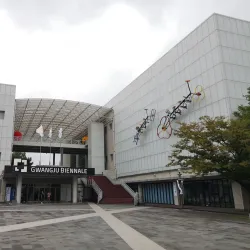
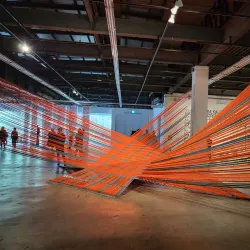
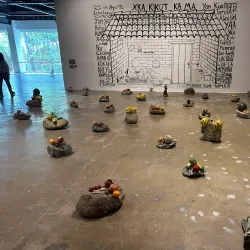
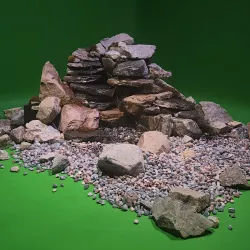
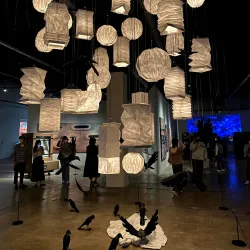
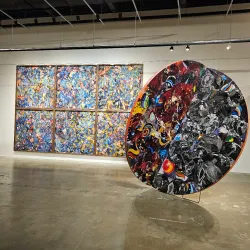
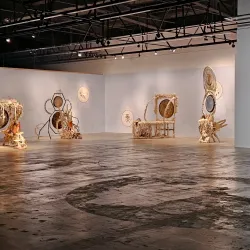
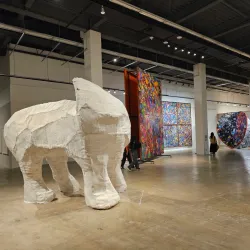
The Gwangju Biennale is one of Asia's most prestigious contemporary art festivals, held every two years. The exhibition hall showcases cutting-edge artworks from international artists.
Visitors can experience innovative art installations, performances, and exhibitions that reflect global and local cultural themes.
Gwangju Folk Museum
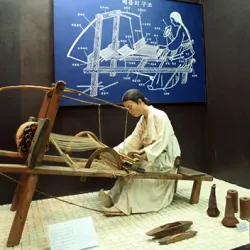
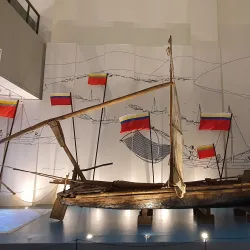
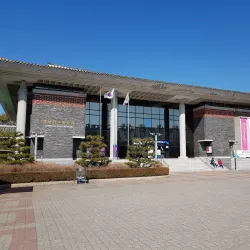
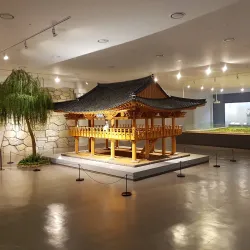
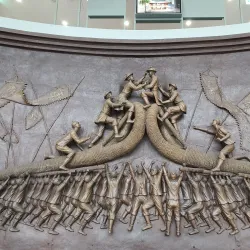
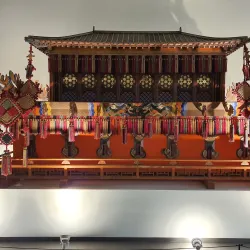
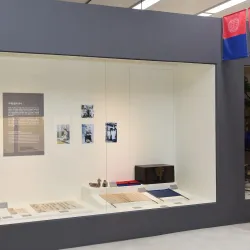
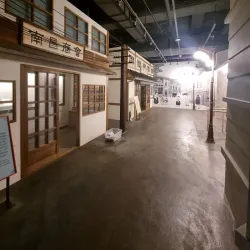
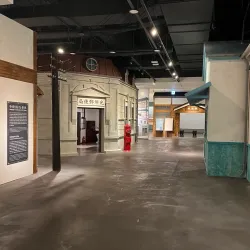
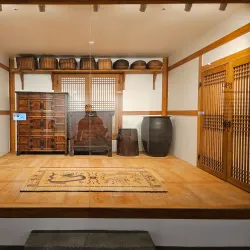
This museum offers insights into the traditional lifestyle and culture of the Gwangju region. Exhibits include folk artifacts, traditional clothing, and historical documents.
It is an excellent place to learn about the customs and heritage of the local people.
Mudeungsan National Park
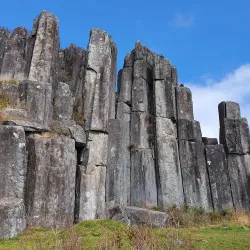
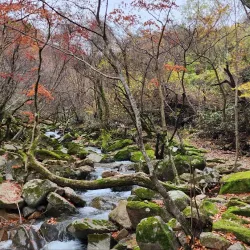
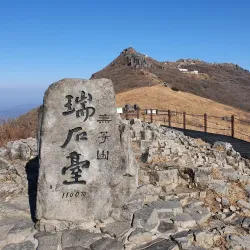
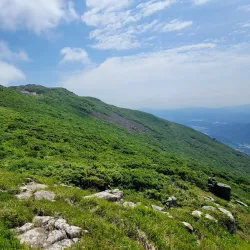
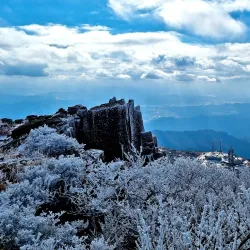
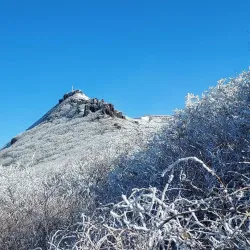
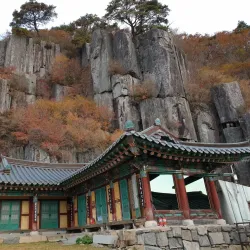
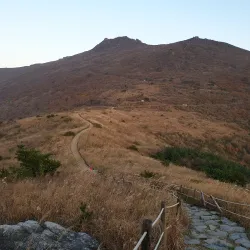
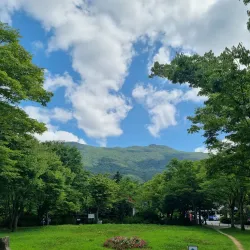
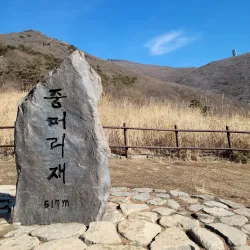
A natural landmark surrounding Gwangju, Mudeungsan National Park is known for its scenic hiking trails, granite peaks, and diverse flora and fauna.
The park is popular for outdoor activities such as hiking, rock climbing, and enjoying panoramic views of the city and surrounding landscapes.
Yangnim-dong Mural Village
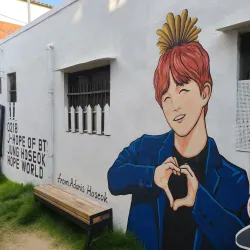
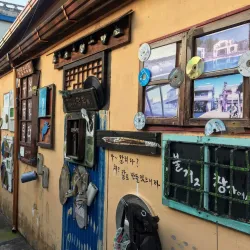
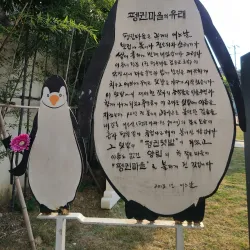
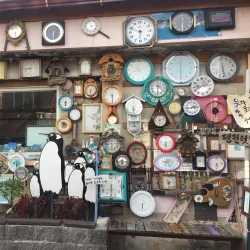
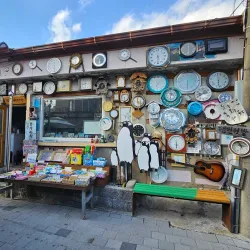
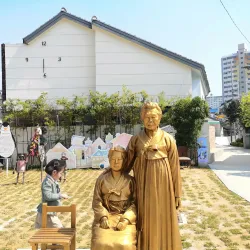
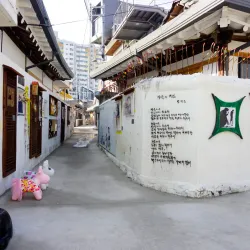
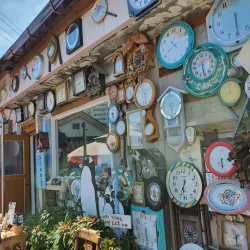
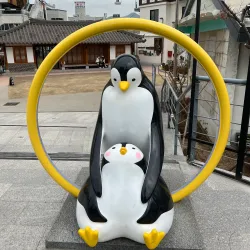
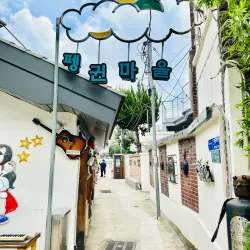
This charming neighborhood is famous for its colorful murals and street art created by local artists. It offers a picturesque setting for leisurely walks and photography.
The village reflects the creative spirit of Gwangju and provides a unique cultural experience.
Gwangju Art Street
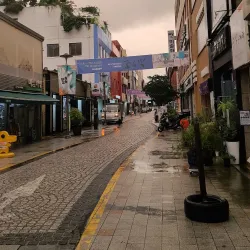
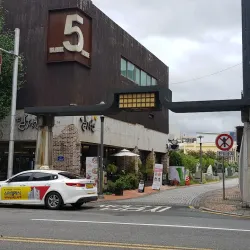
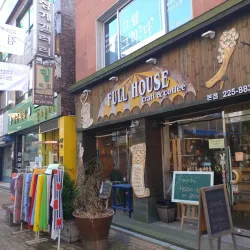
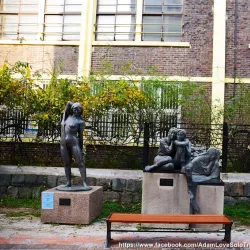
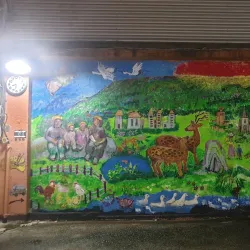
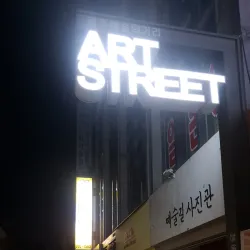
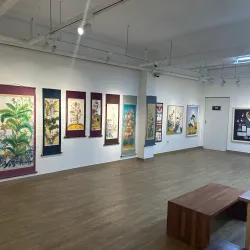
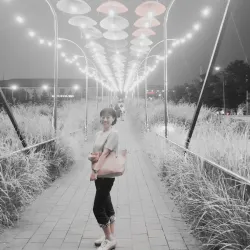
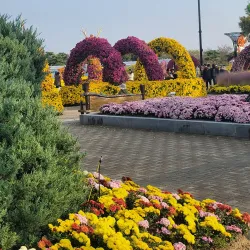
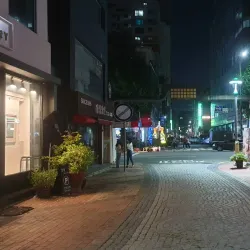
A vibrant area filled with galleries, cafes, and shops dedicated to art and crafts. It is a hub for local artists and a great place to buy unique souvenirs.
The street often hosts art events and performances, making it a lively cultural spot.
Asia Culture Center
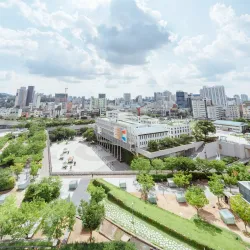
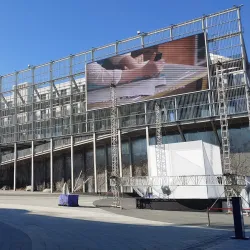
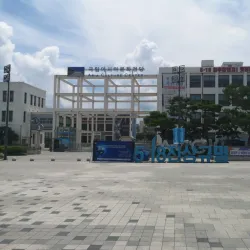
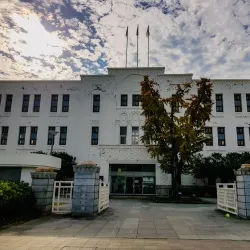
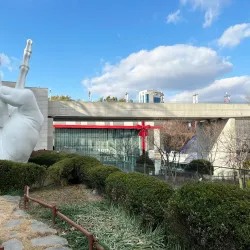
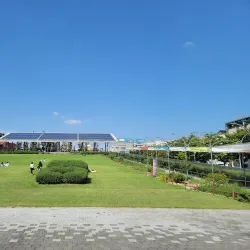
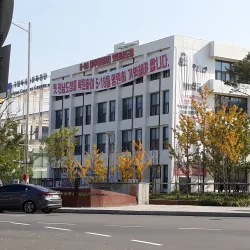
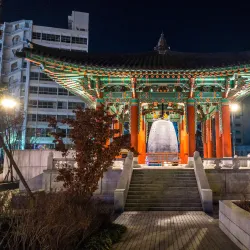
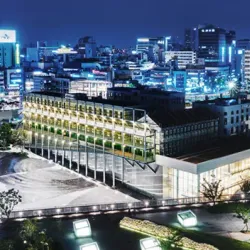
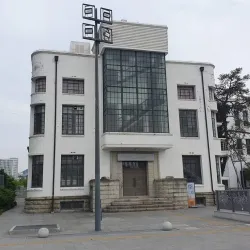
This cultural complex is dedicated to promoting Asian arts and culture. It hosts exhibitions, performances, workshops, and conferences.
The center is a modern architectural landmark and a focal point for cultural exchange in Gwangju.
Gwangju National Museum
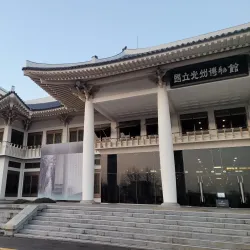
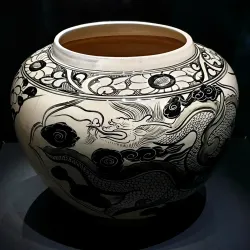
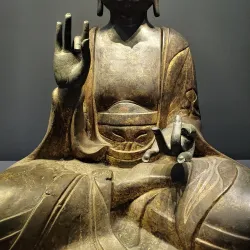
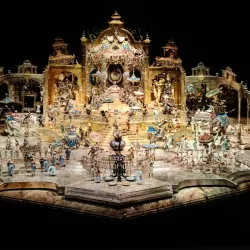
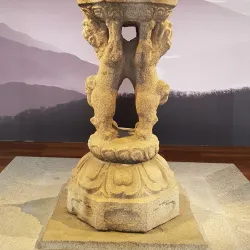
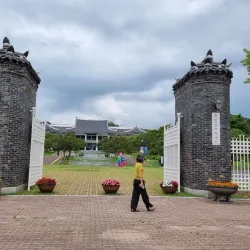
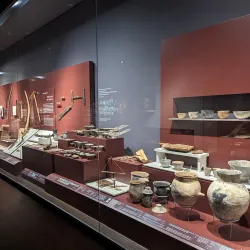
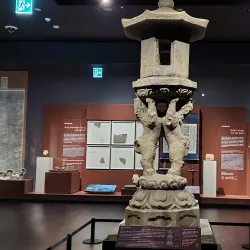
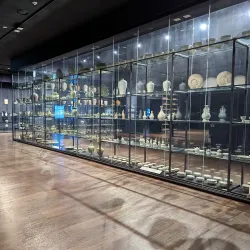
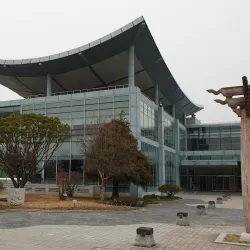
The museum showcases artifacts from the prehistoric era to modern times, including pottery, sculptures, and historical relics from the Jeolla region.
It provides a comprehensive overview of the area's history and cultural development.
Pungam Reservoir Park
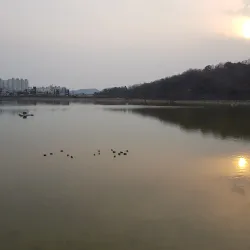
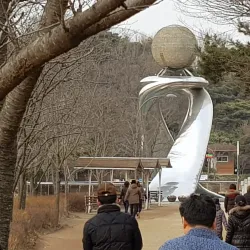
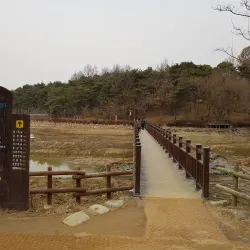
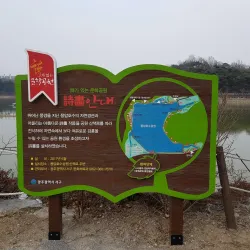
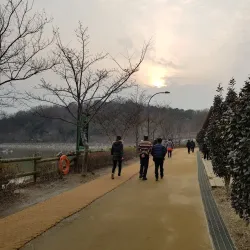
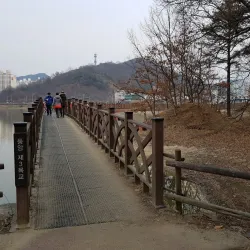
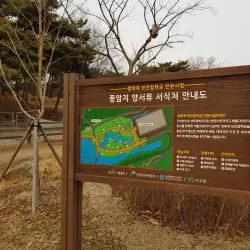
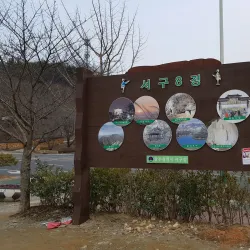
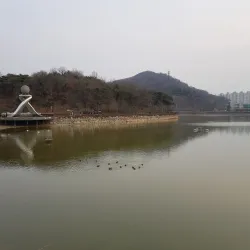
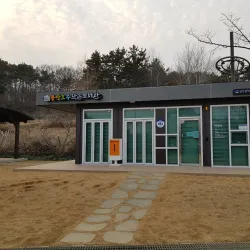
A peaceful park surrounding a reservoir, offering walking paths, picnic areas, and beautiful views. It is a popular spot for relaxation and outdoor activities.
The park is especially scenic during the spring and autumn seasons.
1913 Songjeong Station Market
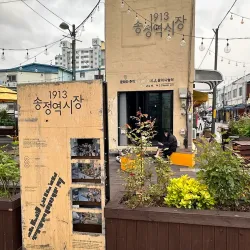
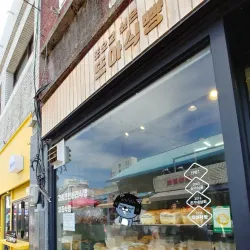
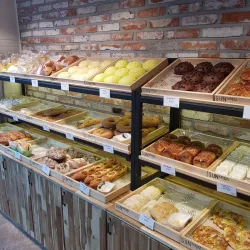
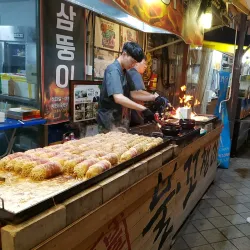
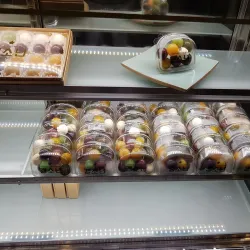
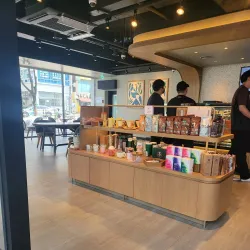
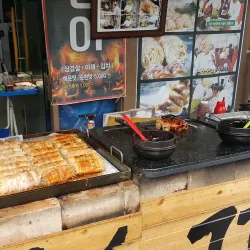
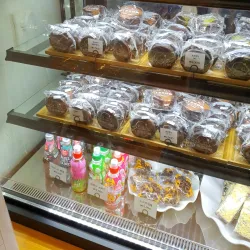
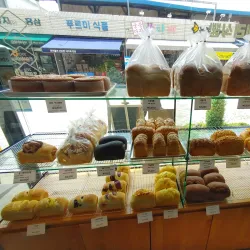
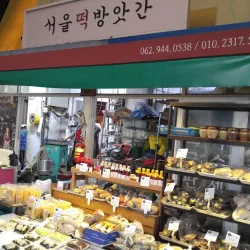
A traditional market that has been revitalized with modern touches, offering local food, crafts, and fresh produce.
The market is a great place to experience local flavors and the everyday life of Gwangju residents.