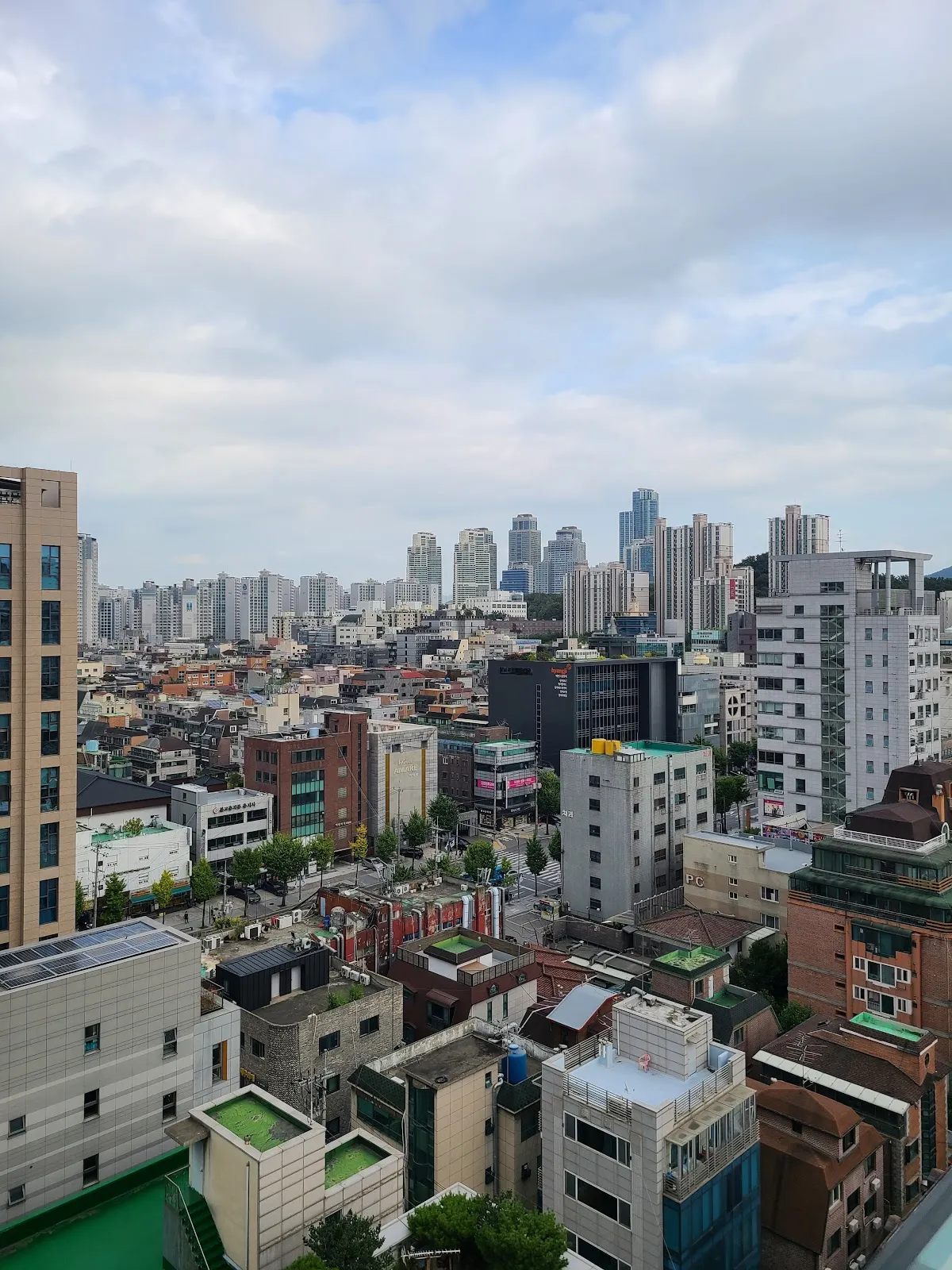
Job market in Gyeongju
Gyeongju, known for its rich cultural heritage, is experiencing a dynamic shift in its job market as it enters 2024.The city's economy is bolstered by tourism, manufacturing, and technology sectors, each playing a crucial role in its development.Recent infrastructure projects, such as the expansion of transportation networks, are expected to enhance job growth and attract new businesses.Gyeongju's job market is poised for growth, with emerging sectors like renewable energy and digital services gaining traction.Top Industries in Gyeongju
Tourism
Manufacturing
Technology
Renewable Energy
Employment Trends and Growth Rates
Gyeongju is witnessing a steady increase in employment opportunities, particularly in the tech and renewable energy sectors.
The city's job market is characterized by a moderate job turnover rate, with a growing demand for skilled professionals.
Income inequality remains a concern, but efforts are being made to provide equitable job opportunities across various sectors.
Job Market for Remote and Freelance Workers in Gyeongju
Remote work is becoming more prevalent in Gyeongju, especially in the tech and digital marketing industries.
Local companies are increasingly offering remote positions, aligning with the national trend of 35% of workers engaging in remote work.
Platforms like WorknPlay and Seoul Global Center provide resources for remote job seekers in Gyeongju.
Job Resources and Networking
Gyeongju offers a variety of job resources, including local job boards and career fairs.
The Gyeongju Job Center provides career counseling and job placement services.
Local platforms such as Saramin and JobKorea are popular for job searches in the region.
Entrepreneurial hubs like the Gyeongju Startup Center support tech startups and innovation.