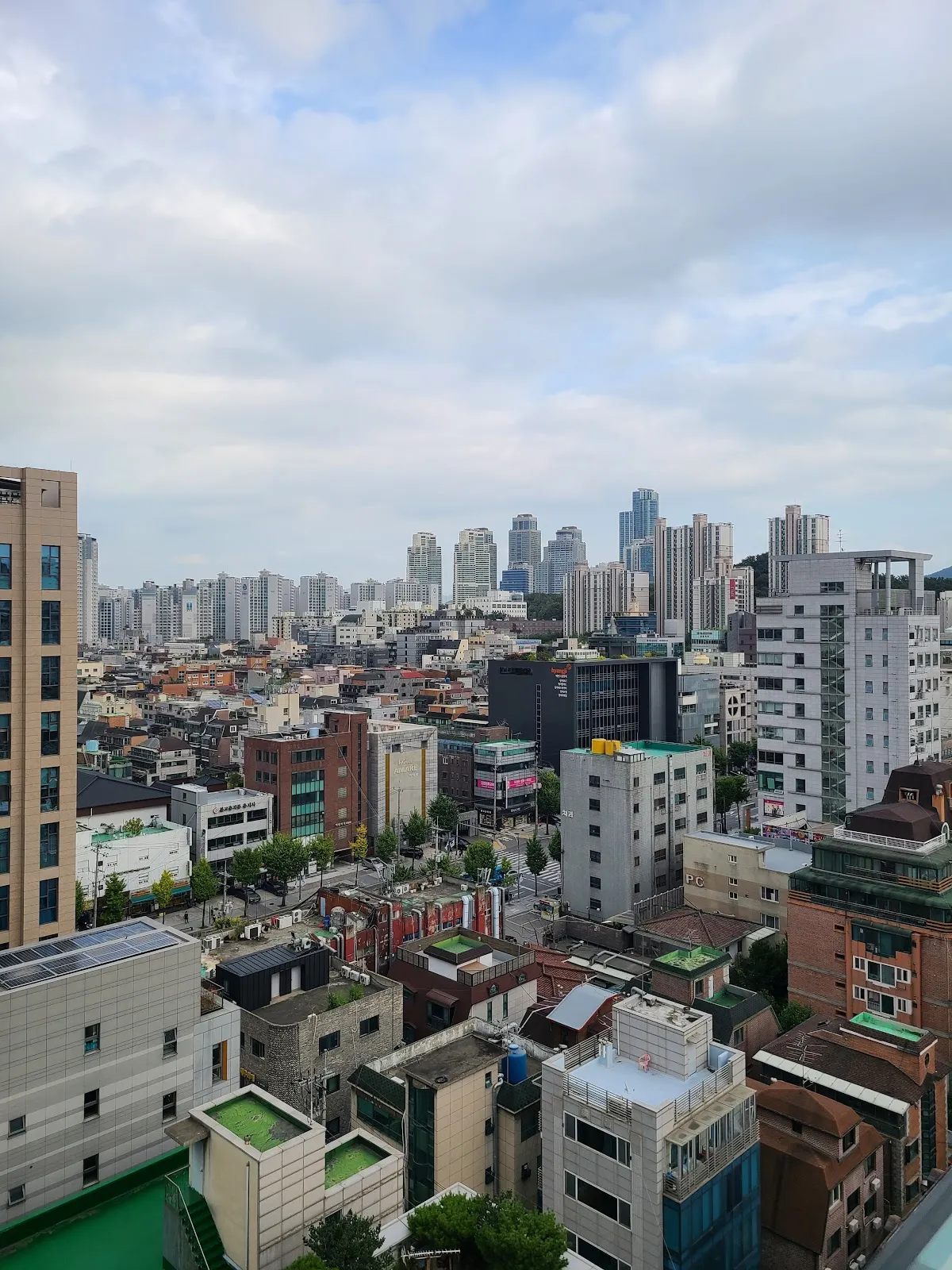
Traffic in Gyeongju
Gyeongju, a city known for its rich history and cultural heritage, faces unique transportation challenges.In 2024, the city is focusing on improving its transportation infrastructure to enhance commuter experiences and reduce environmental impact.Average Commute Times
More Information
Seasonal Trends
Traffic tends to increase during the spring and autumn seasons due to tourism.
Winter months see a slight decrease in traffic as fewer tourists visit the city.
Commuter Pain Points
Limited public transportation options can lead to reliance on personal vehicles.
Tourist influx during peak seasons can cause congestion in popular areas.
Best Travel Times
Early mornings and late evenings are generally the best times to travel to avoid congestion.
Weekdays tend to have less traffic compared to weekends, especially in tourist areas.
Event Impacts
Cultural festivals and events significantly impact traffic, requiring strategic planning to manage congestion.
During major events, additional public transportation services are often provided to accommodate increased demand.
Sustainability Efforts
Gyeongju is investing in green transportation initiatives, including bicycle lanes and electric vehicle charging stations.
The city promotes public transportation and carpooling to reduce traffic congestion and emissions.
Ride-Sharing Impact
Ride-sharing services are gaining popularity, offering flexible transportation options for residents and tourists.
These services help reduce the number of personal vehicles on the road, contributing to decreased traffic congestion.