
Quality of life in Ilsan
Cost of Living, Healthcare, Safety, Education, and More
About Ilsan
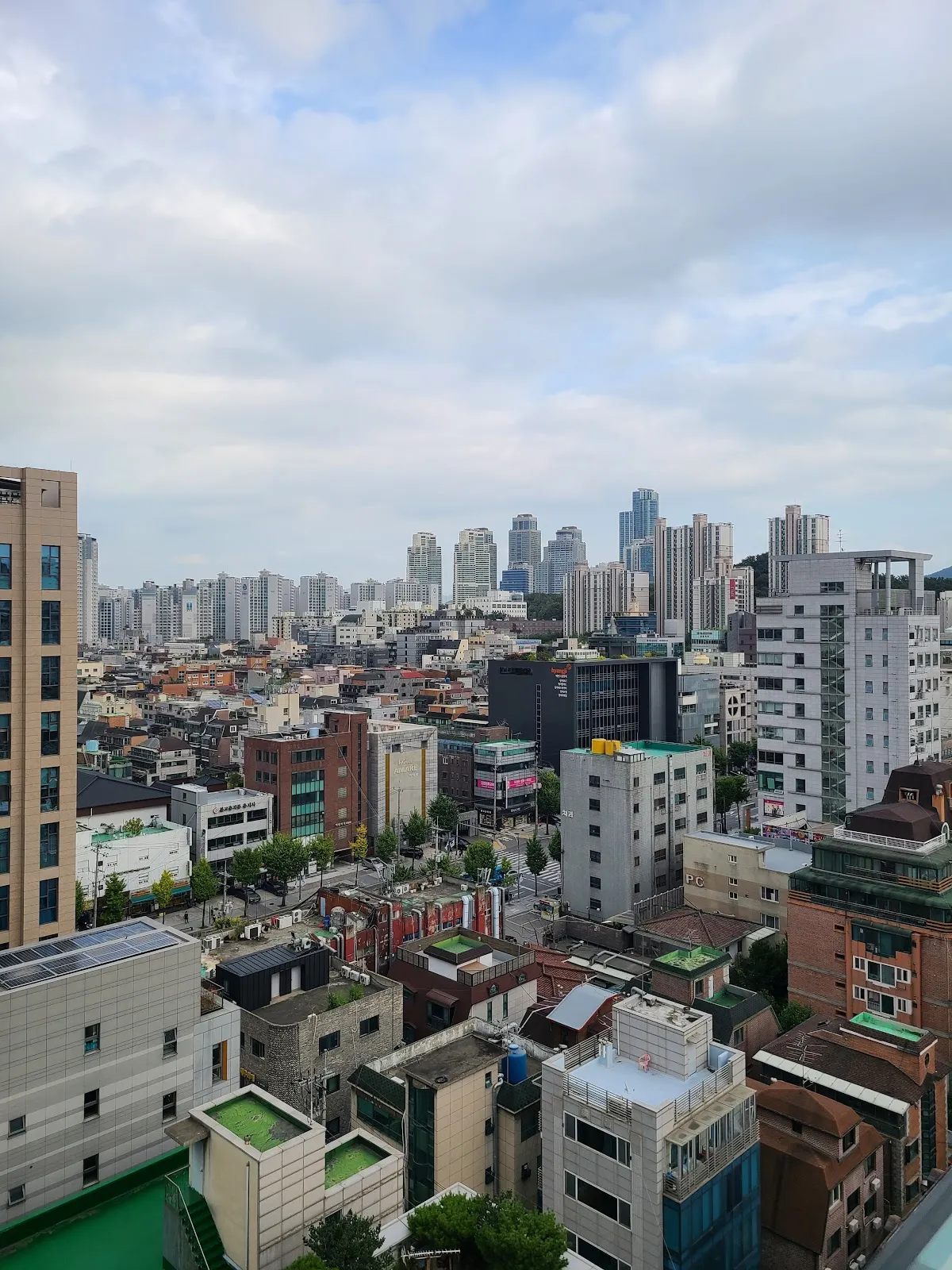
Ilsan, located in South Korea, is a vibrant city known for its harmonious blend of modernity and tradition. As a part of the Goyang city in Gyeonggi Province, Ilsan has rapidly developed into a bustling urban area while maintaining its cultural roots. The city is renowned for its well-planned infrastructure, lush parks, and a thriving arts scene, making it an attractive destination for both residents and visitors.In recent years, Ilsan has emerged as a hub for technology and innovation, attracting numerous businesses and startups. The city's strategic location near Seoul provides easy access to the capital's resources and opportunities, further enhancing its appeal. Ilsan's commitment to sustainability and quality of life is evident in its green spaces and community-focused initiatives.


History and Culture
Ilsan's history is deeply intertwined with the broader narrative of South Korea's development. Originally a rural area, it began to transform in the late 20th century as part of the government's plan to decentralize Seoul's population. This transformation was marked by the construction of modern residential complexes and commercial centers, which laid the foundation for its current status as a thriving urban district.
Culturally, Ilsan is a melting pot of traditional Korean heritage and contemporary influences. The city hosts several cultural festivals throughout the year, celebrating everything from traditional Korean music and dance to modern art and film. The Goyang International Flower Festival is one of the most notable events, attracting visitors from all over the world to witness its stunning floral displays.
Ilsan is also home to several cultural institutions, including museums and galleries that showcase both local and international art. The city's commitment to cultural preservation and innovation is reflected in its support for artists and cultural practitioners, making it a vibrant hub for creative expression.
Things to do in Ilsan
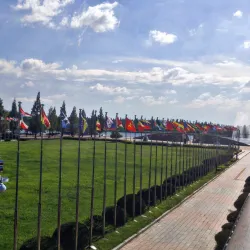
Ilsan offers a wide range of activities and attractions for visitors and residents alike. One of the city's highlights is Lake Park, one of the largest man-made lakes in Asia, which provides a serene environment for walking, cycling, and picnicking. The park is also a popular venue for various cultural events and performances.
For those interested in shopping and entertainment, the Western Dom and Lafesta are major shopping complexes that offer a variety of retail stores, restaurants, and entertainment options. These centers are perfect for experiencing the local lifestyle and indulging in Korean cuisine.
Art enthusiasts can visit the Aram Nuri Arts Center, which hosts a variety of performances, including concerts, plays, and exhibitions. The center is a testament to Ilsan's vibrant arts scene and its dedication to promoting cultural activities.
Additionally, Ilsan's proximity to Seoul allows for easy day trips to explore the capital's historical sites, museums, and vibrant neighborhoods, making it an ideal base for exploring the region.
Quality of Life Rankings
Weather in Ilsan
Ilsan, South Korea experiences a humid continental climate characterized by four distinct seasons: a warm and humid summer, a cold and dry winter, and mild spring and autumn seasons. The city receives an average annual precipitation of approximately 54 inches (1372 mm), with July being the wettest month, averaging around 14 inches (356 mm) of rainfall.
Seasonal Breakdown
- Spring (March to May)Temperatures gradually rise from an average high of 50°F (10°C) in March to 73°F (23°C) in May. Rainfall increases during this period, with May receiving significant precipitation, averaging around 4 inches (102 mm).
- Summer (June to August)The hottest months, with average highs ranging from 81°F (27°C) in June to 86°F (30°C) in July. Rainfall is at its peak in July, averaging around 14 inches (356 mm) due to the monsoon season.
- Autumn (September to November)Temperatures gradually decrease from an average high of 77°F (25°C) in September to 54°F (12°C) in November. Rainfall remains moderate, averaging around 3 inches (76 mm) per month.
- Winter (December to February)The coldest period, with average highs ranging from 39°F (4°C) in December to 37°F (3°C) in February. Snowfall is occasional, with January receiving about 1 inch (25 mm) of snow.
Notable Weather Events
- Monsoon rains in July can lead to heavy rainfall and occasional flooding.
- Cold snaps in winter can bring temperatures below freezing, with occasional snowfall.
- Heatwaves during summer months can push temperatures above 90°F (32°C).
Ilsan's Political Climate
Ilsan, a vibrant city in South Korea, is known for its dynamic political climate that reflects the broader national trends. As part of the Goyang city jurisdiction, Ilsan is influenced by the political landscape of the Gyeonggi Province. The city is governed by a mayor-council system, with the mayor being a significant political figure who plays a crucial role in shaping local policies.
Historically, Ilsan has been a hub for progressive policies, particularly in areas such as urban development and environmental sustainability. The city has been at the forefront of implementing green initiatives, including extensive public transportation networks and eco-friendly urban planning. These efforts are part of a broader national push towards sustainability and reducing carbon footprints.
In recent years, Ilsan has seen a rise in civic engagement, with local movements advocating for social justice and transparency in governance. The political climate is characterized by a blend of traditional values and modern progressive ideals, reflecting the diverse opinions of its residents. This has led to a dynamic political environment where public opinion plays a significant role in shaping policy decisions.
Political Quick Facts
- Voter Turnout68%
- City GovernanceMayor-Council System
- CompositionMajority Progressive with a mix of Conservative and Independent members
- Recent Political ChangesIncreased focus on digital governance and transparency initiatives
- EngagementHigh, with active participation in local governance and community initiatives
- Political ScorecardHigh marks for transparency and citizen engagement
- Legislative PrioritiesSustainability and green initiatives Digital infrastructure development Social welfare programs
- Public OpinionGenerally progressive with strong support for environmental and social policies
Notable Political Figures
- Kim Min-junCurrent Mayor of Goyang, known for his focus on urban development and sustainability.
- Lee Ji-eunCity Council Member, advocate for social justice and community engagement.
- Park Soo-binLocal environmental activist and advisor on green policies.