
Quality of life in Jecheon
Cost of Living, Healthcare, Safety, Education, and More
About Jecheon
Jecheon, located in the heart of South Korea, is a city known for its natural beauty and cultural richness. Nestled amidst picturesque mountains and serene lakes, Jecheon offers a tranquil escape from the bustling urban life. The city is renowned for its traditional Korean medicine and wellness tourism, attracting visitors seeking rejuvenation and relaxation.In recent years, Jecheon has emerged as a hub for cultural festivals and events, showcasing its vibrant arts scene and community spirit. The city's commitment to preserving its natural environment while promoting sustainable tourism makes it a unique destination for eco-conscious travelers.


History and Culture
Jecheon's history dates back to ancient times, with its roots deeply embedded in the traditions of the Baekje Kingdom. Over the centuries, the city has played a significant role in Korea's cultural and historical landscape, serving as a center for trade and cultural exchange.
The city is home to several historical sites and cultural landmarks, including the Cheongpung Cultural Heritage Complex, which offers a glimpse into Korea's past. Jecheon's cultural identity is further enriched by its diverse population, contributing to a vibrant tapestry of traditions and customs.
Jecheon is also known for its dedication to the arts, with numerous galleries and theaters that host a variety of performances and exhibitions. The annual Jecheon International Music & Film Festival is a highlight, drawing artists and audiences from around the world to celebrate the intersection of music and cinema.
Things to do in Jecheon
Visitors to Jecheon can explore the stunning Cheongpung Lake, a popular spot for boating and fishing, surrounded by lush landscapes perfect for hiking and picnicking. The Woraksan National Park offers breathtaking views and challenging trails for outdoor enthusiasts.
Cultural aficionados will enjoy the Jecheon Oriental Medicine Expo Park, where they can learn about traditional Korean medicine and its modern applications. The city's vibrant markets and local eateries offer a taste of authentic Korean cuisine, with specialties that reflect Jecheon's unique culinary heritage.
Throughout the year, Jecheon hosts a variety of festivals, including the Jecheon International Music & Film Festival and the Jecheon Korean Medicine Expo, providing visitors with a rich cultural experience. These events highlight the city's commitment to celebrating its heritage while embracing contemporary cultural trends.
Quality of Life Rankings
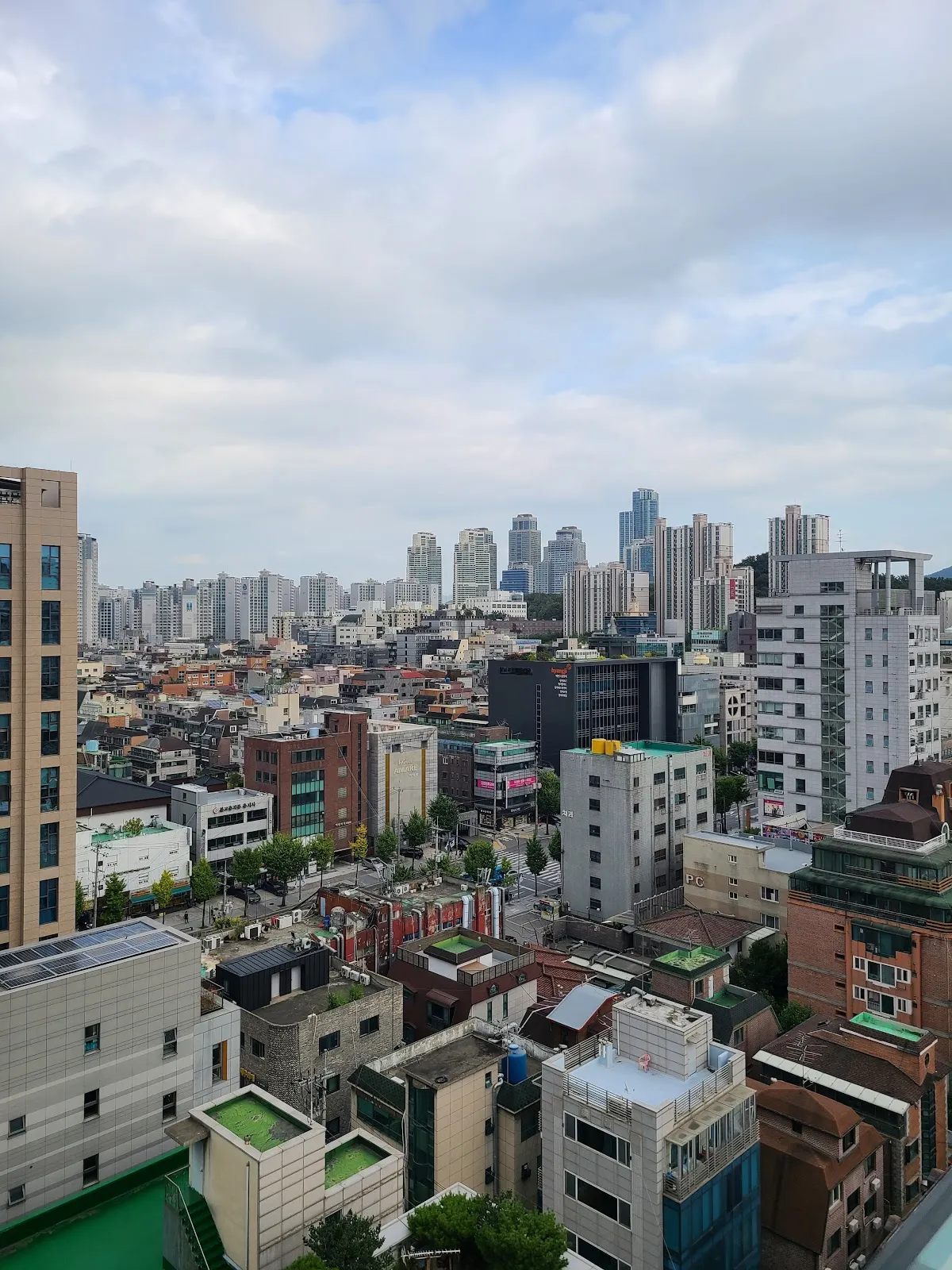
Weather in Jecheon
Jecheon, South Korea experiences a humid continental climate characterized by four distinct seasons, with hot, humid summers and cold, dry winters. The city receives an average annual precipitation of approximately 50 inches (1,270 mm), with July being the wettest month, averaging around 11 inches (280 mm) of rainfall.
Seasonal Breakdown
- Spring (March to May)Temperatures gradually rise from an average high of 50°F (10°C) in March to 73°F (23°C) in May. Rainfall increases during this period, with May receiving significant precipitation, averaging around 4 inches (100 mm).
- Summer (June to August)The hottest months, with average highs ranging from 81°F (27°C) in June to 86°F (30°C) in July. Rainfall is highest in July, averaging around 11 inches (280 mm) due to the monsoon season.
- Autumn (September to November)Temperatures gradually decrease from an average high of 77°F (25°C) in September to 50°F (10°C) in November. Rainfall decreases after the summer, averaging around 3 inches (75 mm) per month.
- Winter (December to February)The coldest period, with average highs ranging from 37°F (3°C) in December to 39°F (4°C) in February. Snowfall is moderate, with January receiving about 4 inches (100 mm) of snow.
Notable Weather Events
- Monsoon rains in July
- Occasional heatwaves in summer
- Moderate snowfall in winter
Jecheon's Political Climate
Jecheon, located in South Korea, is a city with a dynamic political climate that reflects the broader national trends of governance and policy-making. The city is governed by a mayor-council system, which is a common structure in South Korea, allowing for a balance of power between the executive and legislative branches. Jecheon has a history of aligning with the national political landscape, often reflecting the political shifts seen at the national level.
The current political leadership in Jecheon is focused on sustainable development and enhancing the quality of life for its residents. This includes initiatives aimed at improving public transportation, increasing green spaces, and promoting eco-friendly policies. Social justice and community welfare are also high on the agenda, with efforts to support marginalized groups and improve social services.
Jecheon's political climate is influenced by its economic strategies, which prioritize technological innovation and cultural tourism. The city has been proactive in adopting policies that support local businesses and attract foreign investment, which in turn shapes its social and environmental policies. Recent political events in Jecheon have included local movements advocating for more transparency in government and increased public participation in decision-making processes.
Political Quick Facts
- Voter Turnout65%
- City GovernanceMayor-Council System
- CompositionMajority Liberal with a significant Conservative minority
- Recent Political ChangesIncreased focus on transparency and public participation
- EngagementHigh, with active civic groups and community forums
- Political ScorecardB+ for governance and transparency
- Legislative PrioritiesSustainable urban development Enhancing public transportation Social welfare improvements
- Public OpinionGenerally progressive, with strong support for environmental and social policies
Notable Political Figures
- Kim Min-junCurrent Mayor of Jecheon, known for his focus on sustainable development.
- Lee Ji-eunCity Council Member, advocate for social justice and community welfare.
- Park Soo-binLocal activist, prominent in movements for government transparency.