Things to do in Jeonju
Jeonju, located in the North Jeolla Province of South Korea, is renowned for its vibrant cultural heritage and well-preserved traditional architecture. The city is a hub for Korean history, traditional arts, and especially famous for its culinary scene, including the iconic Jeonju Bibimbap.Visitors to Jeonju can explore a charming blend of old and new, from historic hanok villages to modern museums and lively markets. The city's neighborhoods offer a glimpse into Korea's past alongside contemporary cultural experiences.Jeonju Hanok Village
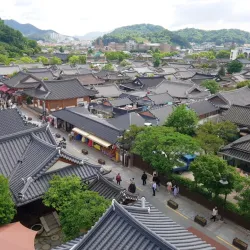

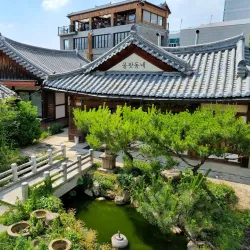
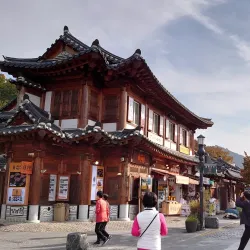
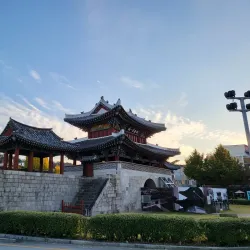

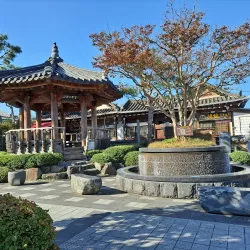
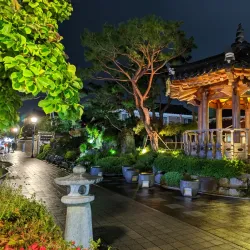

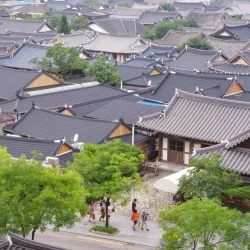
Jeonju Hanok Village is the city's most famous attraction, featuring over 800 traditional Korean hanok houses. Visitors can experience traditional Korean culture through tea houses, craft workshops, and cultural performances.
The village is also home to numerous restaurants serving Jeonju's signature dishes, making it a perfect place to immerse in both history and cuisine.
Gyeonggijeon Shrine
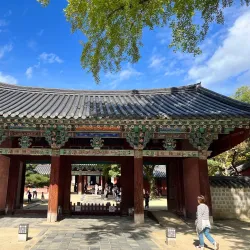
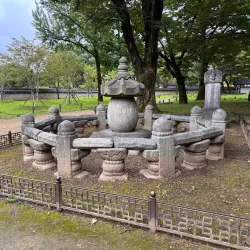
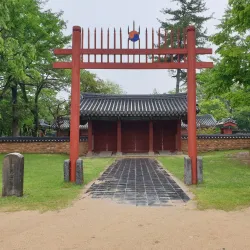
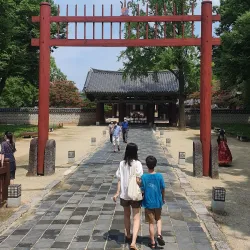
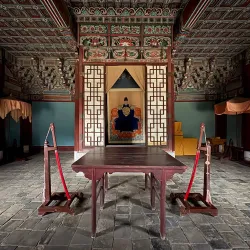
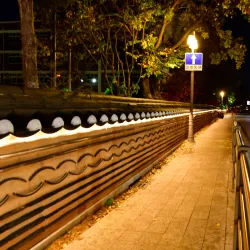
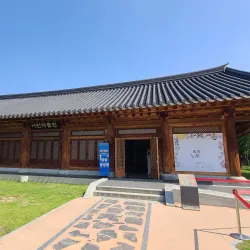
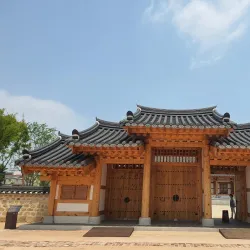
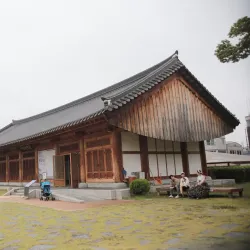
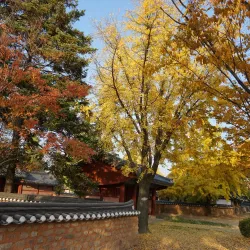
Gyeonggijeon Shrine houses the portrait of King Tae-jo, the founder of the Joseon Dynasty. The shrine is surrounded by beautiful gardens and traditional architecture, offering a peaceful atmosphere for visitors.
It is an important historical site that provides insight into Korea's royal history and cultural heritage.
Jeonju Traditional Wine Museum
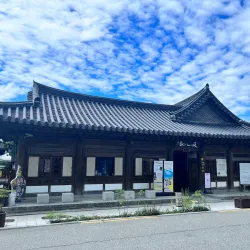
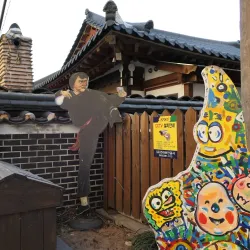
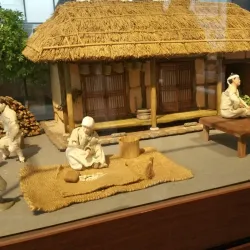
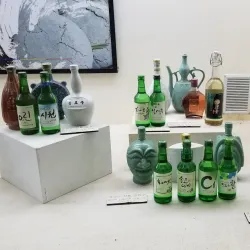
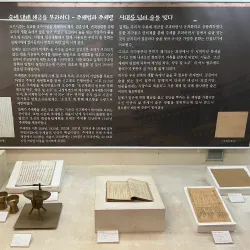
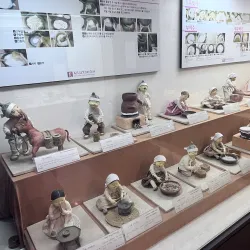
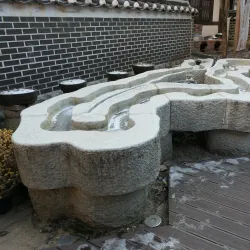
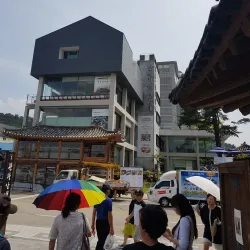
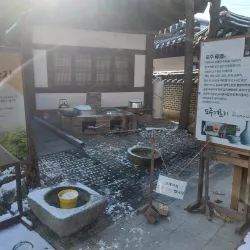
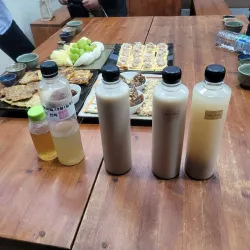
This museum showcases the history and process of traditional Korean rice wine (makgeolli) and other alcoholic beverages. Visitors can learn about brewing techniques and sample various types of traditional wines.
The museum is a great place to understand an important aspect of Korean culinary culture.
Deokjin Park
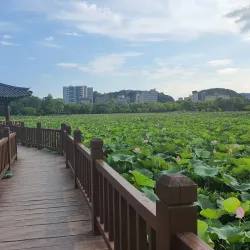

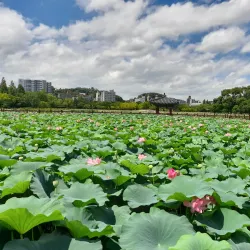
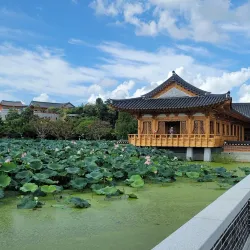
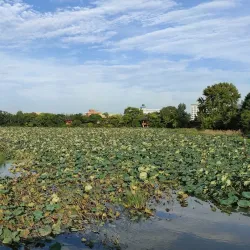
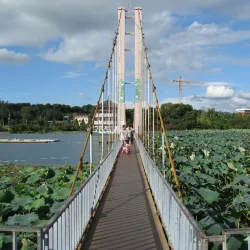
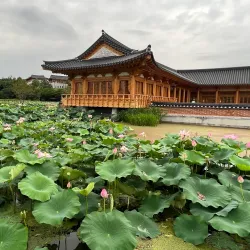
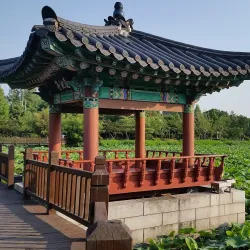
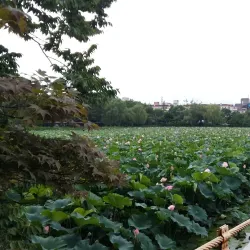

Deokjin Park is a large urban park known for its beautiful lotus flowers in the summer and serene walking paths. It features a large pond, walking trails, and recreational facilities.
The park is a popular spot for relaxation and outdoor activities among locals and tourists alike.
Jeondong Catholic Church
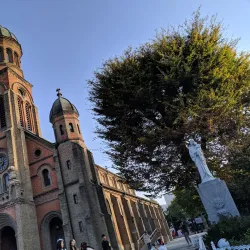
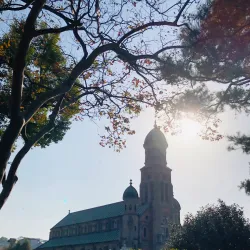
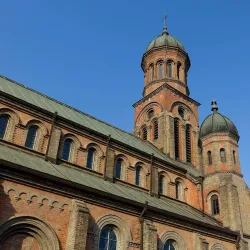
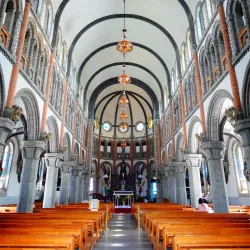
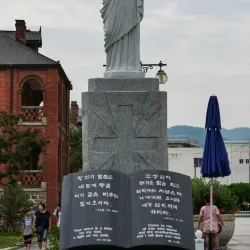
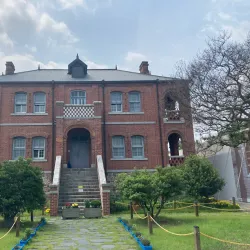
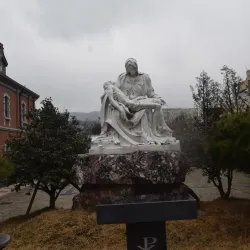
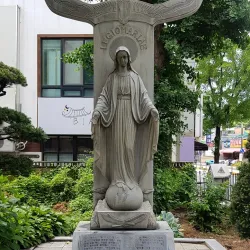
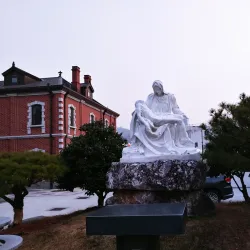
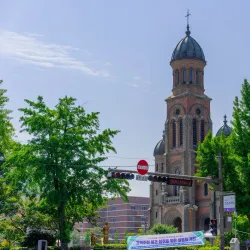
Jeondong Catholic Church is one of the oldest and most beautiful churches in Korea, known for its Romanesque architecture. It stands near the entrance of Jeonju Hanok Village and is a symbol of the city's religious history.
The church is a peaceful place to visit and admire its architectural beauty.
Omokdae and Imokdae
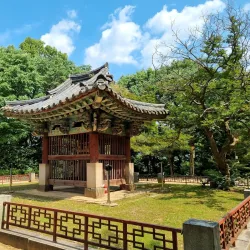
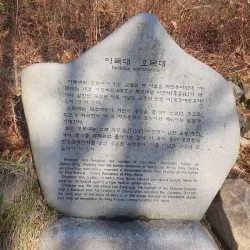
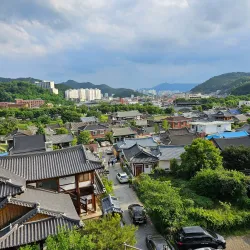
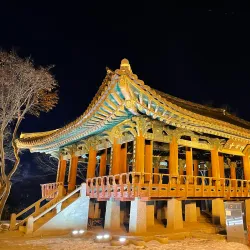
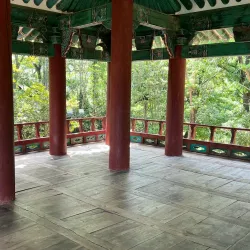
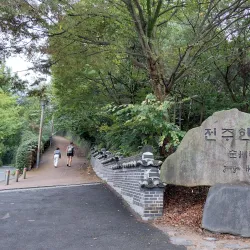
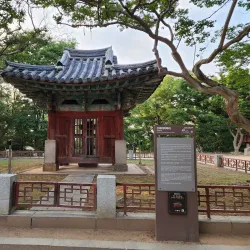
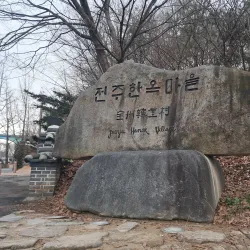
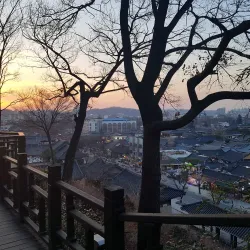
These are historic pavilions located on a hill overlooking Jeonju Hanok Village. Omokdae was built to commemorate King Tae-jo's victory and offers panoramic views of the village and city.
The site is ideal for photography and learning about local history.
Jeonju National Museum
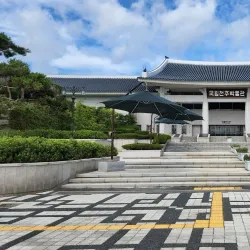
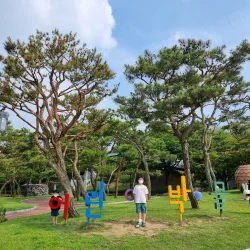
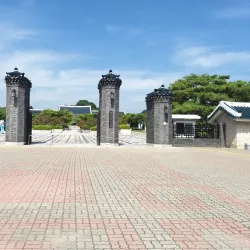
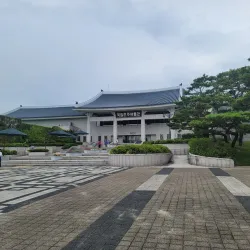
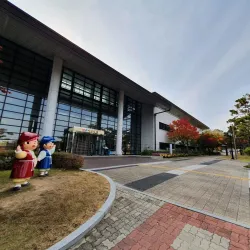
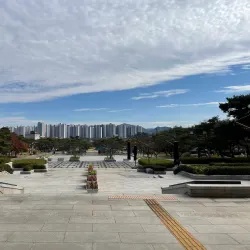
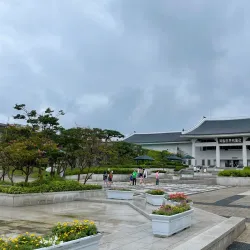
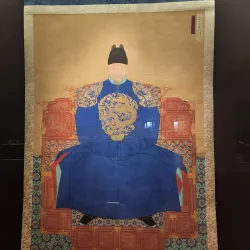
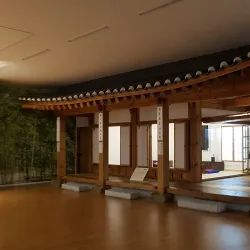
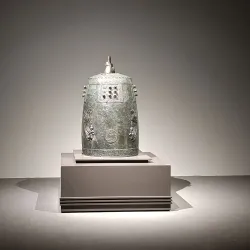
The Jeonju National Museum exhibits artifacts related to the history and culture of the Jeolla region. It includes archaeological finds, traditional crafts, and historical documents.
The museum provides a comprehensive overview of the area's rich cultural heritage.
Nambu Market
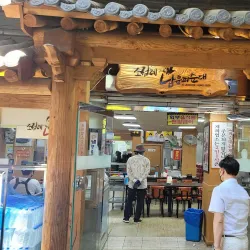
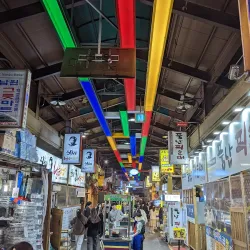
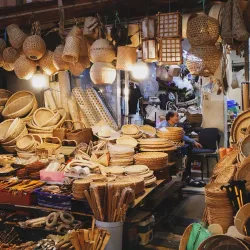
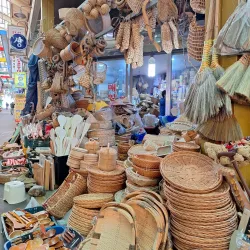

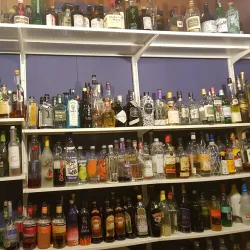
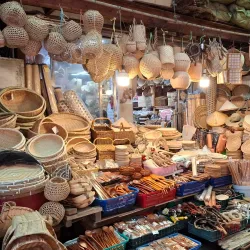
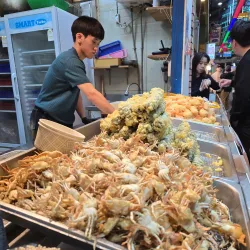
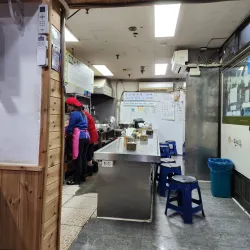
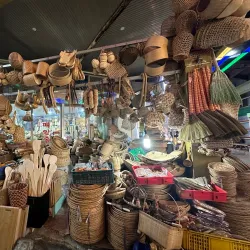
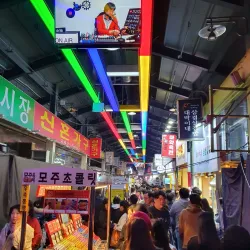
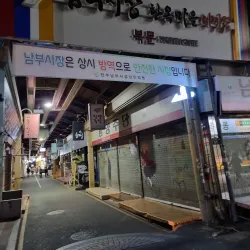
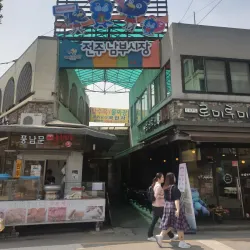
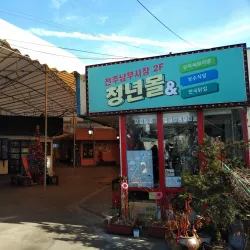
Nambu Market is a traditional market offering a wide variety of local produce, street food, and handmade goods. It is a lively place to experience everyday life in Jeonju and taste authentic Korean snacks.
The market is especially famous for its food stalls and vibrant atmosphere.
Jeonju Zoo
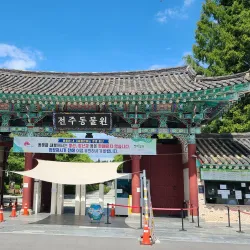
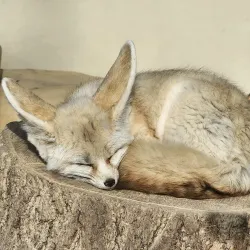
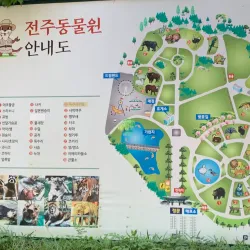
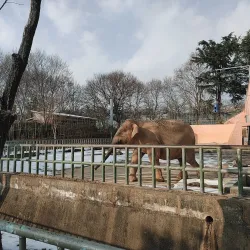
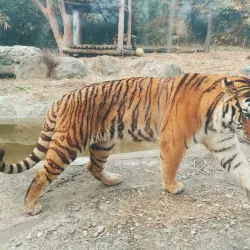
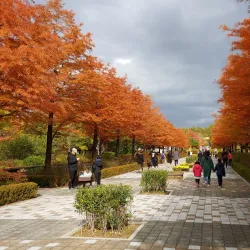
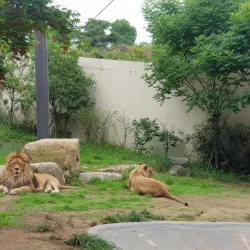
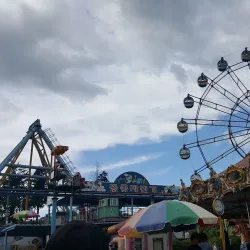
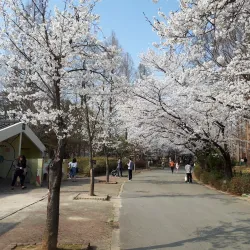
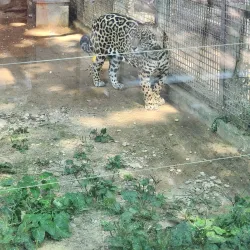
Jeonju Zoo is a family-friendly attraction featuring a variety of animals and educational exhibits. It is a popular destination for visitors with children and those interested in wildlife.
The zoo offers a pleasant outdoor experience within the city.
Pungnammun Gate
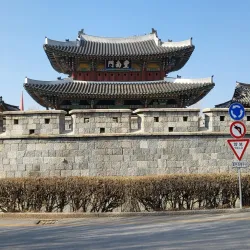
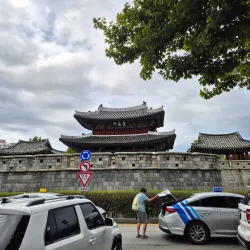
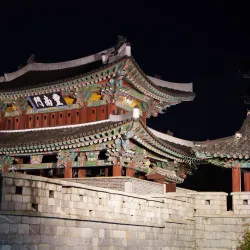
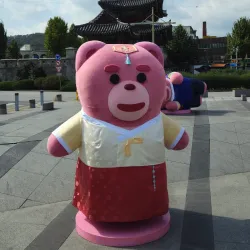
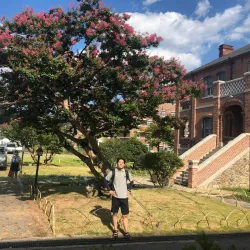
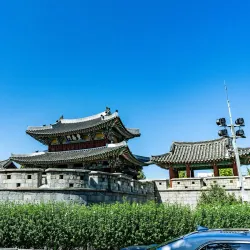
Pungnammun is the southern gate of the old Jeonju Fortress and one of the few remaining gates from the Joseon Dynasty. It is an important historical landmark symbolizing the city's heritage.
Visitors can admire the traditional architecture and learn about the city's defensive history.