
Quality of life in Songtan
Cost of Living, Healthcare, Safety, Education, and More
About Songtan
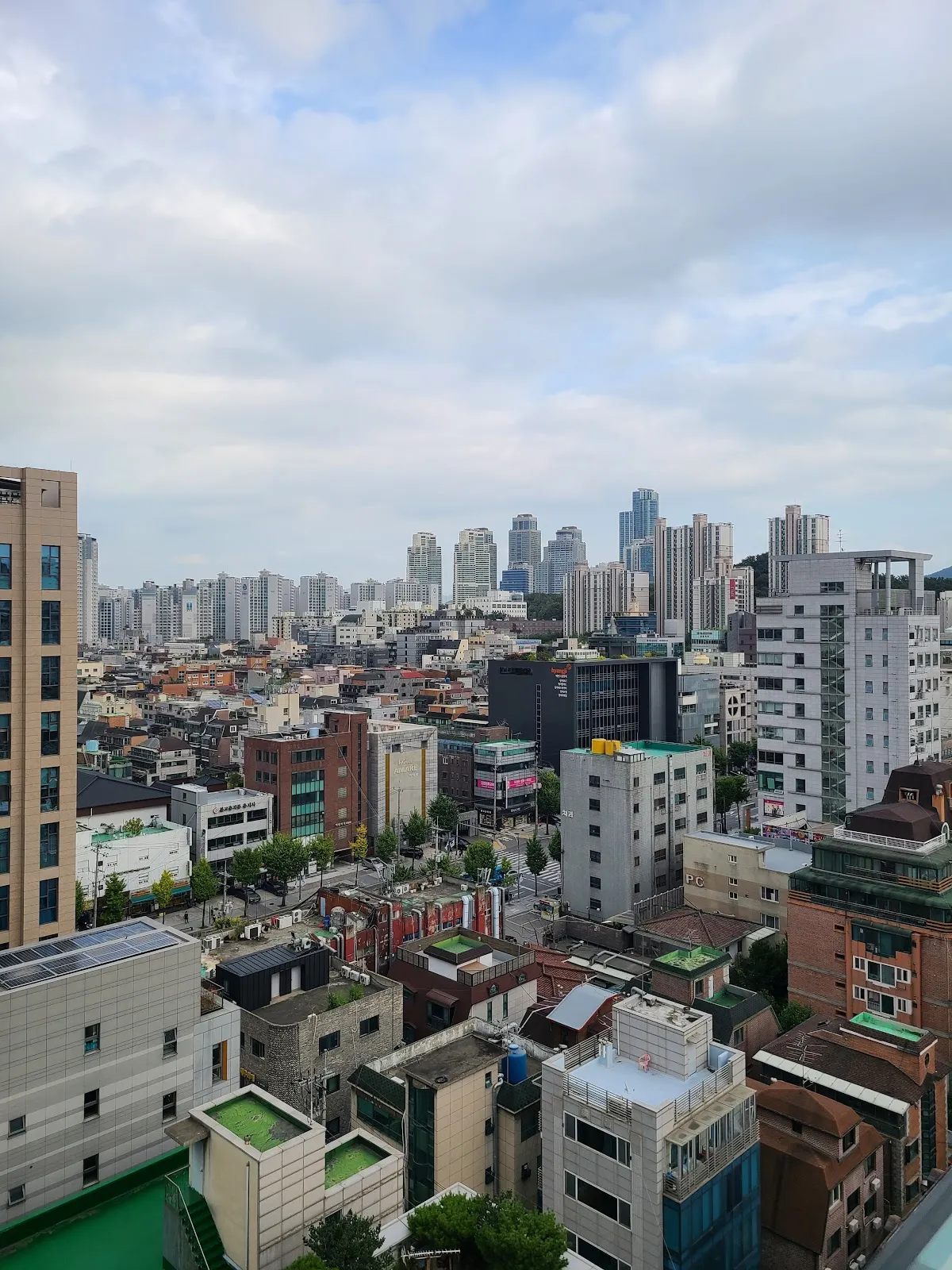
Songtan, located in South Korea, is a vibrant city known for its unique blend of traditional Korean culture and modern influences. It is part of the larger Pyeongtaek City and is renowned for its close proximity to the Osan Air Base, which brings a diverse international community to the area.The city offers a dynamic lifestyle with a mix of local markets, international cuisine, and cultural festivals. Songtan's atmosphere is lively, with a strong sense of community and a welcoming environment for both locals and visitors. Emerging trends in Songtan include a growing interest in cultural tourism and an expanding food scene that highlights both traditional Korean dishes and international flavors.


History and Culture
Songtan's history is deeply intertwined with the presence of the Osan Air Base, which has significantly influenced its cultural and economic development. The area has been a strategic location since the Korean War, leading to a unique cultural exchange between the local Korean population and the international community stationed there.
Culturally, Songtan is a melting pot where traditional Korean customs meet global influences. The city hosts various cultural events and festivals that celebrate this diversity, including the Songtan International Festival, which showcases music, dance, and food from around the world.
Notable cultural landmarks in Songtan include the Songtan Traditional Market, where visitors can experience authentic Korean shopping and cuisine. The city's ethnic diversity is reflected in its vibrant art scene, with local galleries and theaters offering a platform for both Korean and international artists.
Things to do in Songtan
Visitors to Songtan can explore a variety of attractions and activities. The Songtan Traditional Market is a must-visit for those looking to experience local culture and cuisine. Here, you can find everything from fresh produce to handmade crafts.
For those interested in history, the nearby Pyeongtaek Museum offers insights into the region's past, including exhibits on the Korean War and local heritage. The museum provides a comprehensive look at the area's historical significance and cultural evolution.
Outdoor enthusiasts can enjoy the scenic beauty of the nearby Godeok Mountain, which offers hiking trails and picturesque views of the surrounding landscape. Additionally, Songtan's nightlife is vibrant, with numerous bars and restaurants offering a taste of both Korean and international flavors.
Quality of Life Rankings
Weather in Songtan
Songtan, South Korea experiences a humid continental climate characterized by four distinct seasons with hot, humid summers and cold, dry winters. The city receives an average annual precipitation of approximately 50 inches (1270 mm), with July being the wettest month, averaging around 12 inches (305 mm) of rainfall.
Seasonal Breakdown
- Spring (March to May)Temperatures gradually rise from an average high of 52°F (11°C) in March to 73°F (23°C) in May. Rainfall increases during this period, with May receiving significant precipitation, averaging around 4 inches (102 mm).
- Summer (June to August)The hottest months, with average highs ranging from 81°F (27°C) in June to 86°F (30°C) in July. Rainfall is at its peak in July, averaging around 12 inches (305 mm) due to the monsoon season.
- Autumn (September to November)Temperatures gradually decrease from an average high of 77°F (25°C) in September to 54°F (12°C) in November. Rainfall decreases significantly, averaging around 3 inches (76 mm) per month.
- Winter (December to February)The coldest period, with average highs ranging from 41°F (5°C) in December to 37°F (3°C) in February. Snowfall is minimal, averaging about 2 inches (51 mm) in January.
Notable Weather Events
- Monsoon rains in July
- Occasional typhoons during late summer
- Cold snaps in winter
Songtan's Political Climate
Songtan, a vibrant city located in South Korea, is known for its unique political climate shaped by its proximity to the Osan Air Base and its diverse population. The city operates under the governance of the Pyeongtaek City administration, as Songtan is a district within Pyeongtaek. This administrative structure influences its political landscape, which is characterized by a blend of local and national political dynamics.
Historically, Songtan has been influenced by its strategic military significance, which has impacted its political and economic policies. The presence of the U.S. military base has fostered a multicultural environment, leading to a political climate that often emphasizes international cooperation and security. The local government has been proactive in implementing policies that support economic development and cultural integration, reflecting a progressive stance on social issues.
In recent years, Songtan has seen a growing focus on sustainability and urban development. The city has implemented various green initiatives aimed at reducing carbon emissions and promoting renewable energy. These efforts are part of a broader national trend in South Korea towards environmental sustainability, which is reflected in Songtan's local policies.
The political climate in Songtan is also shaped by its residents' engagement in civic activities. There is a strong sense of community involvement, with local movements advocating for improved public services and infrastructure. This civic activism plays a crucial role in shaping the city's legislative priorities and policy directions.
Political Quick Facts
- Voter Turnout72%
- City GovernanceDistrict governance under Pyeongtaek City administration
- CompositionMajority Democratic Party with representation from minor parties
- Recent Political ChangesIncreased focus on sustainability and urban development policies
- EngagementHigh level of civic activism and community involvement
- Political ScorecardRated high for transparency and governance
- Legislative PrioritiesSustainability and environmental policies Economic development and job creation Cultural integration and community services
- Public OpinionGenerally progressive with strong support for environmental and social policies
Notable Political Figures
- Kim Min-junCurrent district representative known for advocating sustainability policies.
- Lee Soo-jinLocal council member focused on cultural integration initiatives.
- Park Ji-hoonCommunity leader and activist for public service improvements.