
Quality of life in Suji-gu
Cost of Living, Healthcare, Safety, Education, and More
About Suji-gu
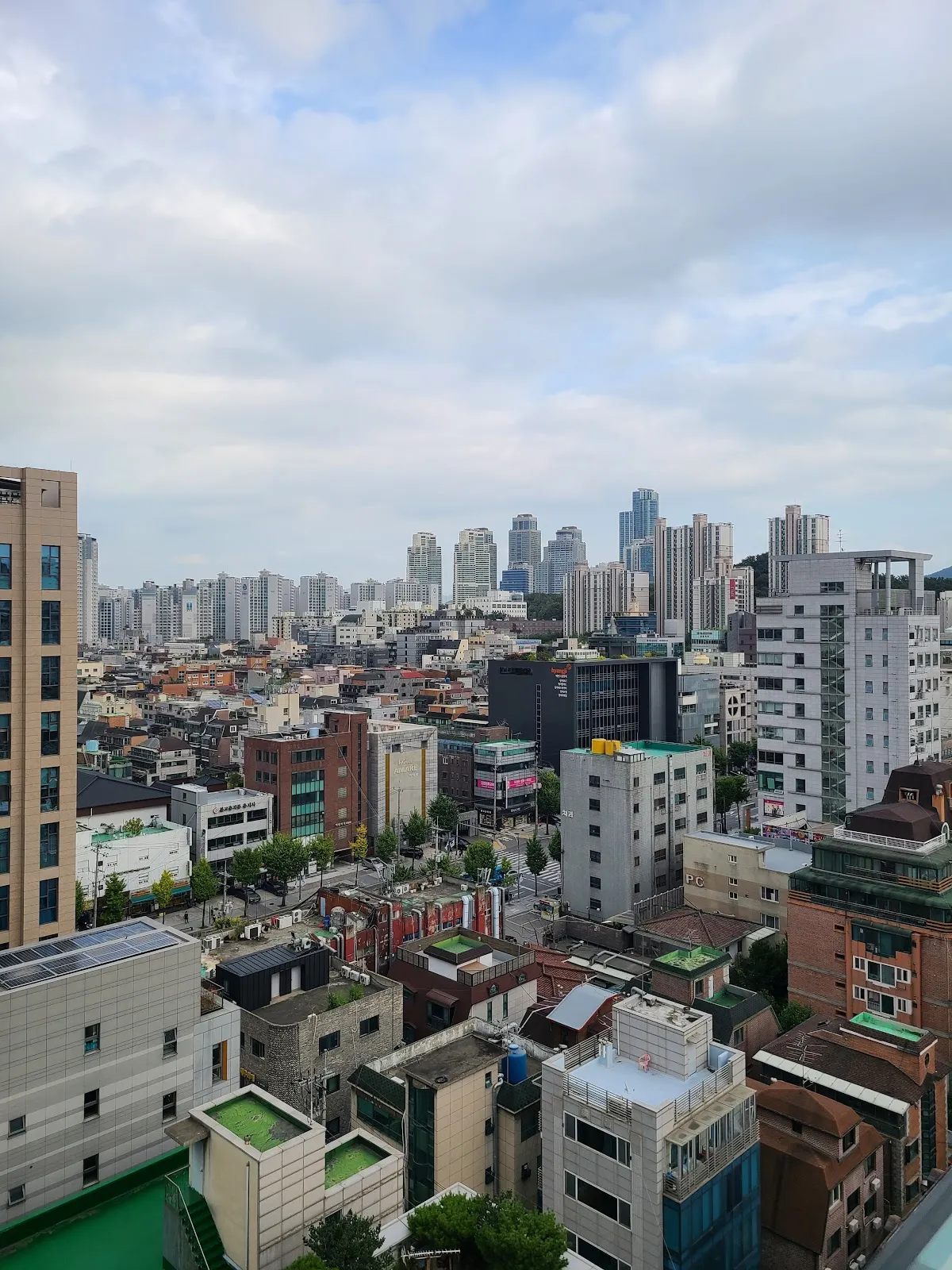
Suji-gu, located in the bustling city of Yongin, South Korea, is a vibrant district known for its blend of modernity and tradition. As a part of the Seoul Capital Area, Suji-gu offers a unique urban experience with a touch of suburban tranquility. The district is characterized by its well-planned infrastructure, making it a desirable place for families and young professionals alike.In recent years, Suji-gu has seen significant growth in its educational and technological sectors, attracting a diverse population. The area is home to several prestigious schools and universities, contributing to its reputation as an educational hub. Additionally, the presence of tech companies and startups has fostered a dynamic business environment, making it a hotspot for innovation and entrepreneurship.


History and Culture
Suji-gu's history is deeply intertwined with the broader history of Yongin and the Gyeonggi Province. Historically, the area was primarily agricultural, with rice paddies and farms dominating the landscape. Over time, as South Korea underwent rapid industrialization and urbanization, Suji-gu transformed into a residential and commercial district.
Culturally, Suji-gu reflects the rich heritage of South Korea, with traditional Korean values coexisting alongside modern influences. The district celebrates various cultural festivals throughout the year, showcasing traditional music, dance, and cuisine. These events not only preserve the cultural heritage but also foster community spirit among residents.
Notable cultural institutions in Suji-gu include local museums and art galleries that offer insights into both historical and contemporary Korean art. The district's commitment to cultural preservation is evident in its support for local artists and cultural programs.
Things to do in Suji-gu
Visitors to Suji-gu can enjoy a variety of activities and attractions. The district boasts several parks and recreational areas, perfect for outdoor enthusiasts. One of the highlights is the Suji-gu Central Park, offering scenic walking trails and picnic spots.
For those interested in cultural experiences, Suji-gu hosts numerous festivals and events throughout the year. The Suji-gu Cultural Festival is a must-visit, featuring traditional performances, local crafts, and food stalls that provide a taste of Korean culture.
Food lovers will find a diverse culinary scene in Suji-gu, with an array of restaurants offering both traditional Korean dishes and international cuisine. The local markets are also worth exploring, where visitors can sample fresh produce and local delicacies.
Quality of Life Rankings
Weather in Suji-gu
Suji-gu, South Korea experiences a humid continental climate characterized by four distinct seasons, with hot, humid summers and cold, dry winters. The city receives an average annual precipitation of approximately 50 inches (1270 mm), with July being the wettest month, averaging around 14 inches (355 mm) of rainfall.
Seasonal Breakdown
- Spring (March to May)Temperatures gradually rise from an average high of 50°F (10°C) in March to 73°F (23°C) in May. Rainfall increases during this period, with May receiving significant precipitation, averaging around 4 inches (100 mm).
- Summer (June to August)The hottest months, with average highs ranging from 80°F (27°C) in June to 85°F (29°C) in July. Rainfall is highest in July, averaging around 14 inches (355 mm) due to the monsoon season.
- Autumn (September to November)Temperatures gradually decrease from an average high of 77°F (25°C) in September to 54°F (12°C) in November. Rainfall decreases after the monsoon, averaging around 3 inches (75 mm) per month.
- Winter (December to February)The coldest period, with average highs ranging from 39°F (4°C) in December to 41°F (5°C) in February. Snowfall is occasional, with January receiving minimal snow, averaging about 1 inch (25 mm).
Notable Weather Events
- Monsoon season in July with heavy rainfall.
- Occasional snowfall during winter months.
- Potential heatwaves during peak summer months.
Suji-gu's Political Climate
Suji-gu, located in South Korea, is a district known for its dynamic political climate that reflects the broader trends of the country. As part of Yongin City in the Gyeonggi Province, Suji-gu is influenced by both local and national political currents. The district is governed by a local council that aligns with the broader political landscape of South Korea, which is characterized by a multi-party system with significant influence from major parties such as the Democratic Party of Korea and the People Power Party.
Historically, Suji-gu has been a microcosm of South Korea's rapid development and modernization, with political leadership focusing on urban development, education, and technology. The district has seen a shift towards more progressive policies, particularly in areas such as environmental sustainability and digital infrastructure. These policies are reflective of South Korea's national agenda to position itself as a leader in technology and green energy.
The political climate in Suji-gu is also shaped by its residents, who are generally well-educated and politically active. This engagement is evident in the high voter turnout during elections and active participation in local governance. Recent political events in Suji-gu have included debates over urban planning and housing, reflecting the district's rapid growth and the challenges that come with it.
Political Quick Facts
- Voter Turnout75%
- City GovernanceLocal council with a mayor-council system
- CompositionMajority Democratic Party with representation from the People Power Party
- Recent Political ChangesIncreased focus on sustainable urban development and digital infrastructure
- EngagementHigh civic activism and engagement
- Political ScorecardHigh transparency and governance ratings
- Legislative PrioritiesSustainable urban development Enhancement of digital infrastructure Affordable housing initiatives
- Public OpinionGenerally progressive with strong support for environmental and technological advancements
Notable Political Figures
- Kim Min-jungCurrent mayor known for her focus on sustainable development and technology integration.
- Lee Joon-hoCity council member advocating for affordable housing and urban planning.
- Park Soo-binLocal activist and environmental advocate pushing for green policies.