Things to do in Suwon
Suwon, the capital of Gyeonggi Province in South Korea, is renowned for its rich history, vibrant culture, and well-preserved heritage sites. The city is best known for its impressive Hwaseong Fortress, a UNESCO World Heritage site, which showcases the architectural ingenuity of the Joseon Dynasty.Suwon offers a blend of traditional and modern experiences, with bustling markets, serene parks, and museums that highlight its historical significance and local culture. Visitors can explore various neighborhoods that reflect both the past and present of this dynamic city.Hwaseong Fortress
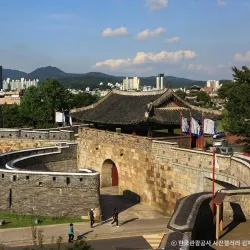
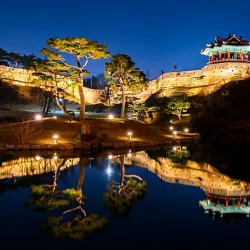
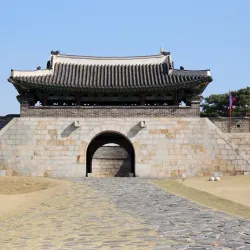
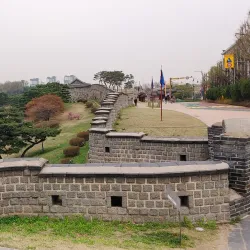
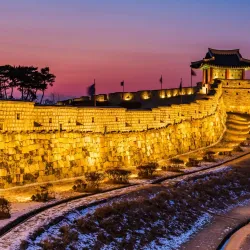
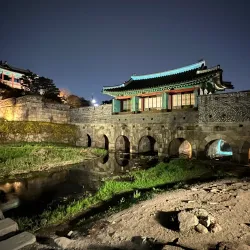
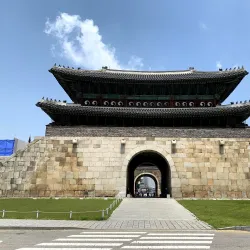
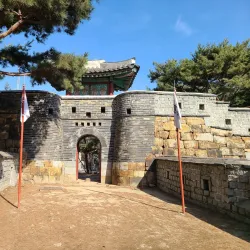
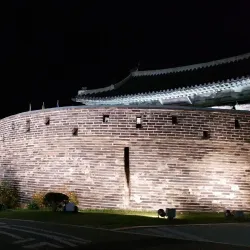
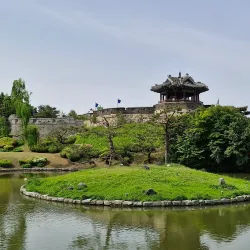
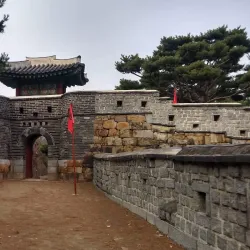
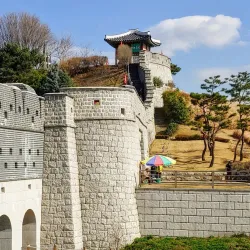
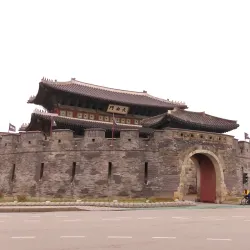
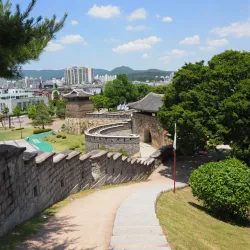
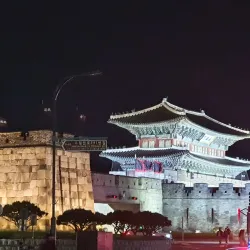
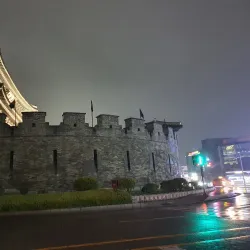
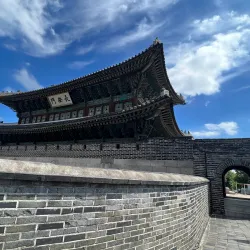
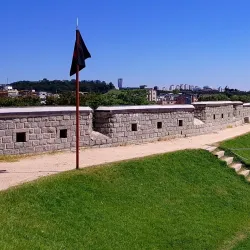
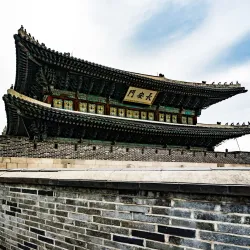
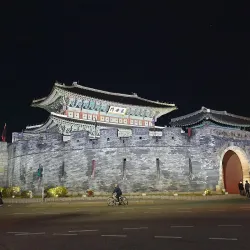
Hwaseong Fortress is a UNESCO World Heritage site and the most iconic landmark in Suwon. Built in the late 18th century during the Joseon Dynasty, the fortress features impressive walls, gates, and watchtowers that demonstrate advanced military architecture.
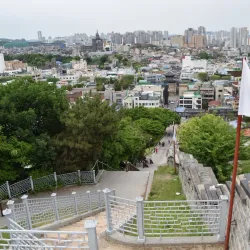
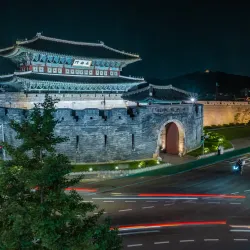
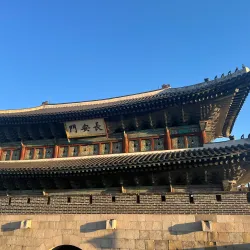
Visitors can walk along the fortress walls, explore the various gates such as Paldalmun and Janganmun, and enjoy panoramic views of the city from the fortress towers.
Suwon Hwaseong Museum
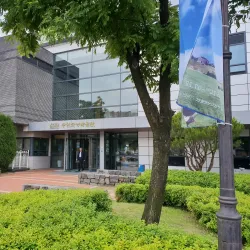

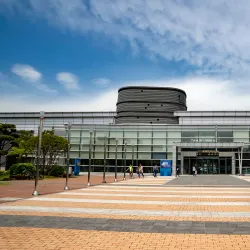
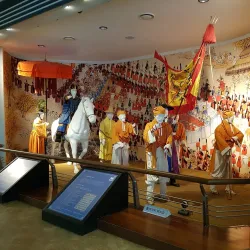
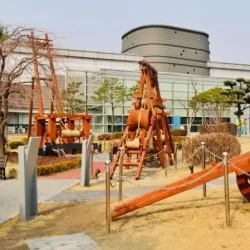
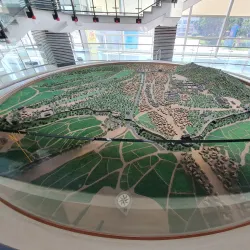
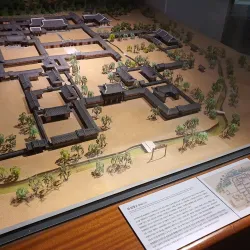
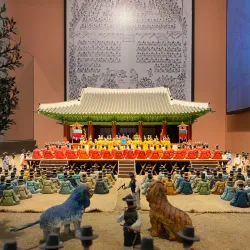
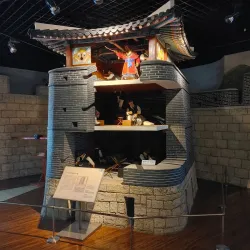
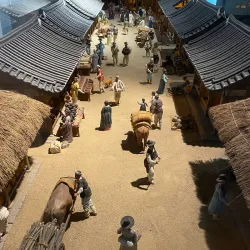
This museum offers detailed exhibits about the history, construction, and significance of Hwaseong Fortress. It provides visitors with a deeper understanding of the fortress's role in Korean history and the technological innovations used in its construction.
The museum features artifacts, models, and interactive displays that enrich the visitor experience.
Korean Folk Village
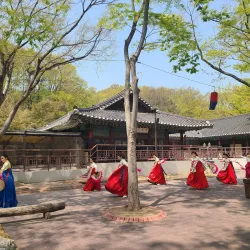
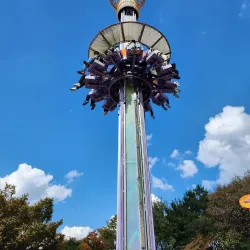
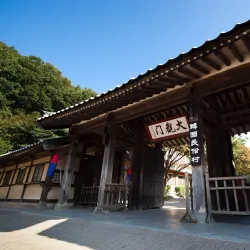
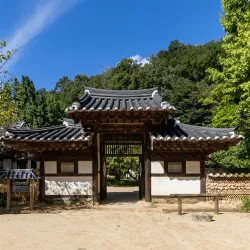
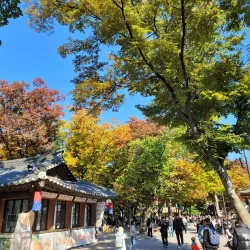
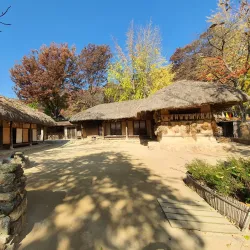
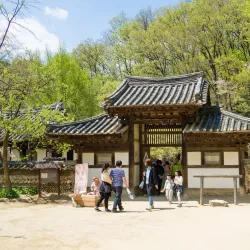
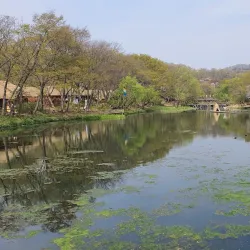
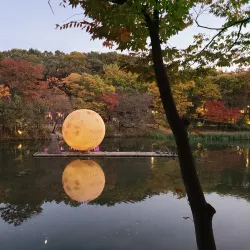
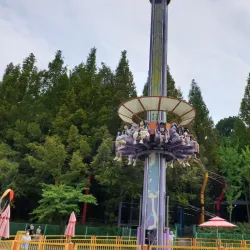
Located near Suwon, the Korean Folk Village is an open-air museum that showcases traditional Korean life and culture. It features reconstructed houses, workshops, and performances that depict various aspects of Korean heritage.
Visitors can experience traditional crafts, folk games, and cultural performances, making it a popular destination for families and cultural enthusiasts.
Paldalmun Gate
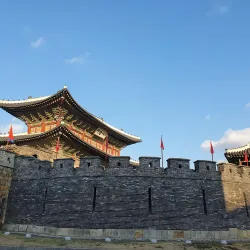
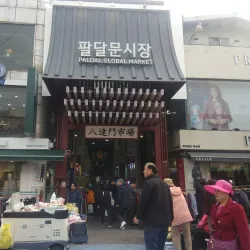
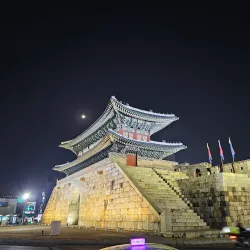
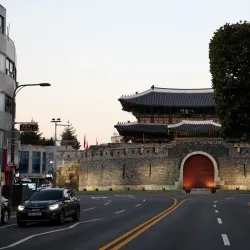
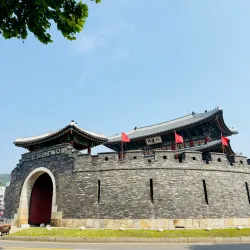
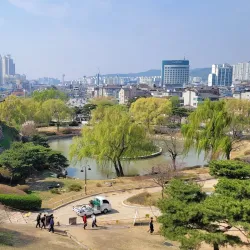
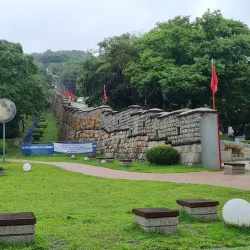
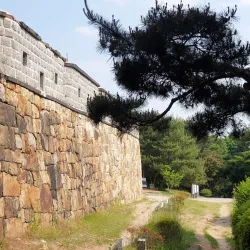
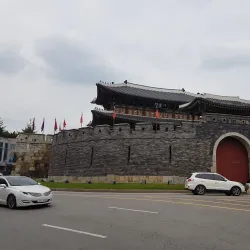
Paldalmun is the main southern gate of Hwaseong Fortress and a significant historical structure in Suwon. It is known for its beautiful architecture and strategic importance during the Joseon Dynasty.
The gate area is lively with markets and street food vendors, offering a glimpse into local life and cuisine.
Suwon Hwaseong Haenggung Palace
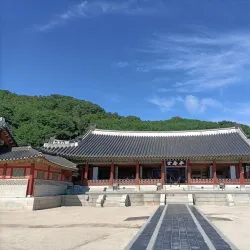
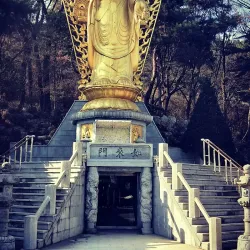
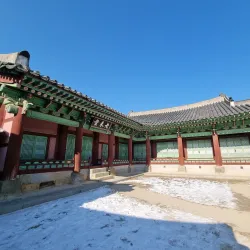
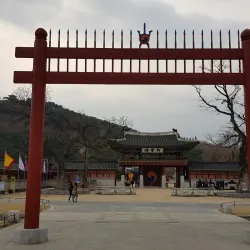
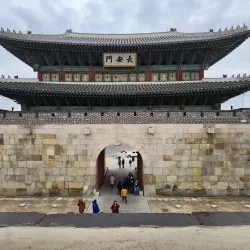
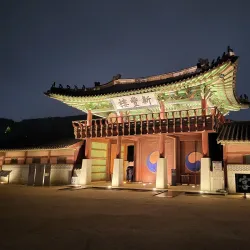
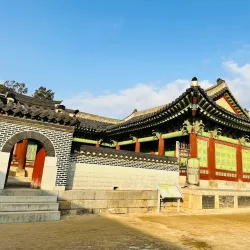
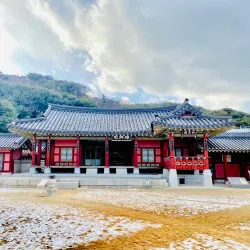
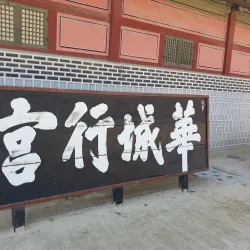
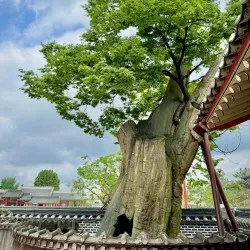
Haenggung Palace served as a temporary royal residence during the construction of Hwaseong Fortress. The palace complex includes various buildings used for royal ceremonies and accommodations.
Today, it is a cultural site where visitors can learn about royal life and enjoy traditional performances and reenactments.
Manseok Park
Manseok Park is a large urban park in Suwon, offering walking paths, sports facilities, and a lake. It is a popular spot for relaxation and outdoor activities among locals and tourists alike.
The park often hosts cultural events and festivals, providing a vibrant community atmosphere.
Suwon Museum
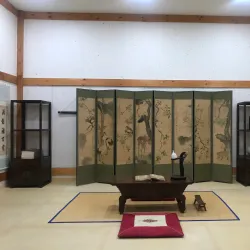
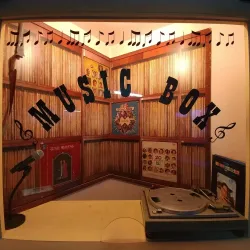
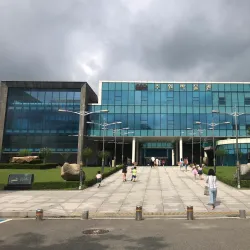
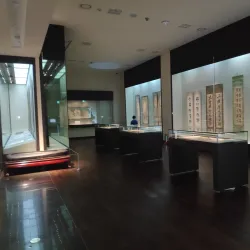
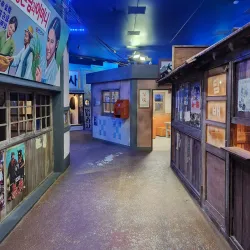
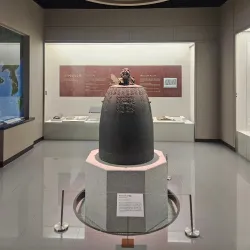
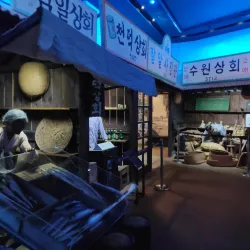
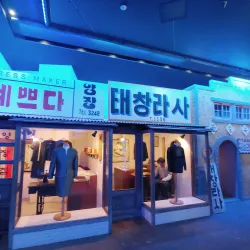
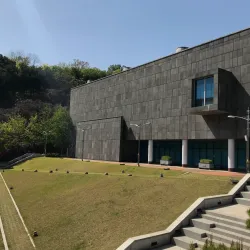
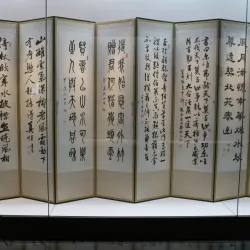
The Suwon Museum presents the history and culture of Suwon and the surrounding region. Exhibits include archaeological finds, historical artifacts, and displays on local traditions.
The museum is an educational destination for those interested in the broader historical context of the area.
Yeongdong Market
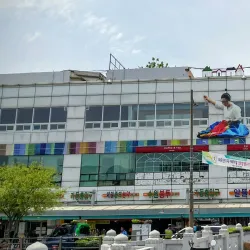
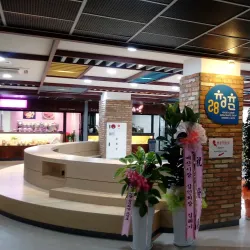
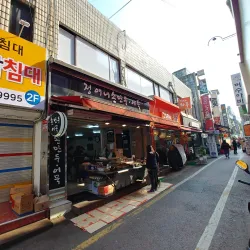
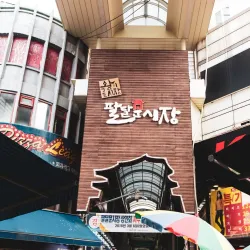
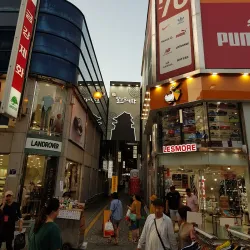
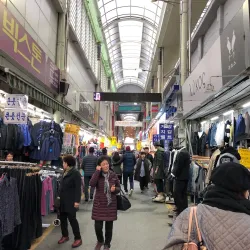
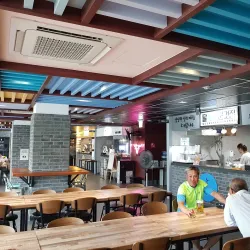
Yeongdong Market is a traditional market in Suwon where visitors can experience local shopping and street food. The market offers a variety of fresh produce, snacks, and handmade goods.
It is a great place to explore the daily life of Suwon residents and try authentic Korean street food.
Suwon World Cup Stadium
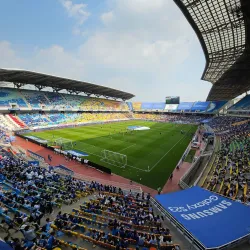

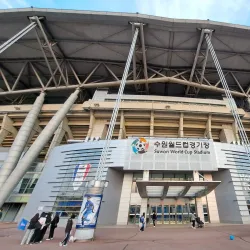

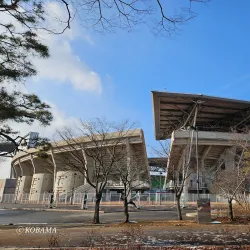

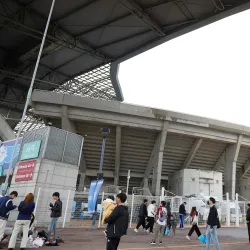
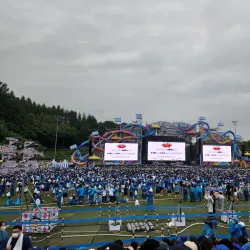
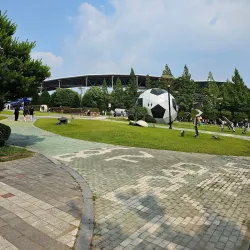
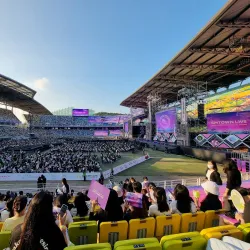
This stadium is a modern sports venue that hosted matches during the 2002 FIFA World Cup. It is home to the Suwon Samsung Bluewings football team and hosts various sporting and cultural events.
Visitors can tour the stadium or attend a football match to experience local sports culture.
Jangan Park
Jangan Park is a scenic park located near Hwaseong Fortress, offering walking trails, gardens, and recreational facilities. It is a peaceful spot for nature lovers and families.
The park provides beautiful views of the fortress and the city, especially during the cherry blossom season.