
Quality of life in Wonju
Cost of Living, Healthcare, Safety, Education, and More
About Wonju
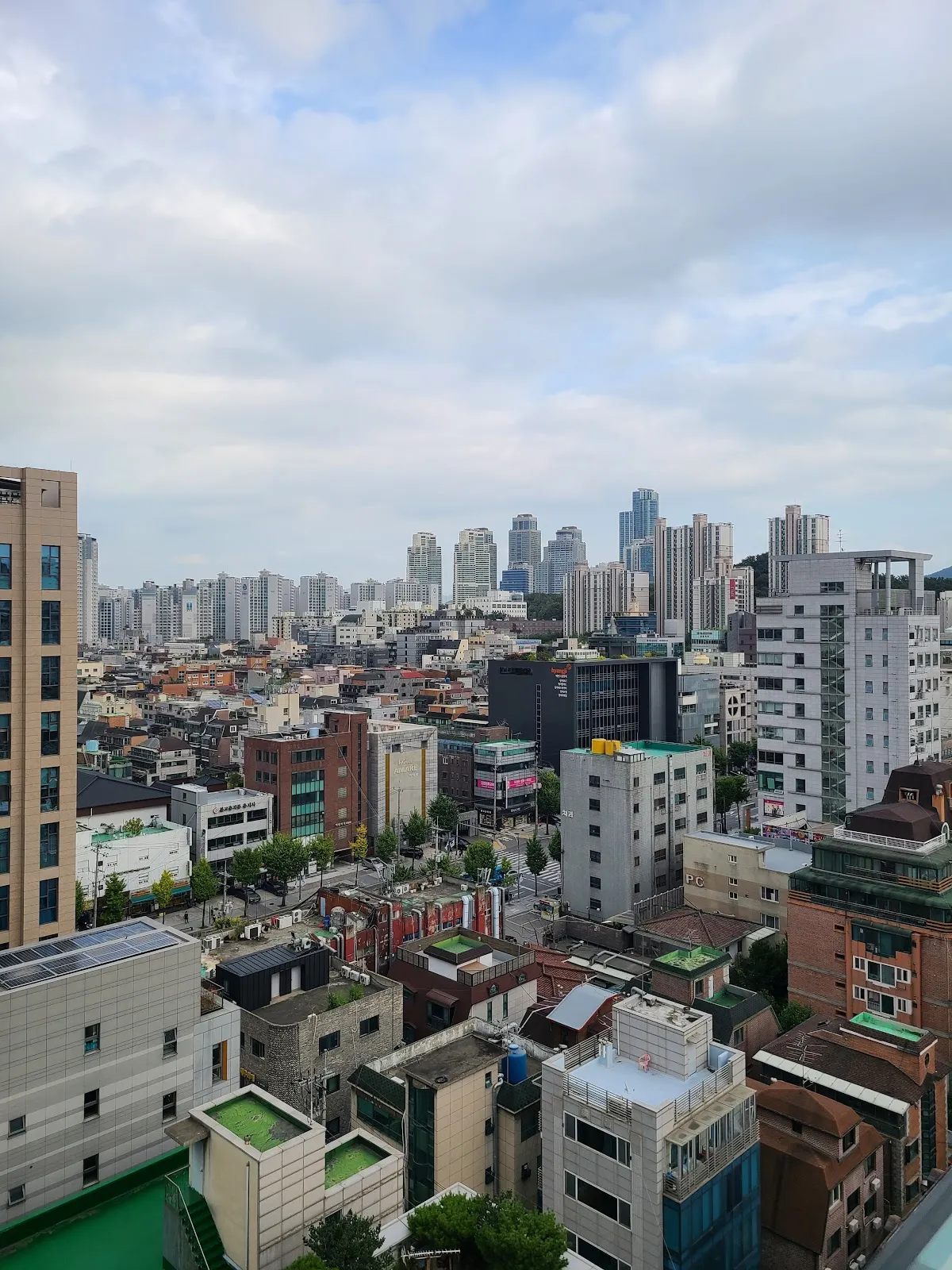
Wonju, located in the Gangwon Province of South Korea, is a city that beautifully blends its rich historical heritage with modern development. Known for its scenic landscapes and vibrant cultural scene, Wonju offers a unique blend of traditional Korean culture and contemporary lifestyle. The city is a hub for education and healthcare, with several universities and medical facilities contributing to its dynamic atmosphere.Emerging as a center for innovation, Wonju is also home to a growing number of tech startups and industries, making it an attractive destination for young professionals and entrepreneurs. The city's commitment to sustainability and green living is evident in its numerous parks and eco-friendly initiatives, enhancing the quality of life for its residents.


History and Culture
Wonju's history dates back to the Three Kingdoms period, where it served as a strategic military location. Over the centuries, it has played a significant role in various historical events, including the Korean War, where it was a key battleground. The city's resilience and ability to rebuild have shaped its identity and cultural landscape.
Culturally, Wonju is known for its traditional Korean arts and crafts, with several cultural institutions dedicated to preserving and promoting these practices. The city hosts the annual Wonju Dynamic Dancing Carnival, a vibrant festival that showcases traditional and contemporary dance performances, attracting visitors from across the country.
Wonju's cultural diversity is reflected in its local cuisine, art, and music scenes. The city's museums and galleries offer insights into its rich history and artistic heritage, while local theaters and performance spaces provide a platform for both traditional and modern Korean performances.
Things to do in Wonju
Visitors to Wonju can explore the beautiful Chiaksan National Park, known for its hiking trails and stunning natural scenery. The park is a perfect destination for outdoor enthusiasts looking to experience South Korea's natural beauty.
The city's cultural attractions include the Museum SAN, an art museum set amidst serene landscapes, offering a unique blend of art, architecture, and nature. Additionally, the Hanji Theme Park provides an interactive experience of traditional Korean paper-making, a craft deeply rooted in Wonju's cultural heritage.
Wonju's vibrant food scene is another highlight, with local markets and restaurants offering a taste of authentic Korean cuisine. The city's annual food festivals celebrate its culinary diversity, providing a feast for the senses.
Quality of Life Rankings
Weather in Wonju
Wonju, South Korea experiences a humid continental climate characterized by four distinct seasons with hot, humid summers and cold, dry winters. The city receives an average annual precipitation of approximately 50 inches (1270 mm), with July being the wettest month, averaging around 12 inches (305 mm) of rainfall.
Seasonal Breakdown
- Spring (March to May)Temperatures gradually rise from an average high of 50°F (10°C) in March to 73°F (23°C) in May. Rainfall increases during this period, with May receiving significant precipitation, averaging around 4 inches (102 mm).
- Summer (June to August)The hottest months, with average highs ranging from 81°F (27°C) in June to 86°F (30°C) in July. Rainfall is highest in July, averaging around 12 inches (305 mm) due to the monsoon season.
- Autumn (September to November)Temperatures gradually decrease from an average high of 77°F (25°C) in September to 54°F (12°C) in November. Rainfall decreases after the summer, averaging around 3 inches (76 mm) per month.
- Winter (December to February)The coldest period, with average highs ranging from 39°F (4°C) in December to 37°F (3°C) in February. Snowfall is common, especially in January, averaging about 5 inches (127 mm).
Notable Weather Events
- Monsoon rains in July leading to potential flooding.
- Occasional heatwaves in summer with temperatures exceeding 90°F (32°C).
- Snowstorms in winter, particularly in January, affecting transportation.
Wonju's Political Climate
Wonju, located in South Korea, is a city with a dynamic political climate that reflects both its historical roots and modern aspirations. As part of the Gangwon Province, Wonju has traditionally been a conservative stronghold, aligning with the broader political tendencies of the region. However, recent years have seen a shift towards more progressive policies, particularly in areas such as environmental sustainability and urban development.
The city's governance is characterized by a mayor-council system, where the mayor plays a significant role in shaping policy directions. Wonju's political leadership has been proactive in addressing key issues such as economic development, infrastructure improvement, and social welfare. The city has also been at the forefront of implementing green policies, aiming to reduce carbon emissions and promote renewable energy sources.
Wonju's political landscape is also influenced by its commitment to social justice and community engagement. The city has launched several initiatives to enhance public participation in governance, ensuring that the voices of its residents are heard in decision-making processes. This has fostered a sense of civic responsibility and activism among the populace.
Recent political events in Wonju include a push for greater transparency in government operations and efforts to combat corruption. These initiatives have been well-received by the public, contributing to a more open and accountable political environment. Additionally, the city has been involved in regional collaborations to address common challenges such as economic disparities and environmental conservation.
Political Quick Facts
- Voter Turnout68%
- City GovernanceMayor-council system
- CompositionMajority conservative with a growing number of progressive members
- Recent Political ChangesIncreased focus on transparency and anti-corruption measures
- EngagementHigh, with active community participation in local governance
- Political ScorecardB+ for governance and transparency
- Legislative PrioritiesEnvironmental sustainability Economic development Social welfare enhancement
- Public OpinionGenerally conservative with increasing support for progressive policies
Notable Political Figures
- Kim Joon-hoCurrent mayor known for his focus on sustainable urban development.
- Lee Min-kyungCity council member advocating for social justice and transparency.
- Park Soo-jinEnvironmental activist and advisor to the local government on green policies.