Things to do in Melut
Melut is a town located in the Upper Nile State of South Sudan. It is situated along the White Nile River, offering a unique blend of natural beauty and cultural experiences. The town is known for its proximity to the Nile, local markets, and traditional communities.White Nile River
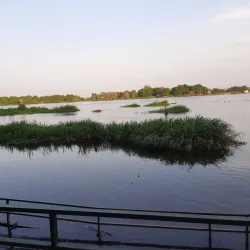
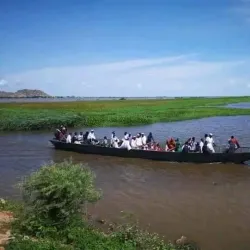
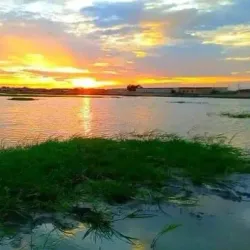
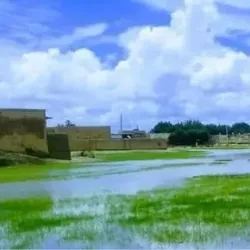
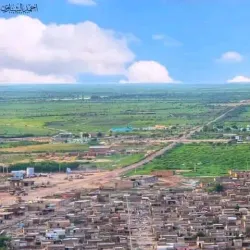
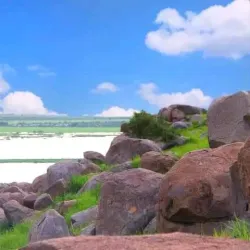
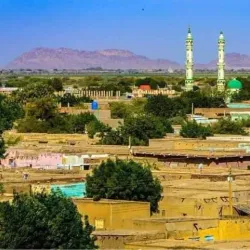
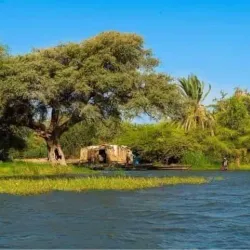
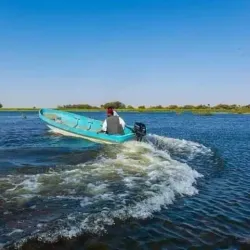
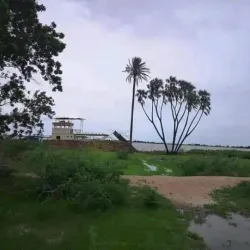
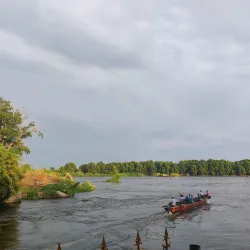
The White Nile River is a major geographical feature near Melut, providing stunning views and opportunities for fishing and boat rides. It is central to the life and culture of the local communities.
Melut Market
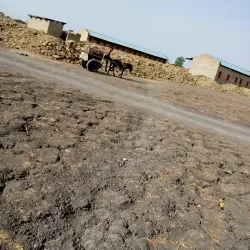

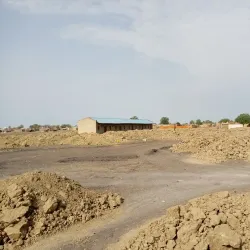

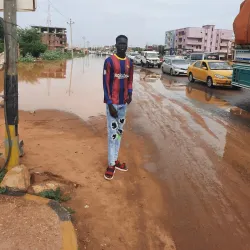
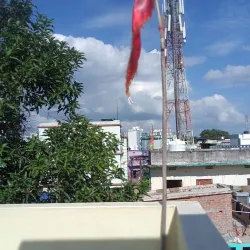
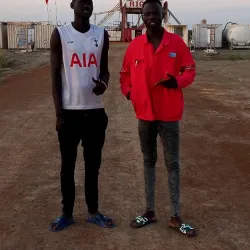
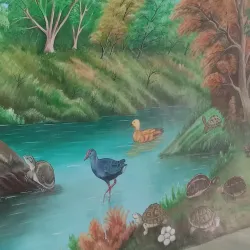
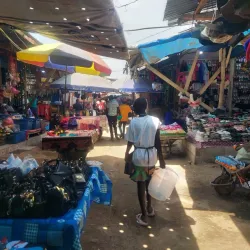
The local market in Melut is a vibrant place where visitors can experience the daily life of the town. It offers a variety of goods including fresh produce, traditional crafts, and local foods.
Traditional Dinka Villages
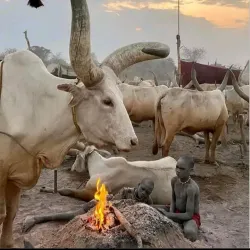
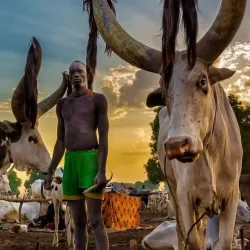
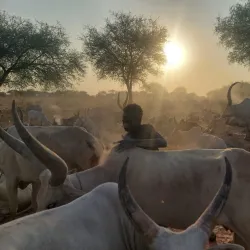
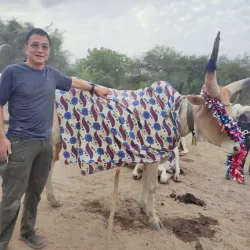
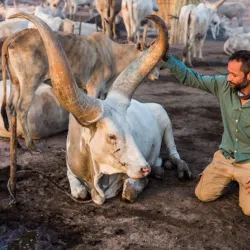
Near Melut, visitors can explore traditional Dinka villages to learn about the customs, lifestyle, and crafts of one of South Sudan's largest ethnic groups. These visits offer cultural insights and opportunities for respectful interaction.
Upper Nile State Cultural Sites
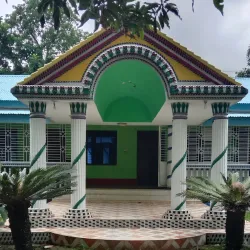
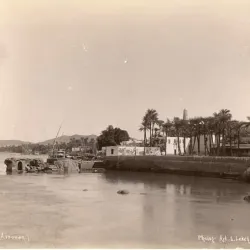
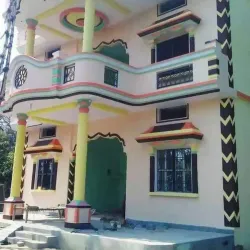
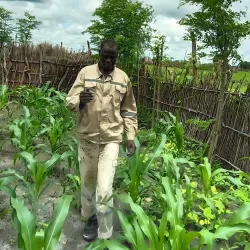

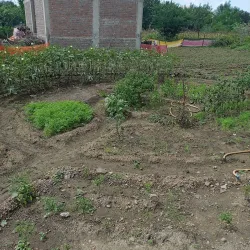
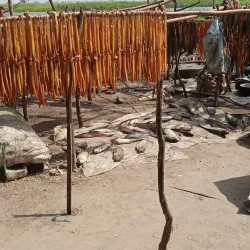
The region around Melut has several cultural sites that reflect the history and heritage of the Upper Nile State. These sites provide context about the area's past and its people.
Nile Riverbank Walks
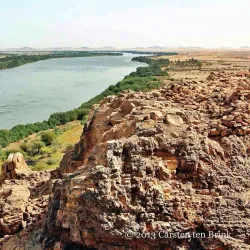
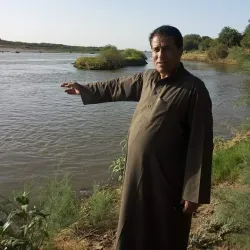
Walking along the banks of the Nile near Melut offers a peaceful way to enjoy the natural environment, observe birdlife, and appreciate the river's significance to the region.
Local Fishing Activities
Fishing is a traditional activity along the White Nile near Melut. Visitors can observe or participate in fishing, gaining insight into the local economy and lifestyle.
Community Cultural Events
Occasionally, Melut hosts cultural events and festivals that showcase traditional music, dance, and ceremonies of the local communities. These events provide a rich cultural experience for visitors.
Wildlife Observation
The natural surroundings of Melut include habitats for various bird species and wildlife. Nature enthusiasts can enjoy observing local fauna in their natural environment.
Local Cuisine Experiences
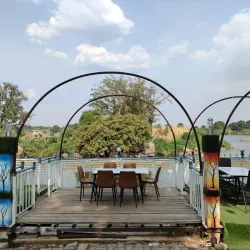
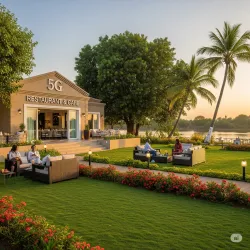
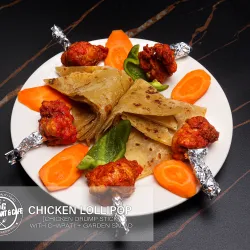
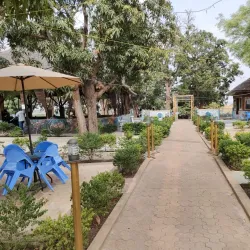
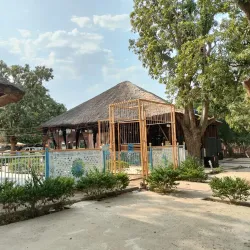
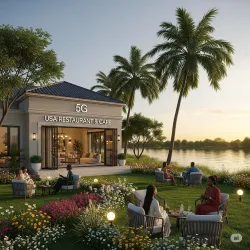
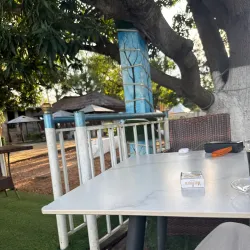

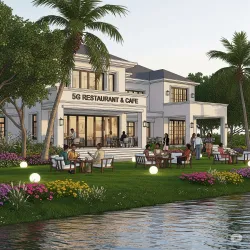
Sampling local South Sudanese cuisine in Melut offers a taste of traditional flavors and dishes unique to the region, often prepared with fresh, local ingredients.
Nile River Boat Tours
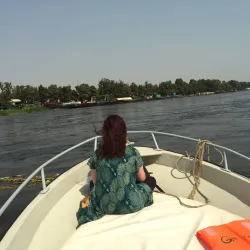
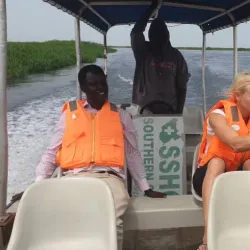
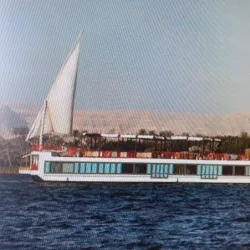
Boat tours on the White Nile provide a unique perspective of the river and its surroundings, allowing visitors to explore areas not easily accessible by land.