Things to do in Aranda de Duero
Aranda de Duero is a charming town located in the province of Burgos, Spain, known for its rich history, vibrant wine culture, and beautiful architecture. Situated in the Ribera del Duero wine region, it offers visitors a unique blend of cultural experiences and scenic beauty.The town is famous for its underground wine cellars, historic churches, and lively festivals. Visitors can explore the old town with its medieval streets, enjoy local gastronomy, and learn about the winemaking traditions that have shaped the region.Underground Wine Cellars (Bodegas Subterráneas)
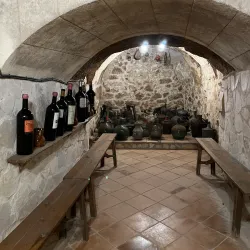
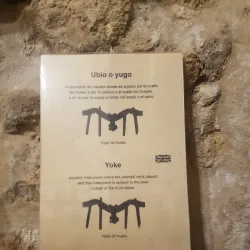
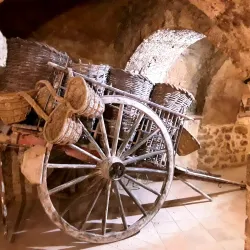
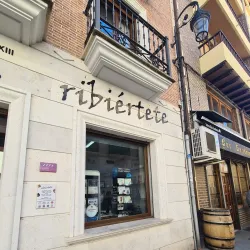
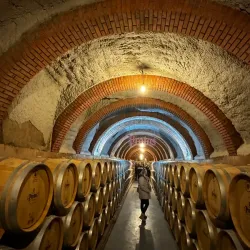
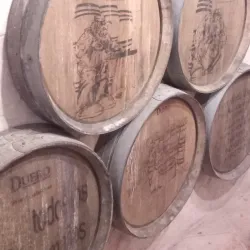
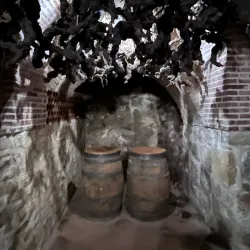
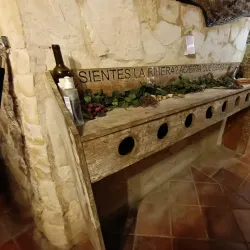
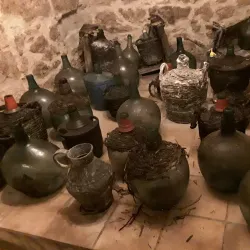
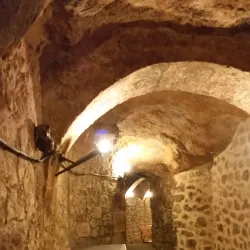
These extensive underground cellars date back to the 12th century and are a testament to the town's long-standing wine tradition. Visitors can tour the labyrinthine tunnels where wine is aged and enjoy tastings of local Ribera del Duero wines.
The cellars are a unique cultural and historical attraction, offering a glimpse into the traditional methods of wine storage and production that have been preserved over centuries.
Church of Santa María la Real
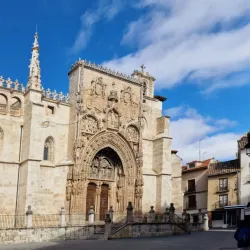

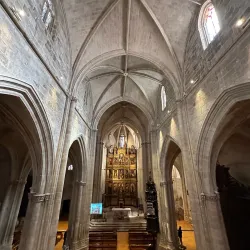
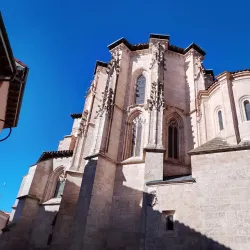
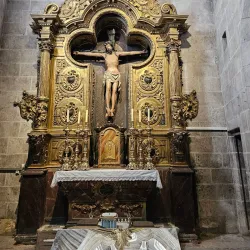
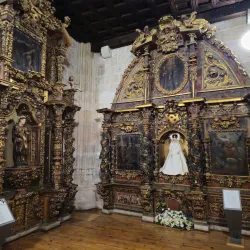
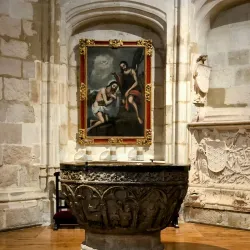
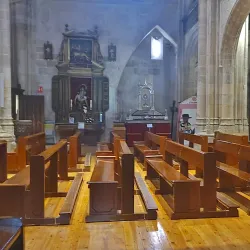
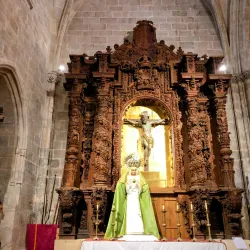
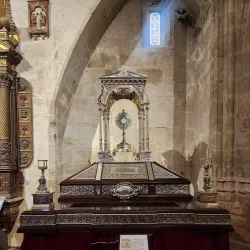
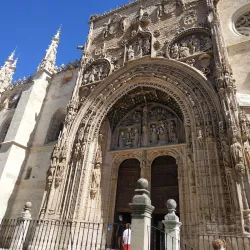
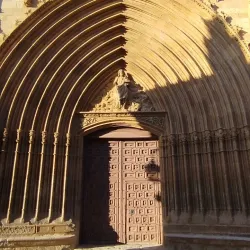
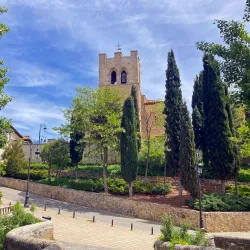
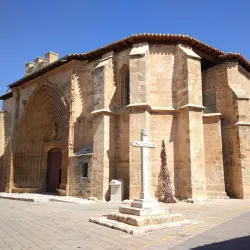
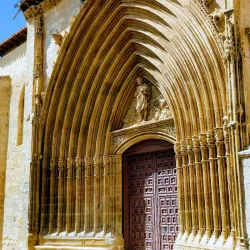
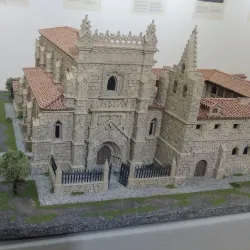
This Gothic-style church is one of the most important religious buildings in Aranda de Duero. It features impressive architectural details, including a beautiful façade and intricate interior decorations.
The church holds significant historical value and is a central landmark in the town, often hosting cultural events and religious ceremonies.
Plaza Mayor
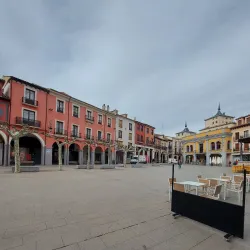
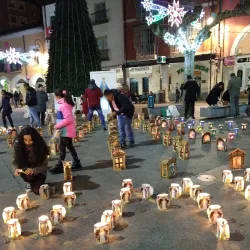
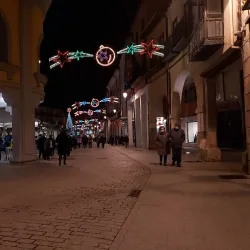
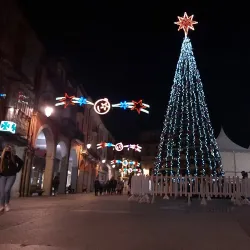
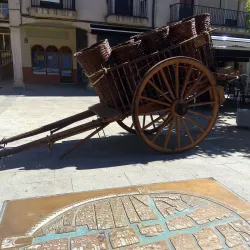
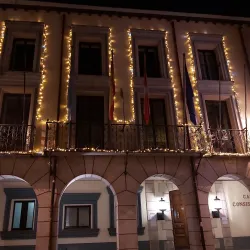
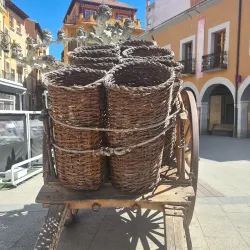
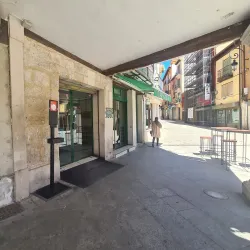
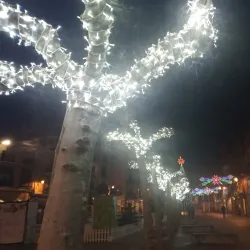
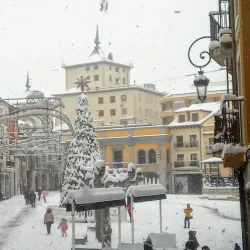
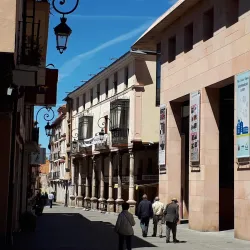
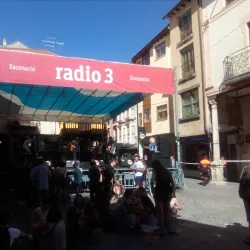
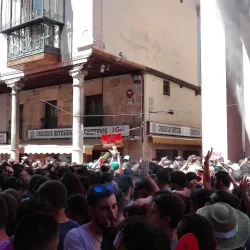
The main square of Aranda de Duero is a lively hub surrounded by historic buildings, cafes, and shops. It serves as the social and cultural heart of the town, hosting markets, festivals, and public gatherings.
The square's charming atmosphere and central location make it an ideal starting point for exploring the town.
Museo de Arte Sacro (Museum of Sacred Art)
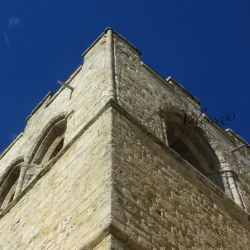
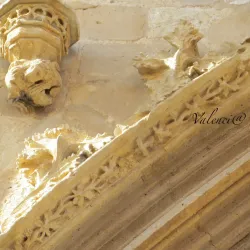
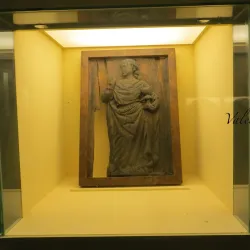
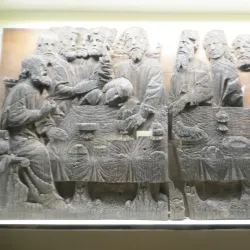
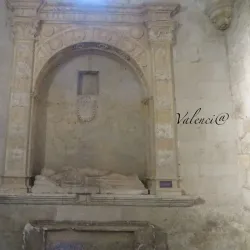
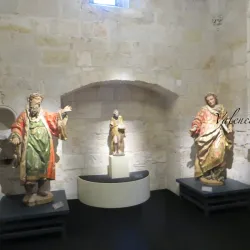
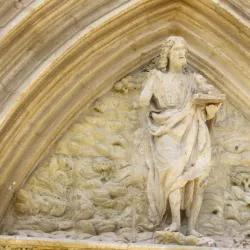
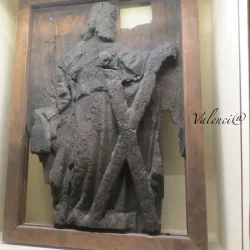
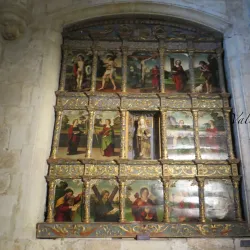
This museum houses a collection of religious art and artifacts, showcasing the spiritual and artistic heritage of the region. Exhibits include paintings, sculptures, and liturgical objects from various periods.
The museum provides insight into the religious history and cultural traditions of Aranda de Duero and its surroundings.
Puente Románico (Romanesque Bridge)
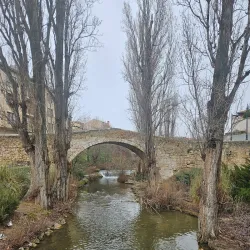
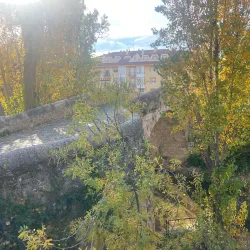
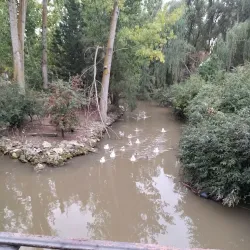
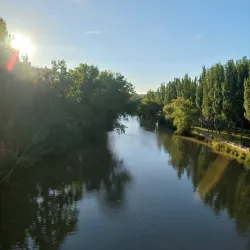
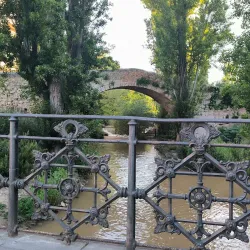
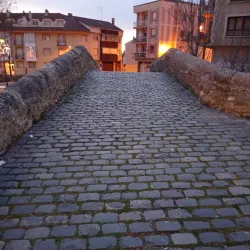
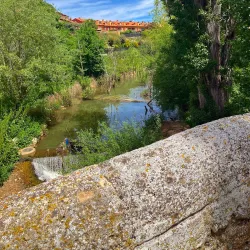
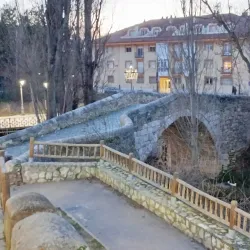
An ancient stone bridge that spans the River Duero, the Puente Románico is a fine example of medieval engineering and architecture. It offers picturesque views of the river and the town.
The bridge is a popular spot for photography and leisurely walks, connecting different parts of the town and its outskirts.
Ermita de San Pedro Regalado


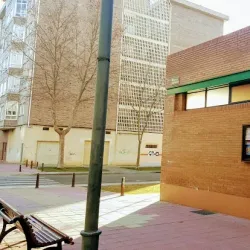

A small hermitage dedicated to Saint Pedro Regalado, known for its serene setting and historical significance. It is a place of pilgrimage and local devotion.
The hermitage is surrounded by natural beauty, making it a peaceful retreat for visitors interested in spirituality and history.
Bodegas y Viñedos (Wineries and Vineyards)
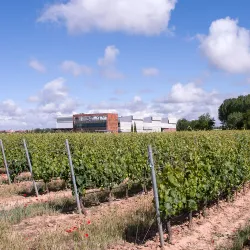
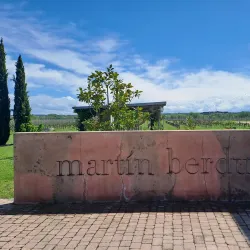

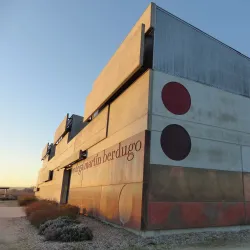
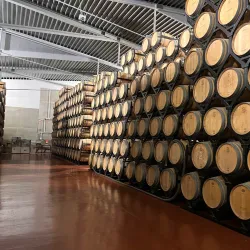

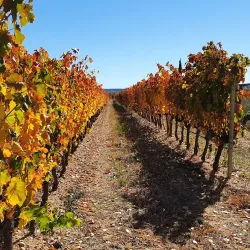
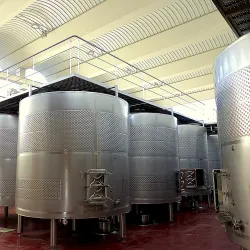
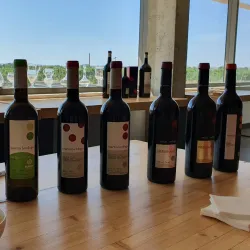
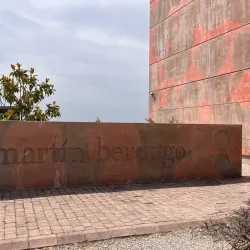
The Ribera del Duero region is renowned for its vineyards and wineries, many of which offer tours and tastings. Visitors can learn about the winemaking process and sample some of Spain's finest red wines.
These wineries provide an immersive experience into the local wine culture and the agricultural landscape of the area.
Casa de las Bolas
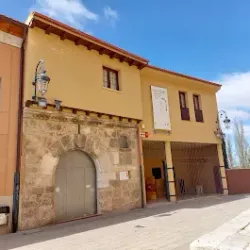
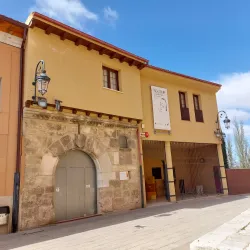
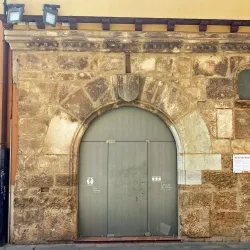
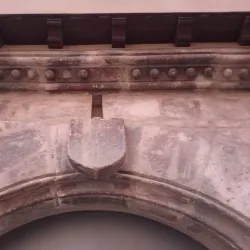
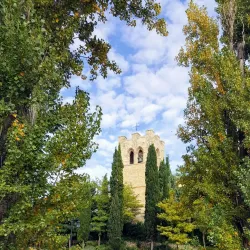

A historic building known for its distinctive architectural feature of stone balls adorning the façade. It is an important cultural landmark in the town.
The building often hosts exhibitions and cultural events, contributing to the town's vibrant artistic scene.
Parque de la Isla
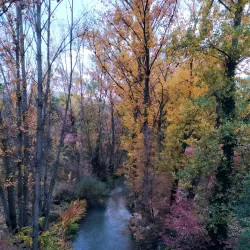
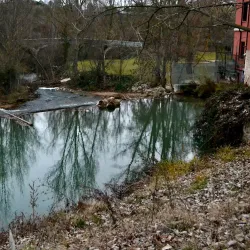
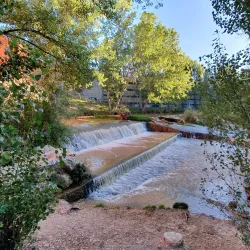
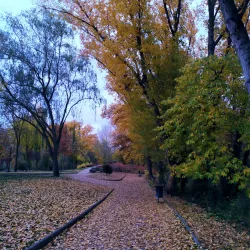
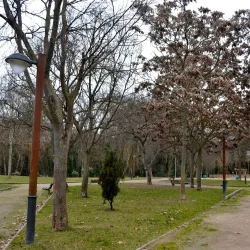
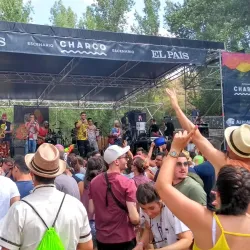
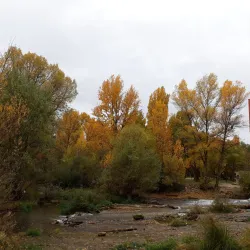
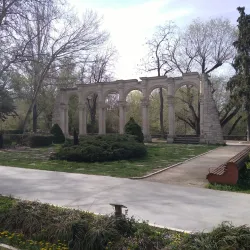
A green urban park offering recreational spaces, walking paths, and playgrounds. It is a popular spot for relaxation and outdoor activities among locals and visitors alike.
The park provides a natural escape within the town, ideal for picnics and leisurely strolls.
Teatro Auditorio de Aranda de Duero
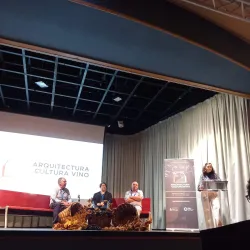
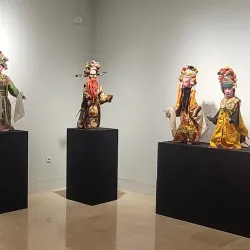
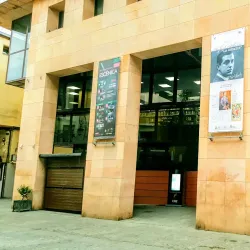

The town's main theater and auditorium hosts a variety of performances, including plays, concerts, and cultural events. It is a center for the performing arts in the region.
The venue supports local artists and brings diverse cultural experiences to the community and visitors.