Things to do in Avila
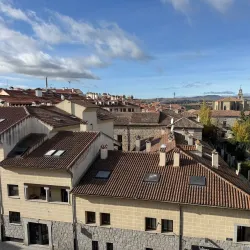
Avila is a historic city in Spain renowned for its remarkably well-preserved medieval walls and rich religious heritage. The city offers visitors a glimpse into Spain's past with its ancient fortifications, Romanesque and Gothic architecture, and numerous churches and convents.The city is a UNESCO World Heritage Site and is known for its charming old town, which is surrounded by imposing stone walls that date back to the 11th century. Avila's atmosphere is steeped in history, making it a fascinating destination for those interested in medieval Spain and religious history.Walls of Avila
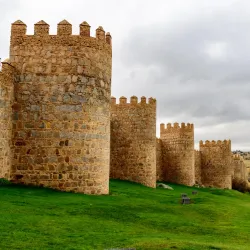
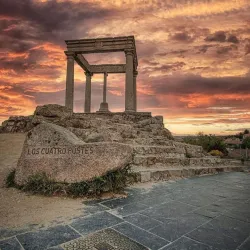
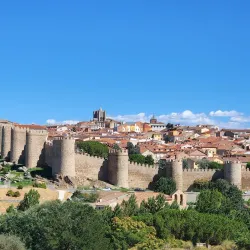
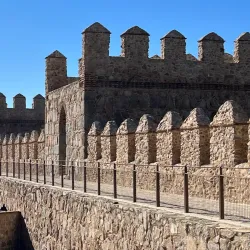
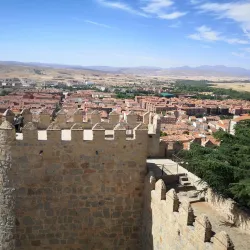
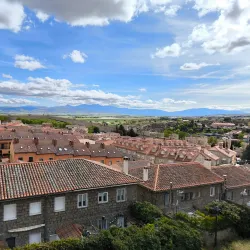
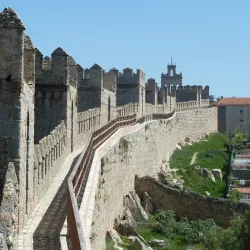
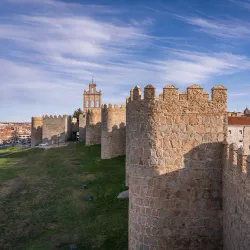
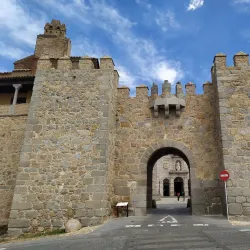
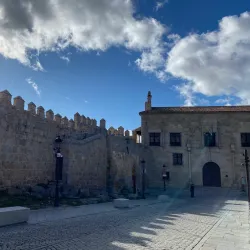
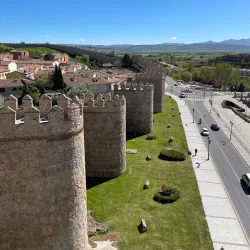
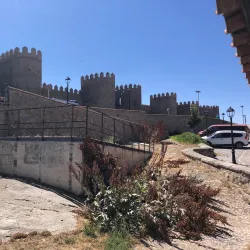
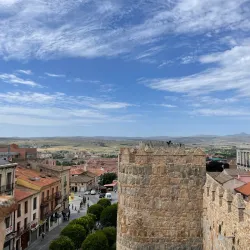
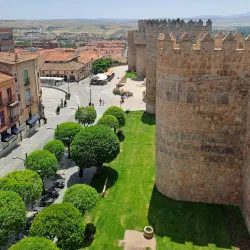
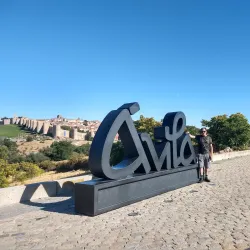
The Walls of Avila are the city's most iconic feature, stretching nearly 2.5 kilometers and featuring 88 towers and nine gates. These medieval fortifications were built in the 11th century and are among the best-preserved city walls in Europe.
Visitors can walk along parts of the walls to enjoy spectacular views of the city and surrounding countryside, making it a must-see attraction for history enthusiasts and photographers.
Avila Cathedral (Cathedral of Cristo Salvador)
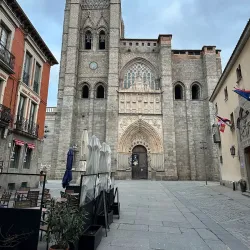
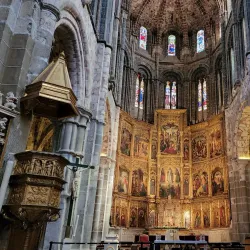
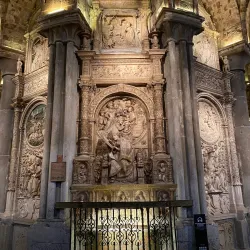
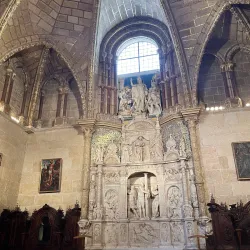
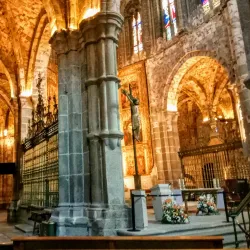
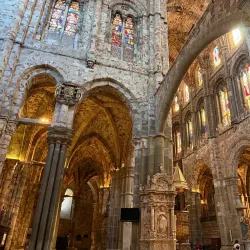
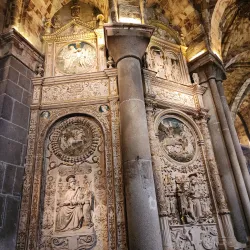
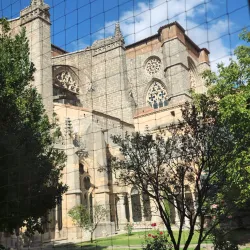
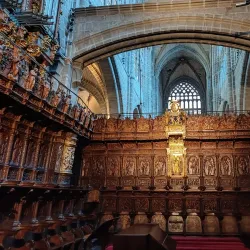
This impressive Gothic cathedral, integrated into the city walls, is one of the earliest Gothic cathedrals in Spain. Construction began in the 12th century and continued for several centuries, resulting in a blend of architectural styles.
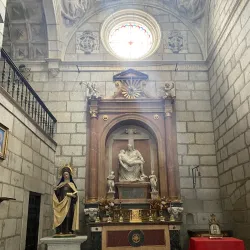
The cathedral houses beautiful chapels, a stunning altarpiece, and a museum with religious artifacts. Its fortress-like exterior reflects its dual role as a place of worship and defense.
Convent of Saint Teresa (Convento de Santa Teresa)
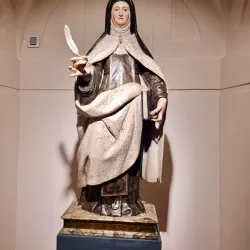
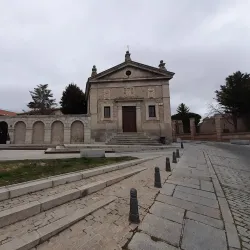
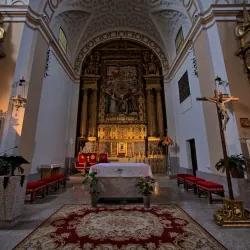
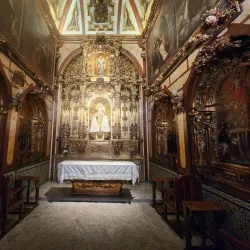
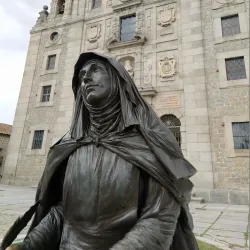
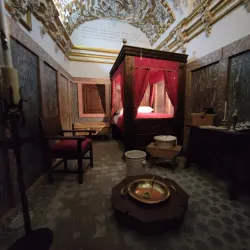
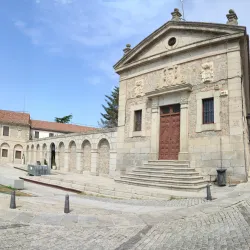
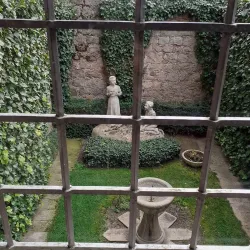
Dedicated to Saint Teresa of Ávila, one of Spain's most important mystics and reformers of the Carmelite Order, this convent is a key religious site in the city.
The convent includes a museum that displays relics, manuscripts, and artworks related to Saint Teresa's life and legacy, offering insight into her spiritual influence and the history of the Carmelite order.
Basilica of San Vicente
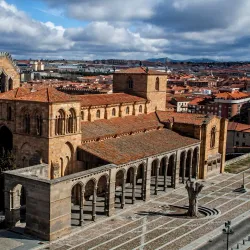
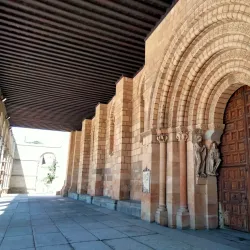
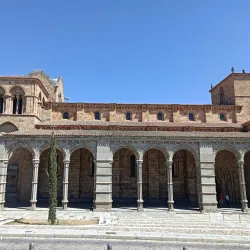
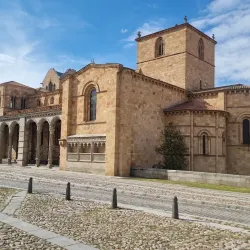
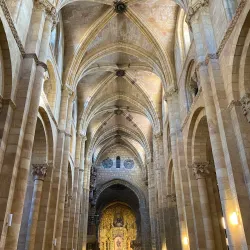
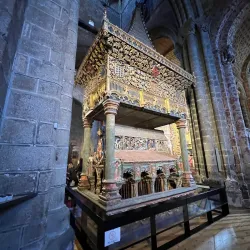
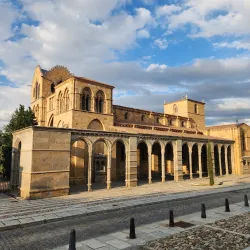
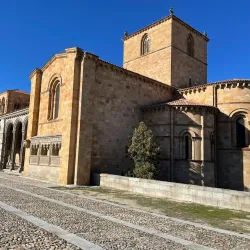
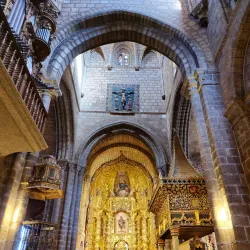
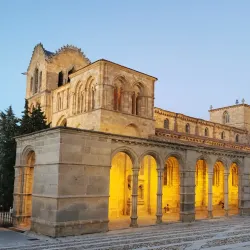
This Romanesque church is one of Avila's most significant religious buildings, known for its intricate stone carvings and historical importance.
The basilica is dedicated to the Christian martyrs Vicente, Sabina, and Cristeta and features a beautiful cloister and crypt, attracting visitors interested in medieval architecture and religious history.
Plaza Mayor
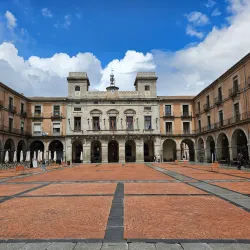
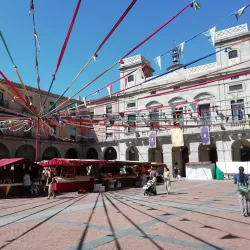
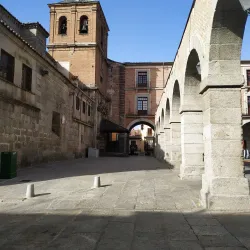
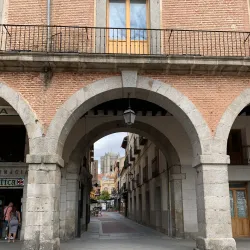
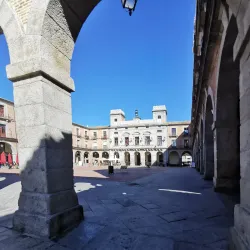
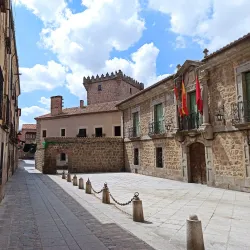
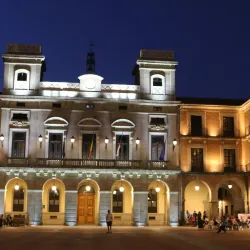
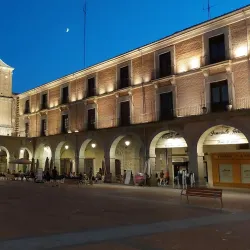
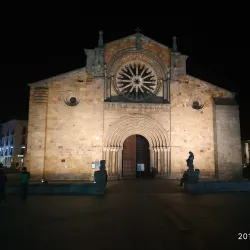
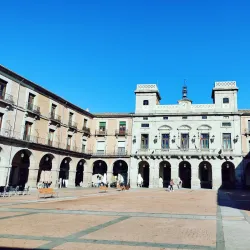
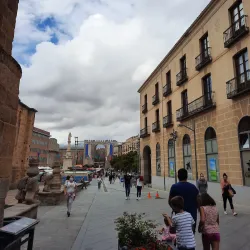
The main square of Avila, Plaza Mayor is a lively gathering place surrounded by historic buildings, cafes, and shops.
It serves as the social and cultural heart of the city, hosting markets, festivals, and events throughout the year, making it a great spot to experience local life.
Palacio de los Velada
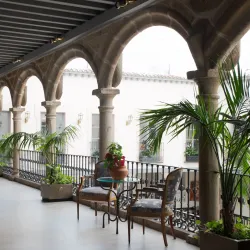

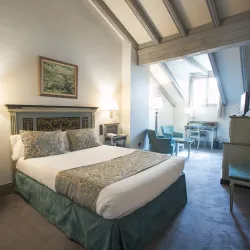
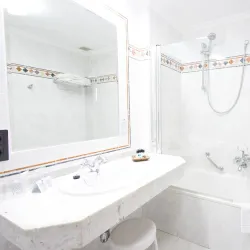
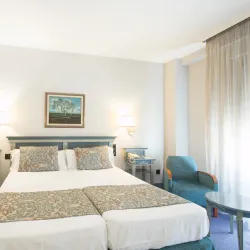
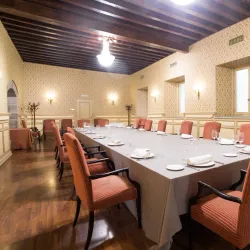
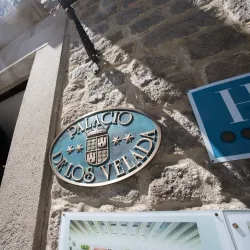
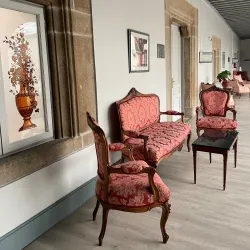
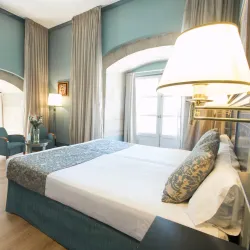

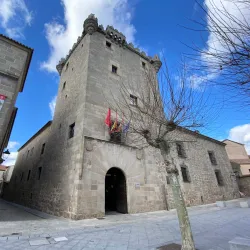
This Renaissance palace was once the residence of the Counts of Los Velada and now houses a cultural center and museum.
Visitors can admire its elegant architecture, period furnishings, and art exhibitions that highlight the history and culture of Avila.
Museum of Avila (Museo Provincial de Ávila)
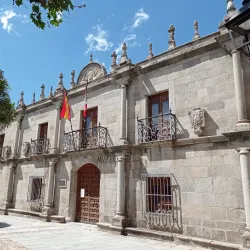
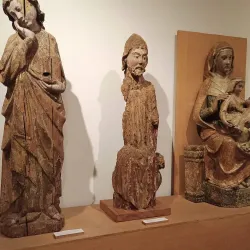
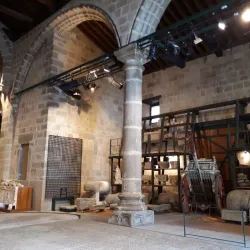
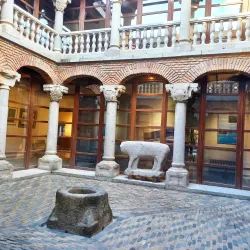
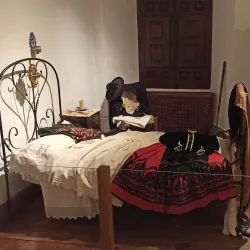
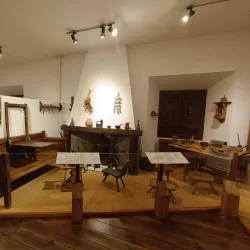
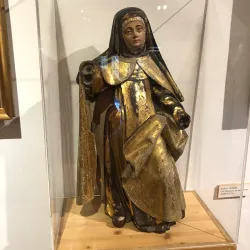
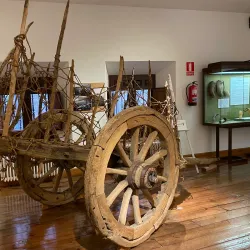
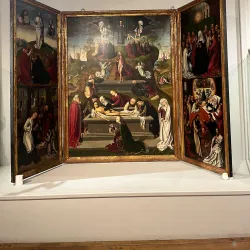
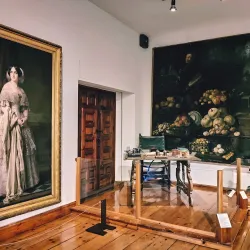
Located in a historic building, this museum offers a comprehensive overview of the region's history, archaeology, and art.
Exhibits include prehistoric artifacts, Roman relics, medieval art, and works by local artists, providing a deep dive into Avila's cultural heritage.
Church of San Pedro
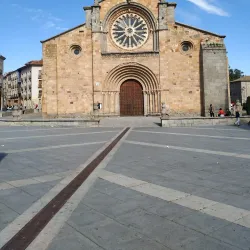
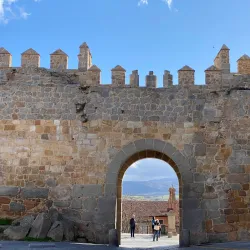
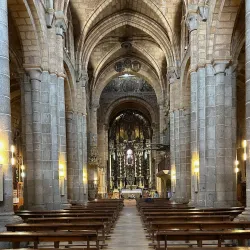

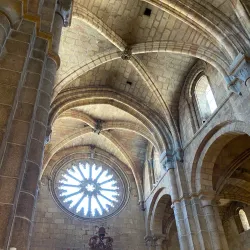


A Romanesque church known for its distinctive architecture and historical significance within the city.
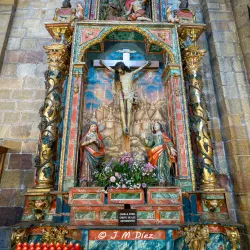
The church features notable stonework, a beautiful bell tower, and an interior that reflects Avila's religious traditions and medieval past.
Hermitage of San Segundo
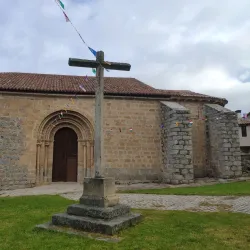
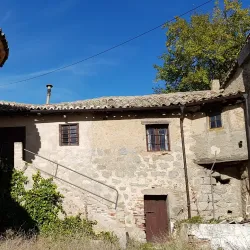
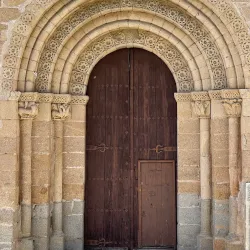
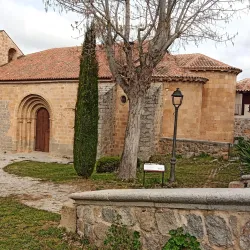
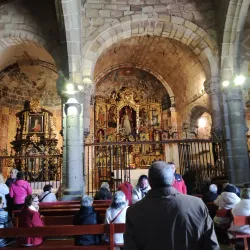
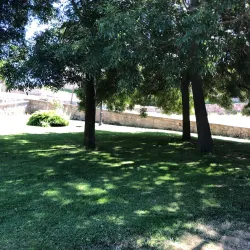
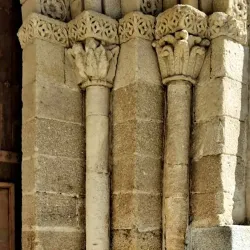
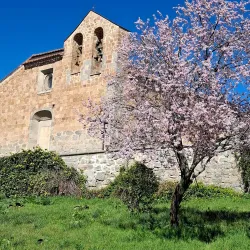
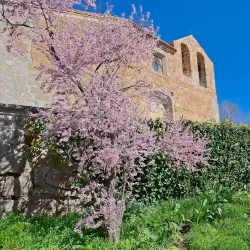
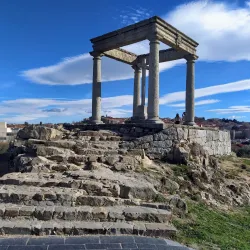
This small hermitage is dedicated to San Segundo, the patron saint of Avila, and is located just outside the city walls.
It is a site of local religious importance and offers visitors a peaceful setting with views of the surrounding landscape.
Puerta del Alcázar
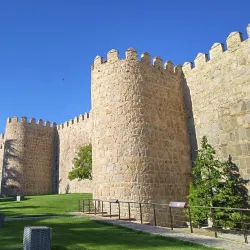
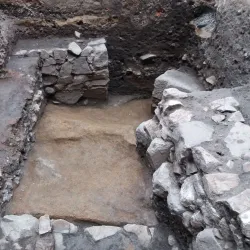
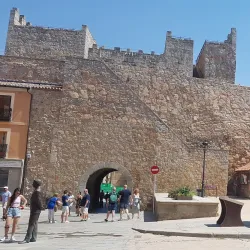
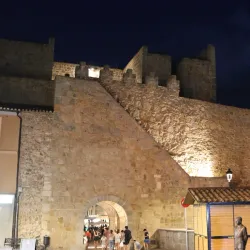
One of the main gates in the Walls of Avila, Puerta del Alcázar is notable for its defensive architecture and historical role in protecting the city.
The gate provides access to the old town and is a popular spot for visitors to start exploring the medieval city.