Things to do in Aviles
Avilés is a charming coastal town located in the Asturias region of northern Spain. Known for its rich maritime history, well-preserved old town, and vibrant cultural scene, Avilés offers visitors a blend of historical architecture and modern attractions.The town features a variety of neighborhoods, each with its own unique character, from the medieval streets of the historic center to the contemporary art spaces and waterfront areas. Avilés is also famous for its festivals, gastronomy, and proximity to beautiful natural landscapes along the Asturian coast.Historic Center of Avilés
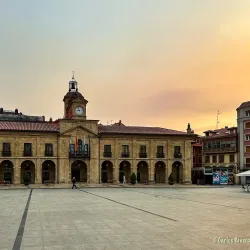
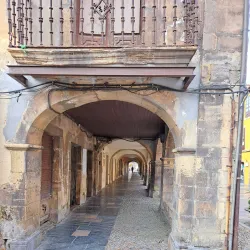
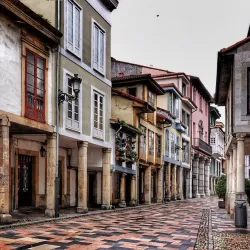
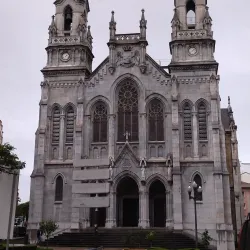
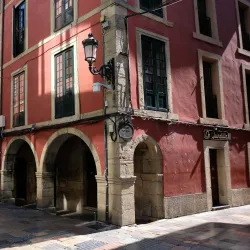
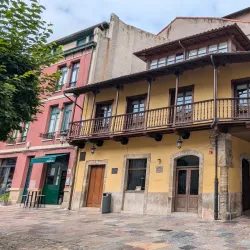
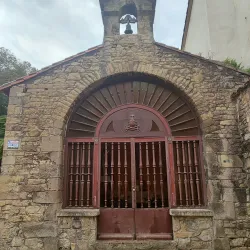
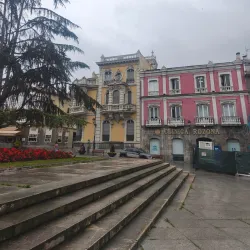
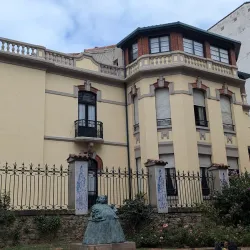
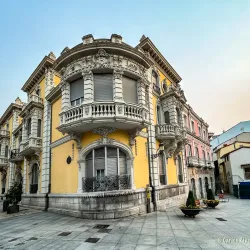
The historic center of Avilés is a beautifully preserved area featuring narrow medieval streets, charming plazas, and notable buildings such as the Church of San Nicolás and the Palacio de Valdecarzana. It is the heart of the town's cultural and social life.
Walking through this area offers a glimpse into Avilés' past with its traditional architecture and lively atmosphere, including cafes, shops, and local markets.
Centro Niemeyer
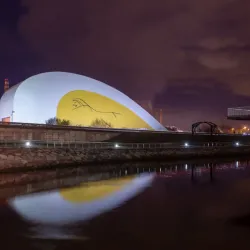
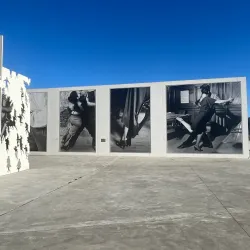

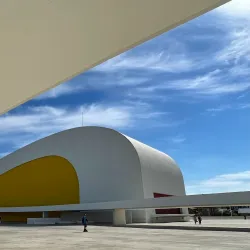
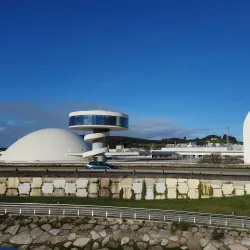
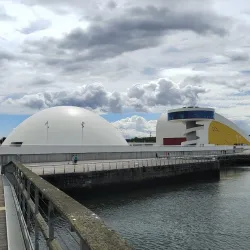
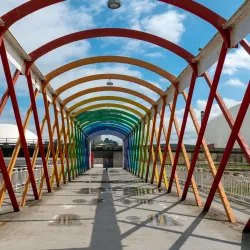
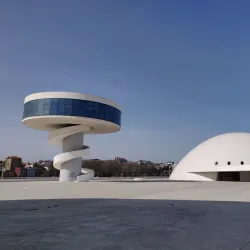
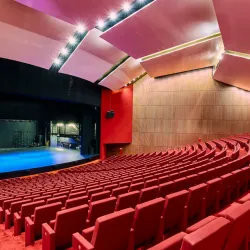
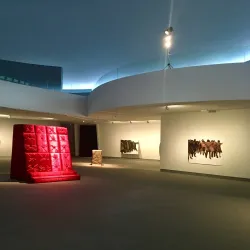
Designed by the renowned Brazilian architect Oscar Niemeyer, the Centro Niemeyer is a striking cultural complex located on the waterfront. It hosts exhibitions, concerts, theater performances, and film screenings.
The modernist design contrasts with the historic town, making it a symbol of Avilés' contemporary cultural identity and a must-visit for architecture enthusiasts.
Church of San Nicolás de Bari
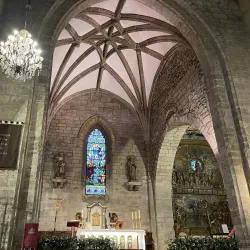
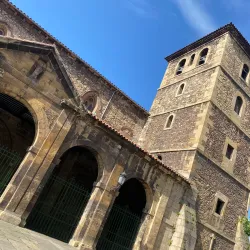
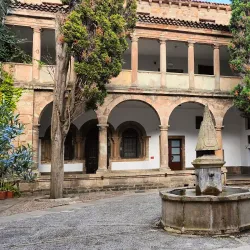
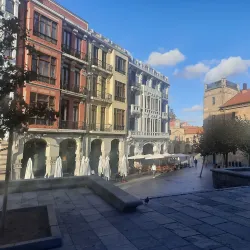
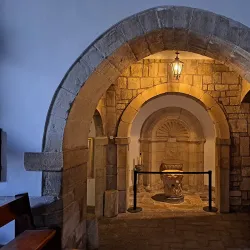
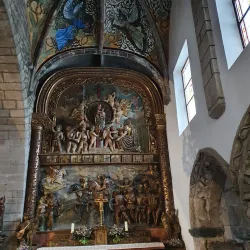
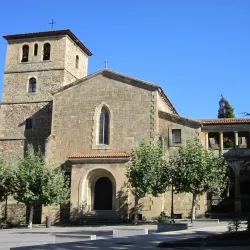
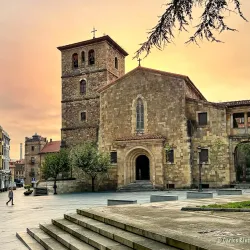
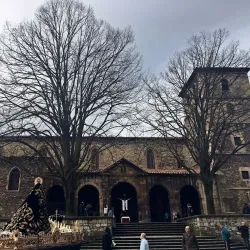
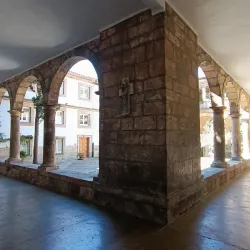
This Gothic-style church dates back to the 14th century and is one of the most important religious buildings in Avilés. It features impressive stonework, stained glass windows, and a peaceful interior.
The church is located in the historic center and is a key site for understanding the town's medieval heritage.
Palacio de Valdecarzana
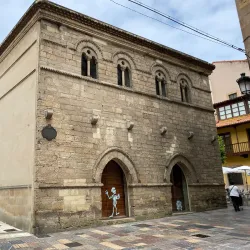
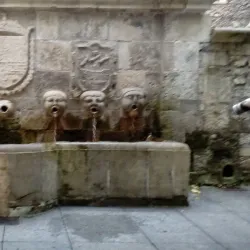
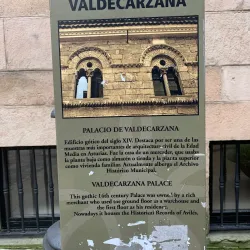
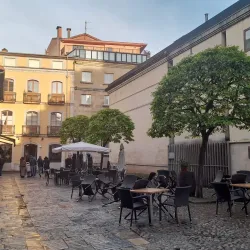
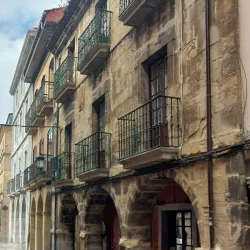
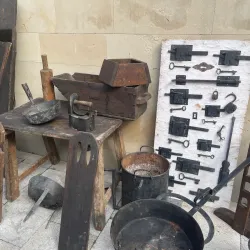

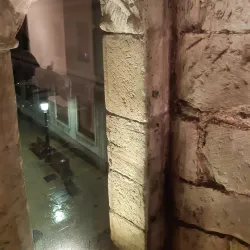

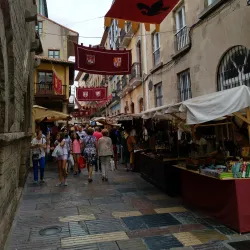
A Renaissance palace located in the historic center, the Palacio de Valdecarzana is notable for its elegant façade and historical significance. It now serves as a cultural venue hosting exhibitions and events.
The palace reflects the wealth and influence of Avilés' noble families during the Renaissance period.
Plaza de España
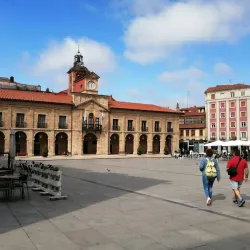
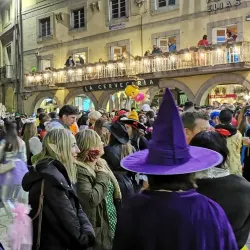

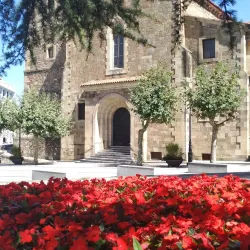
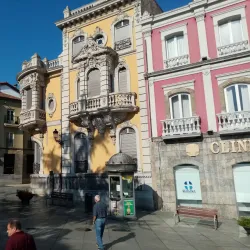
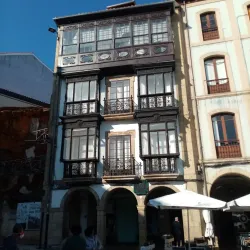
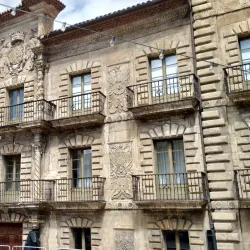
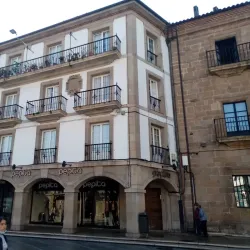
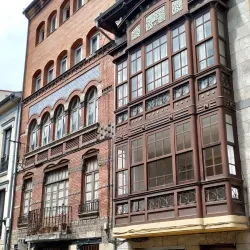
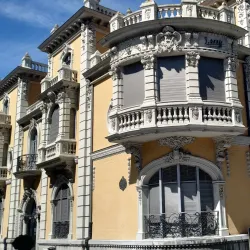
The main square of Avilés, Plaza de España is a lively gathering place surrounded by historic buildings, cafes, and shops. It often hosts local events and markets.
The square is a great spot to experience the local atmosphere and enjoy outdoor dining or people-watching.
Museo de la Historia Urbana de Avilés (MUJA)
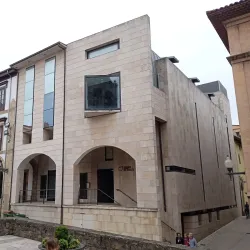

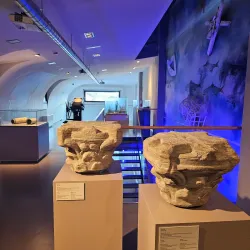

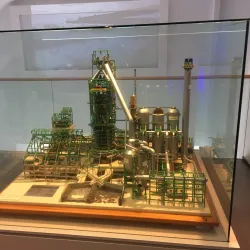
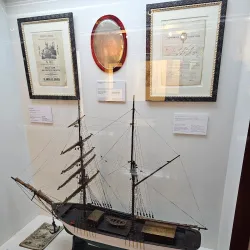
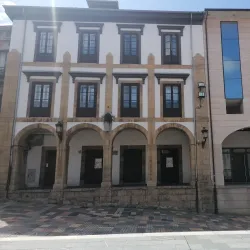
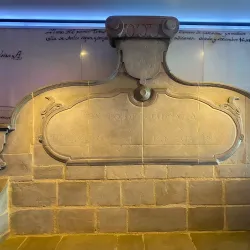
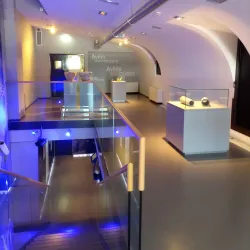
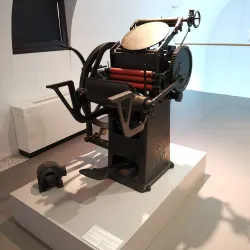
This museum offers insights into the urban development and history of Avilés through interactive exhibits and historical artifacts.
It is an excellent place to learn about the town's evolution from a medieval port to a modern urban center.
Parque de Ferrera
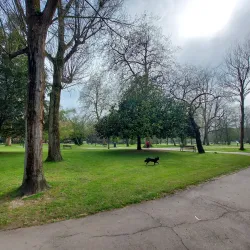
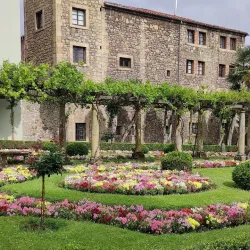

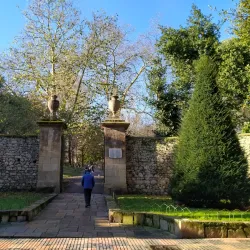
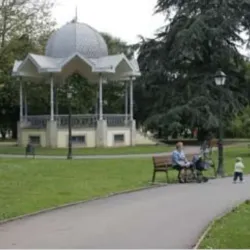
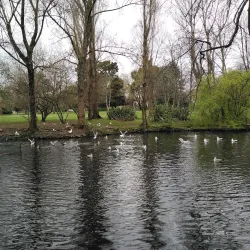
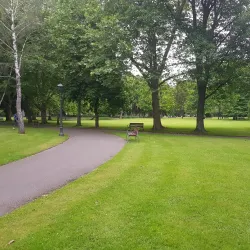
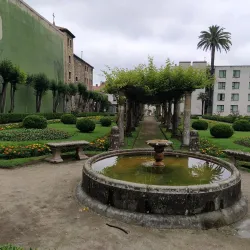

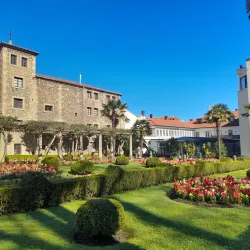
A large and beautifully landscaped park in Avilés, Parque de Ferrera is perfect for leisurely walks, picnics, and enjoying nature within the town.
The park features gardens, fountains, and playgrounds, making it a popular spot for families and outdoor activities.
Ría de Avilés
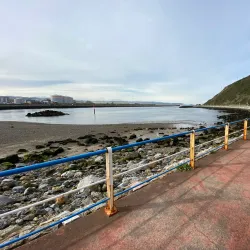
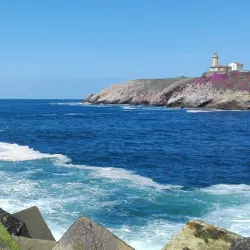
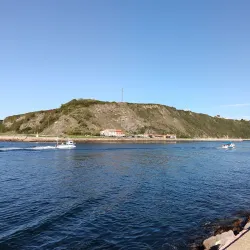
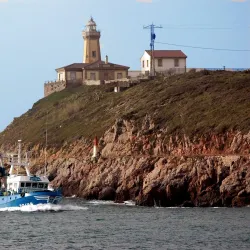
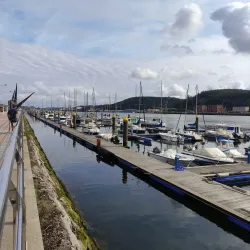
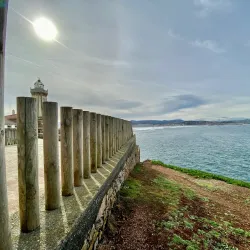
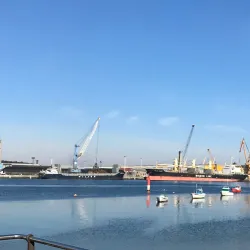


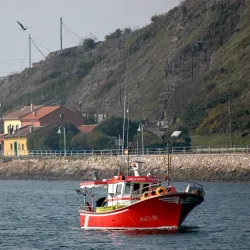
The estuary of the Avilés River offers scenic views and opportunities for walking along the waterfront. It is an important natural and economic feature of the town.
Visitors can enjoy boat tours, birdwatching, and the peaceful ambiance of the riverside area.
Teatro Palacio Valdés
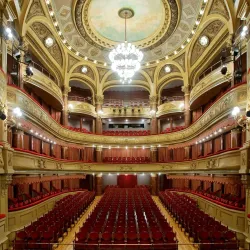
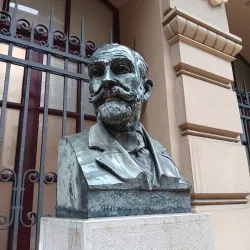
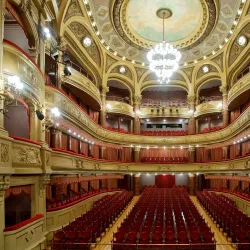
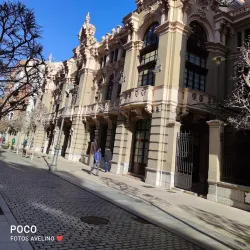

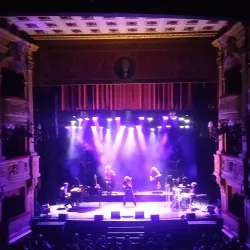
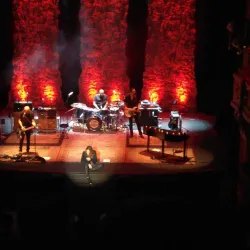
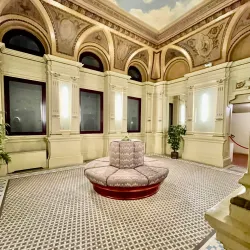

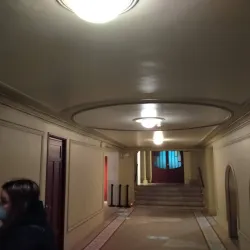
A historic theater named after the famous playwright Armando Palacio Valdés, this venue hosts a variety of performances including plays, concerts, and cultural events.
The theater's architecture and programming make it a cultural highlight in Avilés.
Iglesia de Santo Tomás de Canterbury
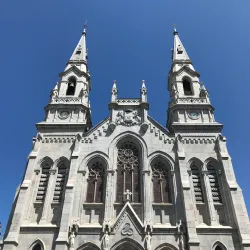
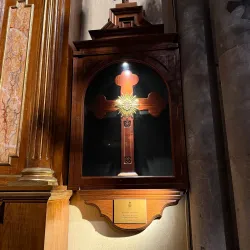
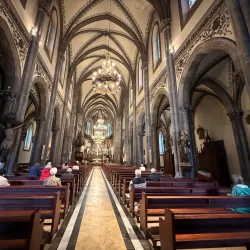
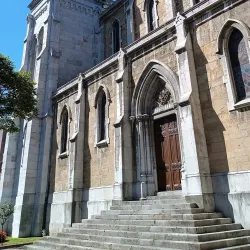
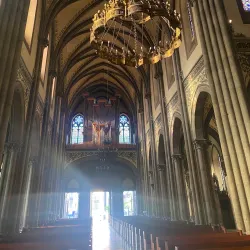
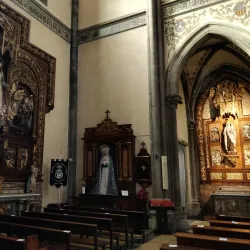
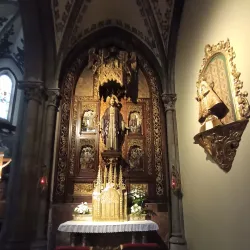
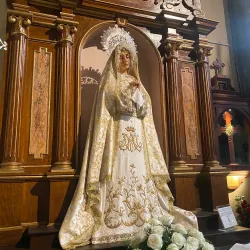
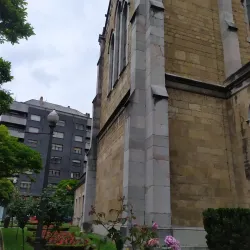
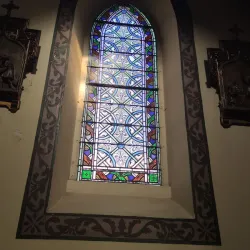
This church is another important religious site in Avilés, known for its Baroque architecture and artistic interior.
It contributes to the town's rich religious and architectural heritage.