Things to do in Ceuta
Ceuta is a Spanish autonomous city located on the north coast of Africa, bordered by Morocco. It offers a unique blend of European and African cultures, rich history, and stunning coastal views. The city is known for its strategic location, historical fortifications, and diverse cultural heritage.Visitors to Ceuta can explore a variety of neighborhoods that reflect its multicultural identity, from ancient Roman ruins to modern urban areas. The city’s proximity to the Mediterranean Sea provides beautiful beaches and natural parks, making it an attractive destination for both history enthusiasts and nature lovers.Royal Walls of Ceuta
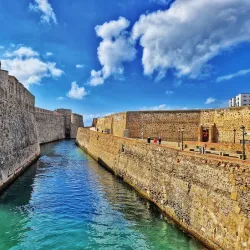
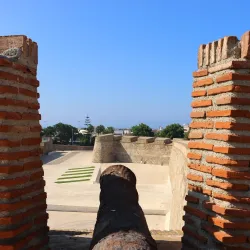
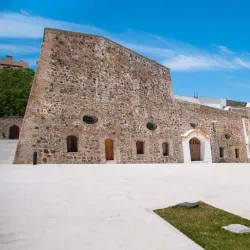
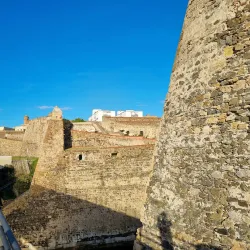
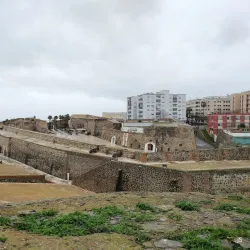

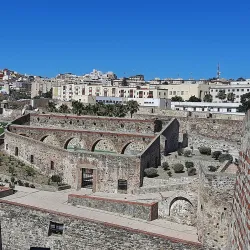

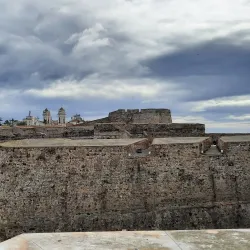
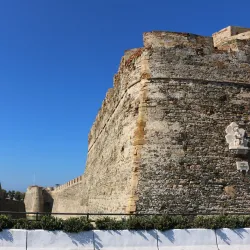
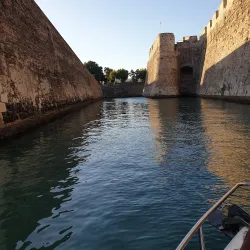
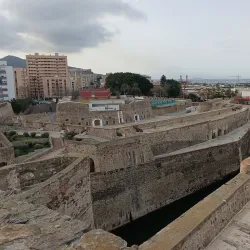
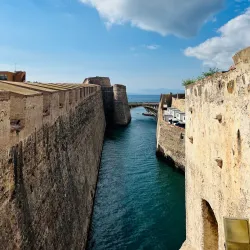
The Royal Walls of Ceuta are a series of fortifications that date back to the 16th century. These walls were built to protect the city from invasions and are among the best-preserved military structures in the region.
Visitors can walk along the walls and enjoy panoramic views of the city and the Mediterranean Sea, making it a must-see for history buffs and photographers alike.
Monte Hacho
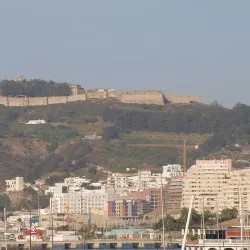
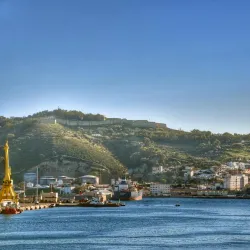
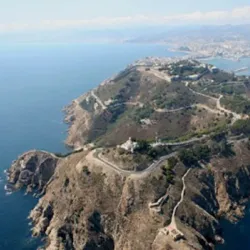
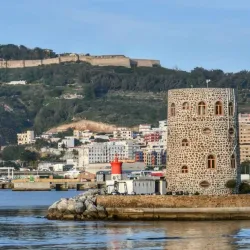
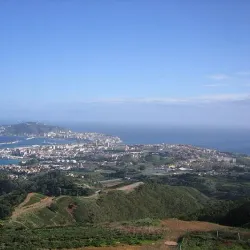
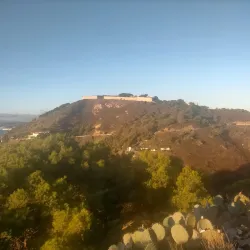
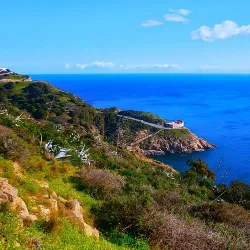
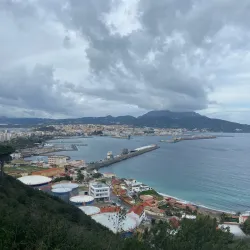
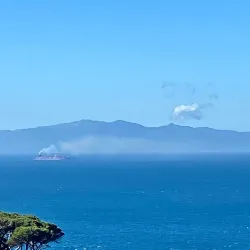
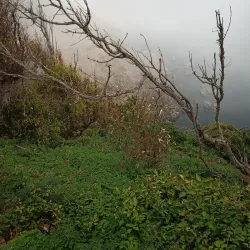
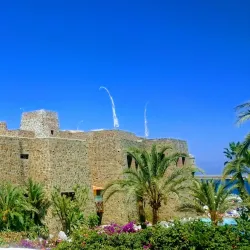
Monte Hacho is a prominent hill overlooking Ceuta and the Strait of Gibraltar. It is home to a historic fortress and offers spectacular views of the surrounding area, including the African coast and the Mediterranean Sea.
The site is significant for its strategic military importance throughout history and is a great spot for hiking and sightseeing.
Plaza de África
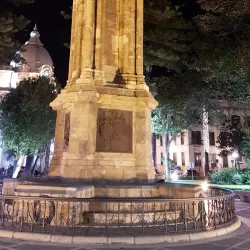
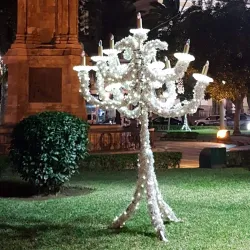
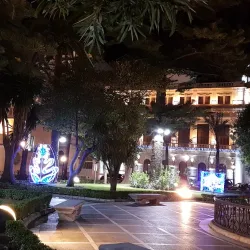
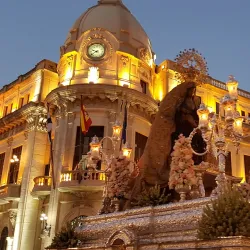
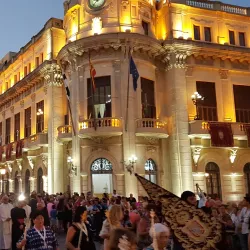
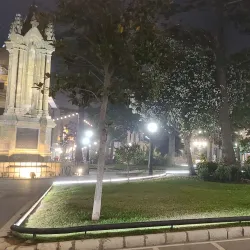
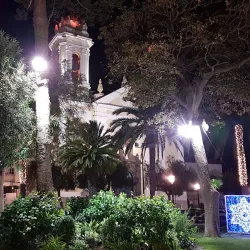
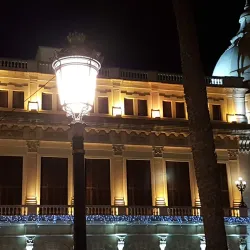
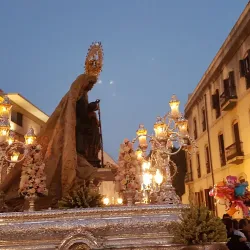
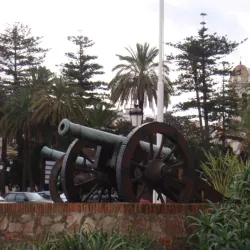
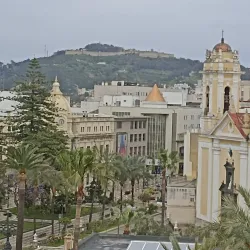
Plaza de África is the main square in Ceuta, surrounded by important buildings such as the Cathedral of St. Mary of the Assumption and the City Hall.
The square is a lively gathering place with cafes and shops, reflecting the vibrant cultural life of the city.
Cathedral of St. Mary of the Assumption
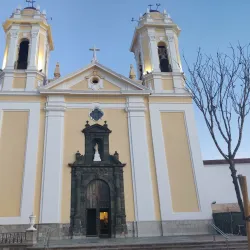
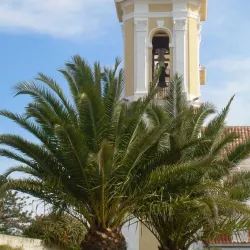
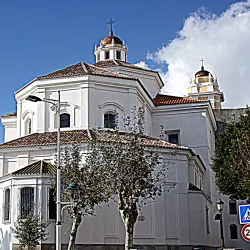
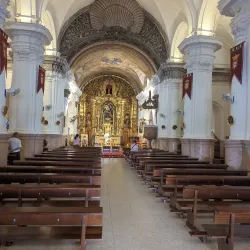
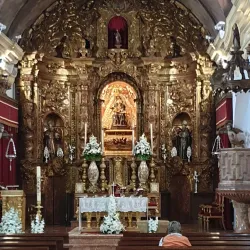
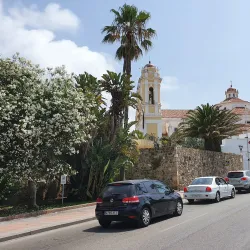
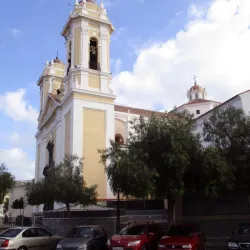
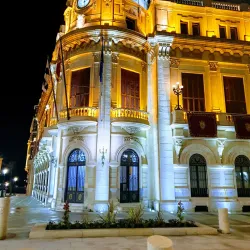
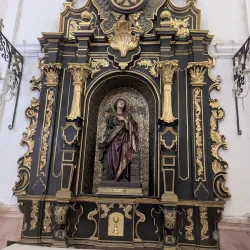
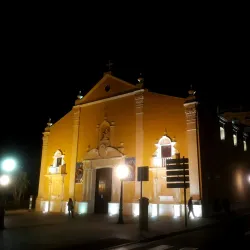
This cathedral is a beautiful example of religious architecture in Ceuta, combining Gothic and Renaissance styles. It serves as the main place of worship in the city and houses important religious artworks.
The cathedral is located near Plaza de África and is a key landmark for visitors interested in history and architecture.
Parque Marítimo del Mediterráneo
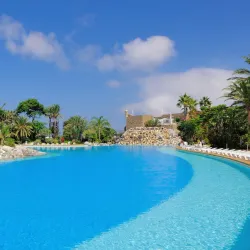
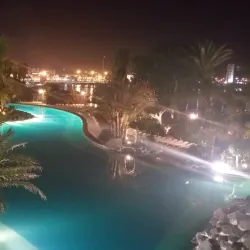
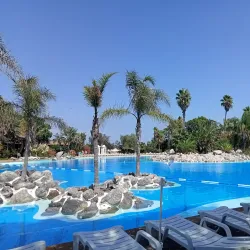
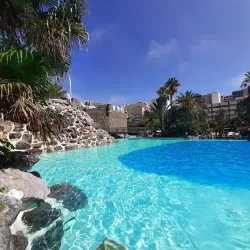
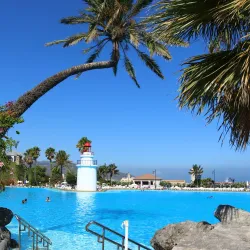
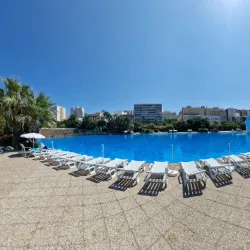
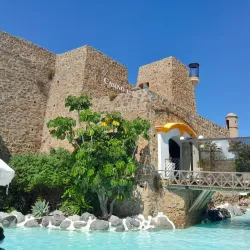
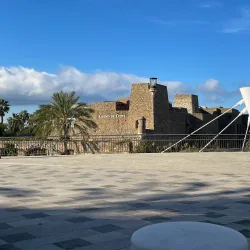
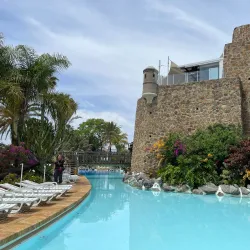
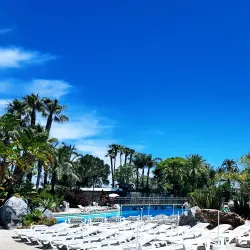
This maritime park is a modern recreational area featuring artificial lakes, gardens, and swimming pools. It is designed to resemble a tropical paradise and offers a relaxing environment for families and tourists.
The park also includes restaurants and leisure facilities, making it a popular spot for both locals and visitors.
Museum of Ceuta
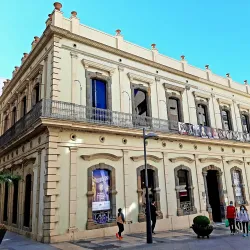
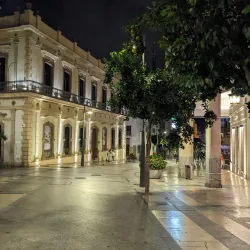
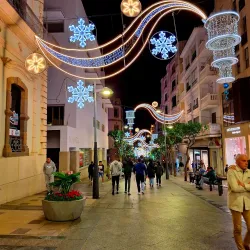
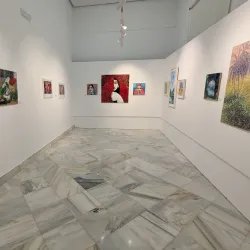
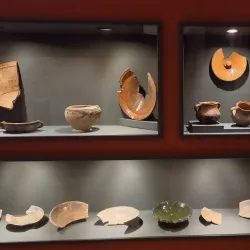
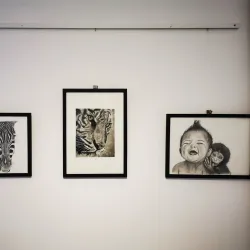
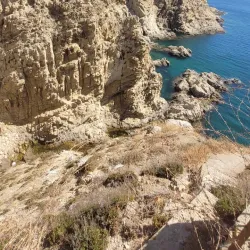
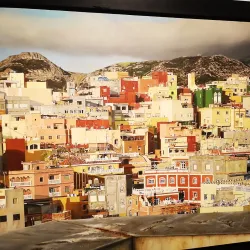
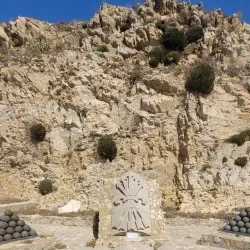
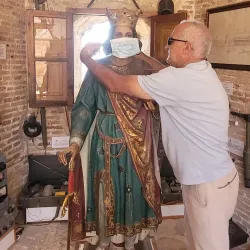
The Museum of Ceuta showcases the city’s rich history and cultural heritage through a collection of archaeological finds, ethnographic exhibits, and historical artifacts.
It provides insight into the diverse influences that have shaped Ceuta over the centuries, from ancient times to the present.
Playa de la Ribera
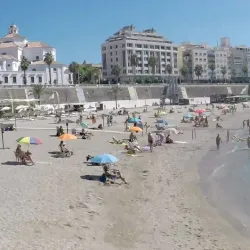
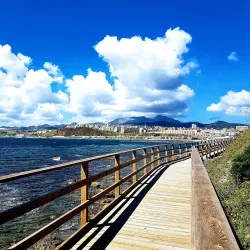
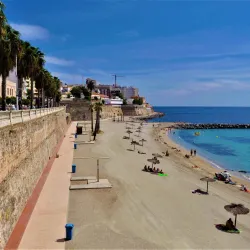
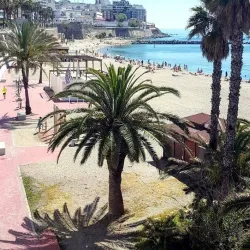
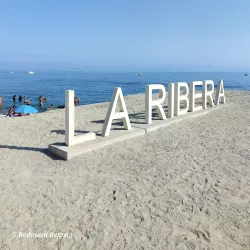
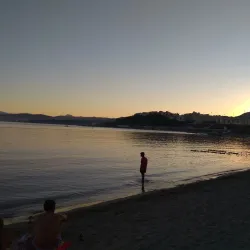
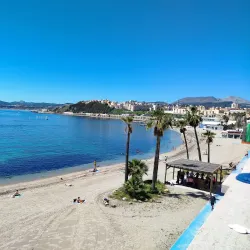
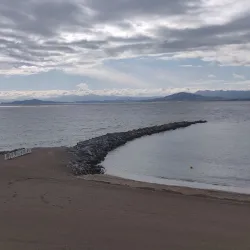
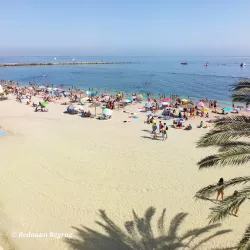
Playa de la Ribera is one of Ceuta’s main beaches, located close to the city center. It offers golden sand, clear waters, and facilities for visitors, making it ideal for swimming and sunbathing.
The beach is easily accessible and popular among both locals and tourists during the warmer months.
Fort of El Desnarigado
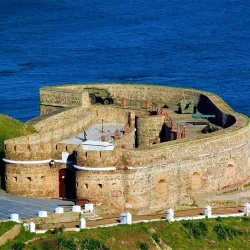
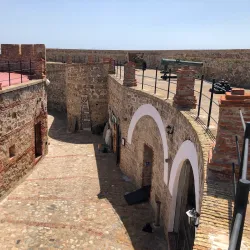
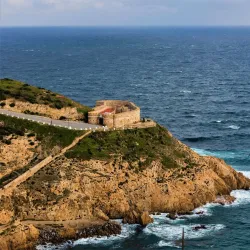
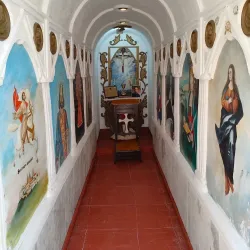
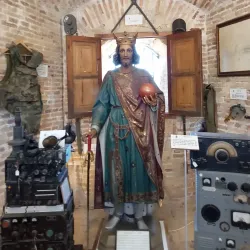
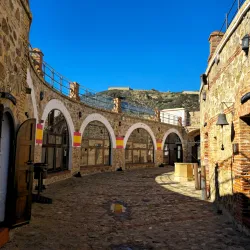
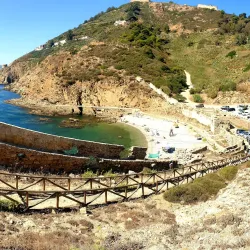
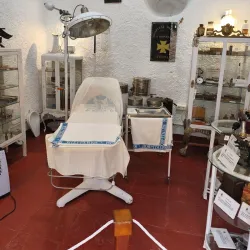
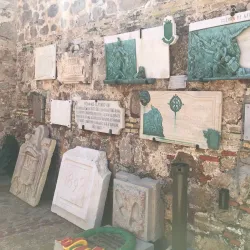
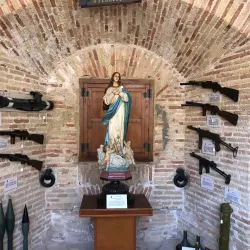
This historic fort is part of Ceuta’s extensive defensive system. It played a crucial role in protecting the city from naval attacks and is an interesting site for those interested in military history.
The fort offers views of the sea and the city, providing a glimpse into Ceuta’s strategic importance over the centuries.
Parque Urbano Juan Carlos I
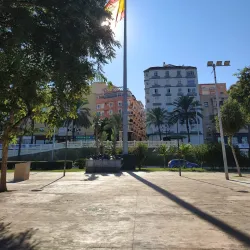
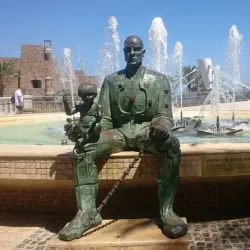
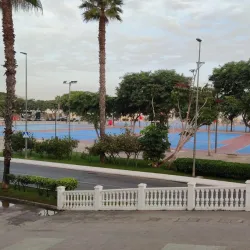
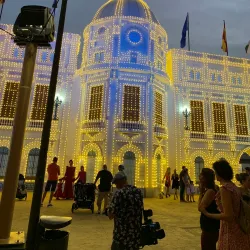
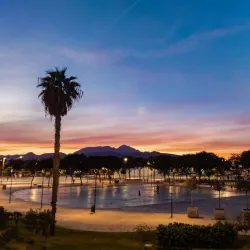
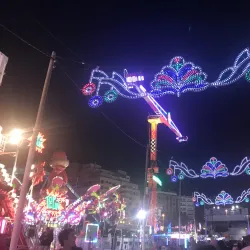
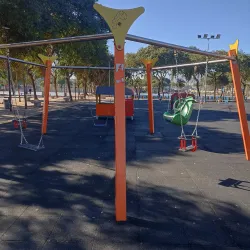
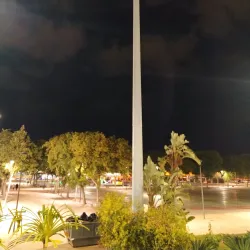
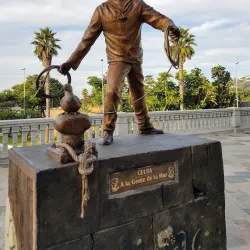
A large urban park in Ceuta, offering green spaces, walking paths, playgrounds, and sports facilities. It is a popular spot for relaxation and outdoor activities among residents and visitors alike.
The park is well-maintained and provides a peaceful environment within the city.
Puerta Califal
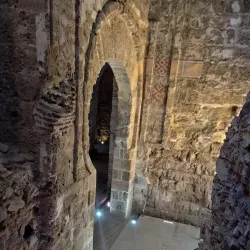
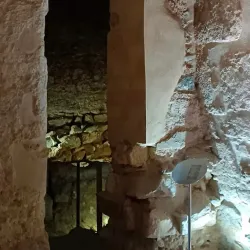
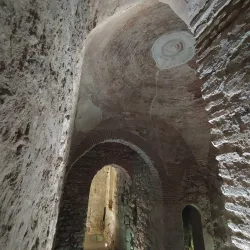
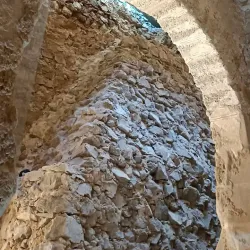
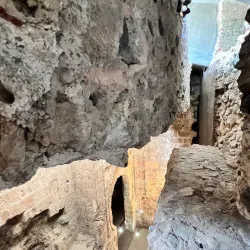
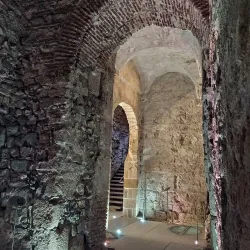
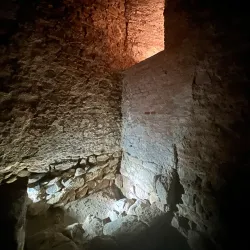
Puerta Califal is an ancient gate that dates back to the Islamic period of Ceuta’s history. It is one of the few remaining structures from that era and represents the city’s diverse cultural past.
The gate is an important historical monument and a point of interest for visitors exploring Ceuta’s old town.