Things to do in Écija
Écija, located in the province of Seville, Spain, is a city rich in history and culture, often referred to as the 'City of Towers' due to its numerous church towers that dominate the skyline. The city boasts a wealth of Baroque architecture, Roman ruins, and vibrant local traditions, making it a fascinating destination for history enthusiasts and cultural explorers alike.The city's charming streets, historic plazas, and impressive religious buildings offer visitors a glimpse into its past as a significant Roman settlement and later as a prosperous Andalusian town. Écija's museums and archaeological sites further enrich the visitor experience, providing insights into its diverse heritage.Church of Santa María
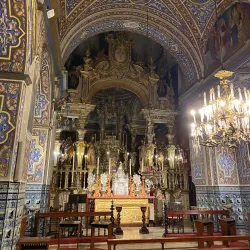
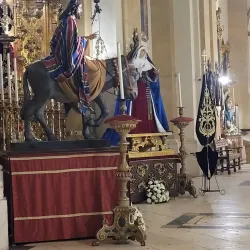
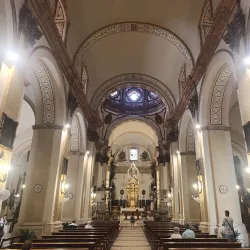
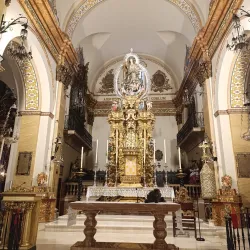
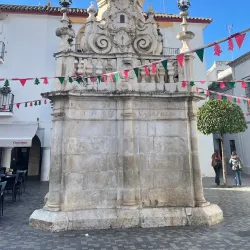
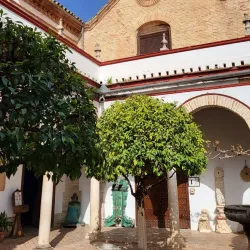
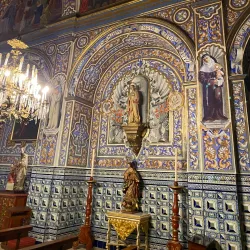
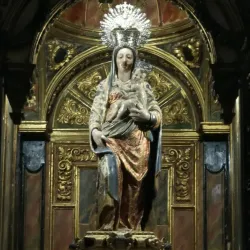
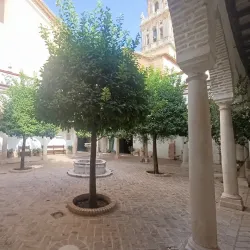
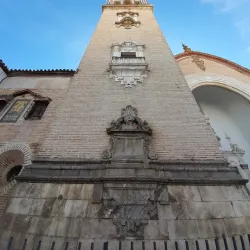
The Church of Santa María is one of Écija's most prominent religious buildings, showcasing stunning Baroque architecture. Its ornate façade and richly decorated interior make it a key attraction for visitors interested in ecclesiastical art and history.
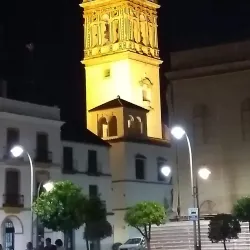
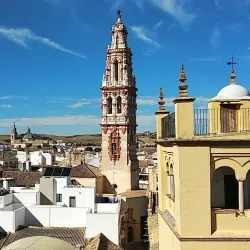
The church's tower is one of the many that contribute to Écija's nickname, the 'City of Towers.' It offers a glimpse into the city's religious and architectural heritage.
Palacio de Benamejí
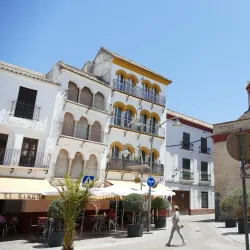
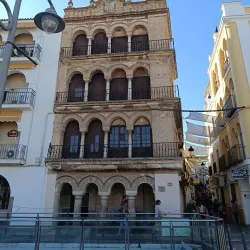
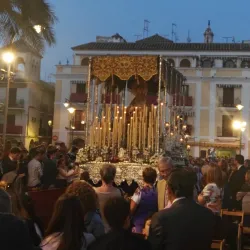
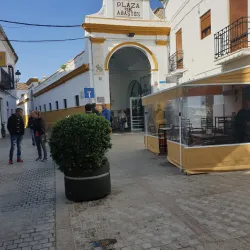
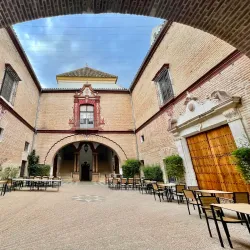
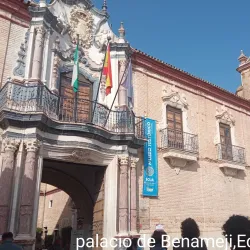
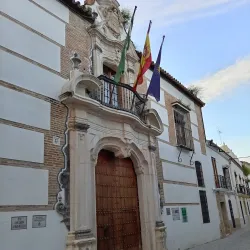
This historic palace is a fine example of Andalusian architecture, blending Renaissance and Baroque styles. It was once the residence of noble families and now serves as a cultural venue hosting exhibitions and events.
The palace's elegant design and historical significance make it a must-visit site for those interested in the aristocratic history of Écija.
Roman Archaeological Site of Astigi
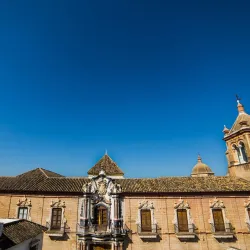
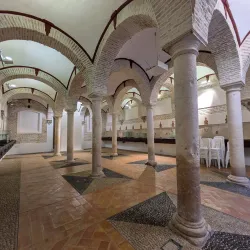
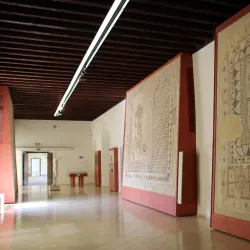
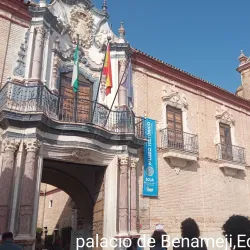
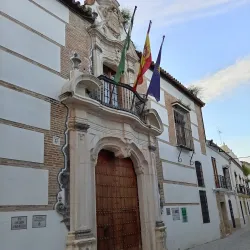
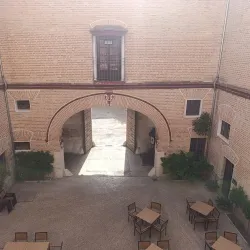
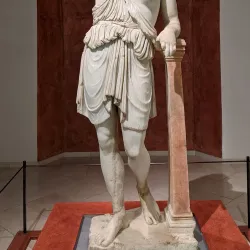
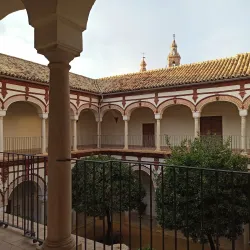
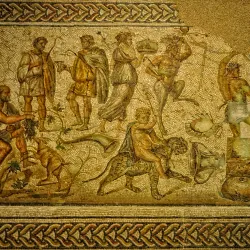
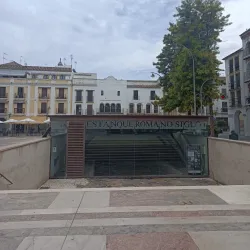
Écija was known as Astigi in Roman times, and this archaeological site preserves remnants of its ancient past. Visitors can explore ruins that include mosaics, foundations, and artifacts that tell the story of the city's Roman heritage.
The site provides valuable insights into the urban layout and daily life of a Roman provincial city.
Church of San Juan Bautista
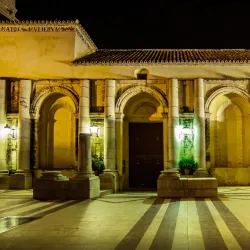
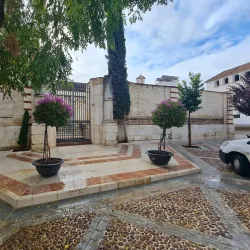
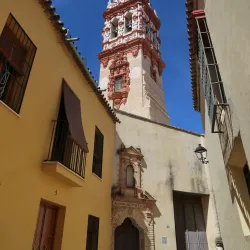
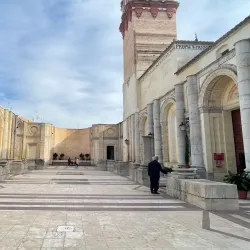
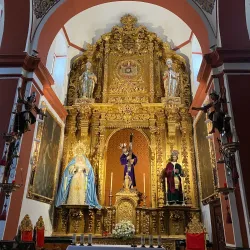
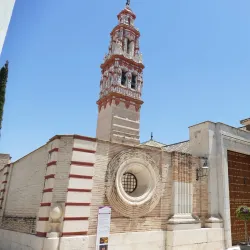
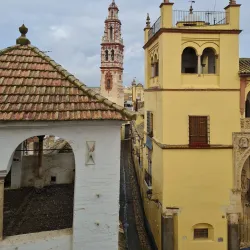
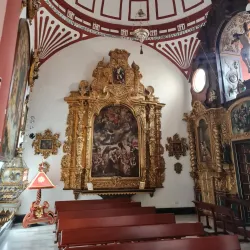
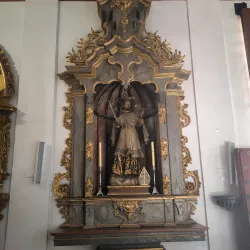
Another significant religious site, the Church of San Juan Bautista features impressive Baroque architecture and houses important religious artworks.
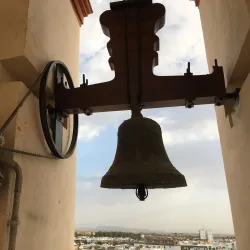
Its tower is a distinctive feature of the Écija skyline, and the church plays a central role in local religious festivals.
Plaza de España
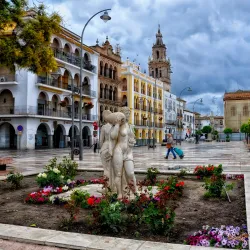
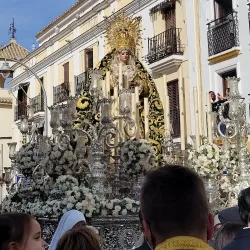
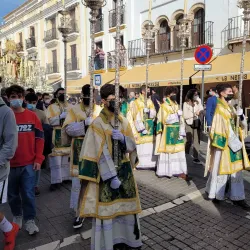
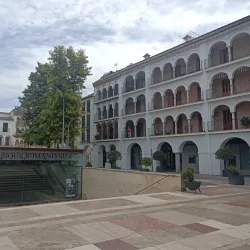
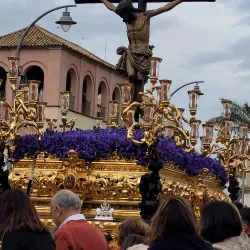
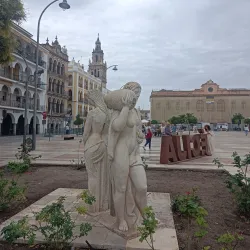
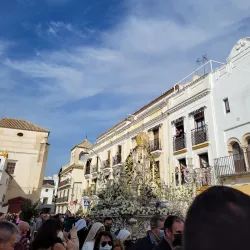
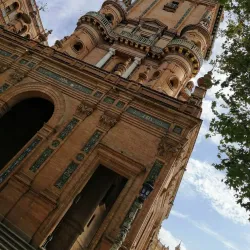
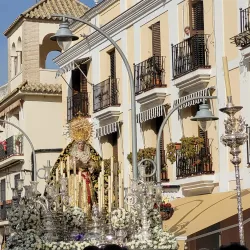
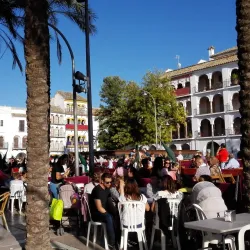
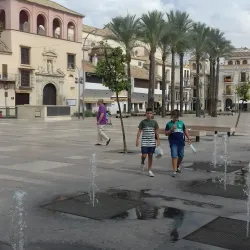
The main square of Écija, Plaza de España is a lively public space surrounded by historic buildings, cafes, and shops. It serves as a social and cultural hub for both locals and visitors.
The square is an excellent place to experience the local atmosphere and enjoy the city's vibrant street life.
Museum of Écija (Museo Histórico Municipal de Écija)
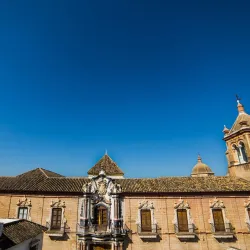
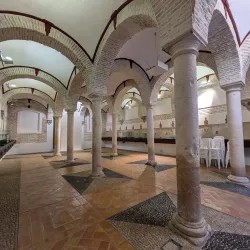


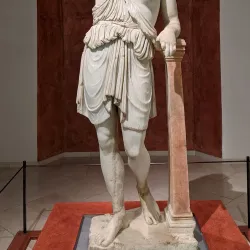


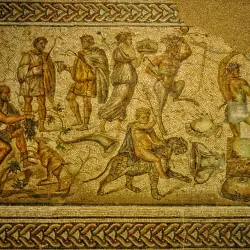
This museum offers a comprehensive overview of Écija's history, from prehistoric times through the Roman period and into the modern era.
Its collections include archaeological finds, religious art, and ethnographic exhibits that highlight the city's cultural evolution.
Church of Santiago
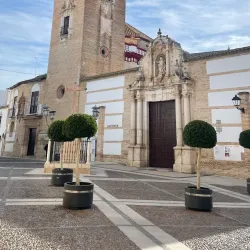
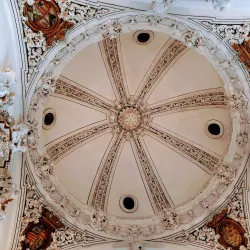
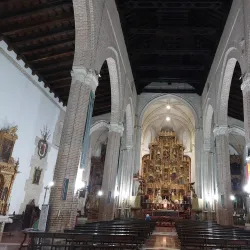
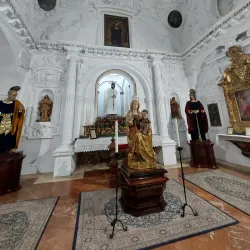
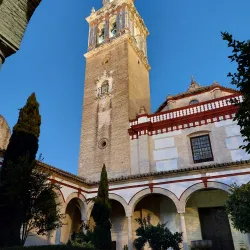
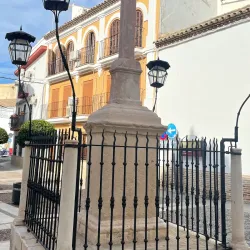
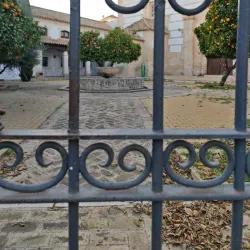
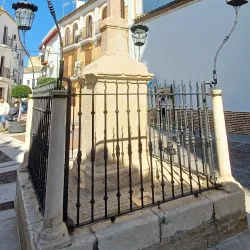
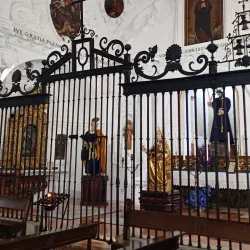
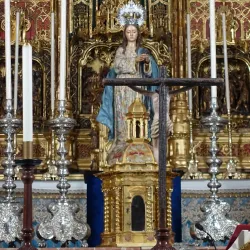
The Church of Santiago is notable for its Baroque style and historical significance. It contains important religious artworks and is part of the city's rich ecclesiastical heritage.
The church's architecture and interior decorations attract visitors interested in religious art and history.
Convent of Santa Inés
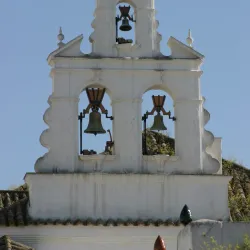
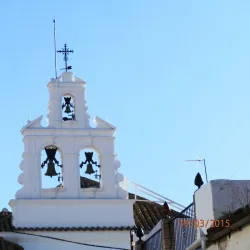
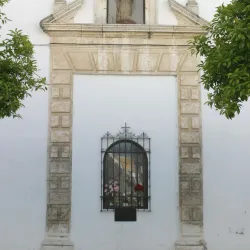
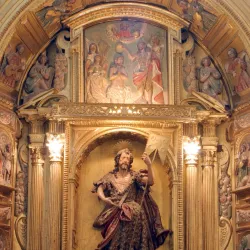
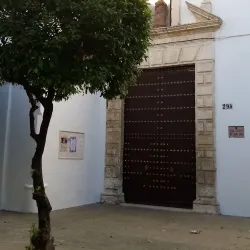
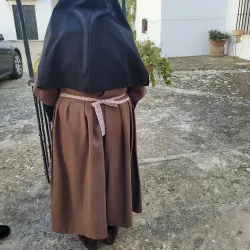

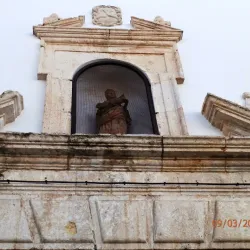
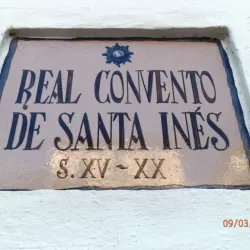
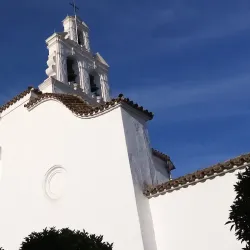
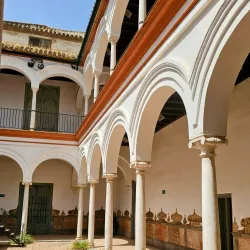
This convent is an example of religious architecture in Écija, with a peaceful courtyard and historical significance.
Visitors can appreciate its serene atmosphere and learn about the role of religious orders in the city's history.
Puente Romano (Roman Bridge)
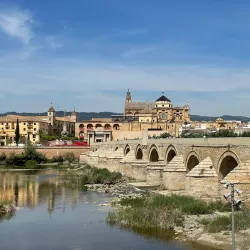
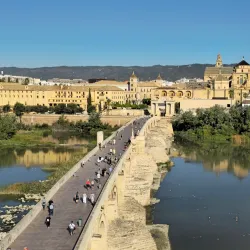
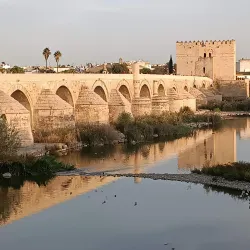
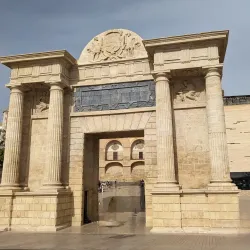
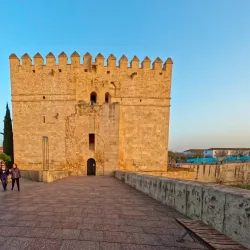
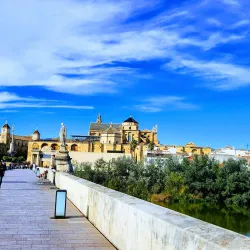
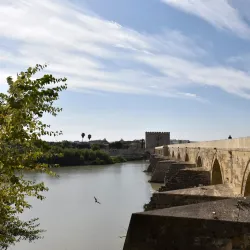
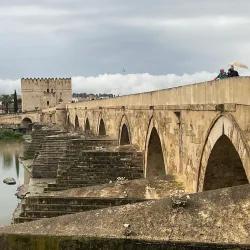
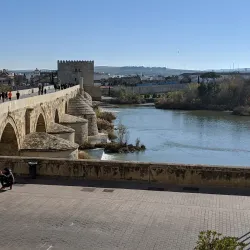
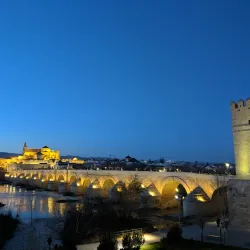
The Roman Bridge in Écija is a remnant of the city's ancient infrastructure, showcasing the engineering skills of the Romans.
Though partially preserved, it offers a tangible connection to the city's Roman past and is a point of interest for history enthusiasts.
Palacio de Peñaflor
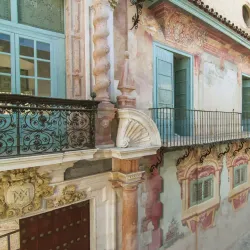
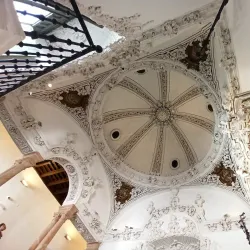
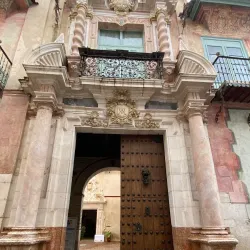
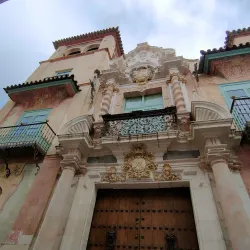
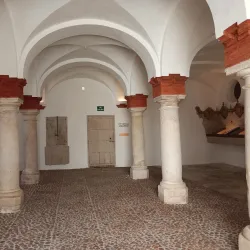
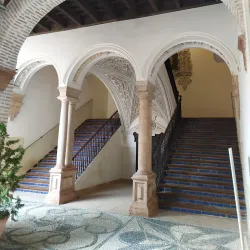
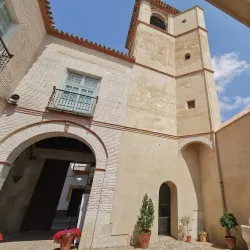
This palace is another example of Écija's noble residences, featuring elegant architecture and historical importance.
It reflects the wealth and status of the families who once lived there and contributes to the city's architectural diversity.