Things to do in Cordoba
Córdoba, located in the Andalusian region of southern Spain, is a city rich in history and culture. Known for its stunning blend of Roman, Islamic, and Christian influences, Córdoba offers visitors a unique glimpse into its diverse past through its architecture, museums, and vibrant neighborhoods.The city's historic center is a UNESCO World Heritage site, featuring narrow medieval streets, beautiful plazas, and remarkable monuments. Córdoba is also famous for its patios filled with flowers, lively festivals, and traditional Andalusian cuisine.Mezquita-Catedral de Córdoba
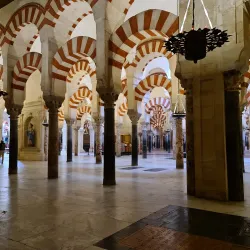
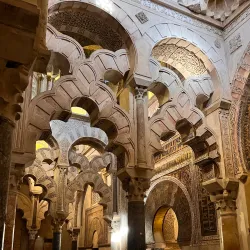
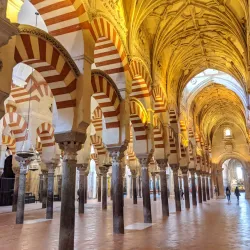
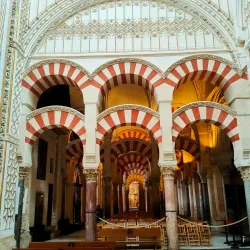
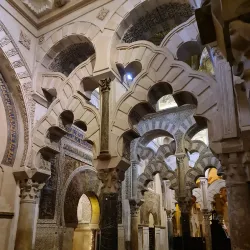
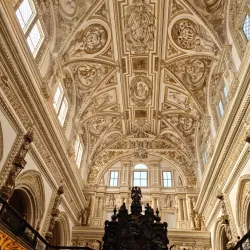
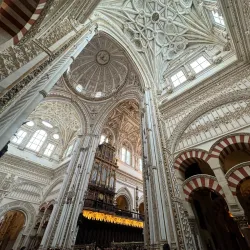
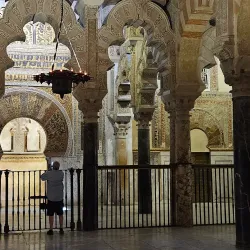
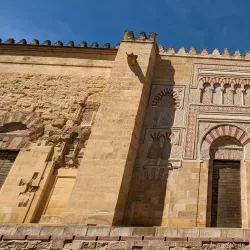
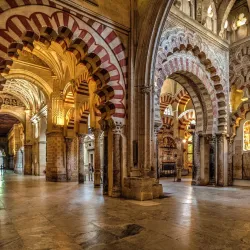
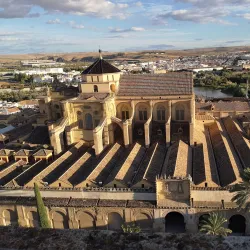
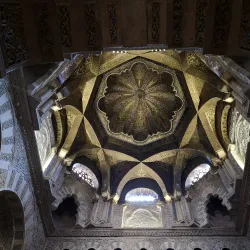
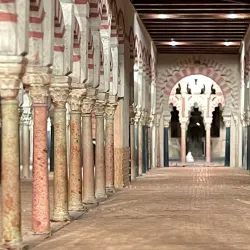
The Mezquita-Catedral is Córdoba's most famous landmark, originally built as a mosque in the 8th century and later converted into a cathedral. It is renowned for its stunning horseshoe arches, intricate mosaics, and the unique blend of Islamic and Christian architectural styles.
This monument is a symbol of the city's diverse cultural history and is considered one of the greatest achievements of Moorish architecture in Spain.
Alcázar de los Reyes Cristianos
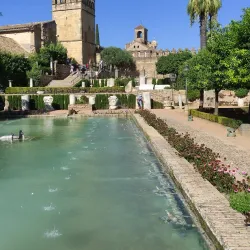
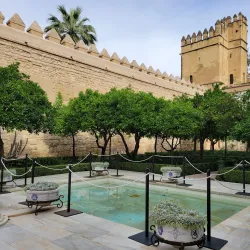
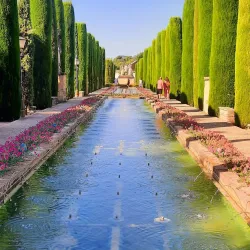
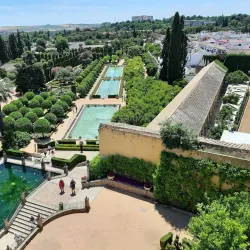
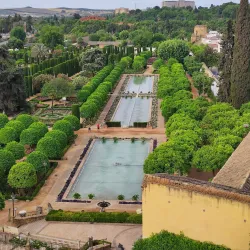
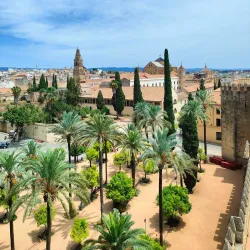
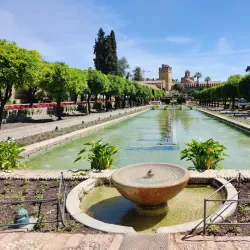
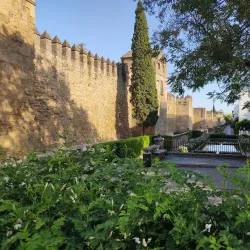
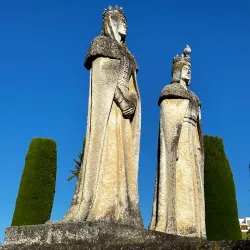
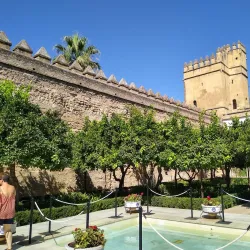
The Alcázar is a medieval fortress and palace that served as a residence for Christian monarchs. It features beautiful gardens, towers, and courtyards, offering panoramic views of the city.
Visitors can explore the historic halls, Roman mosaics, and the peaceful gardens filled with fountains and orange trees.
Roman Bridge of Córdoba
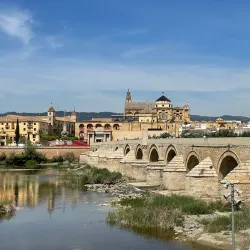
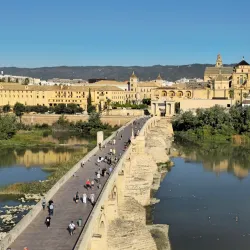
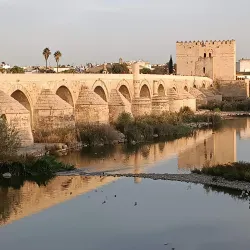
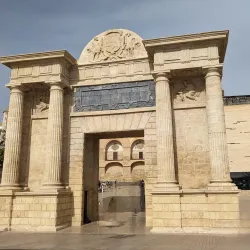
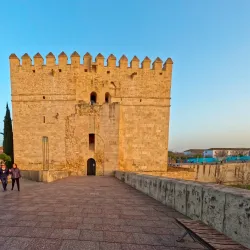
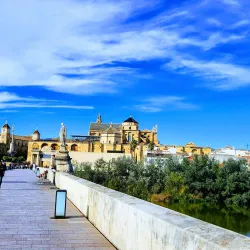
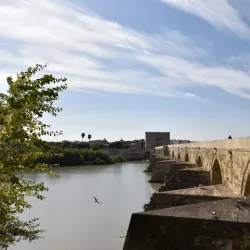
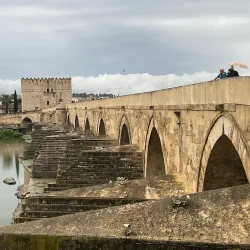
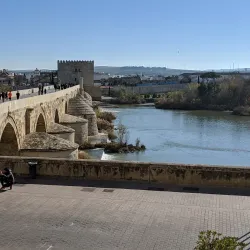
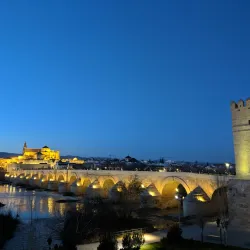
This ancient bridge spans the Guadalquivir River and dates back to the 1st century BC. It was a crucial part of the Roman road network and remains an iconic symbol of Córdoba.
The bridge provides scenic views of the city and the river, especially beautiful at sunset.
Jewish Quarter (Judería)
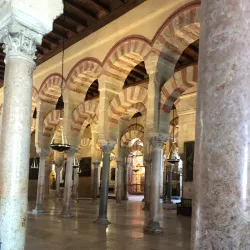
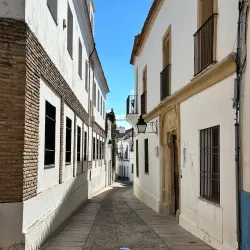
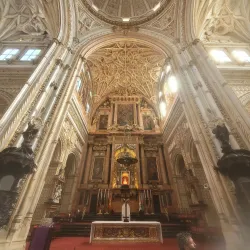
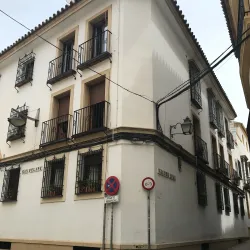
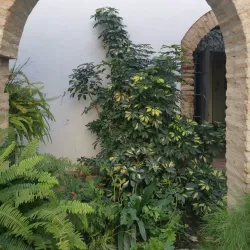
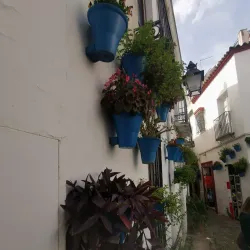
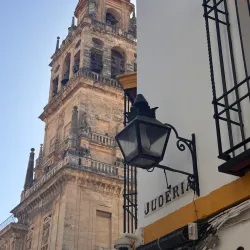
The Jewish Quarter is a historic neighborhood characterized by narrow, winding streets, whitewashed houses, and vibrant flower-filled patios.
It is home to the Synagogue of Córdoba, one of the few remaining medieval synagogues in Spain, and offers a glimpse into the city's Jewish heritage.
Palacio de Viana
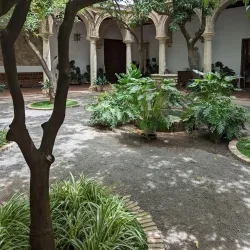
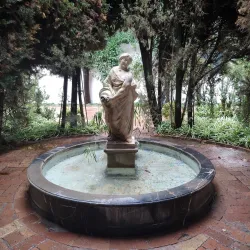
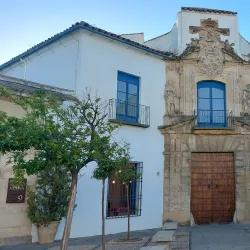
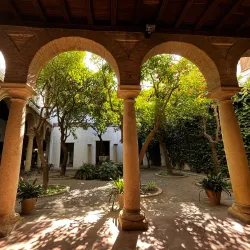
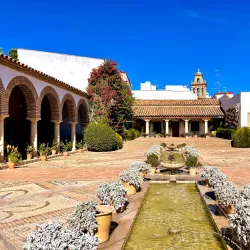
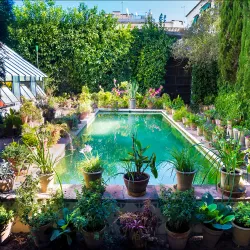
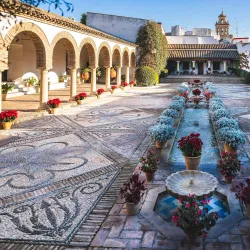
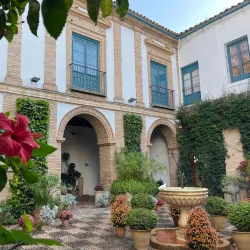
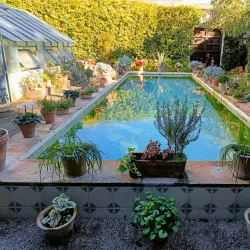
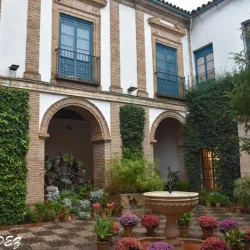
The Palacio de Viana is a Renaissance palace famous for its twelve stunning courtyards and gardens, each with unique designs and plantings.
The palace also houses a museum with period furniture, art, and decorative objects, providing insight into Córdoba's aristocratic history.
Medina Azahara
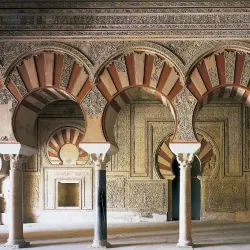
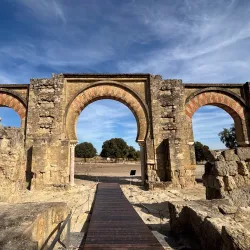


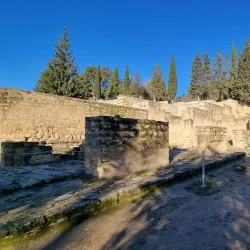
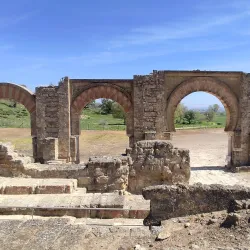
Located just outside Córdoba, Medina Azahara is the ruins of a vast, fortified Arab Muslim medieval palace-city built in the 10th century.
It is an important archaeological site that reveals the grandeur of the Caliphate of Córdoba and offers guided tours to explore its remains.
Plaza de la Corredera
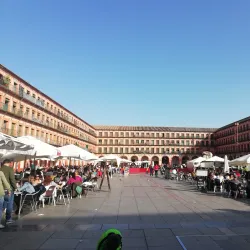
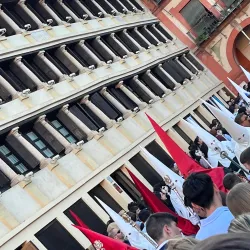
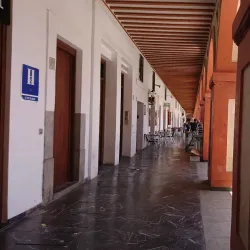
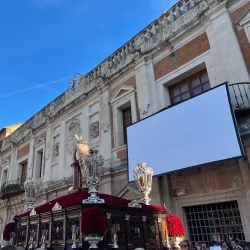
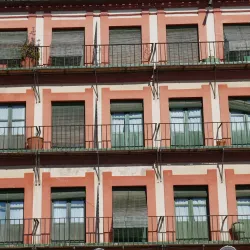
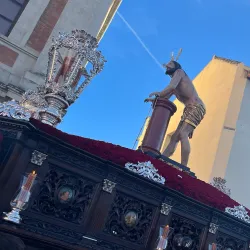
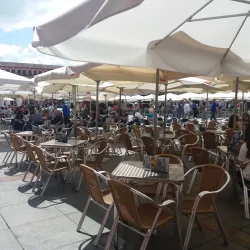
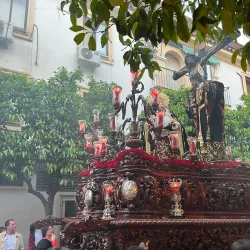
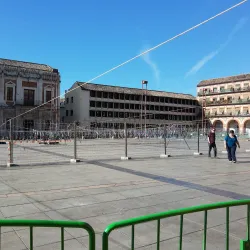
This large, rectangular plaza is one of Córdoba's main squares, known for its lively atmosphere, cafes, and historic architecture.
It is a popular spot for locals and tourists to relax, enjoy tapas, and experience the city's social life.
Torre de la Calahorra
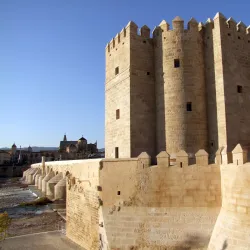
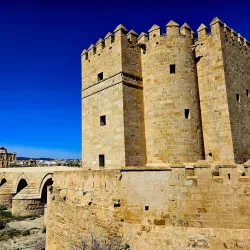
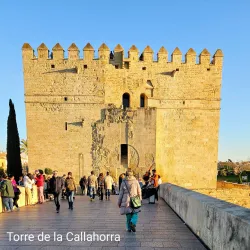

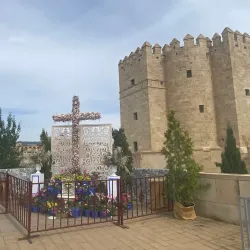
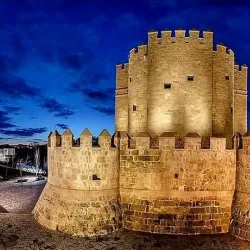
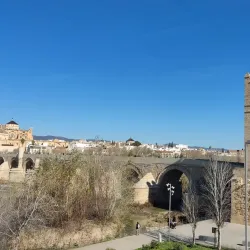
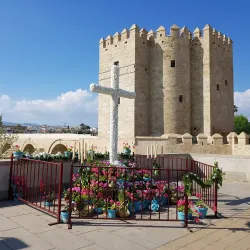
The Torre de la Calahorra is a fortified gate at the southern end of the Roman Bridge, originally built by the Moors to protect the city.
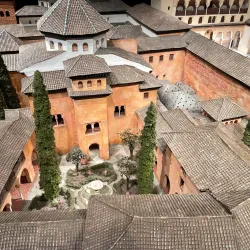
Today, it houses the Museum of Al-Andalus Life, which explores the cultural coexistence of Muslims, Christians, and Jews in medieval Córdoba.
Museo Arqueológico de Córdoba
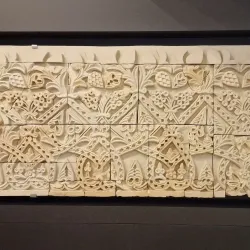
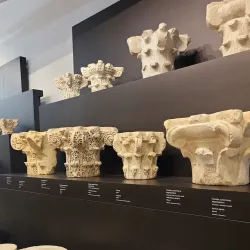
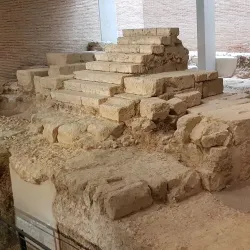
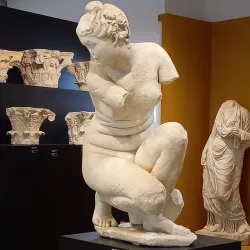
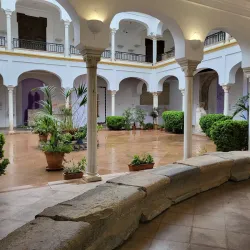
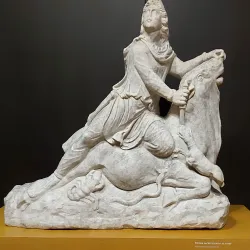
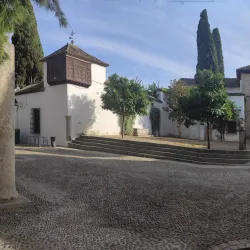
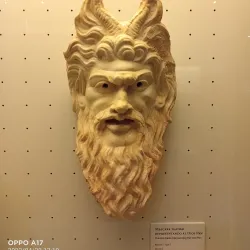

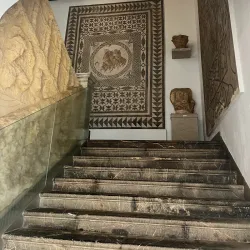
This archaeological museum showcases artifacts from Córdoba's long history, including Roman, Islamic, and Christian periods.
Exhibits include mosaics, sculptures, ceramics, and tools that provide a comprehensive overview of the region's past.
Patios of Córdoba
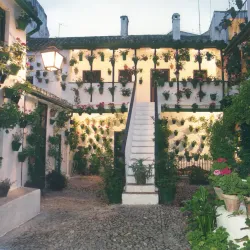
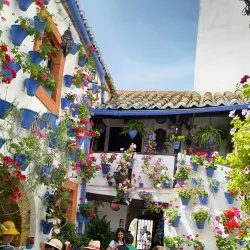
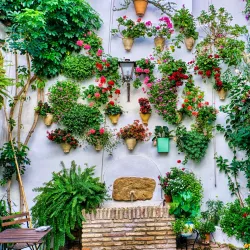
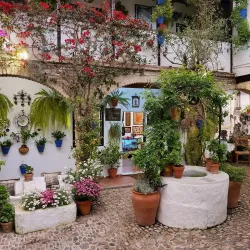
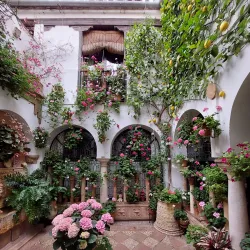
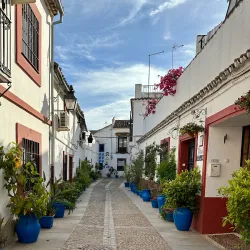

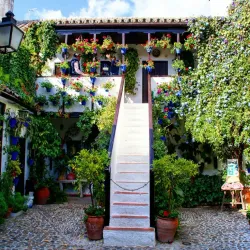
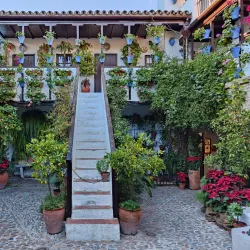
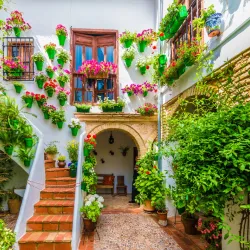
Córdoba is famous for its traditional patios, private courtyards decorated with vibrant flowers, fountains, and plants.
Many patios are open to the public during the annual Patio Festival in May, offering a unique cultural experience and a chance to see local artistry and horticulture.