Things to do in Leon
Leon, located in the northwest of Spain, is a city rich in history and culture. Known for its stunning Gothic architecture, vibrant culinary scene, and charming old town, Leon offers visitors a blend of historical landmarks and modern experiences.The city is famous for its impressive cathedrals, medieval buildings, and lively plazas. Visitors can explore the historic center, enjoy local tapas, and discover museums that showcase Leon's heritage.Leon Cathedral (Catedral de León)
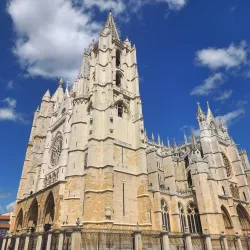
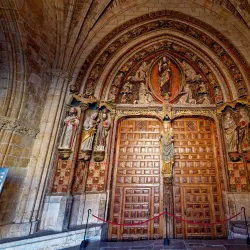
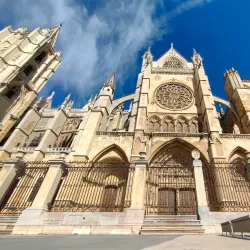
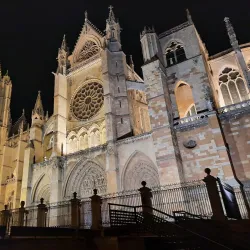
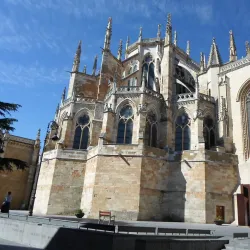
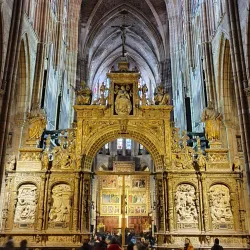
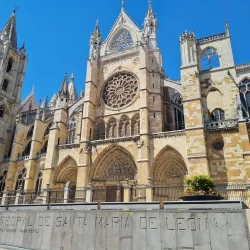
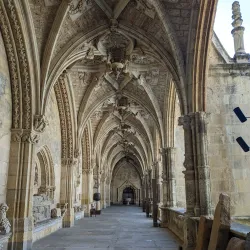
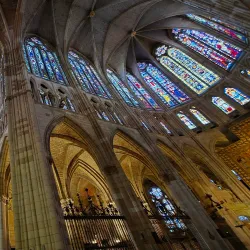
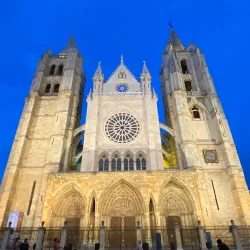
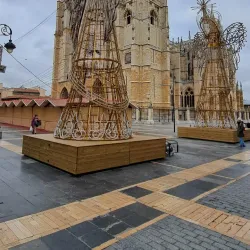
The Leon Cathedral is a masterpiece of Gothic architecture, renowned for its stunning stained glass windows that fill the interior with colorful light. It dates back to the 13th century and is one of the most important religious buildings in Spain.
Visitors can admire the intricate façade, explore the chapels, and learn about the cathedral's history through guided tours.
Basilica of San Isidoro
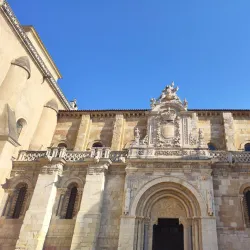
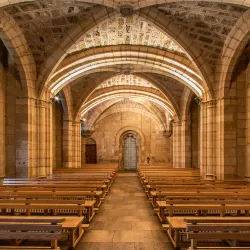
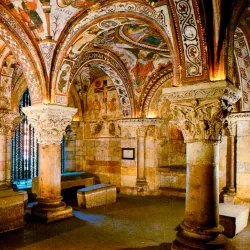
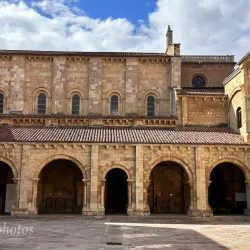
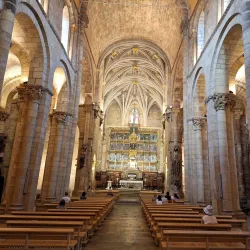
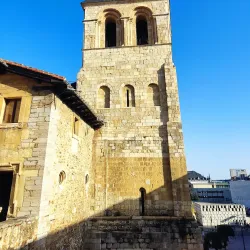
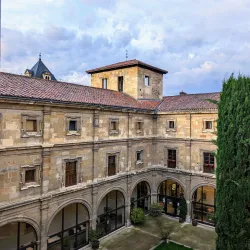
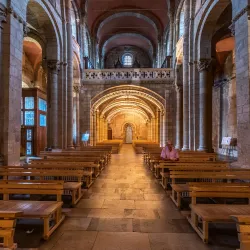
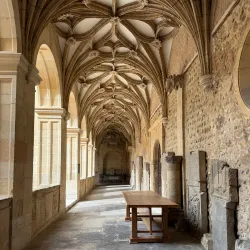
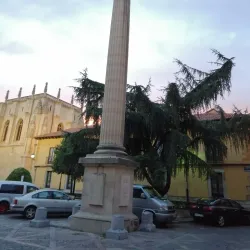
This Romanesque basilica is famous for its royal pantheon, often called the 'Sistine Chapel of Romanesque Art' due to its beautifully preserved frescoes. It also houses a museum with medieval artifacts.
The basilica is a significant religious and historical site, reflecting the city's importance during the Middle Ages.
Casa Botines
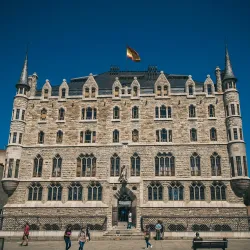

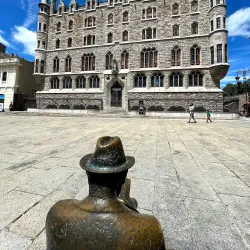
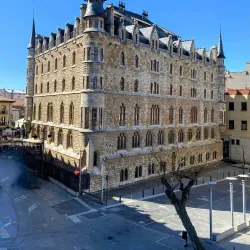
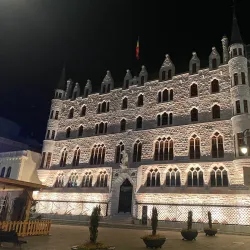
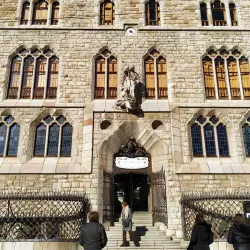
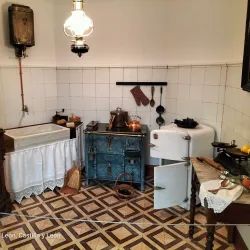
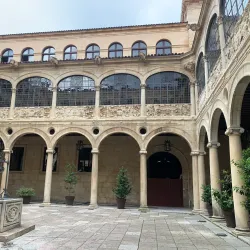
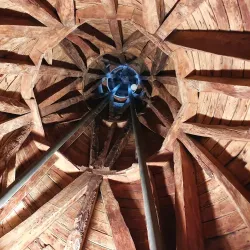
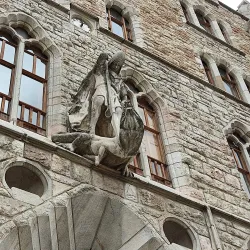
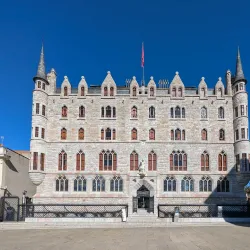
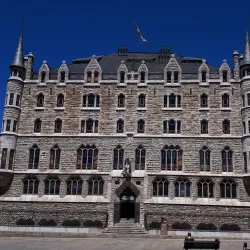
Designed by the renowned architect Antoni Gaudí, Casa Botines is a modernist building that stands out with its unique design and historical significance. Originally a commercial building, it now serves as a museum.
Visitors can explore Gaudí's architectural style and learn about the building's history and its role in Leon's urban development.
Convent of San Marcos
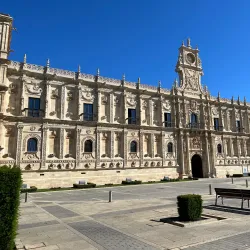
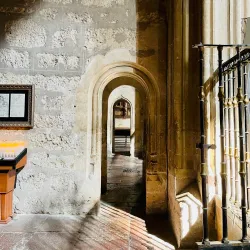
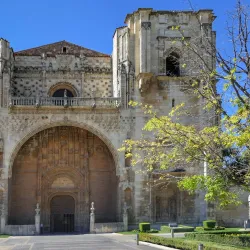
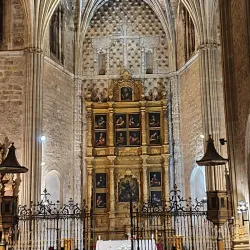
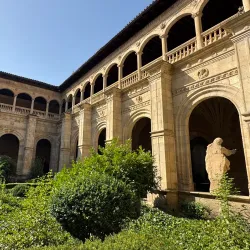
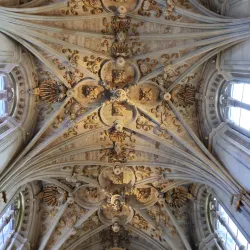
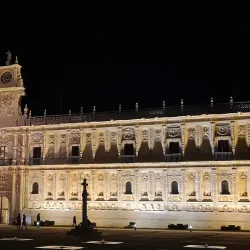
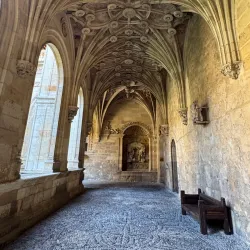
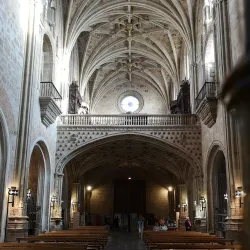
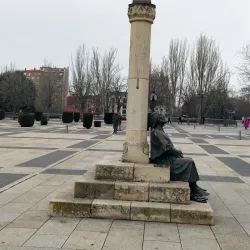
The Convent of San Marcos is a stunning Renaissance building that has served various purposes, including a monastery, hospital, and now a luxury parador hotel and museum.
Its impressive façade and historical significance make it a must-visit site, offering insights into Leon's religious and social history.
Plaza Mayor
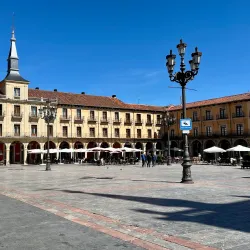
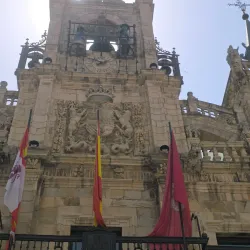
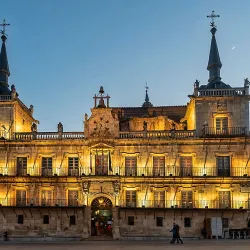
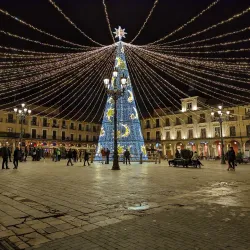
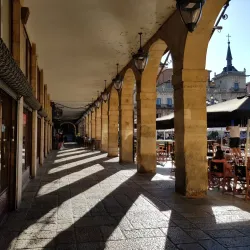
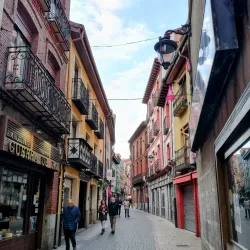
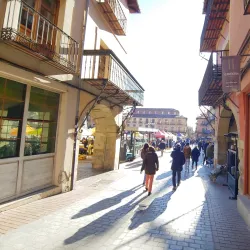
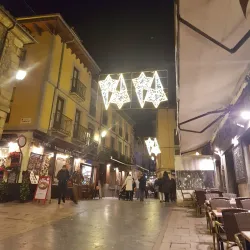
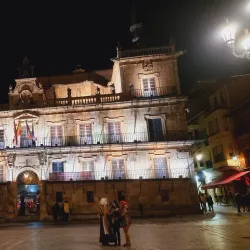
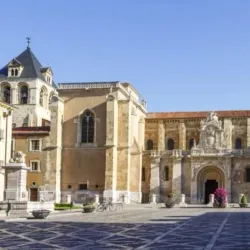
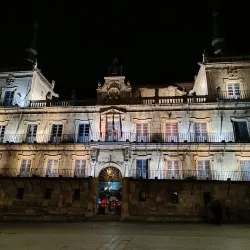
The Plaza Mayor is the vibrant heart of Leon, surrounded by historic buildings, cafes, and shops. It is a popular gathering place for locals and tourists alike.
The square hosts various events and markets, providing a lively atmosphere to experience the city's social life.
Museum of Contemporary Art of Castilla y León (MUSAC)
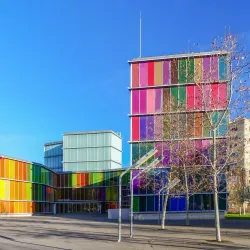
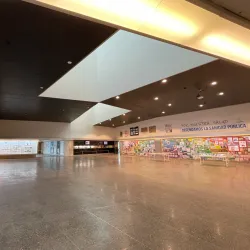
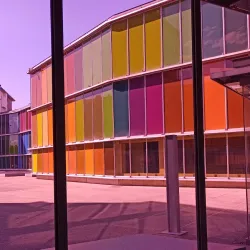
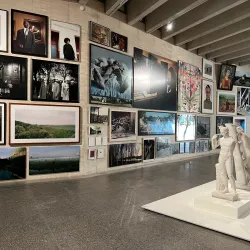
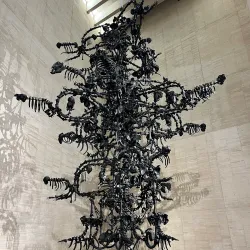
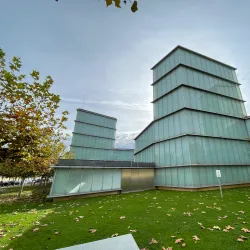
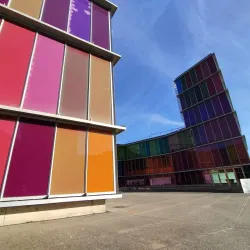
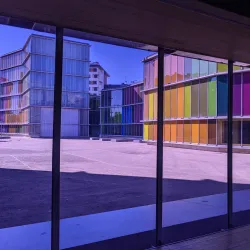
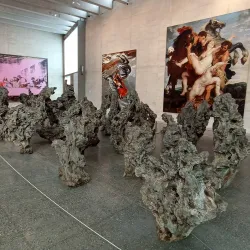
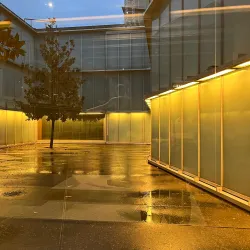
MUSAC is a leading contemporary art museum showcasing works by Spanish and international artists. Its innovative architecture and dynamic exhibitions attract art lovers.
The museum offers a modern contrast to Leon's historical sites, highlighting the city's cultural diversity.
Palacio de los Guzmanes
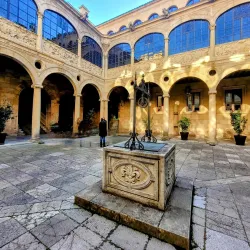
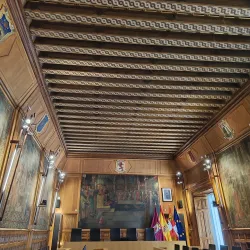
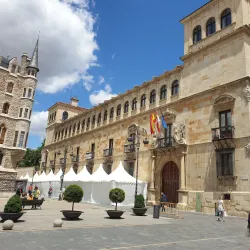
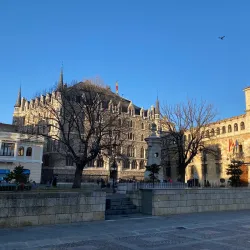
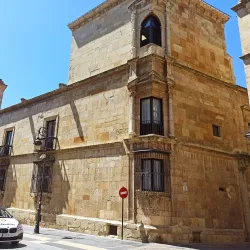
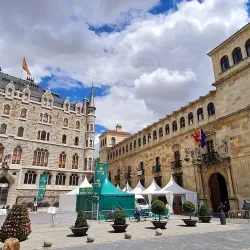
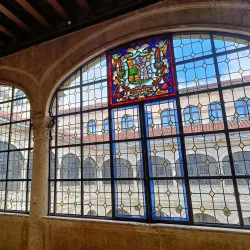
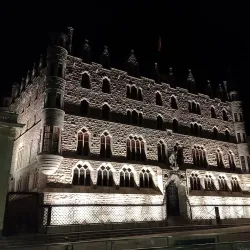
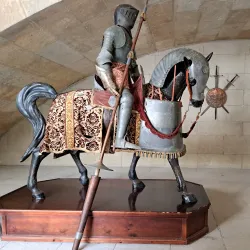
This Renaissance palace, now the seat of the provincial government, features elegant architecture and beautifully landscaped gardens.
Visitors can admire the building's façade and explore the surrounding area, which reflects Leon's aristocratic past.
Húmedo District
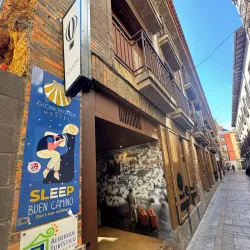
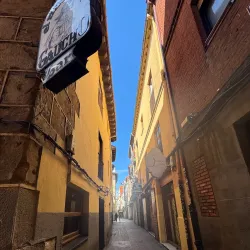

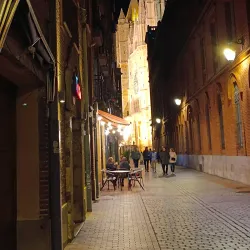
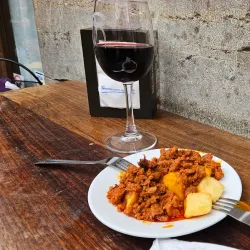
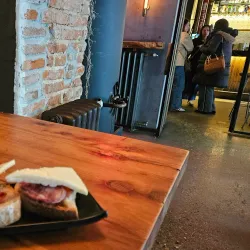
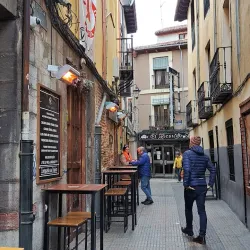
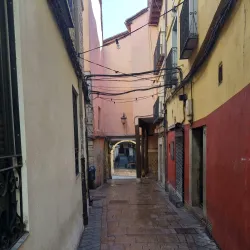
The Húmedo District is known for its lively atmosphere, narrow streets, and numerous tapas bars. It is the perfect place to experience Leon's culinary culture.
Visitors can enjoy traditional dishes, local wines, and the vibrant nightlife that characterizes this historic neighborhood.
Roman Walls of Leon
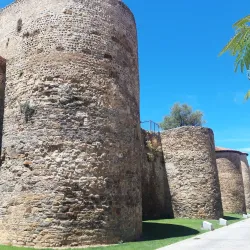
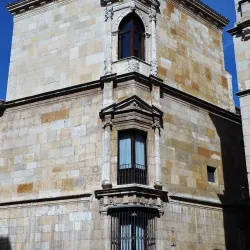
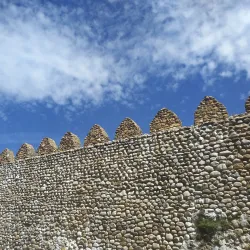
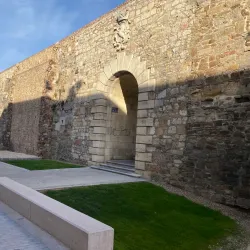
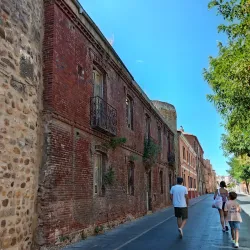
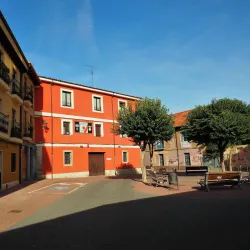
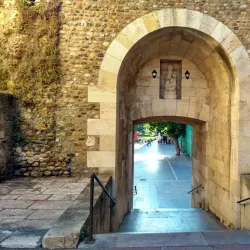
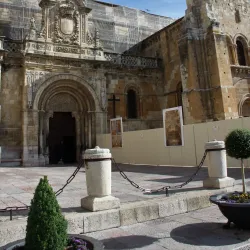
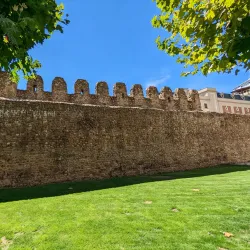
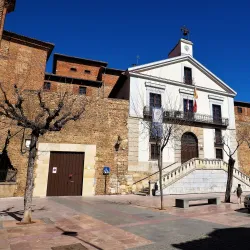
The ancient Roman walls that once protected the city are partially preserved and offer a glimpse into Leon's Roman past.
Walking along the walls provides historical context and scenic views of the city.
San Marcelo Church
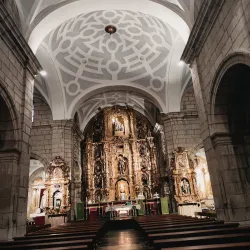
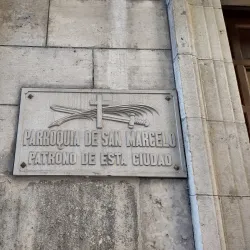
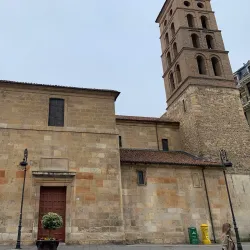
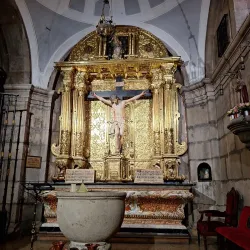
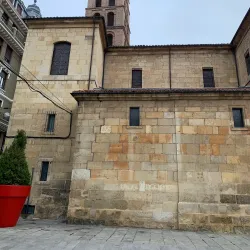
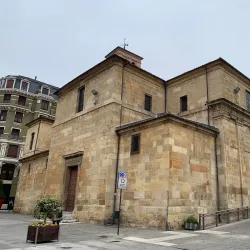
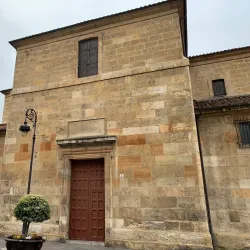
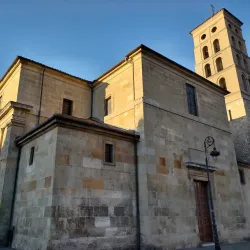
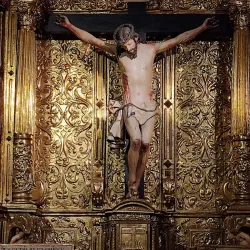
This church dates back to the 12th century and is known for its Romanesque architecture and historical significance.
It is one of the oldest religious buildings in Leon and offers a peaceful retreat from the bustling city center.