Things to do in Pamplona
Pamplona, the capital city of the Navarre region in northern Spain, is renowned for its rich history, vibrant culture, and world-famous festivals. Nestled along the Arga River, the city offers a charming blend of medieval architecture, lively plazas, and green spaces.Known globally for the San Fermín festival and the Running of the Bulls, Pamplona also boasts numerous historical sites, museums, and beautiful parks that attract visitors year-round.Plaza del Castillo
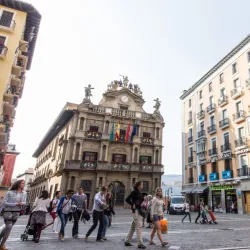
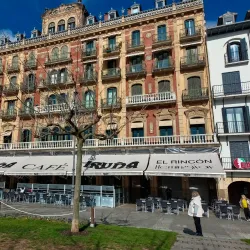
The central square of Pamplona, Plaza del Castillo is the heart of the city’s social life. Surrounded by historic buildings, cafes, and shops, it serves as a popular meeting place for locals and tourists alike.
The square often hosts events and is a great starting point for exploring the old town.
Pamplona Cathedral (Cathedral of Santa María)
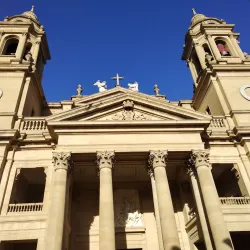
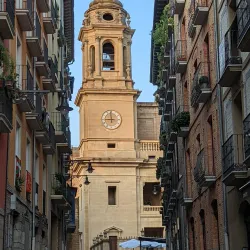
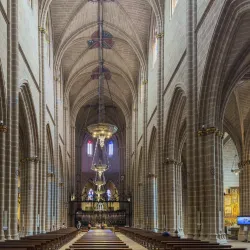
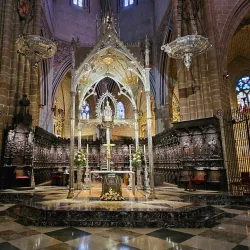
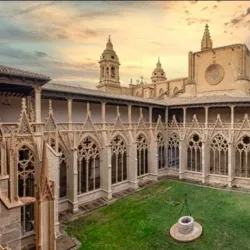
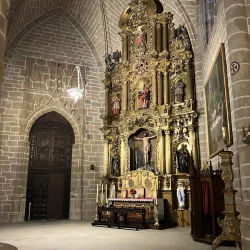
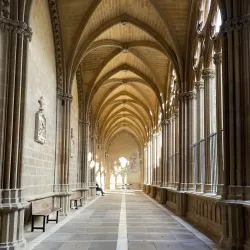
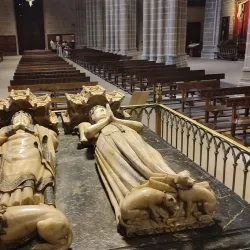
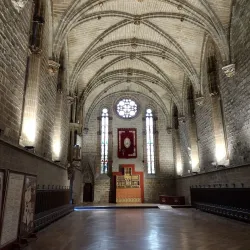
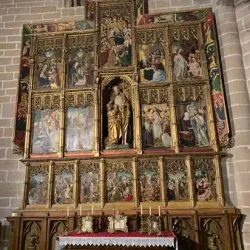
This Gothic cathedral is a masterpiece of medieval architecture, featuring a stunning façade and an impressive interior with a beautiful cloister.
The cathedral also houses a museum with religious artifacts and offers visitors a glimpse into Pamplona’s religious history.
Ciudadela de Pamplona
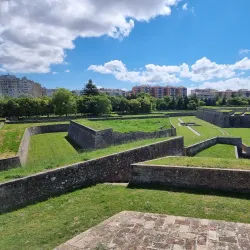
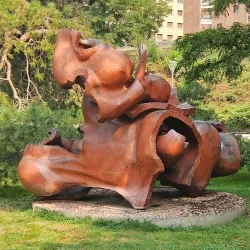
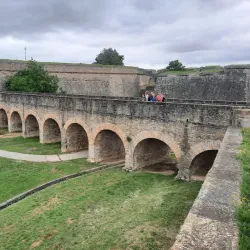
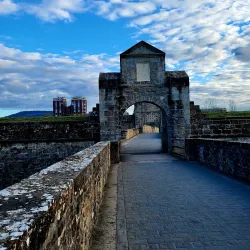
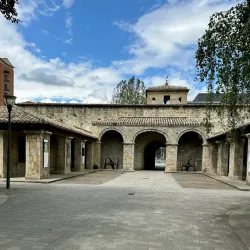
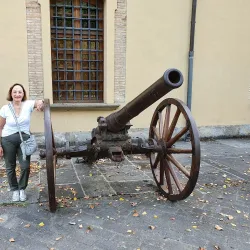
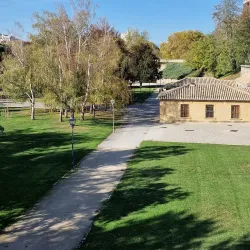
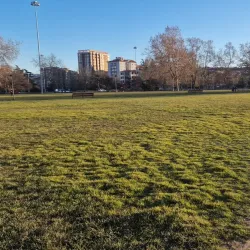
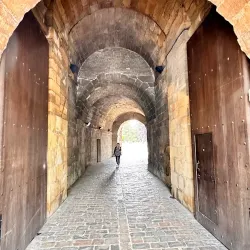
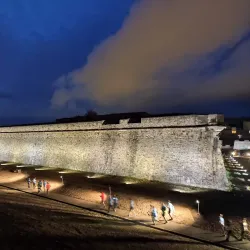
A well-preserved Renaissance fortress that now serves as a public park and cultural venue. The Ciudadela offers scenic walking paths, gardens, and occasional exhibitions or concerts.
Its historical significance and green spaces make it a favorite spot for both history enthusiasts and families.
Parque de la Taconera

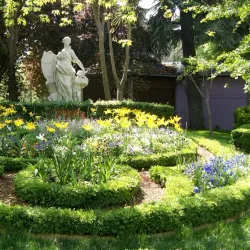
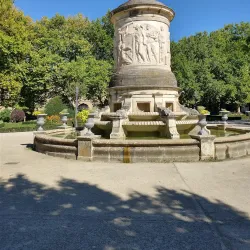


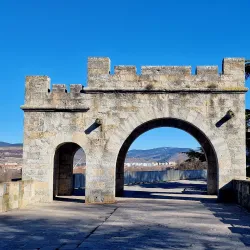

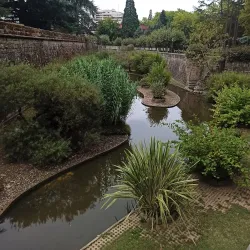
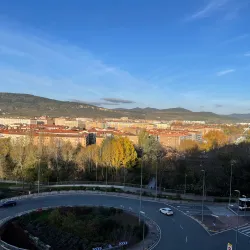

The oldest and most beautiful park in Pamplona, known for its landscaped gardens, sculptures, and a small zoo area with deer and peacocks.
The park’s peaceful atmosphere and scenic views make it ideal for a relaxing stroll.
Museum of Navarra


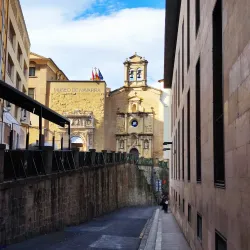

Located in a former hospital building, this museum showcases the art, archaeology, and history of the Navarre region.
Its diverse collection includes Roman artifacts, medieval art, and contemporary works, providing a comprehensive cultural experience.
San Fermín Festival
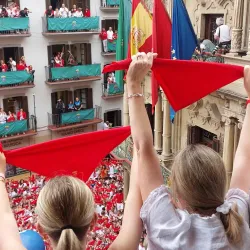
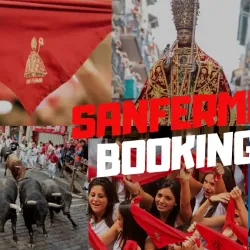
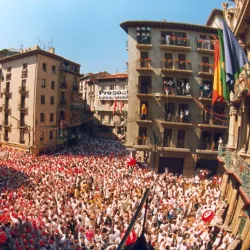
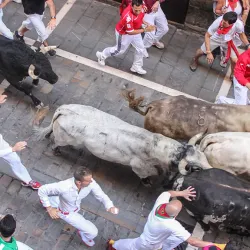
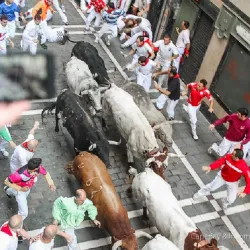
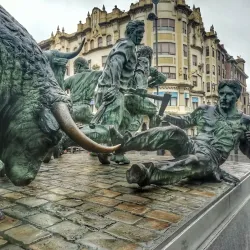
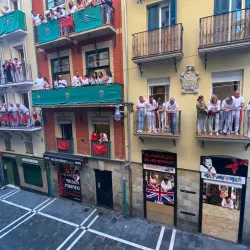
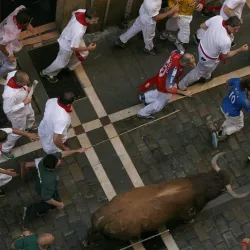
Pamplona’s most famous event, held annually in July, featuring the Running of the Bulls, traditional music, parades, and fireworks.
This festival attracts visitors from around the world and offers a unique cultural experience rooted in local tradition.
Plaza de Toros de Pamplona


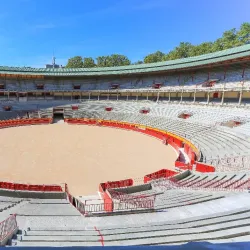
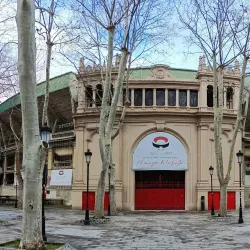
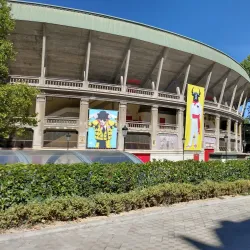
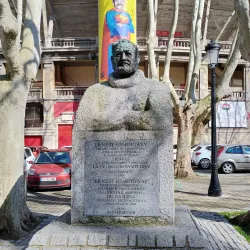
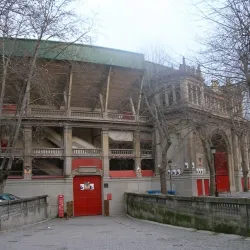
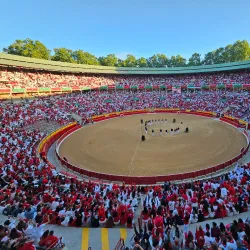


The historic bullring where the Running of the Bulls ends each day during the San Fermín festival.
Visitors can tour the bullring and learn about the history and cultural significance of bullfighting in Pamplona.
Baluarte Congress and Exhibition Centre
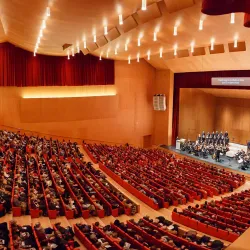
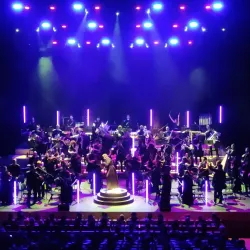
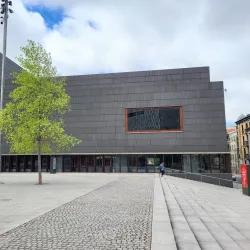
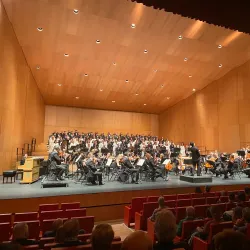
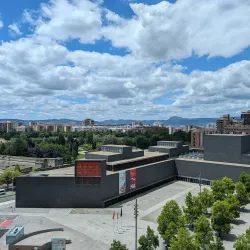
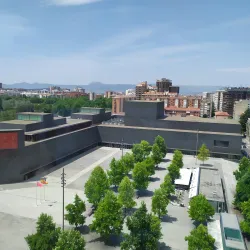
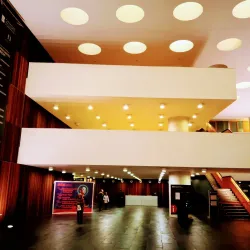
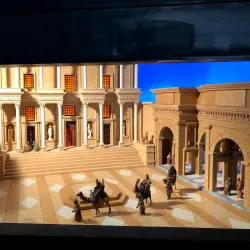
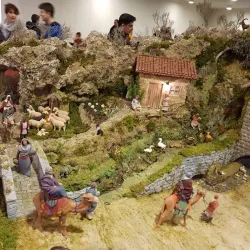
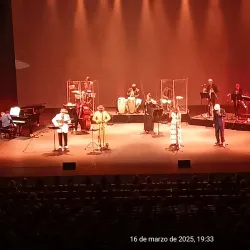
A modern architectural landmark hosting concerts, exhibitions, and conferences.
It is a hub for cultural events and offers visitors a chance to experience contemporary arts and performances.
Iruña Gate (Puerta de Iruña)



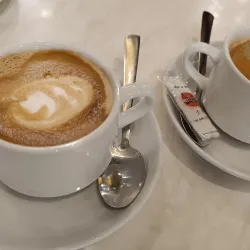
One of the ancient city gates of Pamplona, part of the old city walls.
It stands as a historical monument reflecting the city’s medieval past and is a popular photo spot.
Church of San Saturnino (San Cernin)
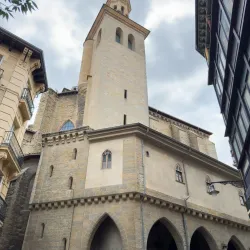
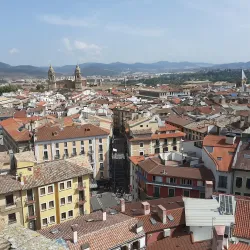
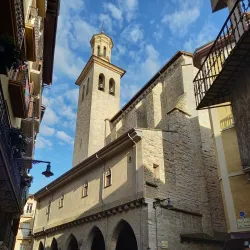
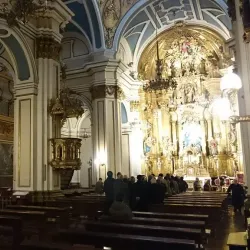
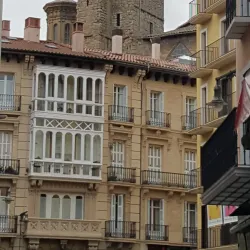
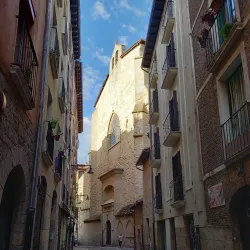
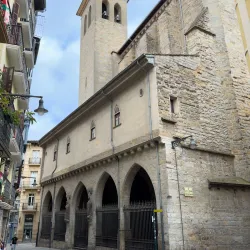
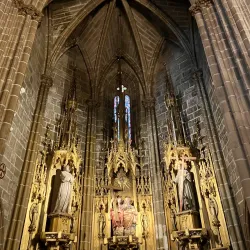
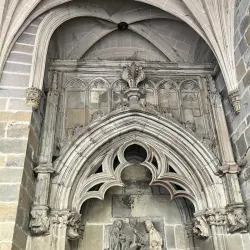
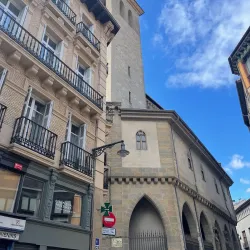
A Romanesque church dedicated to Pamplona’s patron saint, San Saturnino.
The church is notable for its architectural style and its role in the city’s religious traditions.