Things to do in Sangüesa (Zangoza)
Sangüesa, also known as Zangoza in Basque, is a charming town located in the autonomous community of Navarre, Spain. Known for its rich history and well-preserved medieval architecture, Sangüesa offers visitors a glimpse into the past with its religious monuments, ancient streets, and cultural heritage.The town is situated along the Camino de Santiago pilgrimage route, which adds to its historical significance and attracts visitors from around the world. Sangüesa's blend of Romanesque and Gothic architecture, alongside its vibrant local culture, makes it a notable destination in northern Spain.Church of Santa María la Real
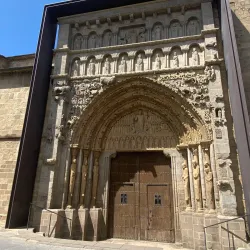
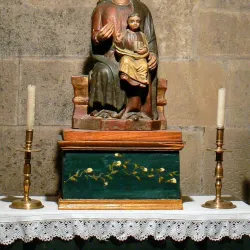
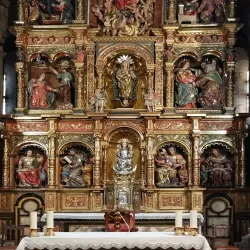
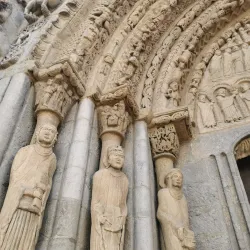
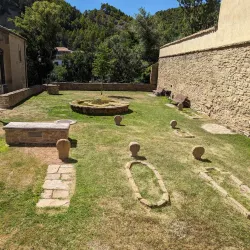
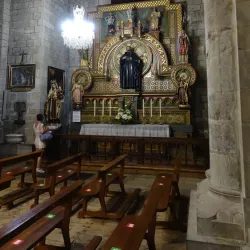
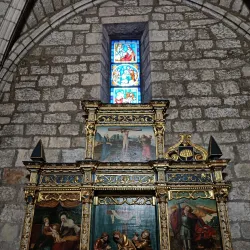
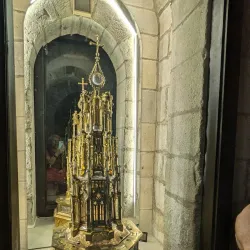
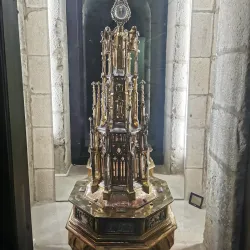
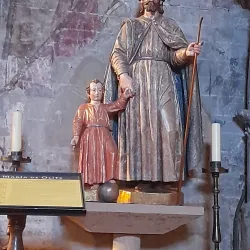
This Romanesque church is one of the most important monuments in Sangüesa. It features intricate stone carvings and a beautiful portal that depicts biblical scenes, showcasing the craftsmanship of the medieval period.
The church is a key stop for pilgrims on the Camino de Santiago and offers visitors a chance to admire its historic architecture and religious art.
Convent of San Francisco
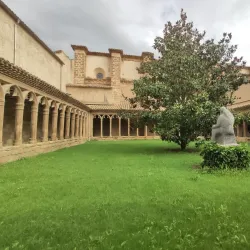
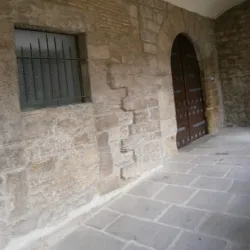
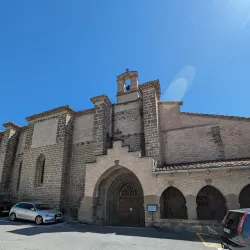
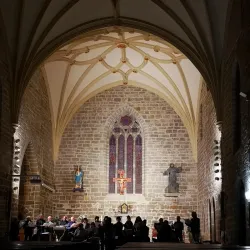
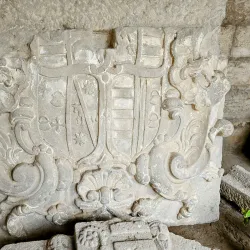
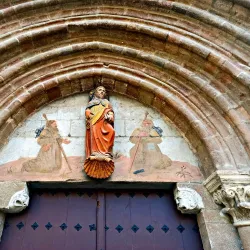
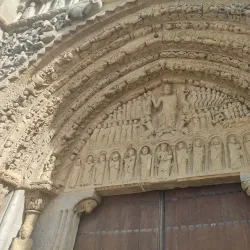
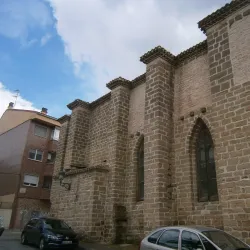
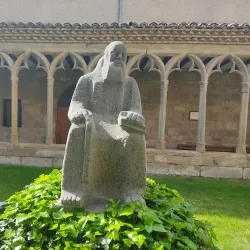
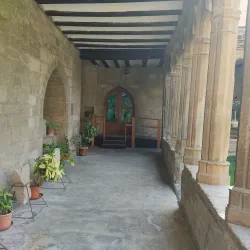
Founded in the 13th century, this convent is a significant religious site in Sangüesa. It has a peaceful cloister and houses important artworks and religious artifacts.
The convent reflects the town's medieval religious heritage and provides insight into the monastic life of the past.
Palace of the Kings of Navarre
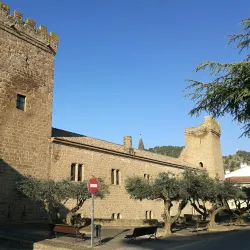
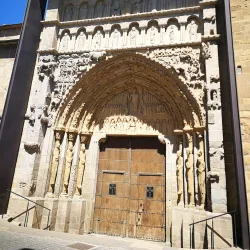
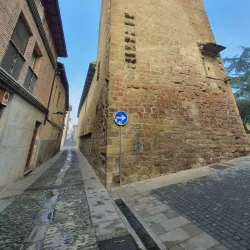
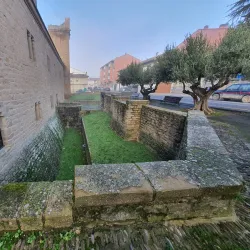
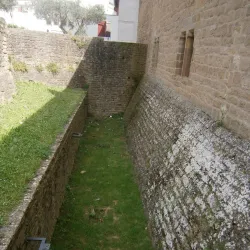
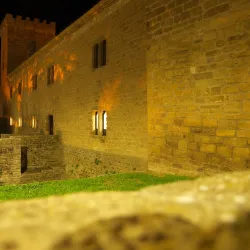
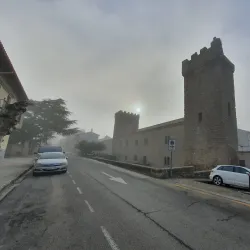
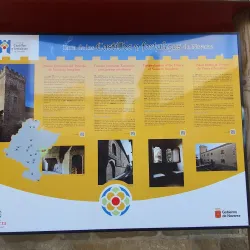
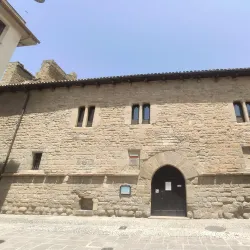
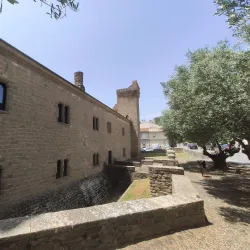
This historic palace was once a residence of the Navarrese monarchy. It features Gothic architectural elements and has been preserved as a cultural landmark.
Visitors can explore the palace to learn about the history of the Kingdom of Navarre and its royal lineage.
Plaza de los Fueros
The main square of Sangüesa, Plaza de los Fueros, is a lively gathering place surrounded by historic buildings, cafes, and shops.
It is an ideal spot to experience local life, enjoy traditional cuisine, and participate in town festivals and events.
Romanesque Bridge over the Aragón River
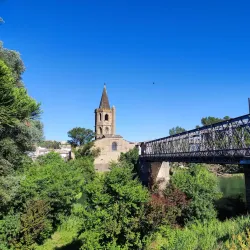
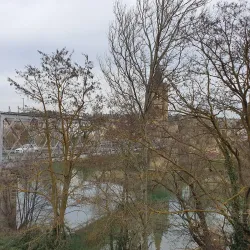
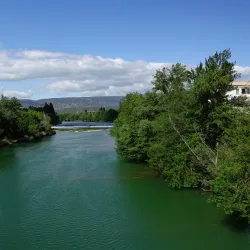
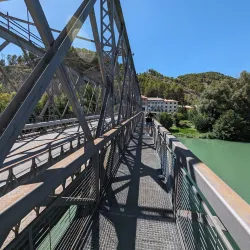
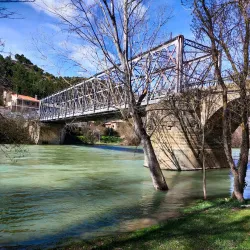
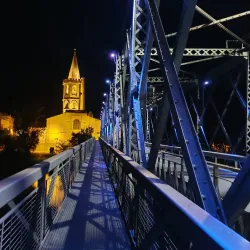

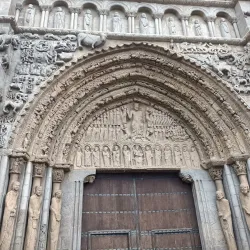
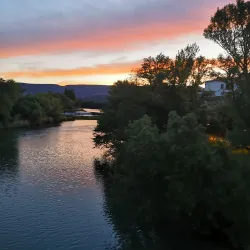
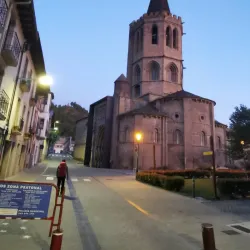
This ancient stone bridge spans the Aragón River and is an excellent example of medieval engineering.
The bridge has been a vital crossing point for centuries and offers scenic views of the river and surrounding landscape.
Museum of Sangüesa
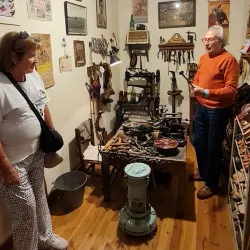

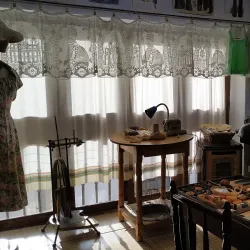
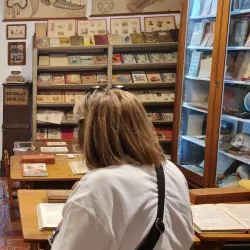
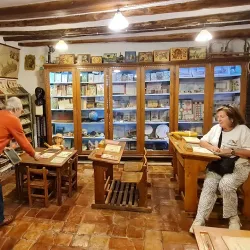
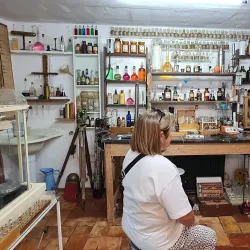
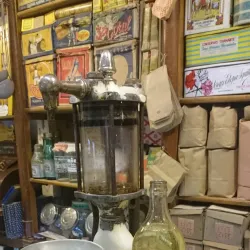
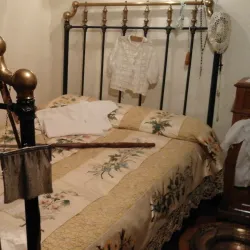

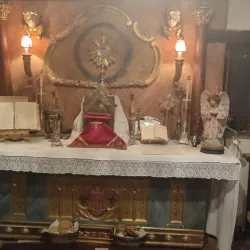
This museum showcases the history, art, and culture of Sangüesa and the surrounding region.
Exhibits include archaeological finds, religious art, and displays about the town's role in the Camino de Santiago.
Church of San Salvador
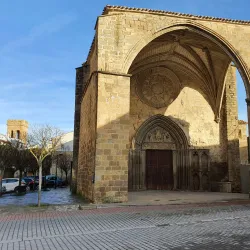
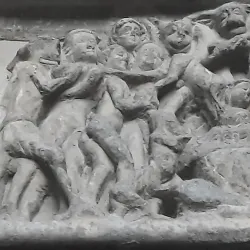
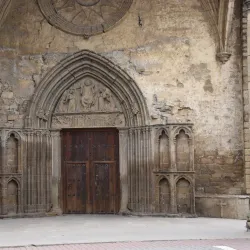
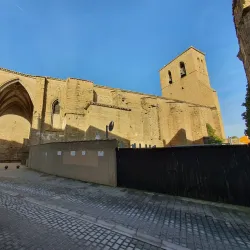
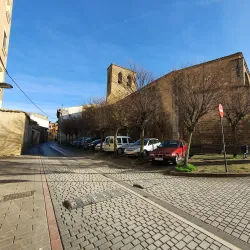
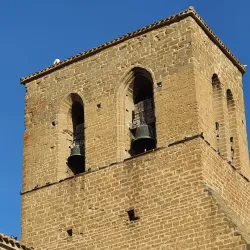
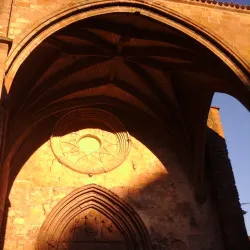
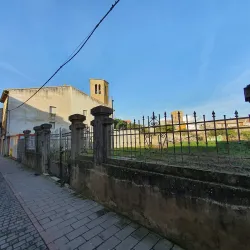
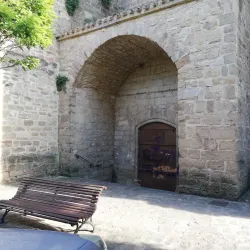
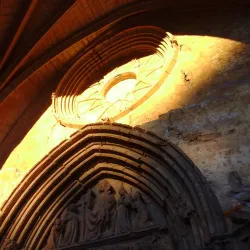
Another important religious site, this church features Gothic architecture and houses notable religious artworks.
It is a peaceful place for reflection and offers insight into the town's spiritual heritage.
Camino de Santiago Pilgrimage Route
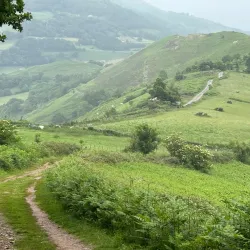
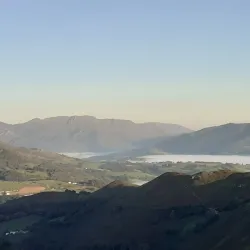
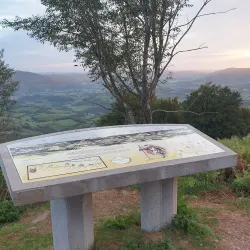
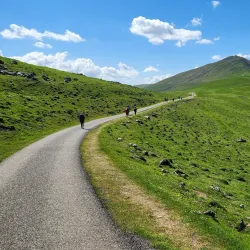
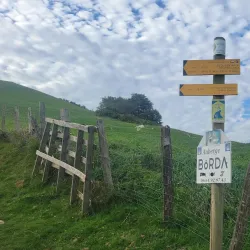
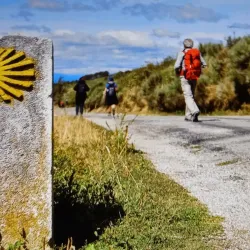
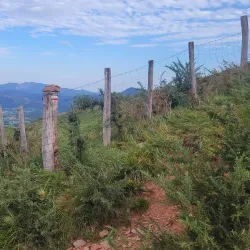
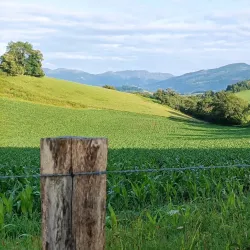
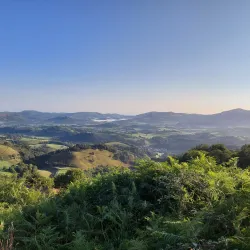
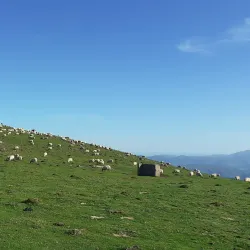
Sangüesa is located on the famous Camino de Santiago, a historic pilgrimage route leading to Santiago de Compostela.
Walking the route through Sangüesa allows visitors to experience the town's medieval charm and connect with a centuries-old tradition.
Ermita de San Esteban
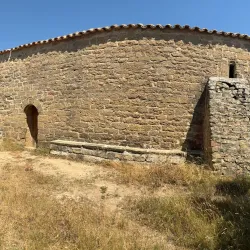
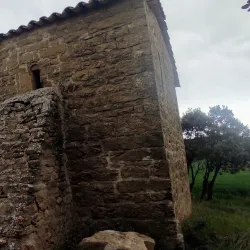
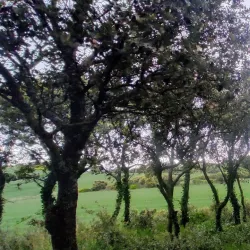
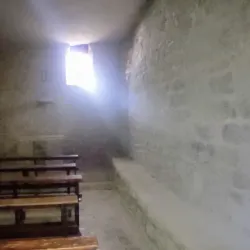
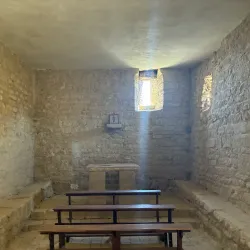
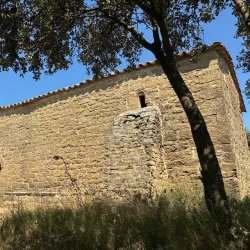
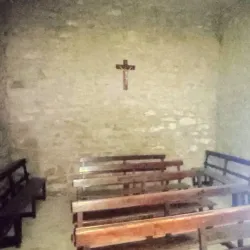
This small hermitage is located just outside the town and is known for its simple Romanesque style and tranquil setting.
It offers visitors a quiet retreat and a glimpse into the religious practices of the region.
Casa Natal de Julián Gayarre
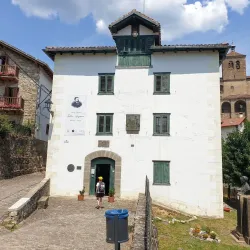
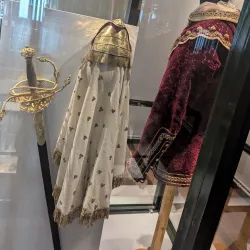
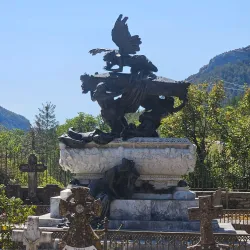
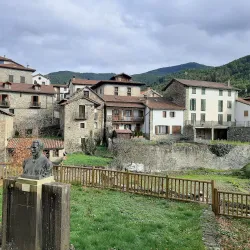
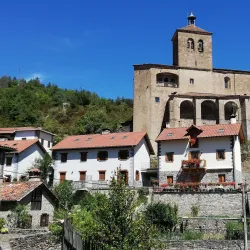
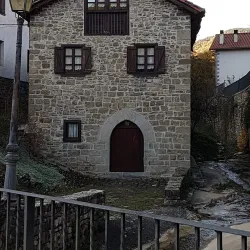
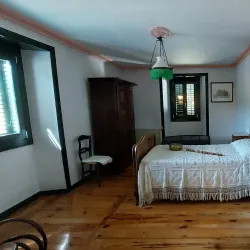

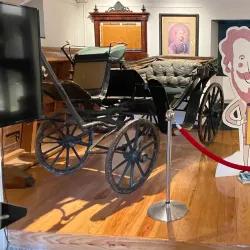
The birthplace of Julián Gayarre, a famous Spanish tenor, is preserved as a cultural site in Sangüesa.
The house offers exhibitions about his life and career, celebrating his contribution to Spanish music and culture.