Things to do in Segovia
Segovia, a historic city in Spain, is renowned for its rich cultural heritage and stunning architectural landmarks. Nestled in the autonomous community of Castile and León, Segovia offers visitors a glimpse into Roman, medieval, and Renaissance history through its well-preserved sites.The city is famous for its iconic Roman aqueduct, medieval castle, and beautiful cathedrals, making it a popular destination for history enthusiasts and travelers seeking authentic Spanish culture.Roman Aqueduct of Segovia
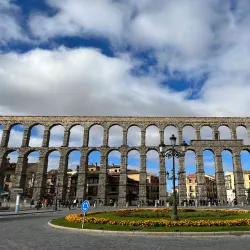
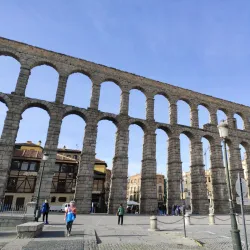
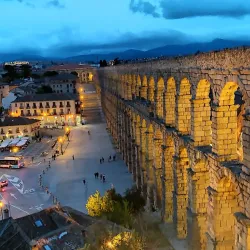
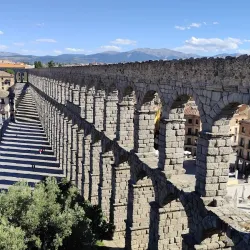
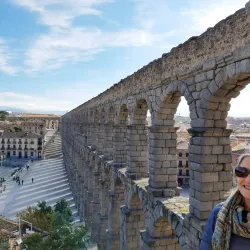
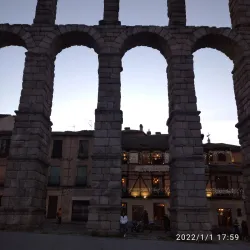
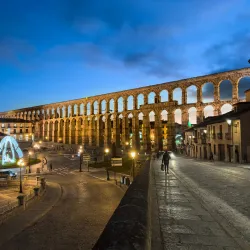
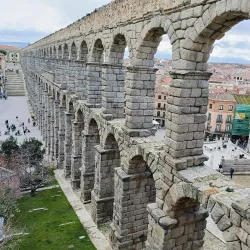
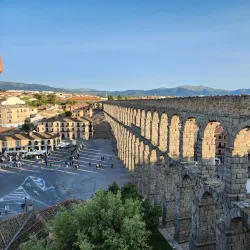
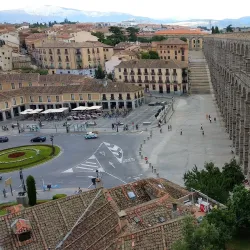
The Roman Aqueduct is one of the most significant and best-preserved ancient monuments left on the Iberian Peninsula. Built during the Roman Empire, it was designed to transport water from the Frío River to the city. The aqueduct is notable for its impressive arches constructed without mortar, showcasing advanced engineering techniques of the time.
This iconic structure stretches over 800 meters and is a symbol of Segovia, attracting visitors who admire its grandeur and historical importance.
Alcázar of Segovia

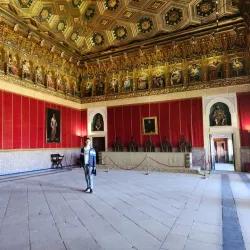


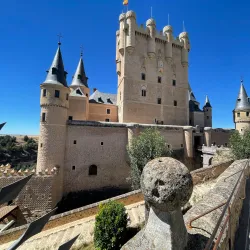


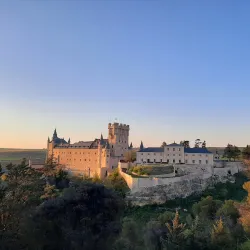
The Alcázar of Segovia is a striking medieval castle that resembles the bow of a ship. It has served various roles throughout history, including a royal palace, military fortress, and state prison. Today, it houses a museum and offers panoramic views of the city and surrounding countryside.
The castle's architecture features Gothic and Romanesque elements, and its interior includes richly decorated rooms and armory exhibits.
Segovia Cathedral
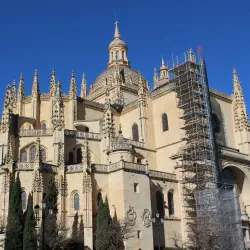
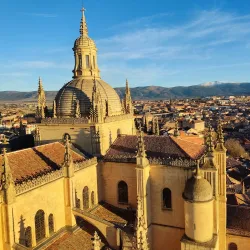
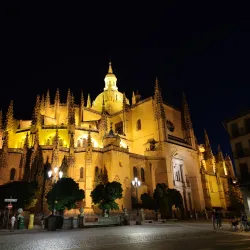
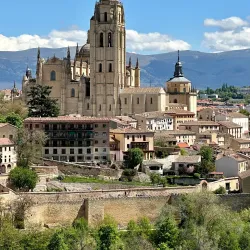
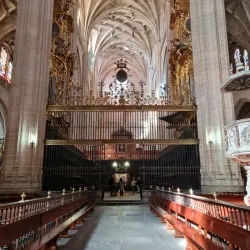
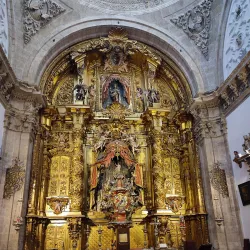
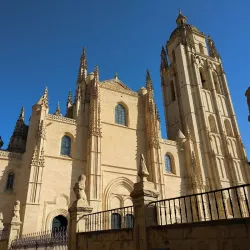
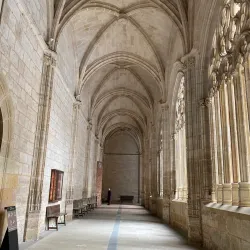
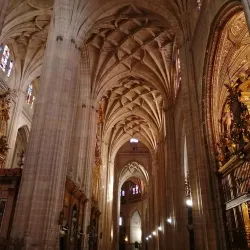
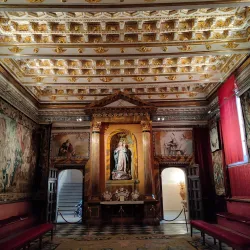
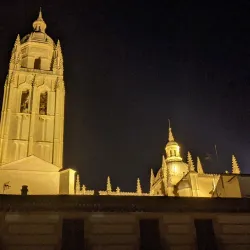
Known as the 'Lady of Cathedrals,' the Segovia Cathedral is a late Gothic-style cathedral located in the city's main square, Plaza Mayor. It was constructed in the 16th century and is one of the last Gothic cathedrals built in Spain.
The cathedral is admired for its elegant design, beautiful stained glass windows, and impressive altarpieces, making it a must-visit for art and architecture lovers.
Plaza Mayor of Segovia
The Plaza Mayor is the vibrant heart of Segovia, surrounded by historic buildings, cafes, and shops. It serves as a social and cultural hub where locals and tourists gather to enjoy the atmosphere and events.
The square is also home to the Segovia Cathedral and offers a picturesque setting for relaxation and people-watching.
Church of San Millán


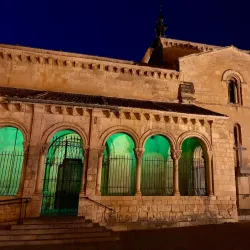
The Church of San Millán is a Romanesque church dating back to the 12th century. It is known for its distinctive architectural style and historical significance within the city.
Visitors appreciate its serene interior and the detailed stone carvings that reflect the religious art of the period.
Monastery of San Antonio el Real


This former royal monastery is noted for its Mudéjar architecture, blending Islamic and Christian artistic influences. Founded in the 15th century, it features beautiful frescoes and a peaceful cloister.
The monastery now functions as a cultural center and museum, offering insights into the religious and artistic history of Segovia.
Casa de los Picos
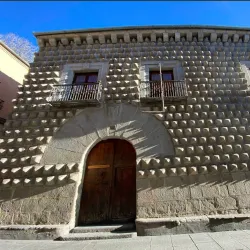
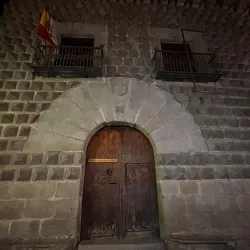
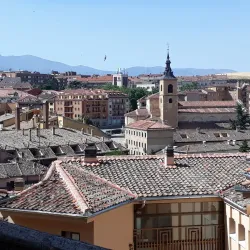
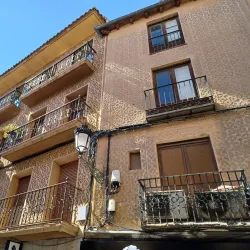
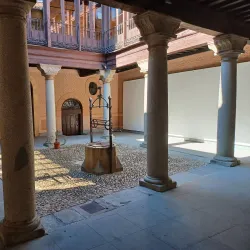
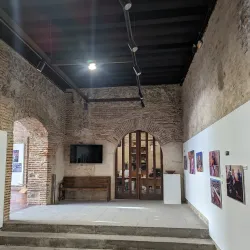
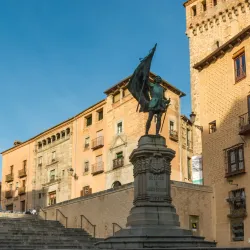
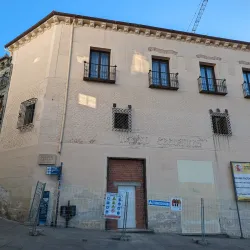
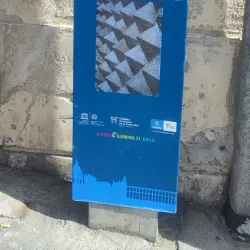
Casa de los Picos is a historic building famous for its unique façade covered with pyramid-shaped granite blocks. Built in the 15th century, it now serves as a cultural venue hosting art exhibitions and events.
The building's distinctive exterior makes it a popular photo spot and an example of Segovia's architectural diversity.
Jewish Quarter (Judería)

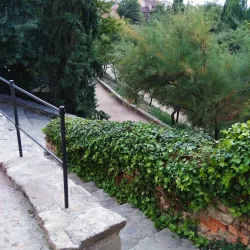
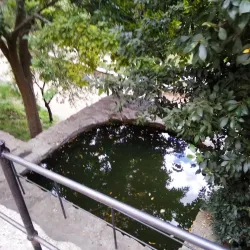
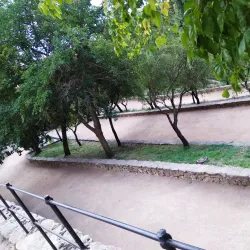
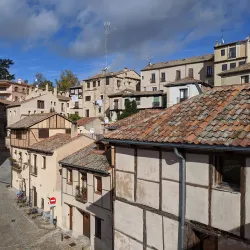
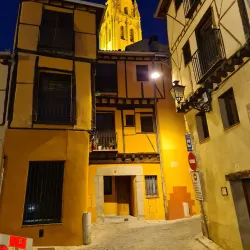
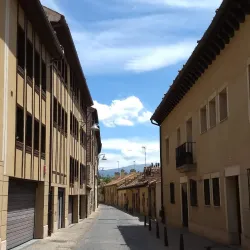
The Jewish Quarter of Segovia is a historic neighborhood that reflects the city's medieval Jewish heritage. Narrow streets and ancient buildings characterize this area, offering a glimpse into the past community life.
Visitors can explore synagogues, museums, and traditional shops that highlight the cultural contributions of Segovia's Jewish population.
La Muralla (City Walls)
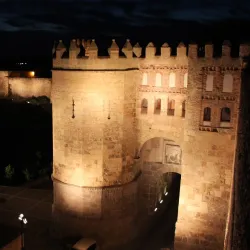
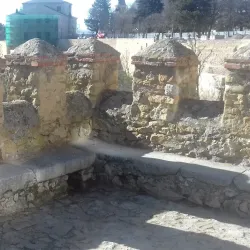
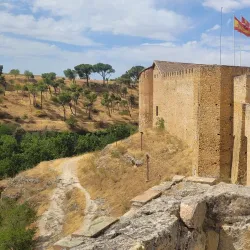
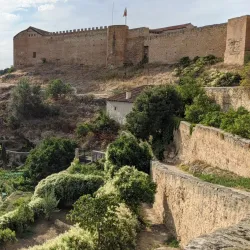
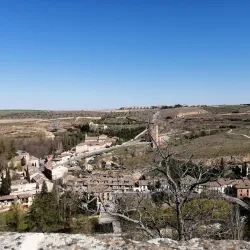
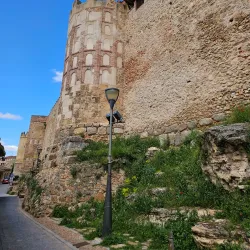
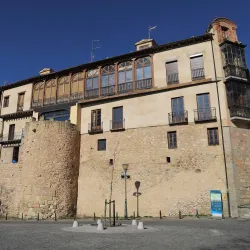
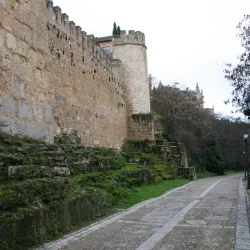
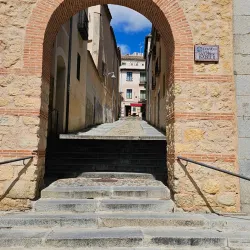
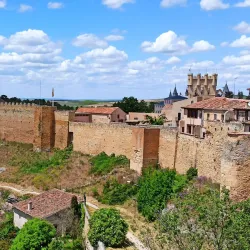
The ancient city walls of Segovia, known as La Muralla, date back to Roman and medieval times. Portions of the walls are well-preserved and provide a sense of the city's historical defenses.
Walking along the walls offers scenic views of Segovia and an appreciation for its strategic importance throughout history.
Puerta de San Andrés
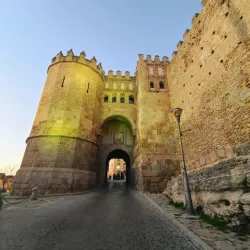
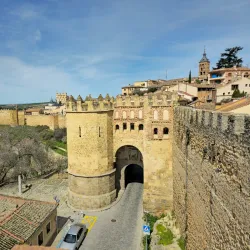
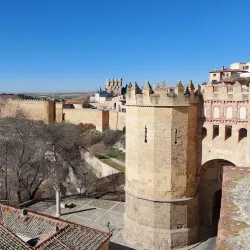

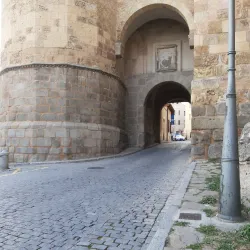
Puerta de San Andrés is a medieval gate that was part of Segovia's defensive walls. It is one of the best-preserved gates and features two towers connected by a semicircular arch.
The gate is a popular landmark and a starting point for exploring the old town's historic streets.