Things to do in Ubeda
Úbeda is a historic town located in the province of Jaén, Andalusia, Spain, renowned for its well-preserved Renaissance architecture and rich cultural heritage. The town is a UNESCO World Heritage Site, celebrated for its stunning palaces, churches, and plazas that reflect the artistic and architectural achievements of the 16th century.Visitors to Úbeda can explore its charming old town, filled with narrow streets, beautiful squares, and significant monuments. The town offers a blend of history, art, and local Andalusian culture, making it a captivating destination for history enthusiasts and travelers seeking an authentic Spanish experience.Vázquez de Molina Square
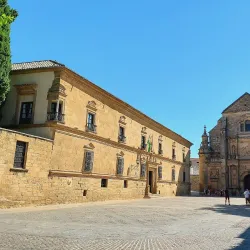
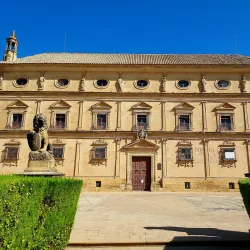
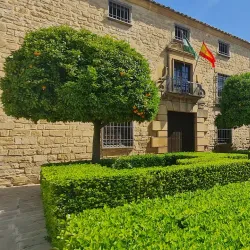
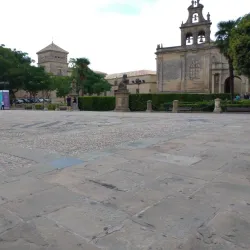
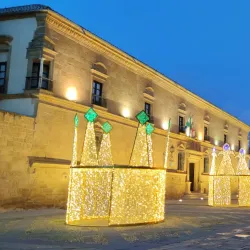
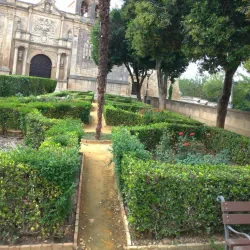
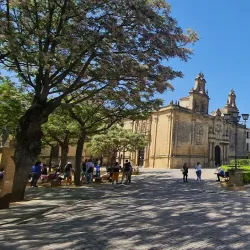
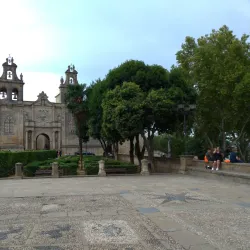
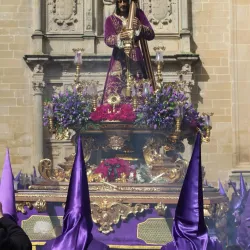
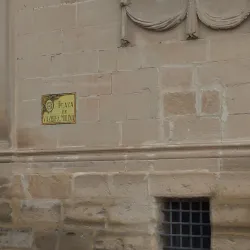
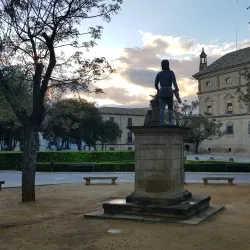
This iconic square is the heart of Úbeda and a prime example of Renaissance urban planning. It is surrounded by significant buildings such as the Sacra Capilla del Salvador, the Palacio de las Cadenas, and the Palacio de Vázquez de Molina.
The square is a popular gathering place and offers visitors a chance to admire the harmonious blend of architecture and history.
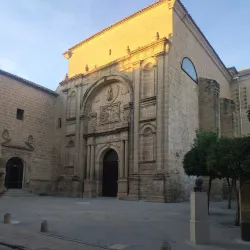
Sacra Capilla del Salvador

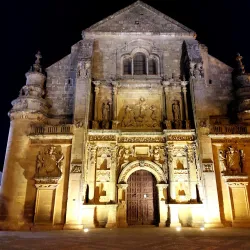


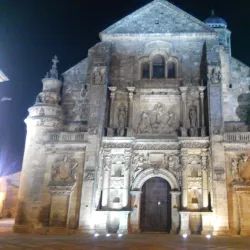

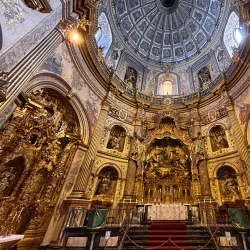
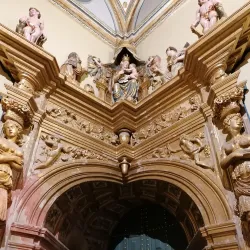
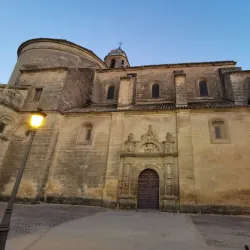
Designed by the famous architect Andrés de Vandelvira, this chapel is a masterpiece of Renaissance architecture and art. It was built as a funerary chapel for the local nobleman Francisco de los Cobos.
The interior features intricate stonework, sculptures, and a remarkable altarpiece, making it a must-visit for art and history lovers.
Palacio de las Cadenas
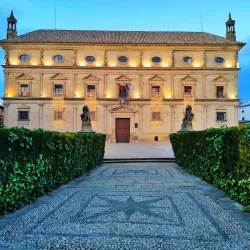
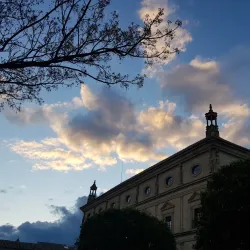
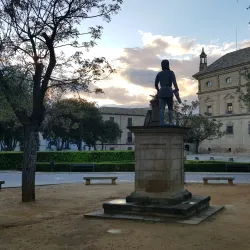
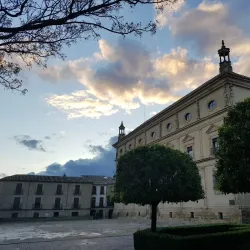
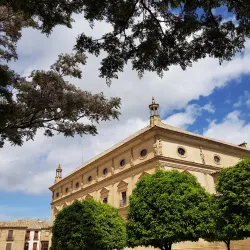
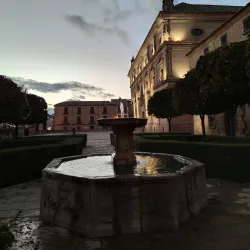
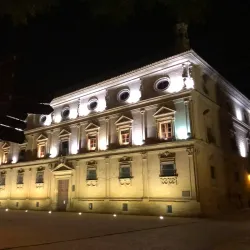
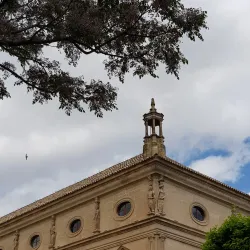
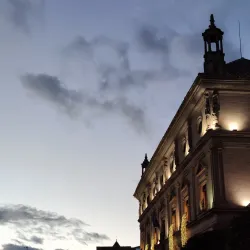
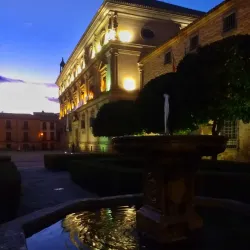
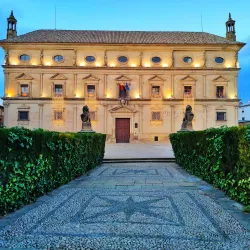
This Renaissance palace, located on Vázquez de Molina Square, is known for its elegant façade adorned with decorative chains, which symbolize the noble status of its original owners.
Today, it functions as a parador (luxury hotel), allowing visitors to experience the grandeur of Renaissance architecture firsthand.
Palacio de Vázquez de Molina
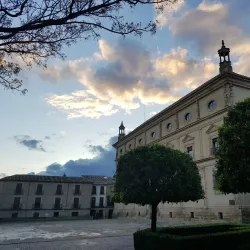
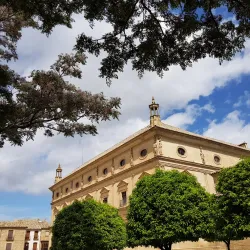
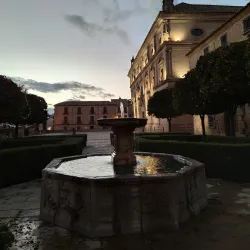
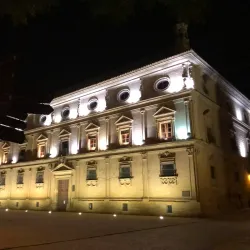
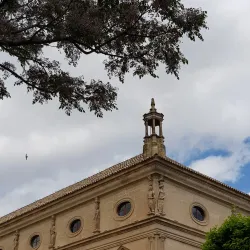
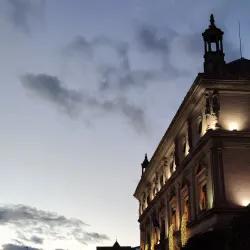
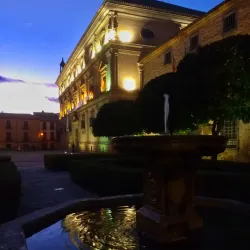
Another architectural gem on Vázquez de Molina Square, this palace was built for Juan Vázquez de Molina, a prominent figure in the Spanish court.
The building showcases classic Renaissance design elements and now houses the town hall, blending historical significance with contemporary use.
Church of San Pablo
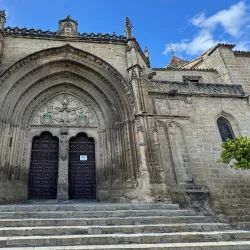
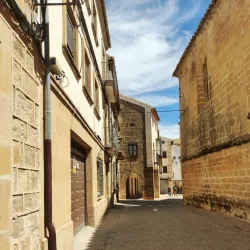

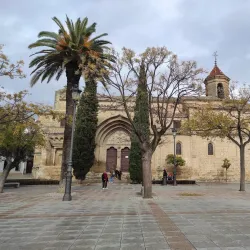
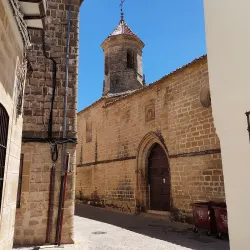

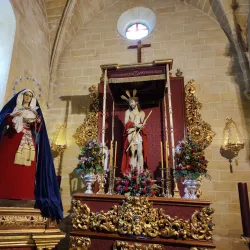


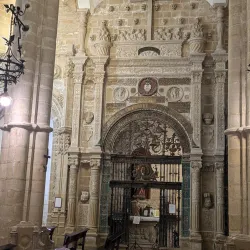
This church is notable for its Renaissance and Gothic architectural features. It was originally a convent church and contains beautiful altarpieces and religious art.
The church also offers panoramic views of the surrounding countryside from its bell tower.
Hospital de Santiago
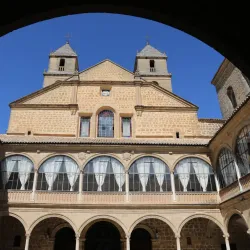

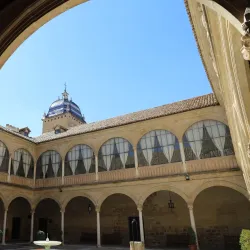
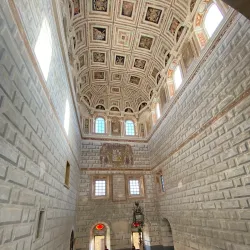
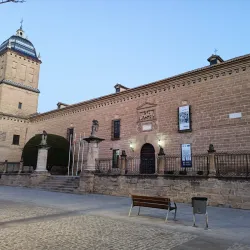
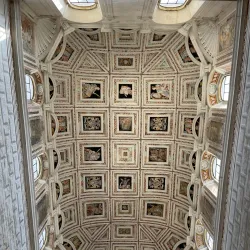
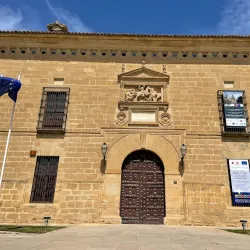
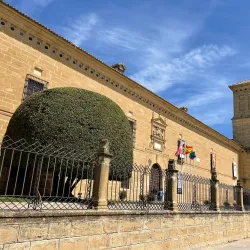
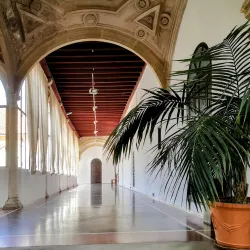

A historic building that served as a hospital during the Renaissance period, it is now a cultural center hosting exhibitions and events.
The architecture reflects the typical Renaissance style of Úbeda, with a peaceful courtyard and detailed stonework.
Palacio de Don Luis de Sotomayor
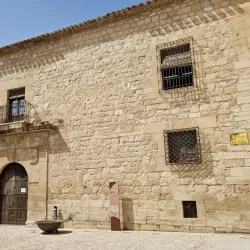
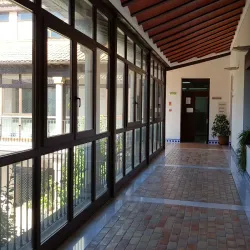
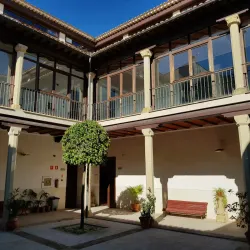
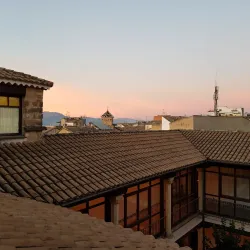
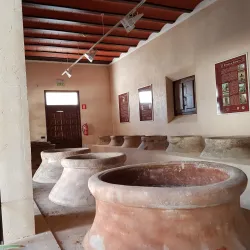
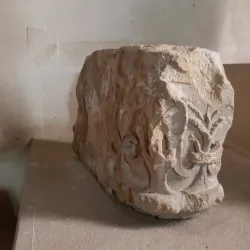
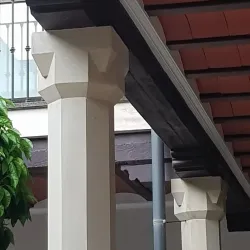
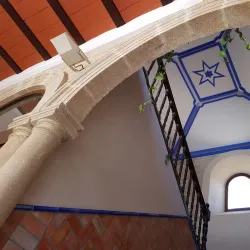
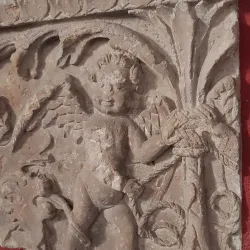
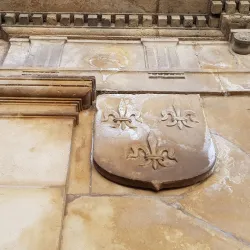
This Renaissance palace is known for its elegant façade and historical significance as the residence of a noble family.
It is an excellent example of the residential architecture of the period and contributes to the town's UNESCO World Heritage status.
Plaza del Mercado
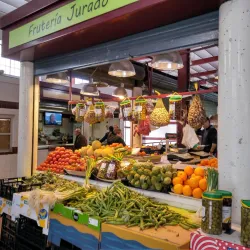
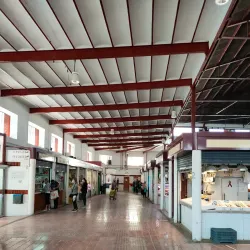
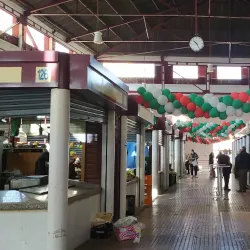
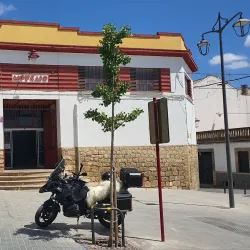
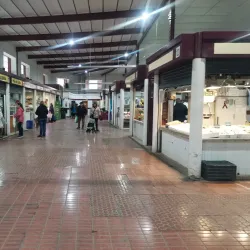
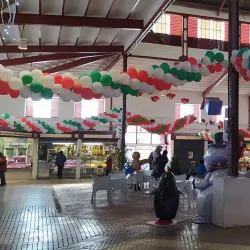
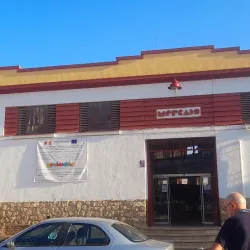
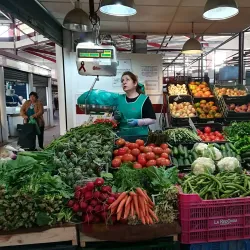
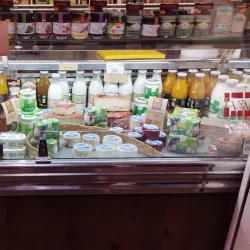
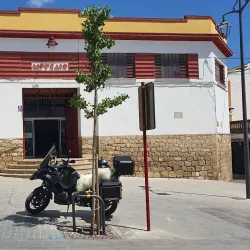
A lively square in the old town, historically used as a market area. It is surrounded by traditional buildings and offers a glimpse into daily life in Úbeda.
The square is a great place to enjoy local cuisine and shop for regional products.
Museo de Úbeda
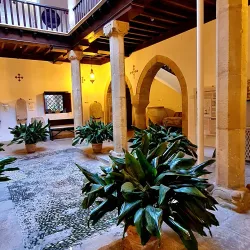
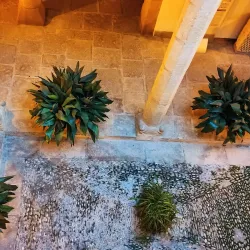
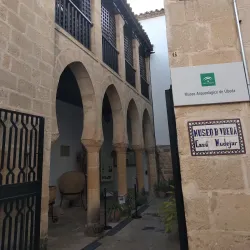
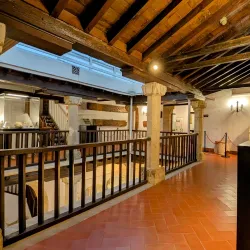
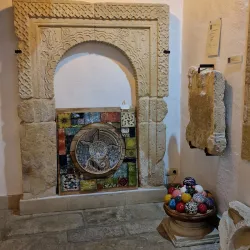
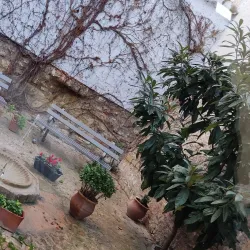
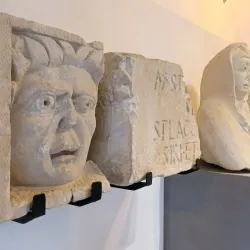
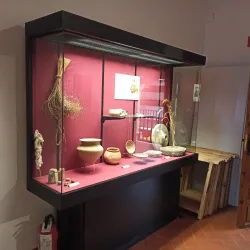
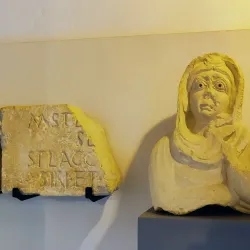
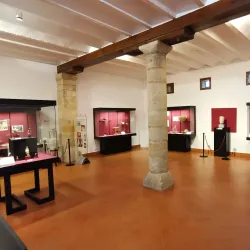
This museum is housed in a Renaissance palace and features exhibits on the history, art, and culture of Úbeda and the surrounding region.
Visitors can learn about the town's development, its artistic heritage, and archaeological finds.
Fuente de los Leones
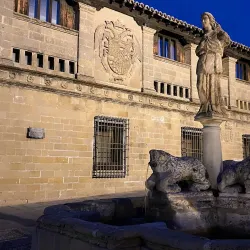
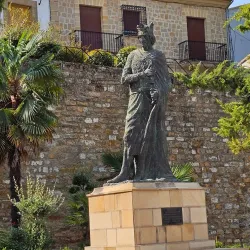
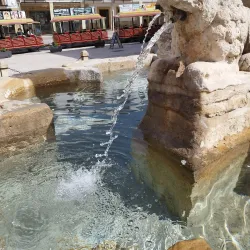
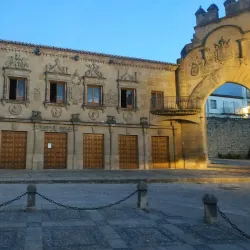
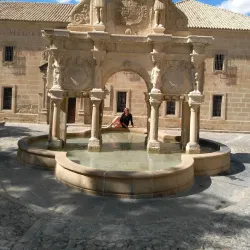
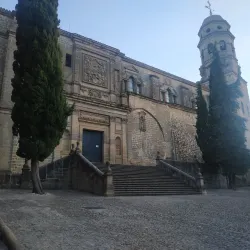
A historic fountain located in the town, known for its decorative lion sculptures and Renaissance design.
It is a charming spot that reflects the artistic detail found throughout Úbeda.