Things to do in Khartoum
Khartoum, the capital city of Sudan, is a vibrant metropolis located at the confluence of the Blue Nile and White Nile rivers. It serves as the political, cultural, and economic center of the country, blending modern urban life with rich historical heritage.The city offers a variety of experiences, from exploring ancient archaeological sites and museums to enjoying the natural beauty of the Nile and local parks. Khartoum's neighborhoods reflect a mix of traditional Sudanese culture and contemporary influences.National Museum of Sudan
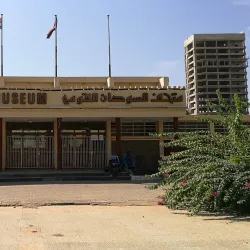
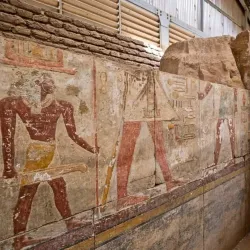
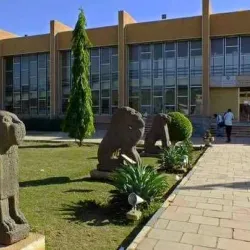
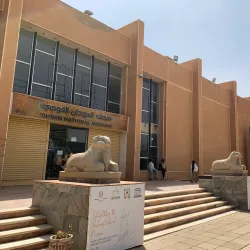
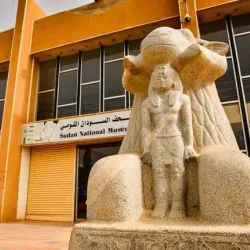
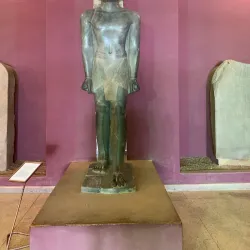
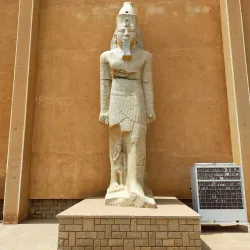
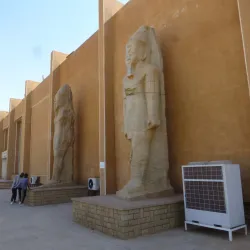
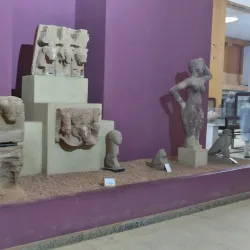
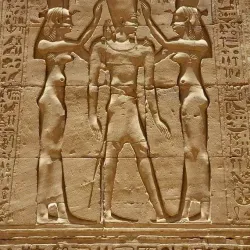
The National Museum of Sudan is the premier museum in Khartoum, showcasing artifacts from Sudan's rich history, including the Nubian kingdoms and ancient Egyptian influences. It houses a vast collection of archaeological finds, sculptures, and historical documents.
Visitors can explore exhibits that highlight Sudan's cultural heritage and its role in the ancient world, making it a must-visit for history enthusiasts.
Confluence of the Blue Nile and White Nile
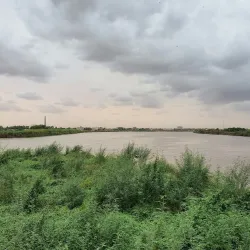
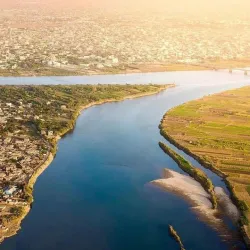
This natural landmark is where the Blue Nile and White Nile rivers meet to form the Nile River. It is a picturesque spot popular for sightseeing and photography.
Visitors can enjoy boat rides and stroll along the riverbanks to experience the unique geographical and cultural significance of this confluence.
Tuti Island
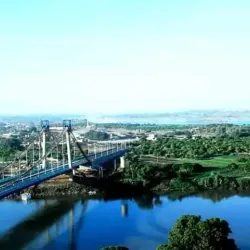
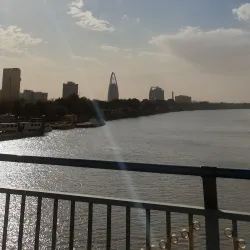
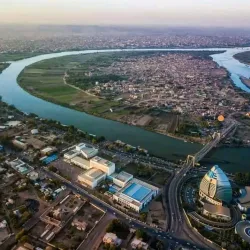
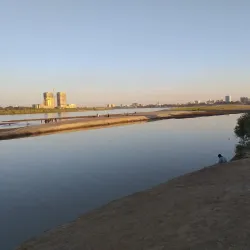
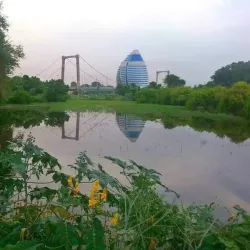
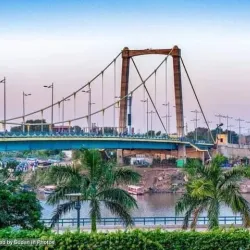
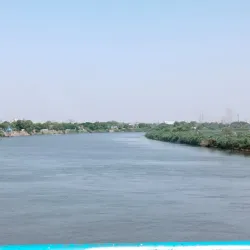
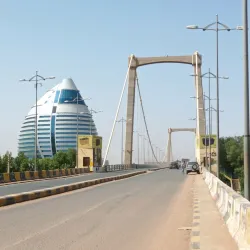
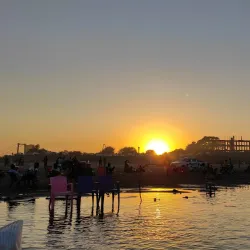
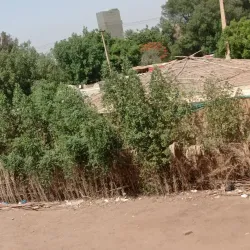
Tuti Island is located at the confluence of the Blue and White Nile rivers and offers a peaceful escape from the city's hustle and bustle. The island is known for its agricultural activities and traditional village life.
Visitors can explore the island by foot or bike, enjoy local food, and experience the rural lifestyle within the city limits.
Al-Mogran Family Park

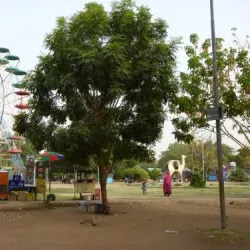
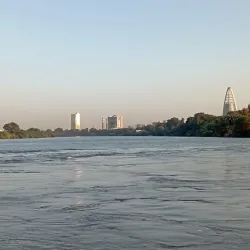
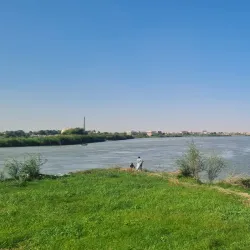
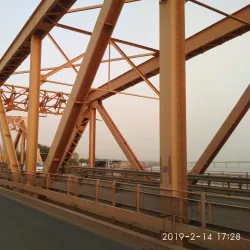
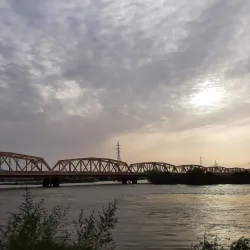
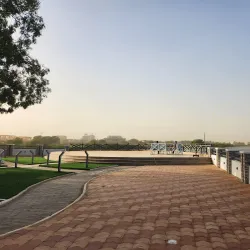
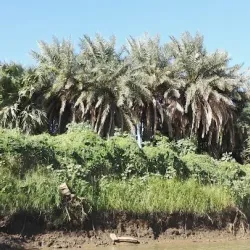
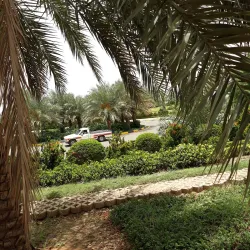
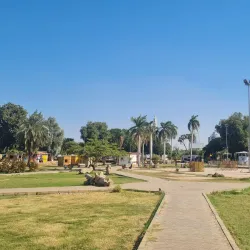
Al-Mogran Family Park is a popular recreational area in Khartoum, offering green spaces, playgrounds, and picnic areas along the Nile. It is a favorite spot for families and locals to relax and enjoy outdoor activities.
The park provides beautiful views of the river and is ideal for leisurely walks and social gatherings.
Sudan National Museum
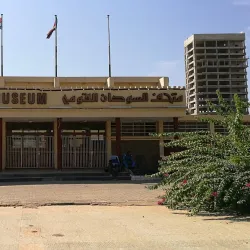
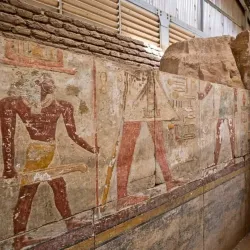
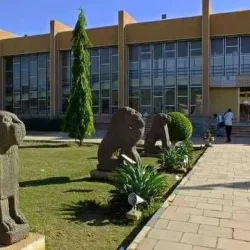
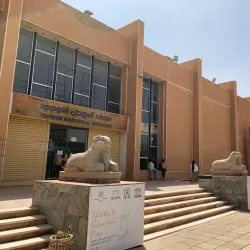
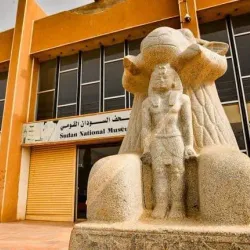
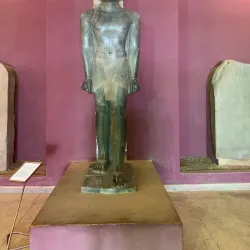
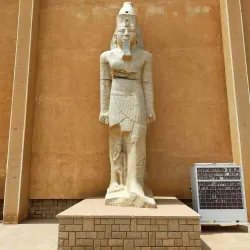
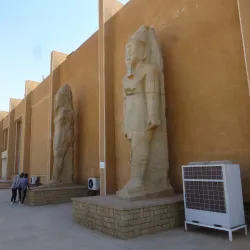
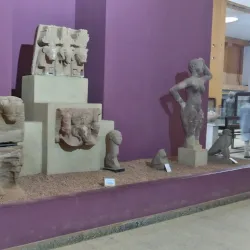
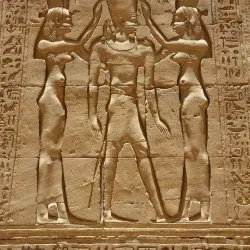
Another key cultural institution, the Sudan National Museum features extensive collections related to Sudanese archaeology and ethnography. It highlights the diverse cultures and histories of Sudan's many ethnic groups.
The museum is an educational resource and a cultural hub for visitors interested in Sudan's past and present.
Al-Nilin Mosque
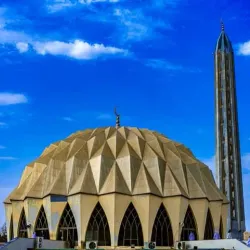
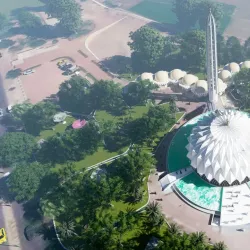
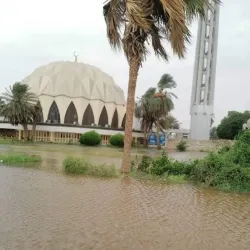
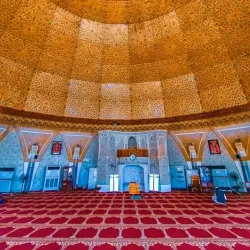
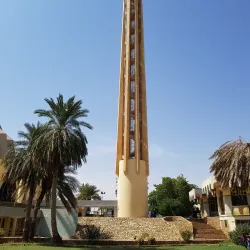
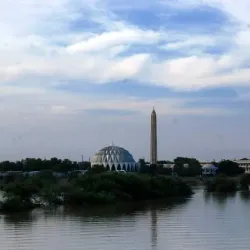
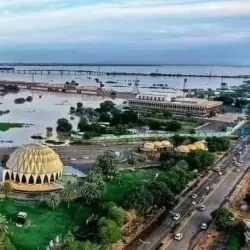
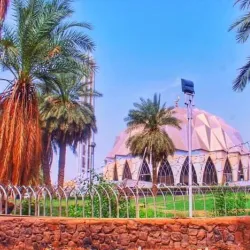
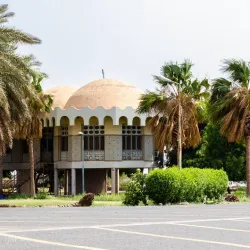
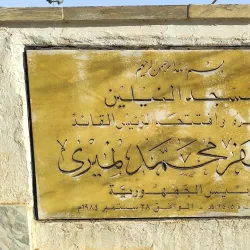
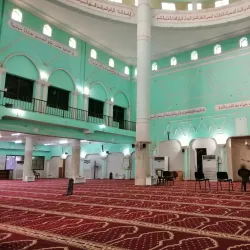
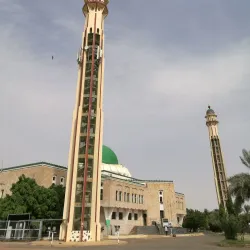
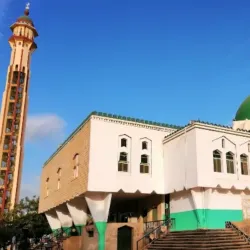
Al-Nilin Mosque is one of the largest and most beautiful mosques in Khartoum, known for its impressive architecture and serene atmosphere. It is situated near the Nile and is a significant religious site in the city.
Visitors can admire the mosque's design and learn about Islamic culture in Sudan.
Omdurman Market (Souq Omdurman)
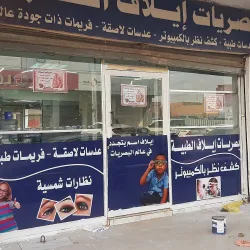
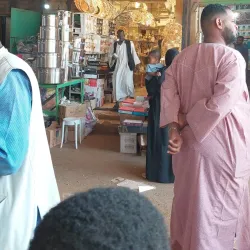
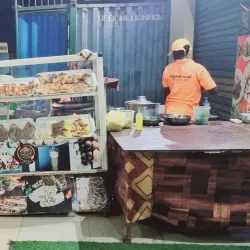
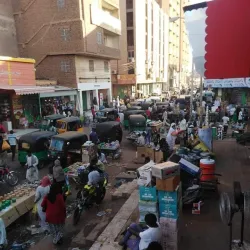
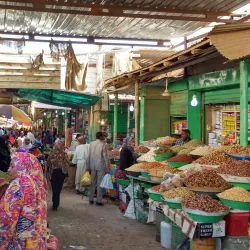
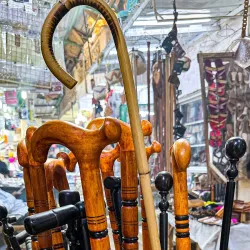
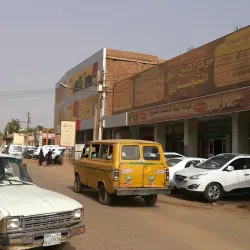
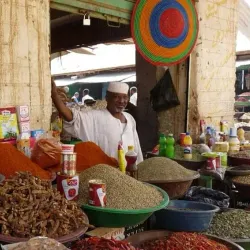
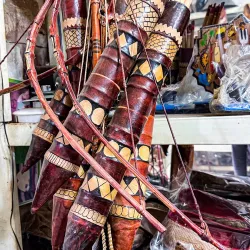
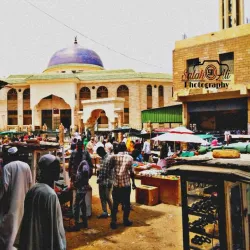
Located just across the Nile from Khartoum, Omdurman Market is one of the largest and busiest markets in Sudan. It offers a vibrant shopping experience with a wide range of goods including spices, textiles, crafts, and traditional Sudanese products.
The market is a cultural hotspot where visitors can interact with locals and experience everyday life in Sudan.
Mahdi's Tomb
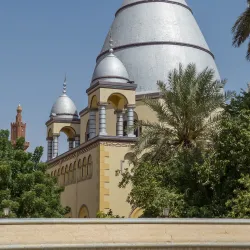
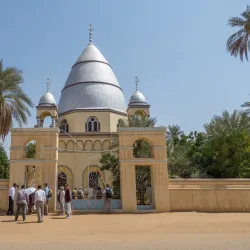
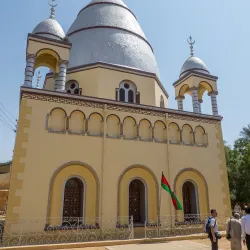
The Mahdi's Tomb is a historic site in Omdurman dedicated to Muhammad Ahmad, who led the Mahdist revolt against Egyptian and British rule in the late 19th century. The tomb is an important symbol of Sudanese nationalism and history.
Visitors can learn about the Mahdist period and its impact on Sudan's identity.
Camel Market (Souq al-Jamal)
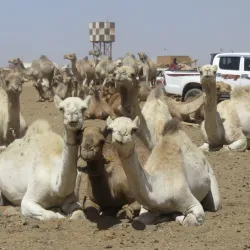

The Camel Market is a traditional livestock market in Omdurman where camels, sheep, and other animals are bought and sold. It offers a unique glimpse into Sudanese rural commerce and culture.
Visitors can observe the lively trading activities and experience a traditional aspect of Sudanese life.
Al Shaheed Monument
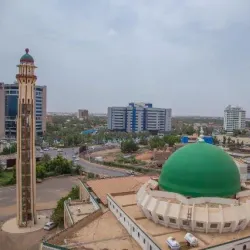
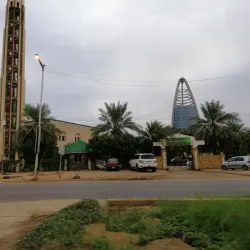
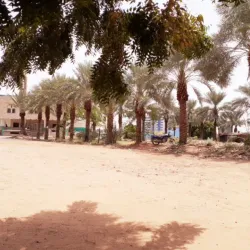
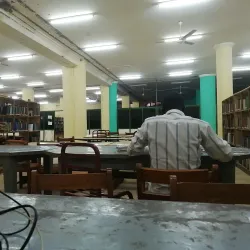
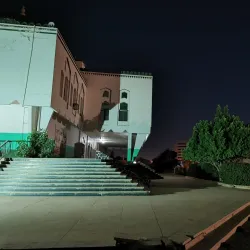
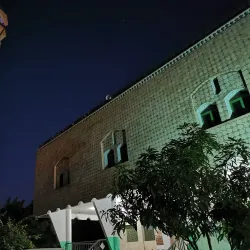
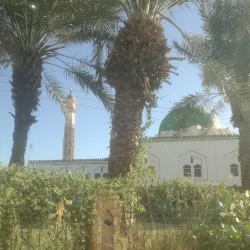
The Al Shaheed Monument is a striking structure built to honor Sudanese soldiers who died in the 1965 war. It features a distinctive dome design and is surrounded by a reflecting pool and gardens.
The monument is a place of remembrance and a notable architectural landmark in Khartoum.