Things to do in Omdurman
Omdurman is the largest city in Sudan and is located on the western banks of the Nile, opposite the capital Khartoum. It is known for its rich history, cultural heritage, and vibrant markets. The city offers a unique blend of traditional Sudanese culture and historical landmarks, making it a fascinating destination for visitors interested in exploring Sudan's past and present.Omdurman is famous for its bustling souks, religious sites, and historical monuments. The city is also a center for Sufi culture and has many sites related to Sudanese independence and history. Visitors can experience the lively atmosphere of local markets, taste traditional Sudanese cuisine, and learn about the country's history through its museums and memorials.Omdurman Souq (Market)
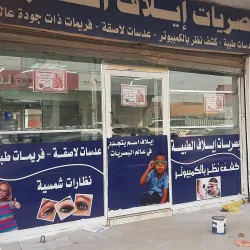
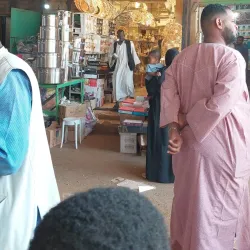
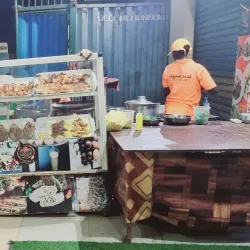
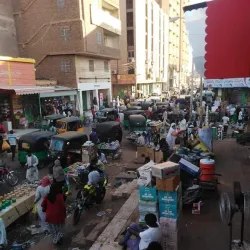
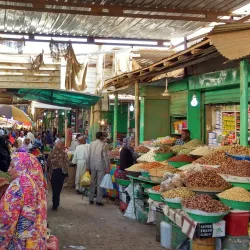
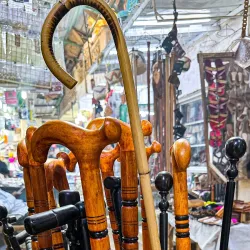

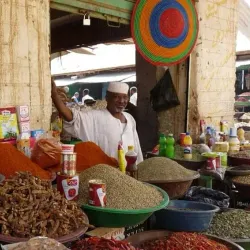
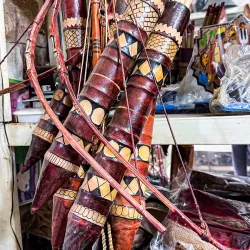

The Omdurman Souq is one of the largest and most famous markets in Sudan. It is a bustling marketplace where visitors can find a wide range of goods including traditional crafts, spices, textiles, and jewelry. The market is a vibrant hub of activity and offers an authentic experience of Sudanese daily life and commerce.
Khalifa House Museum
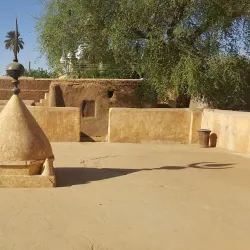
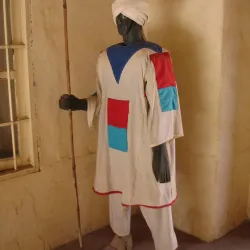
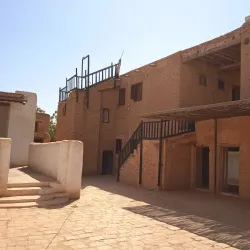
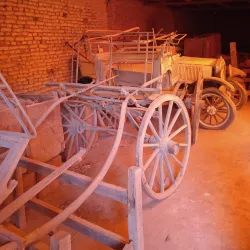
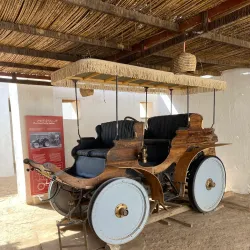
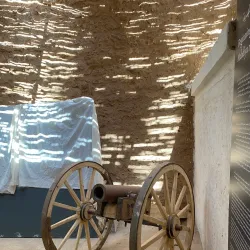
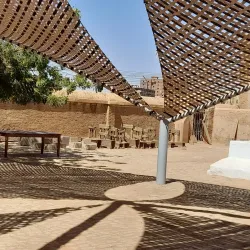
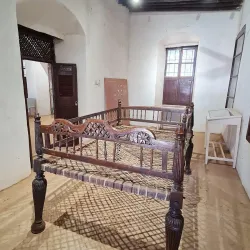
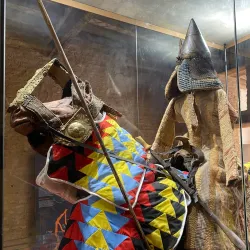
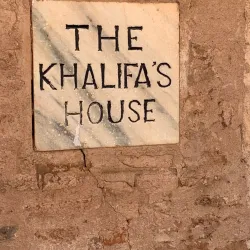
This museum is located in the former residence of the Khalifa Abdallahi ibn Muhammad, the successor to the Mahdi who led the Mahdist state in Sudan. The museum showcases artifacts, historical documents, and exhibits related to the Mahdist period and Sudanese history. It provides valuable insights into the country's 19th-century history.
Mahdi's Tomb (Al-Mahdi's Tomb)
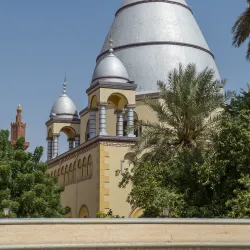
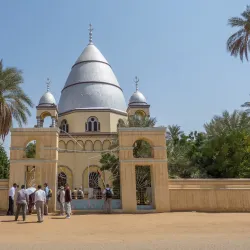
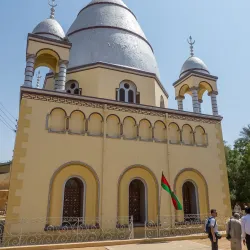
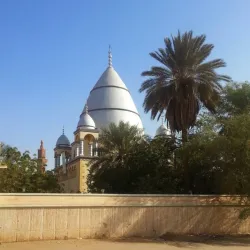
The tomb of Muhammad Ahmad al-Mahdi, the leader of the Mahdist revolution, is a significant historical and religious site in Omdurman. The tomb is an important pilgrimage site for many Sudanese and is noted for its distinctive Islamic architecture and historical significance.
Omdurman Camel Market
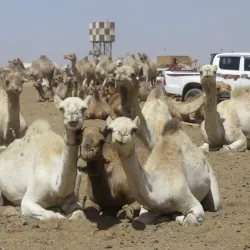

The camel market in Omdurman is one of the largest in Sudan and offers a unique glimpse into traditional livestock trading. Visitors can observe the buying and selling of camels and other animals, which is an important aspect of Sudanese rural economy and culture.
Tuti Island
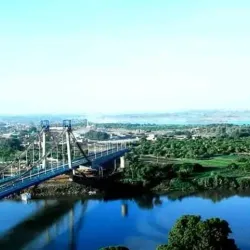
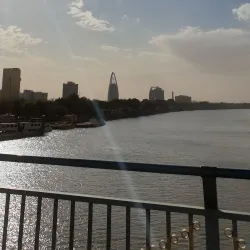
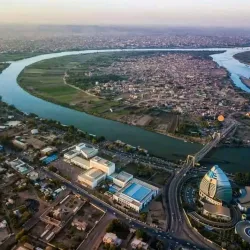
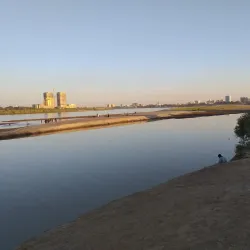
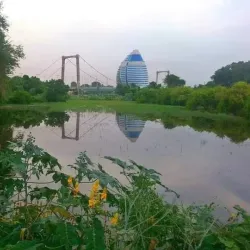
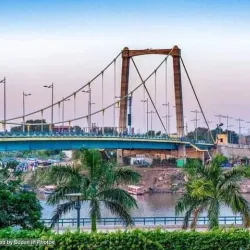
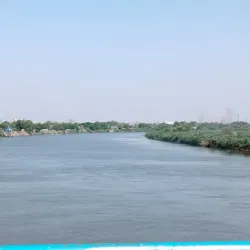
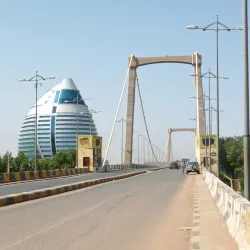
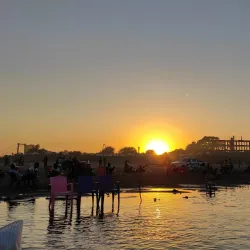
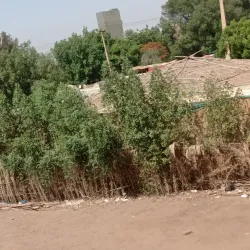
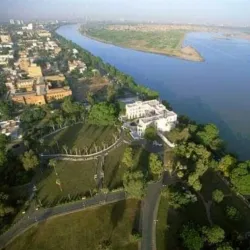
Located at the confluence of the Blue and White Nile rivers, Tuti Island is accessible from Omdurman and Khartoum. It is a peaceful retreat known for its natural beauty and agricultural activities. Visitors can enjoy scenic views, local farms, and a break from the urban environment.
Omdurman National Museum
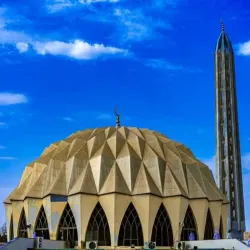

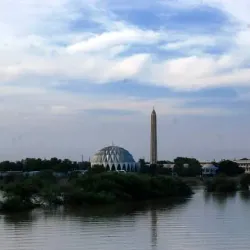
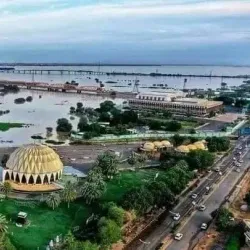
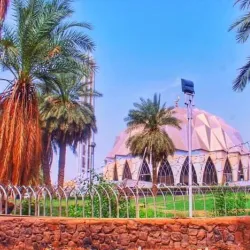
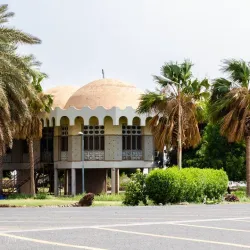
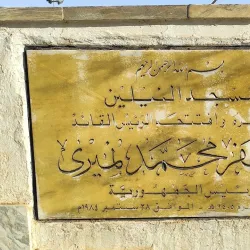
The Omdurman National Museum houses a collection of artifacts and exhibits related to Sudanese history, culture, and archaeology. It provides educational insights into the diverse heritage of Sudan and is a key cultural institution in the city.
Sufi Shrines and Mosques
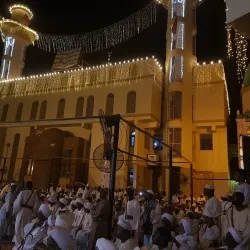
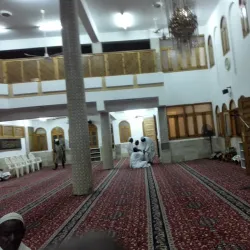
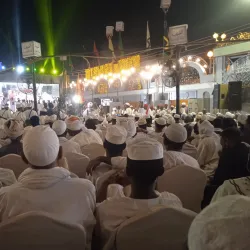
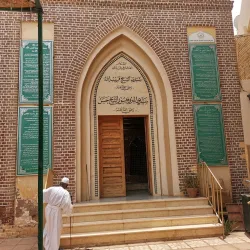
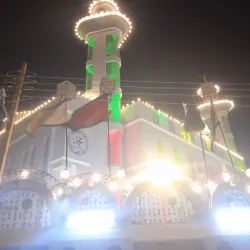
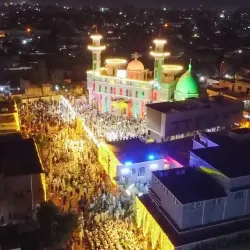
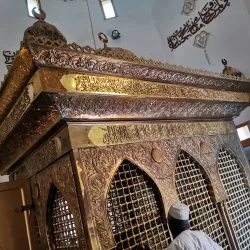
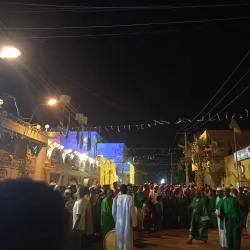
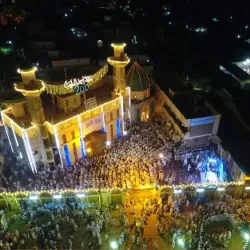
Omdurman is known for its Sufi heritage, and the city is home to several important shrines and mosques associated with Sufi saints and traditions. These sites are significant for religious and cultural reasons and attract visitors interested in Islamic mysticism and Sudanese spirituality.
Al-Nilin Mosque
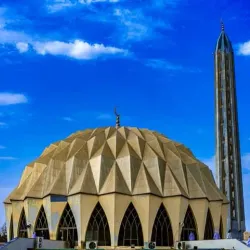
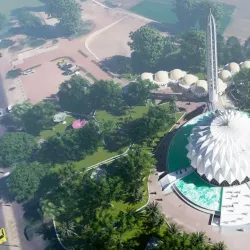
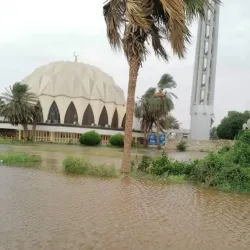
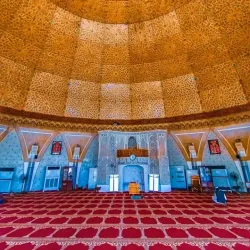
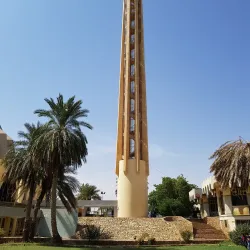
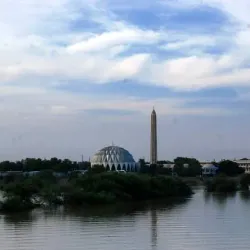
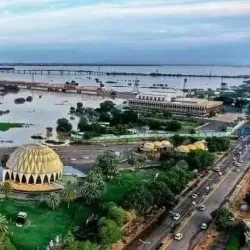
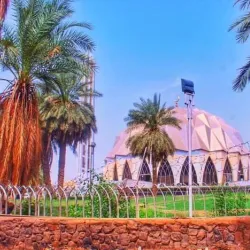
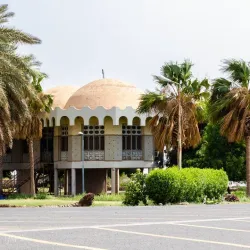
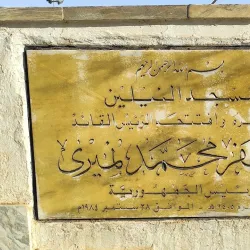
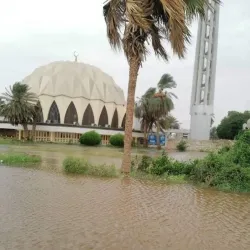
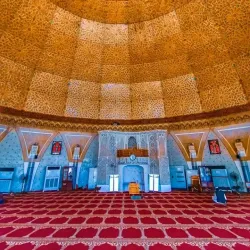
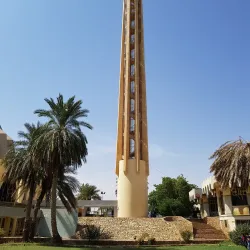
Al-Nilin Mosque is one of the prominent mosques in Omdurman, known for its architectural beauty and religious importance. It serves as a center for worship and community gatherings in the city.
Omdurman War Memorial
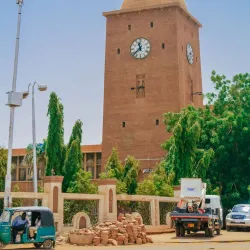
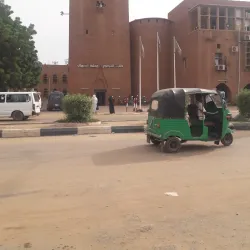
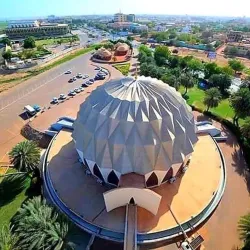


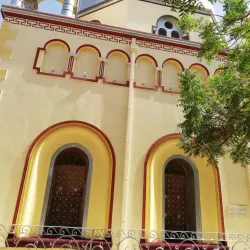
This memorial commemorates the soldiers and events related to Sudan's history of conflict and independence. It is a place of reflection and remembrance, highlighting the struggles and sacrifices made by Sudanese people.
Traditional Sudanese Restaurants and Cafes
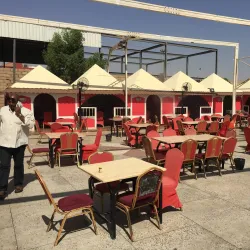
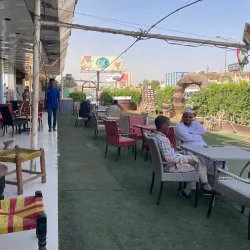
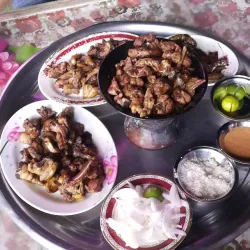
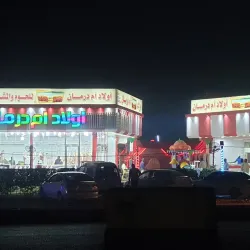
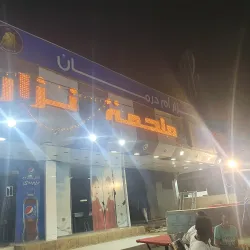
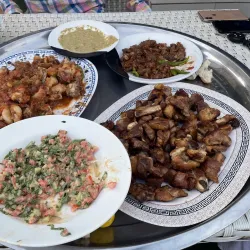
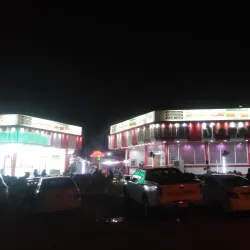
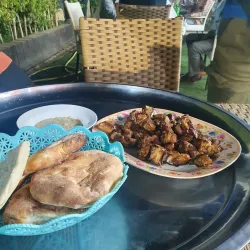
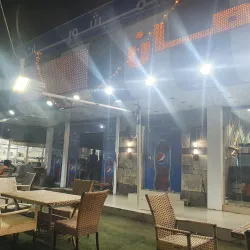
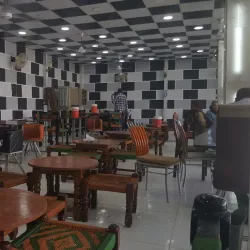
Omdurman offers a variety of traditional Sudanese dining experiences where visitors can enjoy local dishes such as kisra, tagine, and various meat and vegetable stews. The city's cafes also provide a social atmosphere where locals gather to drink tea and coffee.