Things to do in Damascus
Damascus, the capital city of Syria, is one of the oldest continuously inhabited cities in the world. It is renowned for its rich history, cultural heritage, and architectural marvels that span several millennia.The city offers a unique blend of ancient and modern, with bustling souks, historic mosques, and ancient ruins alongside contemporary urban life. Visitors can explore diverse neighborhoods that reflect Damascus's long-standing significance as a cultural and religious center.Umayyad Mosque
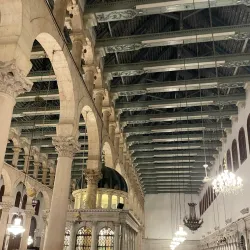
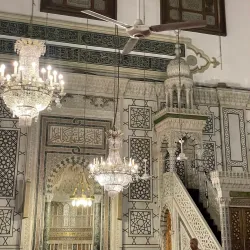
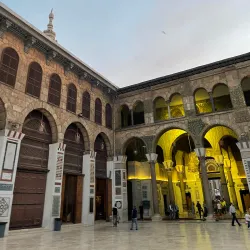
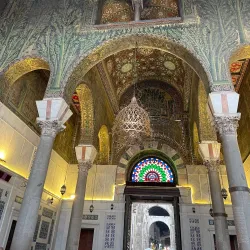
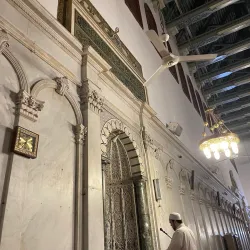
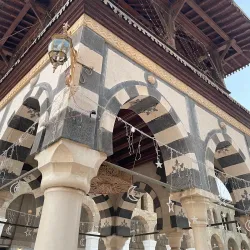
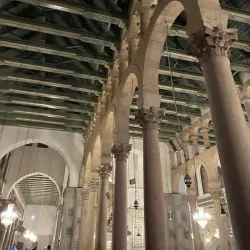
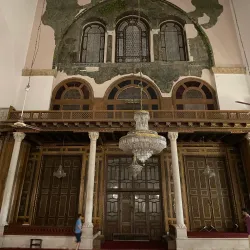
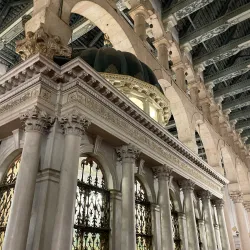
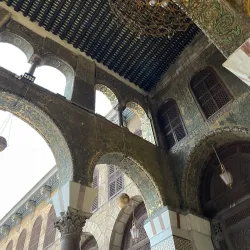
One of the largest and oldest mosques in the world, the Umayyad Mosque is a masterpiece of early Islamic architecture. It is revered as a significant religious site and features stunning mosaics, a vast prayer hall, and the shrine of John the Baptist (Prophet Yahya).
The mosque's history dates back to the 8th century and it stands on a site that was previously a Roman temple and a Christian basilica.
Old City of Damascus
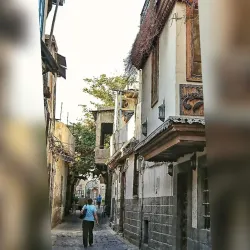
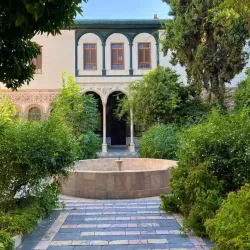
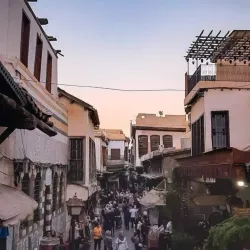
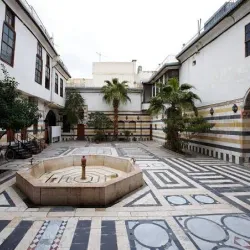
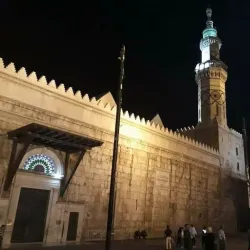
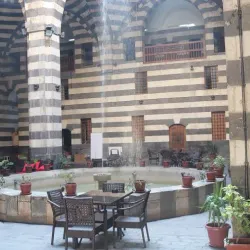
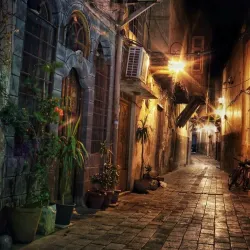
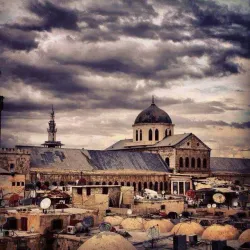
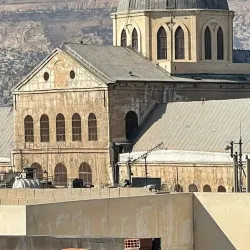
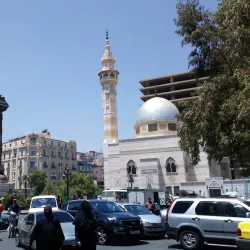
The Old City is a UNESCO World Heritage site, characterized by its ancient walls, narrow alleys, and historic buildings. It is home to many religious and cultural landmarks, including the Umayyad Mosque, ancient souks, and traditional houses.
Walking through the Old City offers a glimpse into the city's layered history and vibrant local life.
Azm Palace
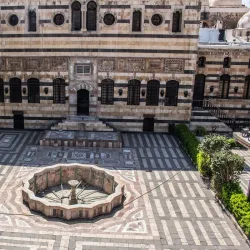
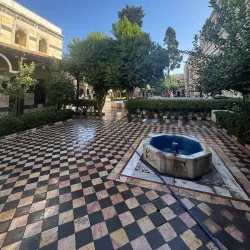
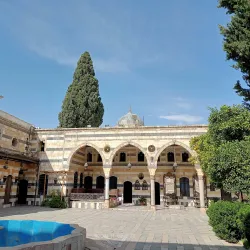
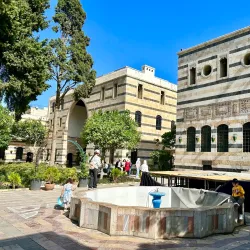
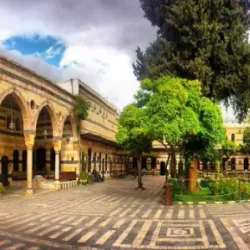
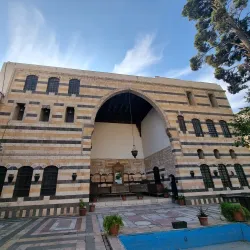
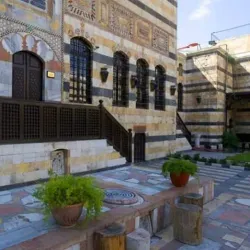
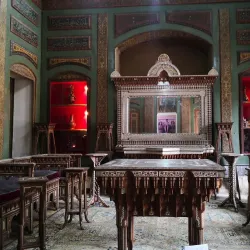
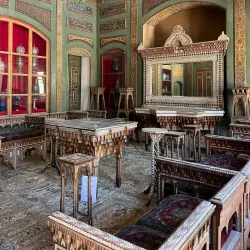
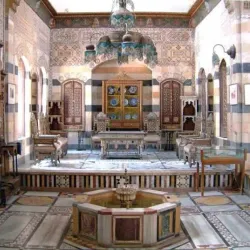
Built in the 18th century, Azm Palace is a fine example of Ottoman-era residential architecture. It was the residence of the Ottoman governor and now serves as a museum showcasing traditional Damascene arts and crafts.
The palace features beautiful courtyards, intricate woodwork, and elegant rooms that reflect the lifestyle of Damascus's elite during the Ottoman period.
Straight Street (Via Recta)
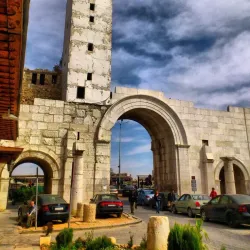
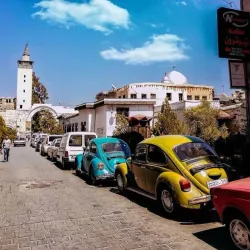
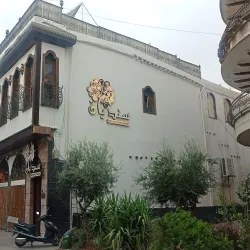
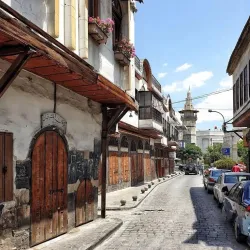
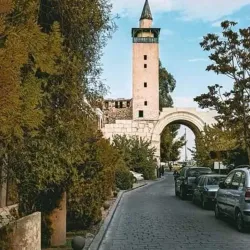
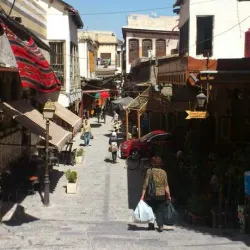
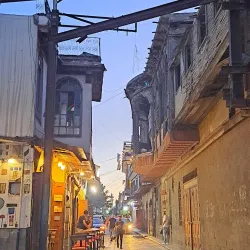
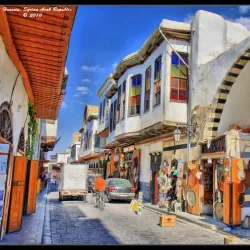
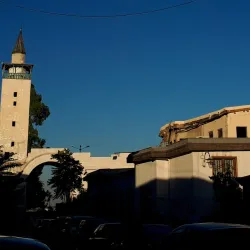
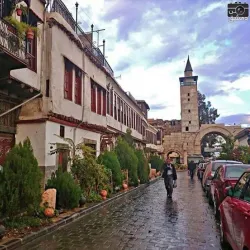
Straight Street is a historic Roman road that runs through the Old City of Damascus. It is mentioned in the Bible and remains a central thoroughfare lined with shops, cafes, and historic buildings.
The street connects key religious sites and is a testament to the city's ancient urban planning.
National Museum of Damascus
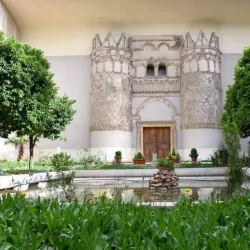
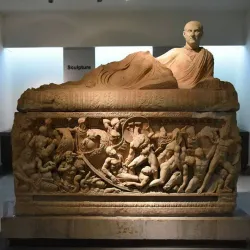
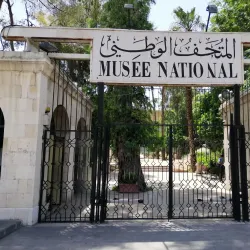
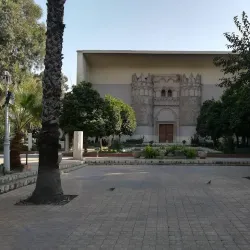
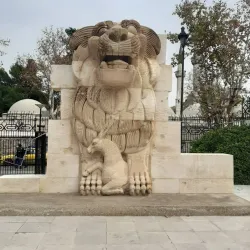
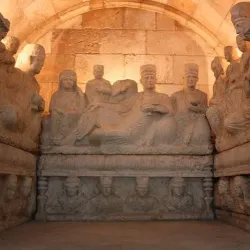
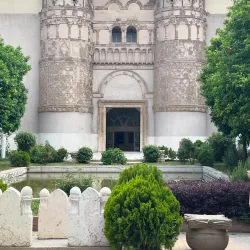
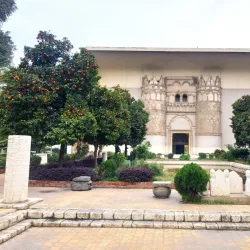
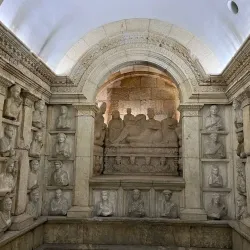
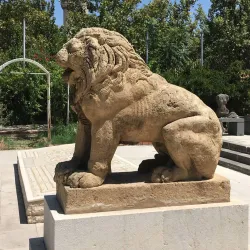
The National Museum houses an extensive collection of artifacts from Syria's rich archaeological heritage, including items from prehistoric times, the Bronze Age, and Islamic periods.
It offers visitors a comprehensive overview of the region's history through well-preserved sculptures, pottery, and ancient relics.
Saladin's Tomb
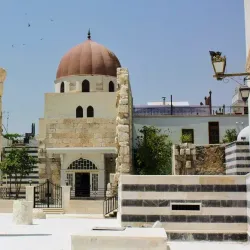
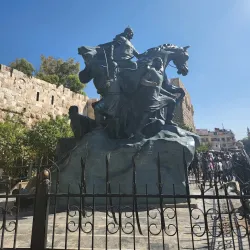
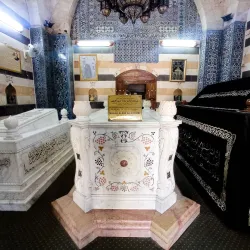
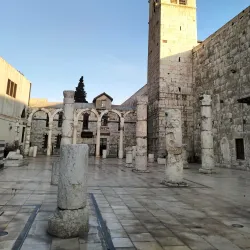
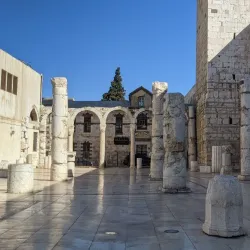
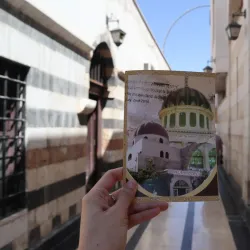
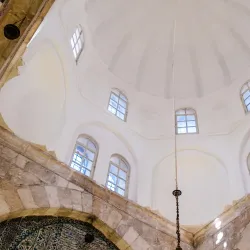
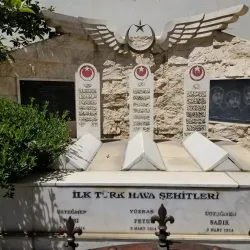
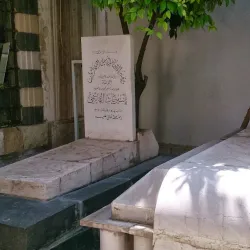
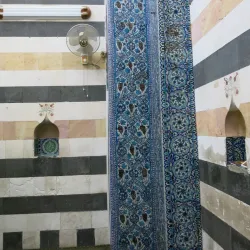
Located near the Umayyad Mosque, Saladin's Tomb is the burial place of the famous Muslim leader Salah ad-Din (Saladin), known for his role in the Crusades.
The tomb is a significant historical site and a symbol of Islamic heritage and resistance.
Souq Al-Hamidiyah
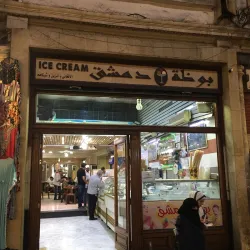
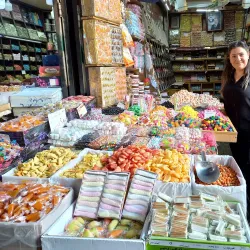
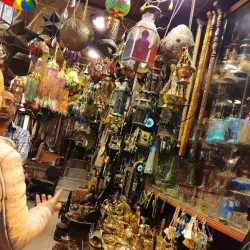
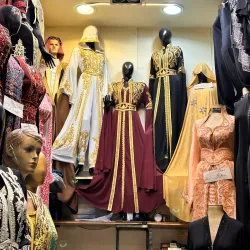
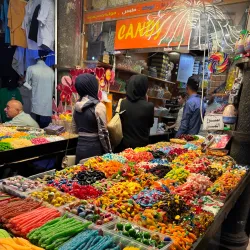
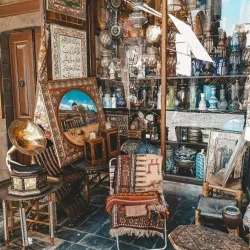
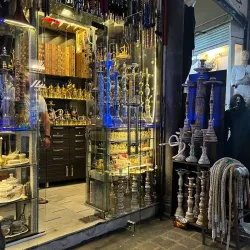
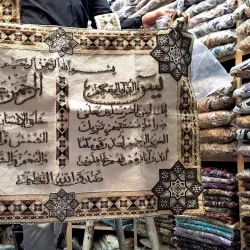
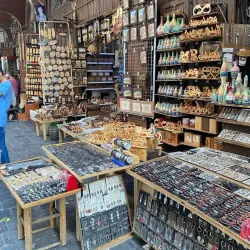
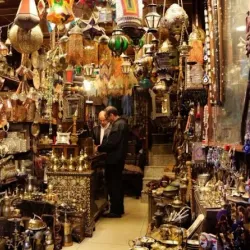
This is the largest and most famous market in Damascus, offering a vibrant shopping experience with a variety of goods including spices, textiles, jewelry, and traditional crafts.
The souq is a lively place that reflects the commercial and social life of the city.
Maktab Anbar
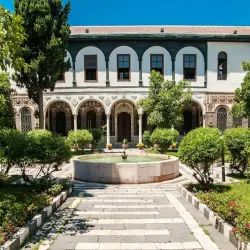
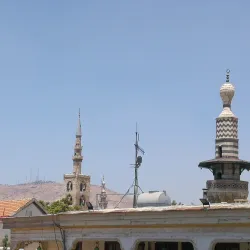
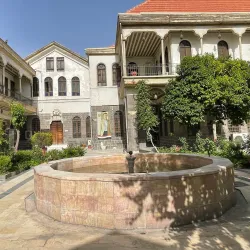
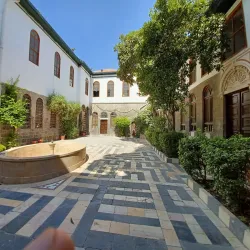
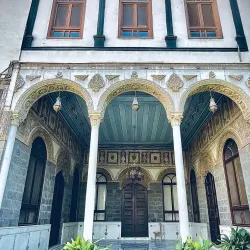
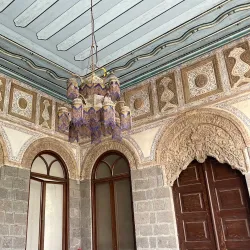
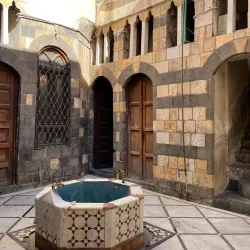
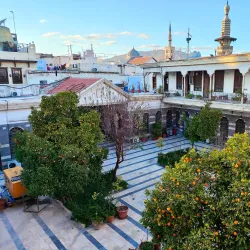
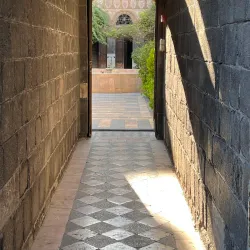
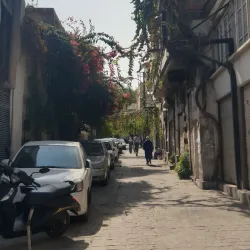
Maktab Anbar is a historic mansion that now functions as a cultural center and museum. It showcases Damascene architecture and hosts exhibitions and cultural events.
The building is notable for its ornate decorations, courtyards, and historical significance.
Jami' al-Tawashi Mosque
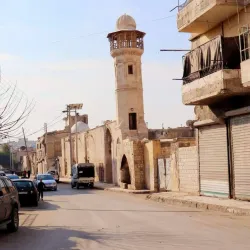
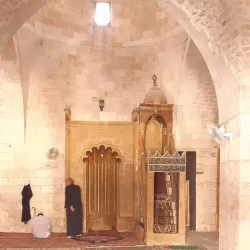
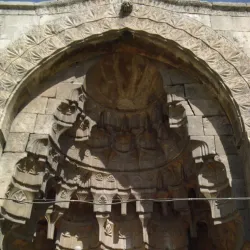
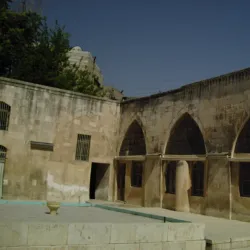
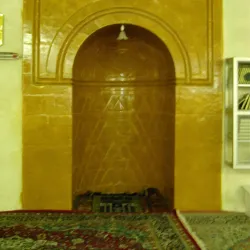
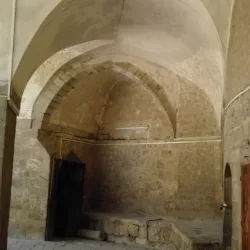
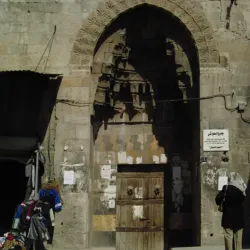
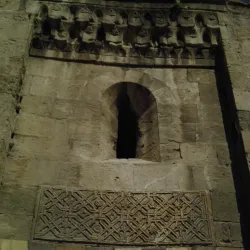
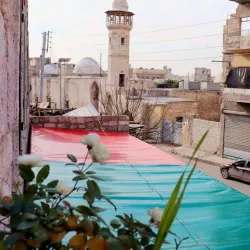
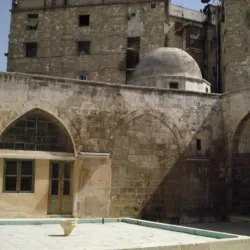
An important religious site in Damascus, Jami' al-Tawashi Mosque is known for its beautiful architecture and historical significance within the Islamic community.
The mosque is a peaceful place for worship and reflection.
Mount Qasioun
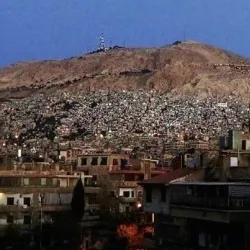
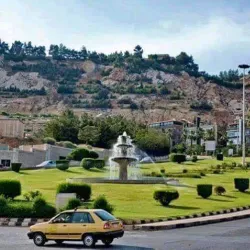
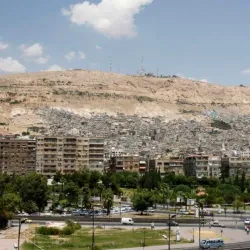
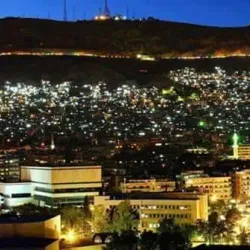
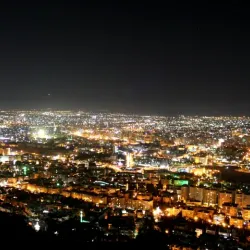
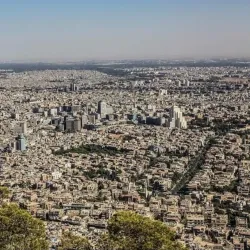
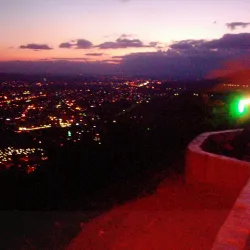
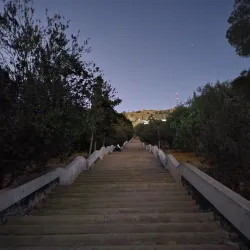
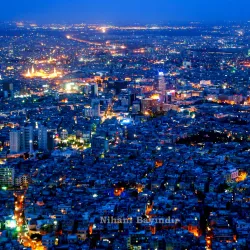
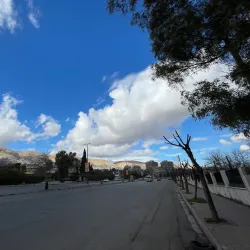
Overlooking Damascus, Mount Qasioun offers panoramic views of the city and surrounding areas. It is a popular spot for locals and tourists alike to enjoy nature and the landscape.
The mountain also holds historical and cultural significance in Syrian tradition.