Things to do in Dar'a
Dar'a is a city in southwestern Syria, known for its historical significance and cultural heritage. It is often recognized as the birthplace of the Syrian uprising in 2011, but beyond its recent history, Dar'a offers visitors a glimpse into ancient civilizations and traditional Syrian life.The city and its surroundings feature archaeological sites, traditional markets, and natural landscapes that reflect the rich history and culture of the region.Ancient Ruins of Bosra
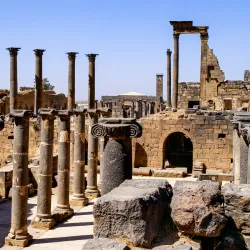
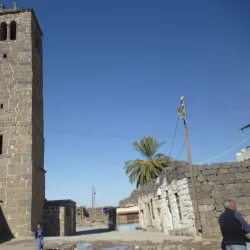
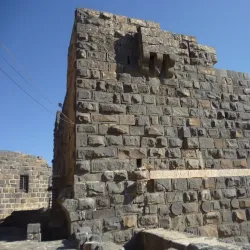
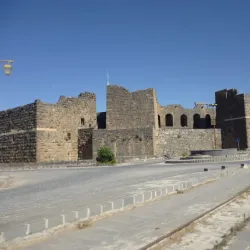
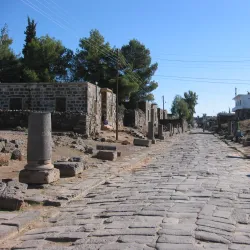
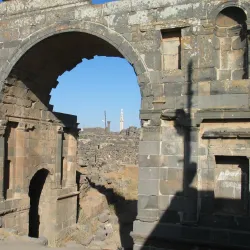
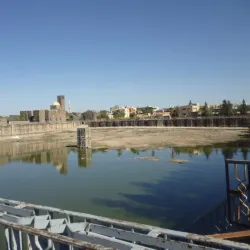
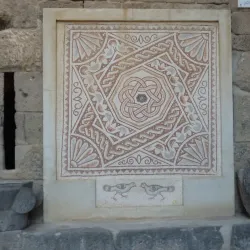
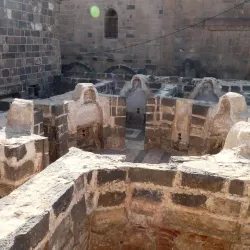
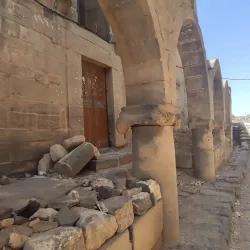
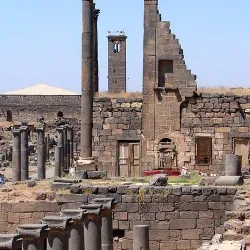
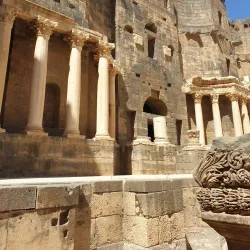
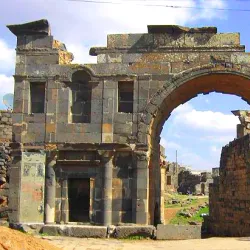
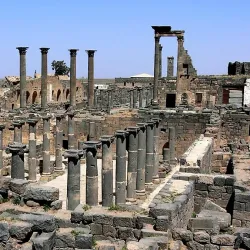
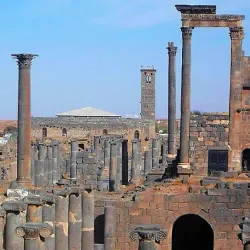
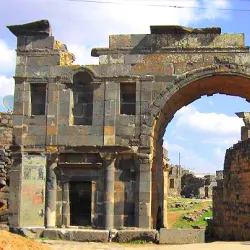
Located near Dar'a, Bosra is one of the most important archaeological sites in Syria. It was once the capital of the Roman province of Arabia and features a remarkably well-preserved Roman theater, ancient city walls, and numerous ruins from various historical periods.
Bosra's ruins provide insight into Roman, Byzantine, and early Islamic architecture and culture, making it a must-visit for history enthusiasts.
Dar'a City Souk
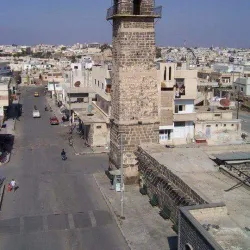
The traditional market in Dar'a offers a vibrant experience of local life, with vendors selling spices, textiles, handicrafts, and fresh produce. The souk is a place to experience the local culture and hospitality.
Visitors can enjoy exploring the narrow alleys and interacting with local merchants, gaining a sense of the city's daily rhythms and traditions.
Al-Masjid al-Omari
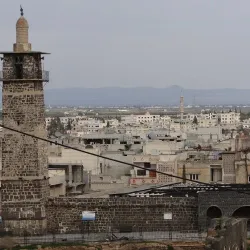
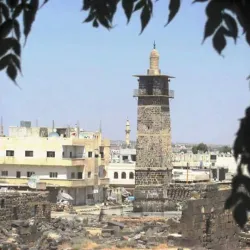
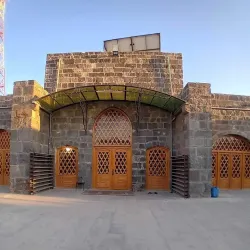
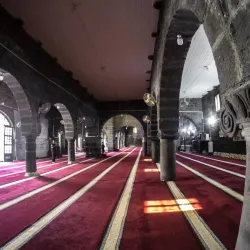
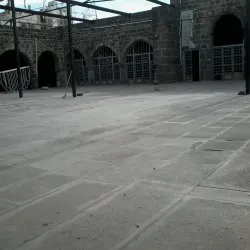
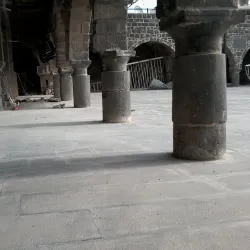
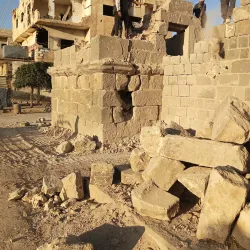
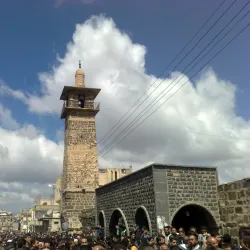
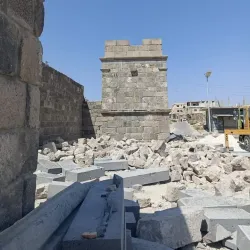
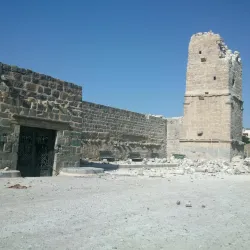
This historic mosque in Dar'a is an important religious and cultural landmark. It reflects traditional Islamic architecture and serves as a center for community gatherings and worship.
The mosque's design and historical significance make it a notable site for visitors interested in religious heritage.
Jabal al-Druze (Jabal al-Arab)
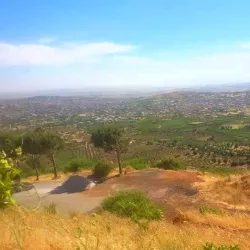
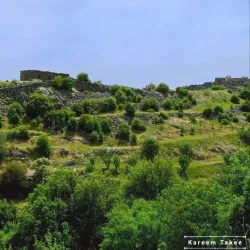
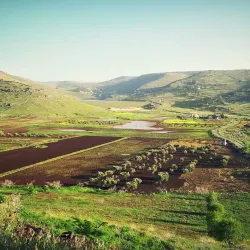
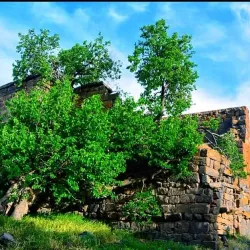
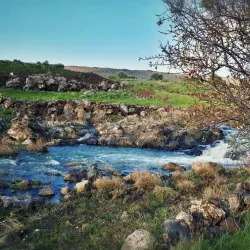
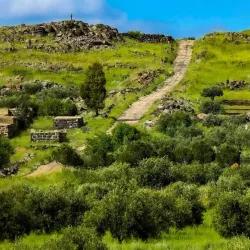
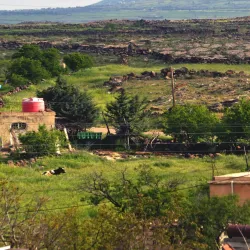
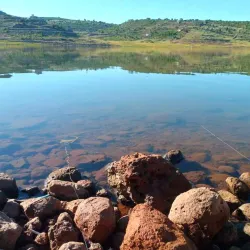
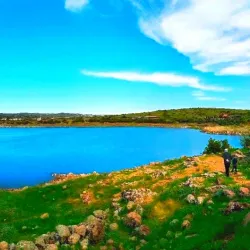
A mountainous region near Dar'a, known for its scenic beauty and Druze cultural heritage. The area offers hiking opportunities and a chance to explore the unique traditions of the Druze community.
The natural landscape provides a contrast to the urban environment of Dar'a and is ideal for nature lovers and cultural explorers alike.
Tell al-Hara
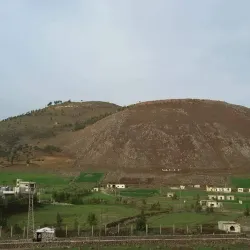
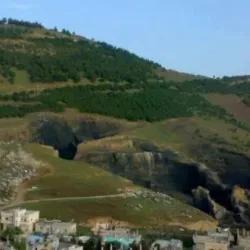
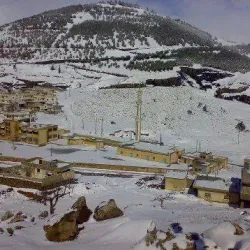
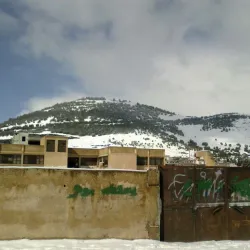
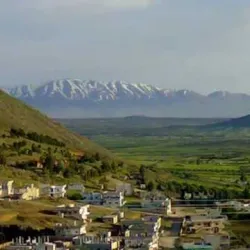
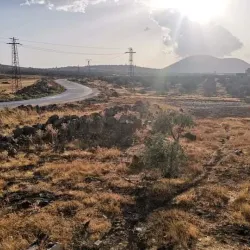
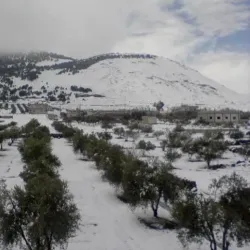
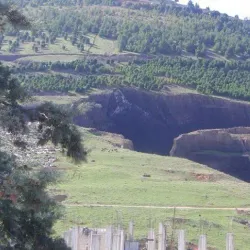
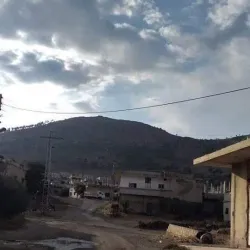
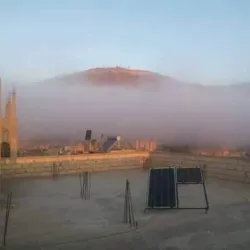
An archaeological site near Dar'a, Tell al-Hara is known for its ancient ruins and strategic historical importance. It offers panoramic views of the surrounding region and insights into the area's ancient past.
The site is significant for those interested in archaeology and history, providing a glimpse into the civilizations that once inhabited the region.
Dar'a Museum
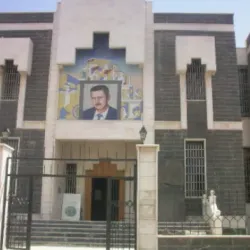
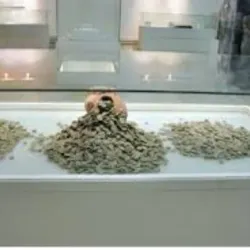
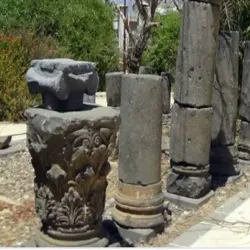
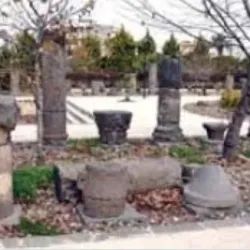
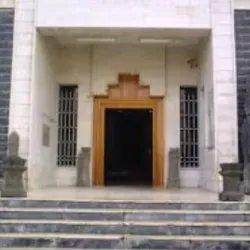
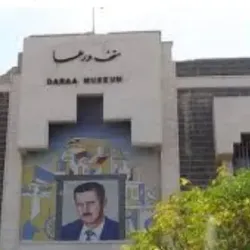
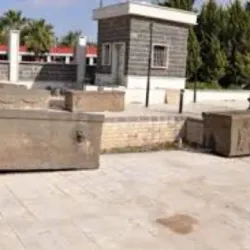
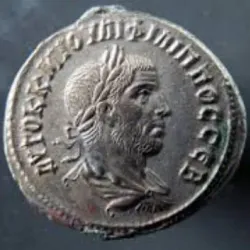
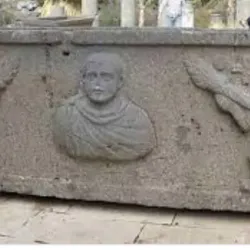
The Dar'a Museum houses artifacts and exhibits related to the history and culture of the Dar'a region. It showcases archaeological finds, traditional crafts, and historical documents.
The museum provides educational insights into the area's rich heritage and is a valuable stop for visitors wanting to deepen their understanding of Dar'a.
Al-Shaykh Saad
A town near Dar'a known for its agricultural significance and traditional rural lifestyle. Visitors can experience local farming practices and enjoy the peaceful countryside.
Al-Shaykh Saad offers a glimpse into the agricultural backbone of the region and is ideal for those interested in rural culture and nature.
Yarmouk River
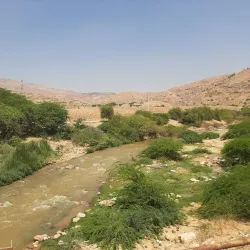
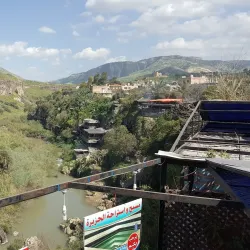
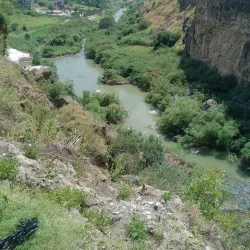
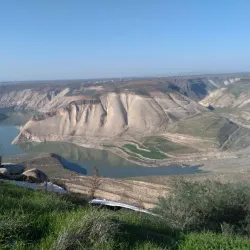
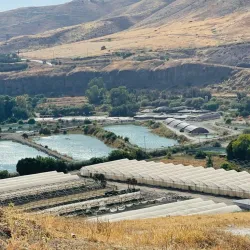
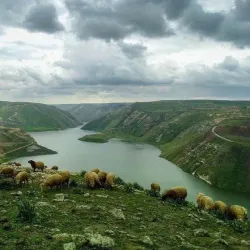
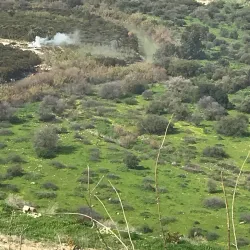
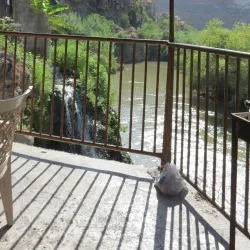
The Yarmouk River flows near Dar'a and is an important natural feature of the region. It provides water resources and supports local agriculture and wildlife.
The river area is suitable for nature walks and observing the local ecosystem, offering a tranquil escape from urban life.
Ancient Caravan Route
Dar'a historically lay on ancient caravan routes connecting the Arabian Peninsula with the Levant. Exploring these routes offers insights into the trade and cultural exchanges that shaped the region.
Walking parts of these historic paths allows visitors to connect with the ancient history of commerce and travel in the Middle East.
Traditional Syrian Cuisine Experiences
Dar'a offers opportunities to taste authentic Syrian dishes prepared in local homes and eateries. Traditional foods such as kibbeh, hummus, and freshly baked bread are highlights.
Engaging with local culinary traditions provides a rich cultural experience and a deeper appreciation of Syrian hospitality.