Things to do in Murghob
Murghob is a remote town located in the eastern part of Tajikistan, within the Gorno-Badakhshan Autonomous Region. Situated at an altitude of about 3,650 meters (11,975 feet), it is one of the highest towns in Central Asia. Murghob serves as a gateway to the Pamir Mountains, often referred to as the 'Roof of the World.'The town and its surroundings offer a unique blend of natural beauty, traditional Pamiri culture, and adventurous experiences. Visitors can explore vast high-altitude plateaus, ancient petroglyphs, and traditional villages while enjoying breathtaking mountain landscapes.Murghob Town


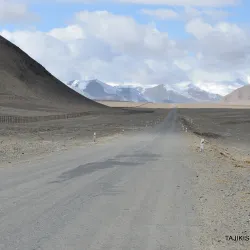
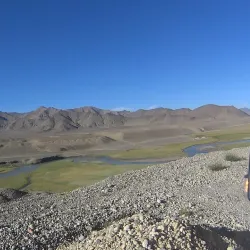
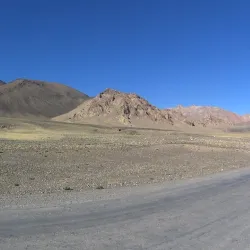

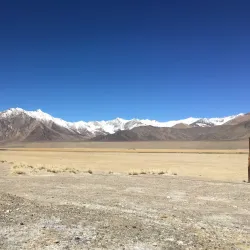
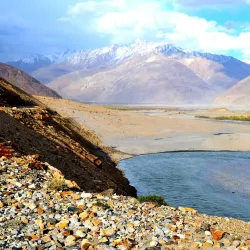
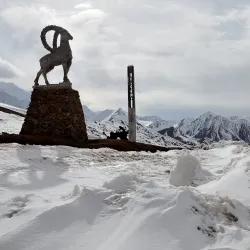
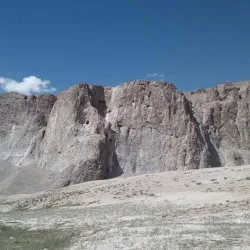
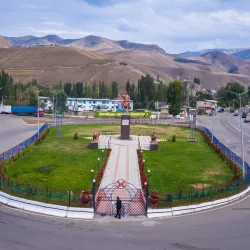
Murghob is the main settlement in the region and a hub for travelers exploring the Pamir Mountains. The town offers basic amenities and a glimpse into the life of the Pamiri people living at high altitude.
It is also a starting point for many trekking routes and expeditions into the surrounding mountains and valleys.
Pamir Mountains
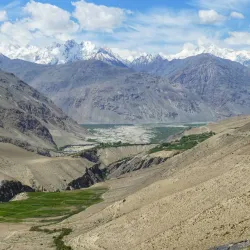

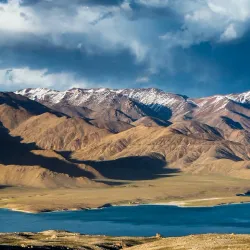
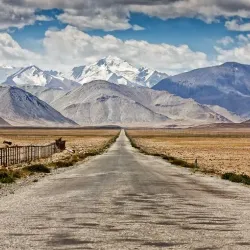
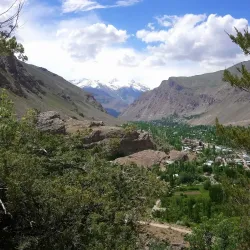
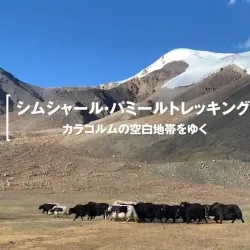
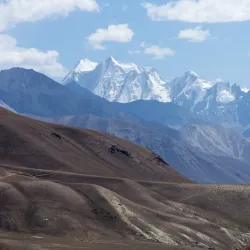
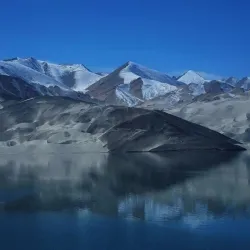
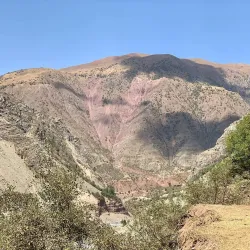

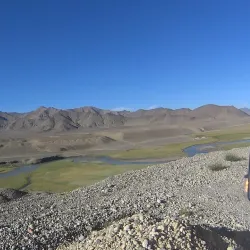
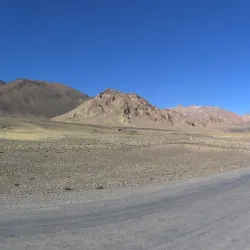
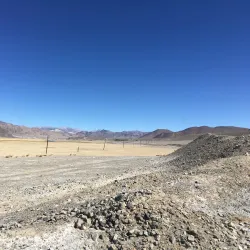
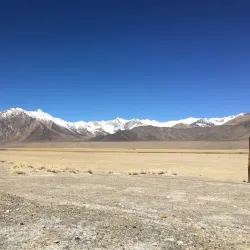
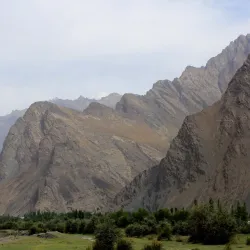
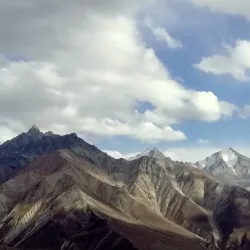
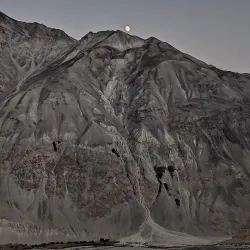
The Pamir Mountains, surrounding Murghob, are known for their dramatic peaks, high-altitude plateaus, and stunning landscapes. This mountain range is a paradise for trekkers, climbers, and nature enthusiasts.
The area offers opportunities to witness unique flora and fauna adapted to high elevations and to experience the vastness of Central Asia’s mountainous terrain.
Alichur Plateau
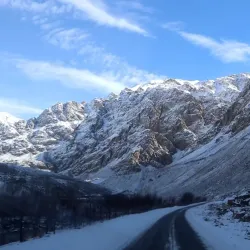
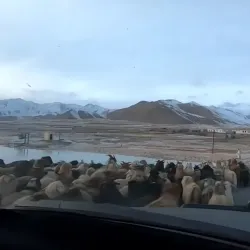


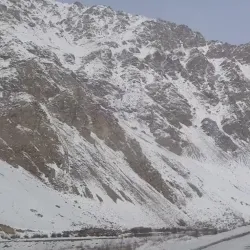

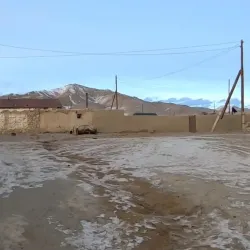
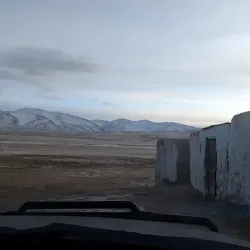
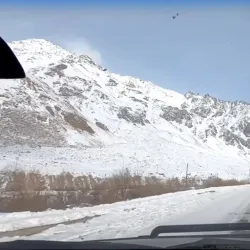
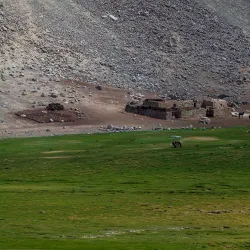
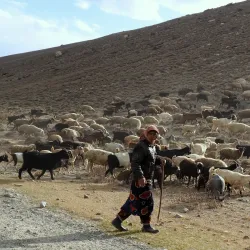
Located near Murghob, the Alichur Plateau is a high-altitude plateau known for its expansive grasslands and traditional nomadic lifestyle. Visitors can observe local herders and their livestock, gaining insight into the region’s pastoral culture.
The plateau is also a great spot for hiking and enjoying panoramic views of the surrounding mountains.
Petroglyphs of Murghob
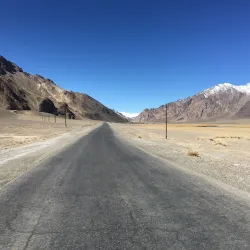
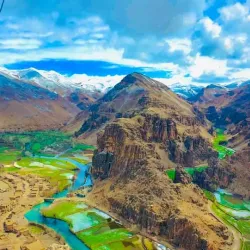
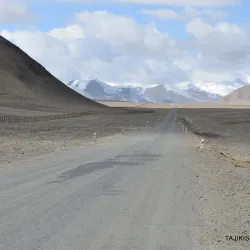
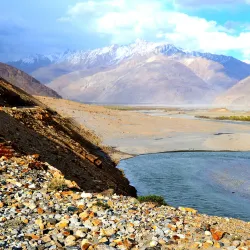
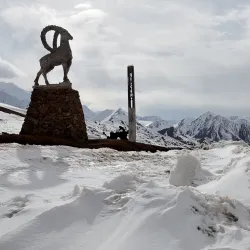
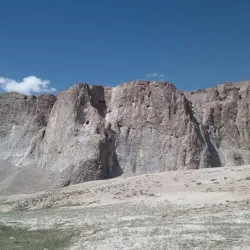
Ancient petroglyphs found near Murghob provide a fascinating glimpse into the region’s prehistoric past. These rock carvings depict animals, hunting scenes, and symbolic motifs created by early inhabitants of the Pamirs.
They are an important archaeological and cultural site, attracting researchers and visitors interested in history and anthropology.
Yashilkul Lake
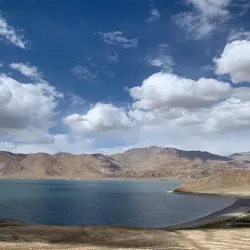
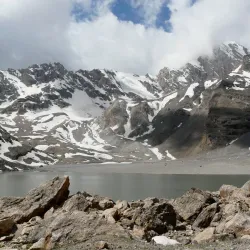
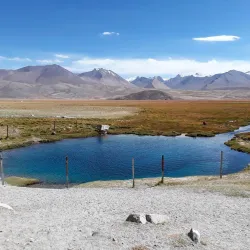
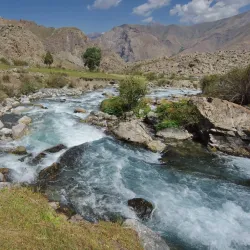
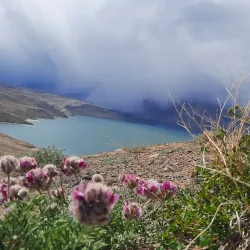
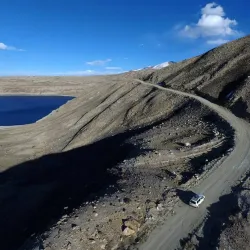
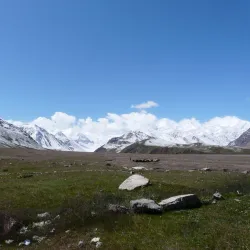
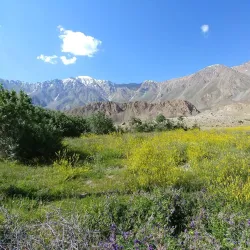
Yashilkul Lake is a high-altitude lake located in the Pamir Mountains, known for its striking turquoise waters and surrounding alpine scenery. It is a habitat for various bird species and a peaceful spot for nature lovers.
The lake is part of the Pamir National Park and offers opportunities for hiking, bird watching, and photography.
Pamir National Park

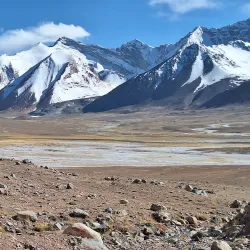
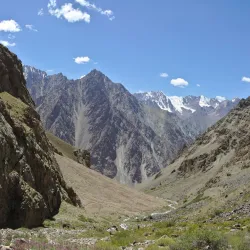
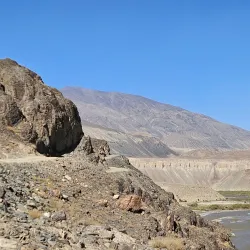
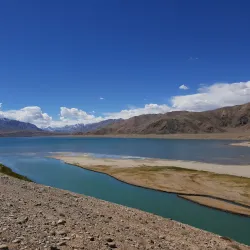

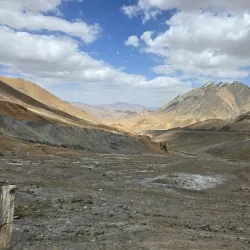


Pamir National Park encompasses vast areas of the Pamir Mountains, including diverse ecosystems ranging from alpine meadows to glaciers. The park is home to rare wildlife such as the Marco Polo sheep and snow leopard.
It is a protected area aimed at conserving the unique natural heritage of the region and promoting eco-tourism.
Karakul Lake
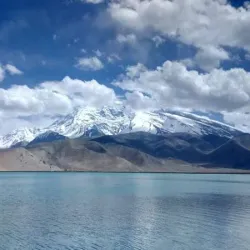
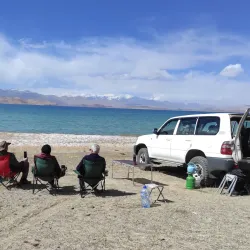
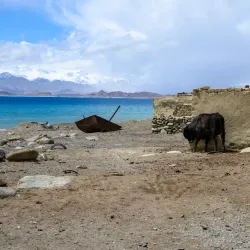
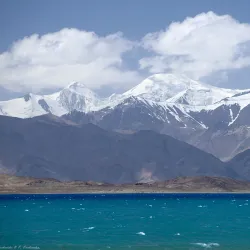
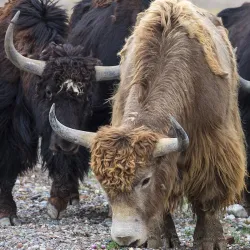
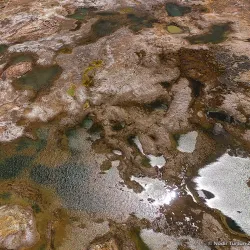
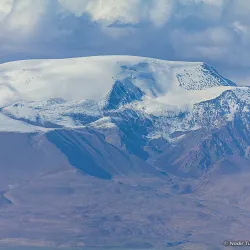
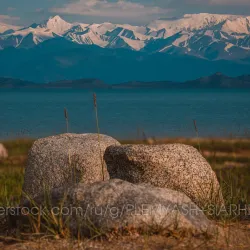
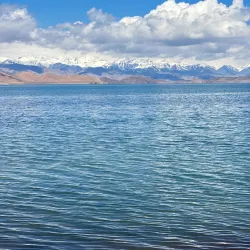
Karakul Lake is a stunning high-altitude lake located south of Murghob, near the border with China. Surrounded by towering peaks, it is a popular destination for travelers seeking spectacular landscapes and tranquility.
The lake is often visited as part of the Pamir Highway journey and offers opportunities for camping and photography.
Pamir Highway (M41)
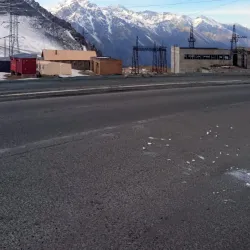
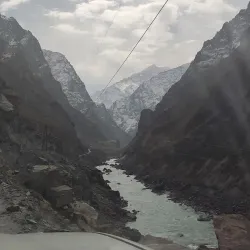
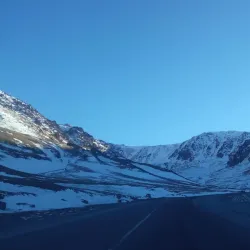
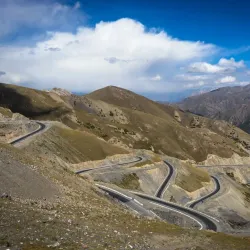
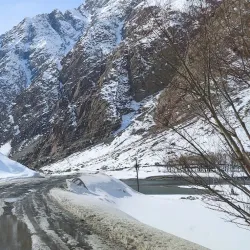
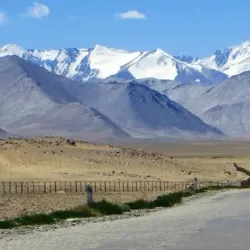
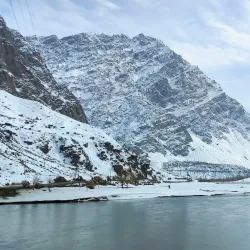
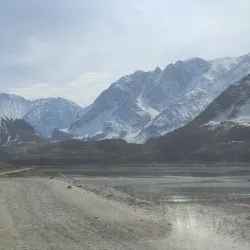

The Pamir Highway, also known as the M41, is one of the world’s highest international roads, passing through Murghob. It connects Tajikistan with Kyrgyzstan and Afghanistan and is famous for its breathtaking mountain views and challenging driving conditions.
Travelers on the highway experience the rugged beauty of the Pamirs and the cultural diversity of the region.
Sarez Lake

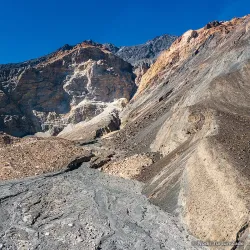
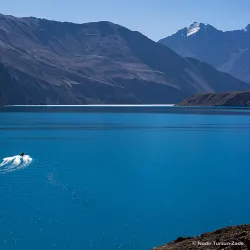
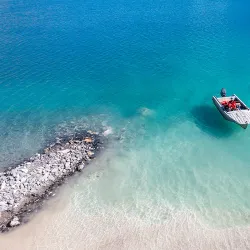
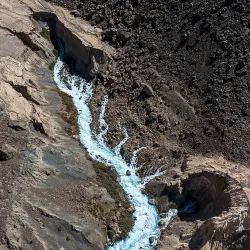

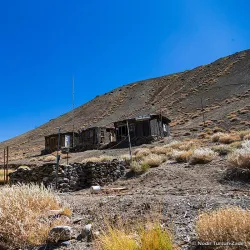
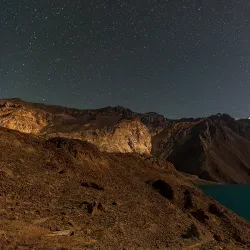


Sarez Lake is a natural lake formed by a massive landslide in 1911, located in the Pamir Mountains. It is known for its deep blue waters and the surrounding dramatic mountain scenery.
The lake is remote and less accessible, making it a destination for adventurous travelers and researchers.
Langar Village

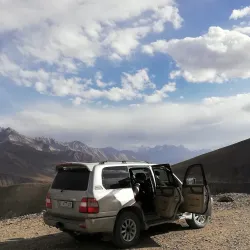
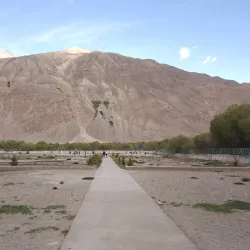

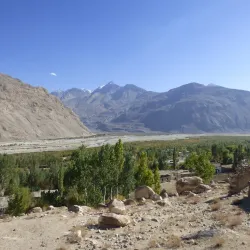
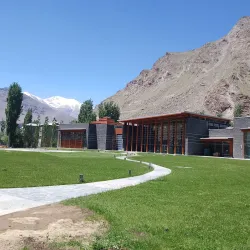
Langar is a traditional Pamiri village located near Murghob, known for its unique architecture, ancient fortresses, and local culture. Visitors can explore historical sites and experience the hospitality of the Pamiri people.
The village offers insight into the traditional lifestyle and customs of the region.