Things to do in Lindi
Lindi is a coastal town in southeastern Tanzania known for its rich Swahili culture, historical significance, and beautiful natural surroundings. It offers a blend of traditional Tanzanian coastal life with access to pristine beaches and nearby natural reserves.The town is characterized by its relaxed atmosphere, historic architecture, and proximity to the Indian Ocean, making it an appealing destination for travelers interested in history, nature, and authentic cultural experiences.Kilwa Kisiwani Ruins
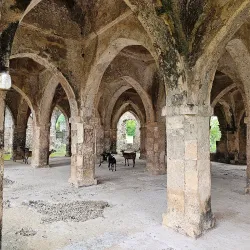
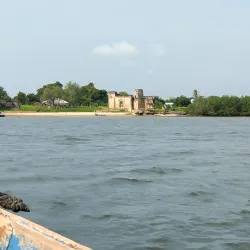
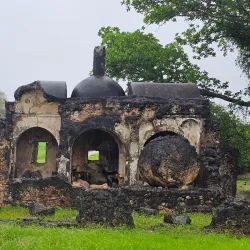
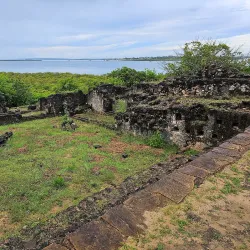
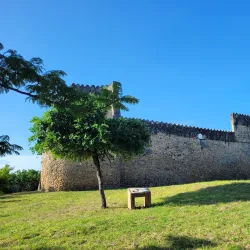
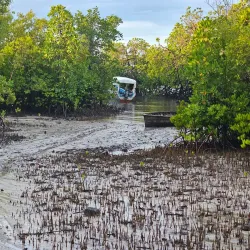
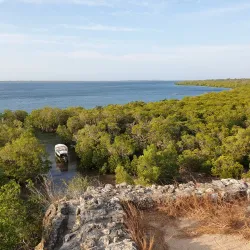
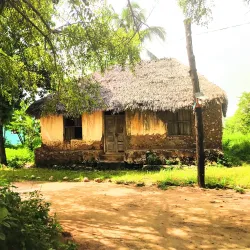
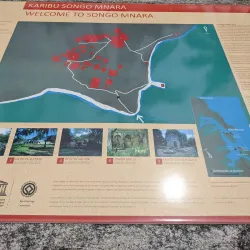
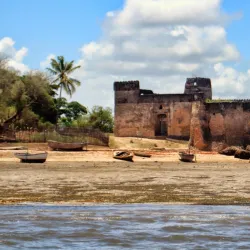
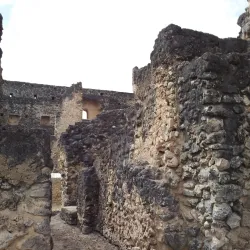
Located on an island off the coast near Lindi, the Kilwa Kisiwani Ruins are a UNESCO World Heritage site showcasing the remains of a once-thriving medieval Swahili city. The ruins include ancient mosques, palaces, and fortifications that highlight the area's historical importance as a trading hub between Africa, the Middle East, and Asia.
Visitors can explore the archaeological site to learn about the rich history of the Swahili coast and the influence of Islamic culture in East Africa.
Lindi Market


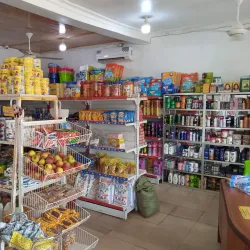
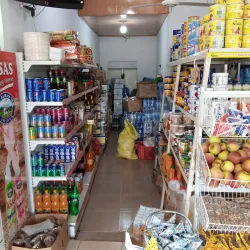






The Lindi Market is a vibrant local marketplace where visitors can experience the daily life of the town's residents. It offers a variety of fresh produce, spices, crafts, and traditional foods, providing a sensory-rich experience of Tanzanian coastal culture.
The market is an excellent place to interact with locals, purchase handmade souvenirs, and sample authentic Swahili cuisine.
Lindi Beach

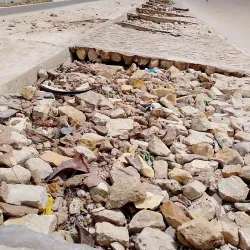
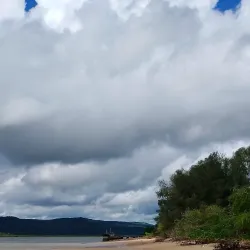
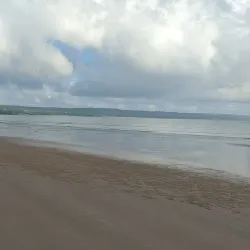
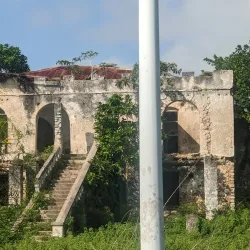

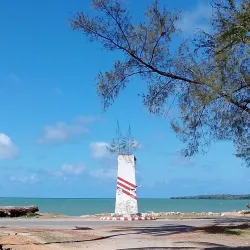
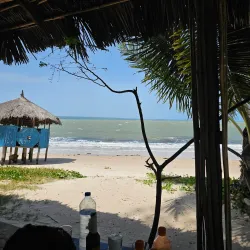
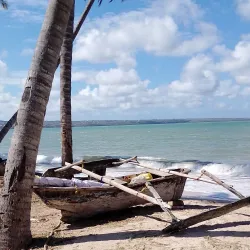
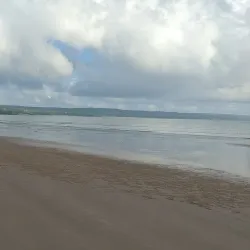
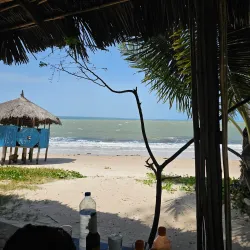
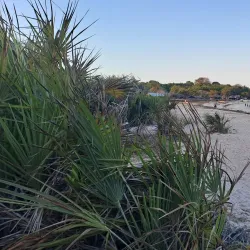
Lindi Beach is known for its serene and unspoiled coastline along the Indian Ocean. It is ideal for relaxation, swimming, and enjoying picturesque sunsets. The beach is less crowded compared to other Tanzanian coastal destinations, offering a peaceful retreat.
Visitors can also engage in fishing activities or take boat trips to explore nearby islands and marine life.
Nyerere National Park (Southern Section)

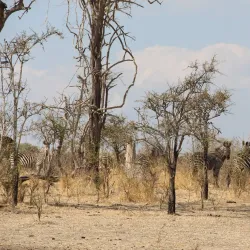
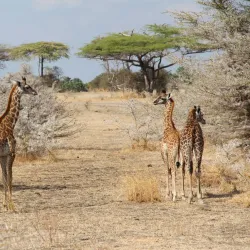
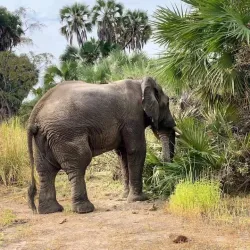
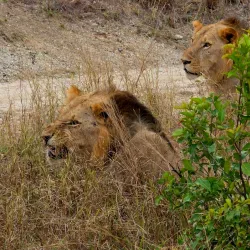
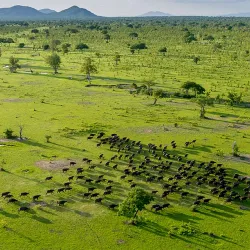
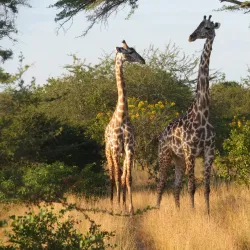
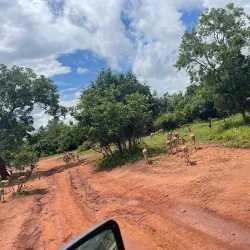

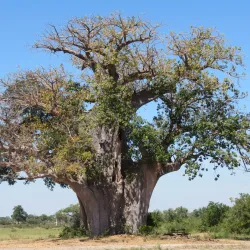
While primarily known for its northern section, the southern part of Nyerere National Park extends closer to the Lindi region. This vast protected area is home to diverse wildlife including elephants, lions, and hippos, and offers opportunities for safari experiences in a less commercialized setting.
The park's remote wilderness provides a unique adventure for nature enthusiasts and those interested in Tanzania's rich biodiversity.
Mikindani Historic Town
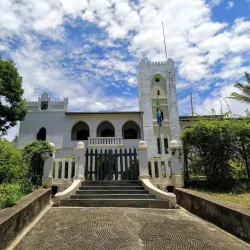
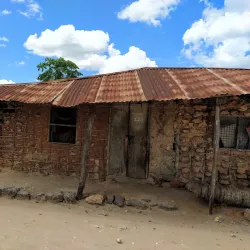
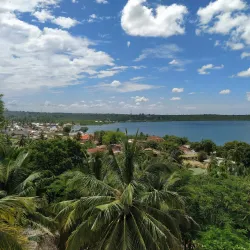
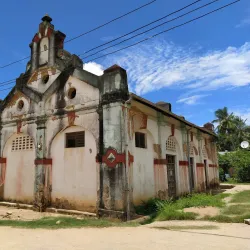
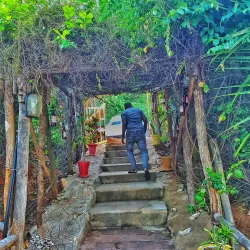
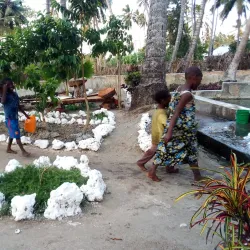
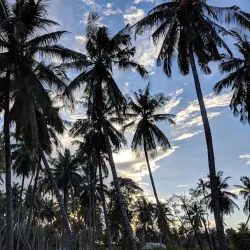
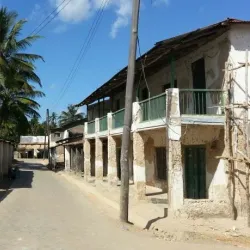
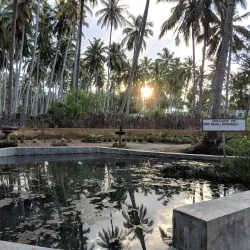
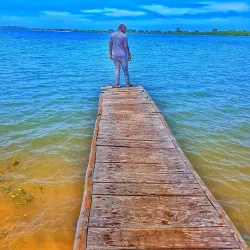
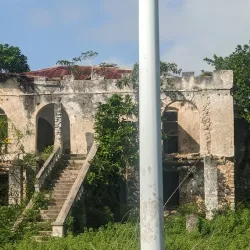
Located near Lindi, Mikindani is a historic Swahili town known for its well-preserved colonial architecture and rich cultural heritage. The town features old churches, mosques, and traditional Swahili houses that reflect its diverse history.
Mikindani offers visitors a glimpse into the past with its museums and cultural tours, highlighting the interactions between African, Arab, and European influences.
Lindi Museum

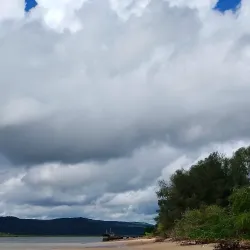

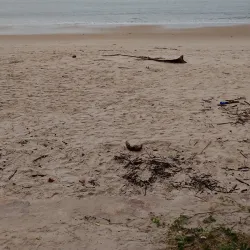
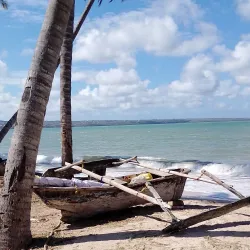
The Lindi Museum showcases the cultural and historical heritage of the Lindi region. Exhibits include traditional artifacts, historical photographs, and displays on the local Swahili culture and colonial history.
The museum provides educational insights into the area's past and is a valuable stop for those interested in understanding the local context.
Pande Game Reserve
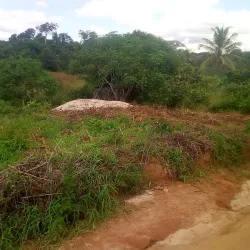

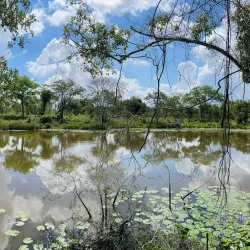
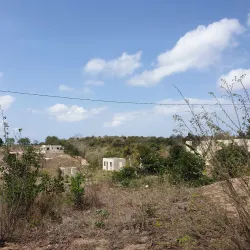
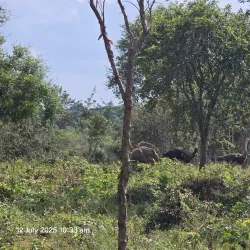
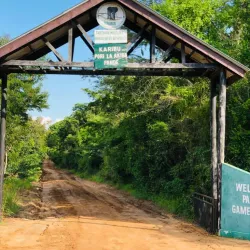
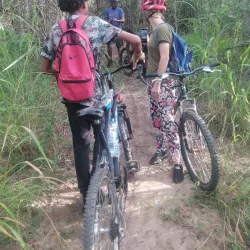
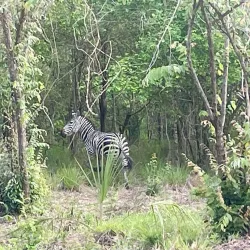
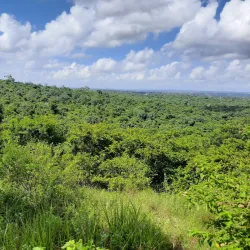
Located near Lindi, Pande Game Reserve is a protected area known for its diverse flora and fauna. It offers opportunities for bird watching, nature walks, and experiencing the natural environment of southeastern Tanzania.
The reserve is less frequented by tourists, making it a tranquil spot for wildlife enthusiasts and those seeking off-the-beaten-path adventures.
Indian Ocean Coastal Walks

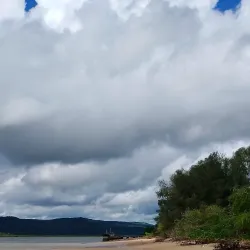
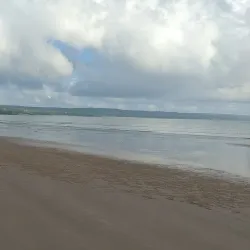
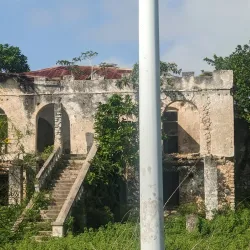

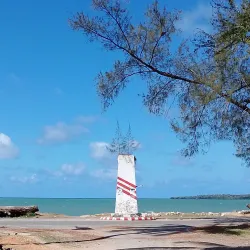
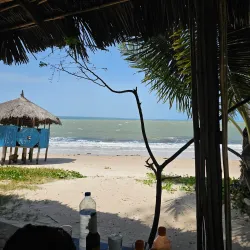
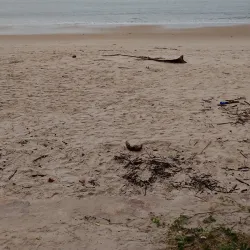
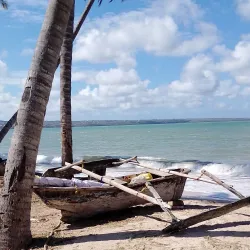
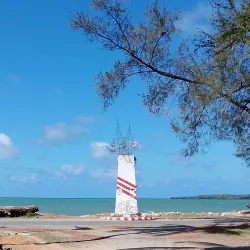
The coastline around Lindi offers scenic walking routes along the Indian Ocean, where visitors can enjoy the natural beauty, observe local fishing activities, and explore small coastal villages.
These walks provide a chance to experience the tranquility of the area and connect with the local way of life away from crowded tourist spots.
Kilwa Masoko
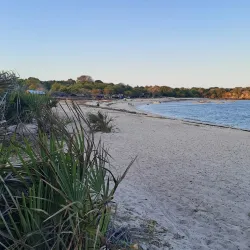
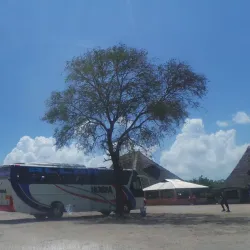
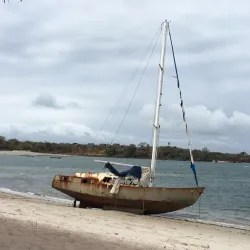
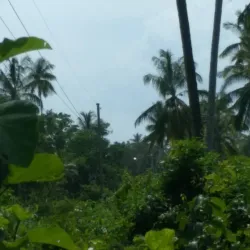
Kilwa Masoko is the mainland port town serving Kilwa Kisiwani and is known for its bustling harbor and local markets. It is a gateway for travelers heading to the Kilwa archipelago and offers a glimpse into the maritime culture of the region.
Visitors can explore the town's markets, enjoy fresh seafood, and take boat trips to nearby islands and historical sites.
Ruins of Songo Mnara
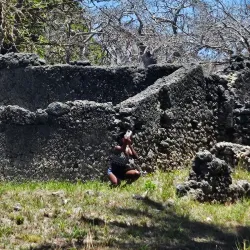
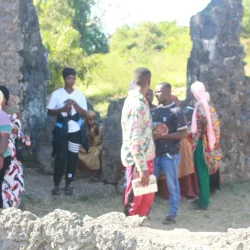
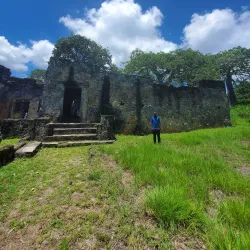
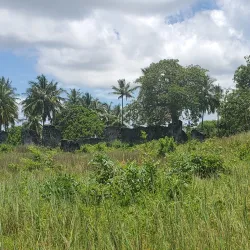
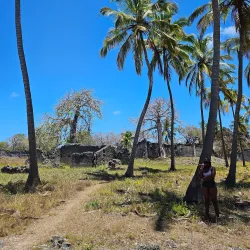
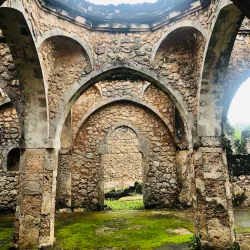
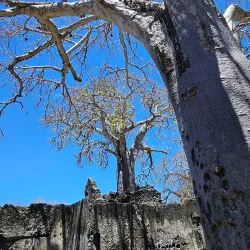
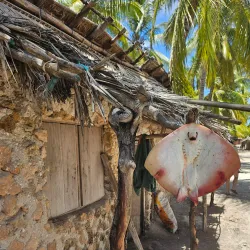
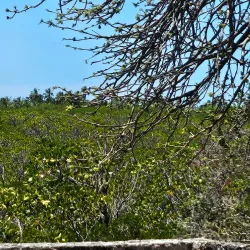
Songo Mnara is another UNESCO World Heritage site located near Lindi, featuring the ruins of a Swahili trading town dating back to the 14th century. The site includes well-preserved coral stone buildings, mosques, and tombs.
It offers a fascinating look into the Swahili civilization and its architectural achievements along the East African coast.