Things to do in Njombe
Njombe is a region located in the southern highlands of Tanzania, known for its cool climate, lush landscapes, and rich cultural heritage. It offers visitors a blend of natural beauty and traditional Tanzanian culture, making it an appealing destination for those interested in exploring less commercialized areas of the country.The region is characterized by its mountainous terrain, tea plantations, and vibrant local communities. Njombe town serves as the administrative and commercial center, providing a gateway to the surrounding attractions.Kitulo National Park
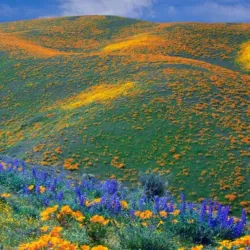
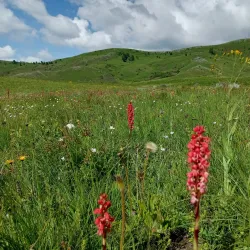
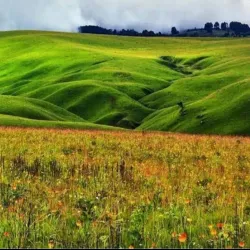
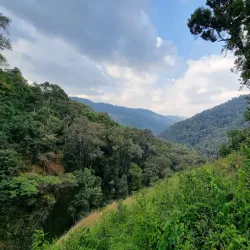
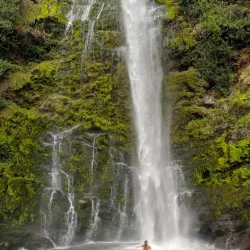
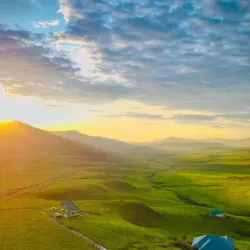
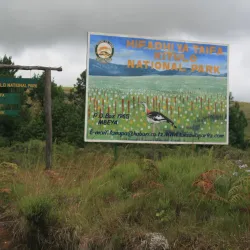

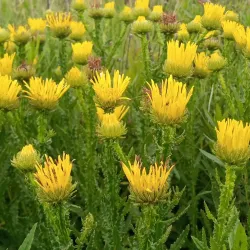
Known as the 'Garden of God,' Kitulo National Park is famous for its stunning floral diversity, including many endemic species. It is one of the few national parks in Tanzania that is primarily a botanical park, attracting botanists and nature lovers alike.
The park also offers opportunities for hiking and bird watching, with a variety of wildlife including rare birds and small mammals.
Matembwe Tea Plantations
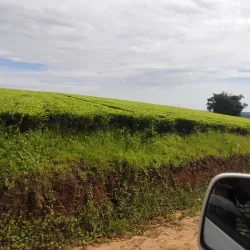

The tea plantations around Matembwe are a significant part of Njombe's economy and landscape. Visitors can tour the plantations to learn about tea cultivation and processing, and enjoy the scenic green hills covered with tea bushes.
The area provides a peaceful setting for walks and photography, showcasing the agricultural heritage of the region.
Ludewa Waterfalls
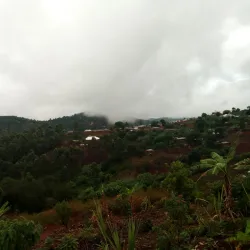
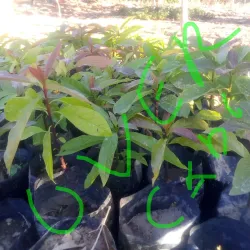
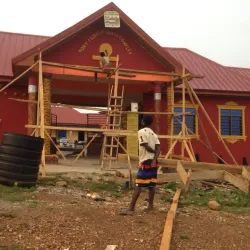


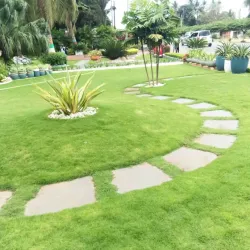
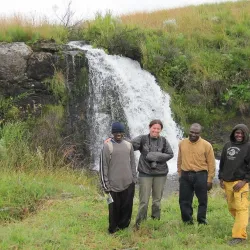
Located near the town of Ludewa, these waterfalls are a beautiful natural attraction offering a refreshing escape into nature. The falls are surrounded by forested areas that are ideal for picnics and short hikes.
The site is popular among locals and visitors for its serene environment and scenic views.
Njombe Market
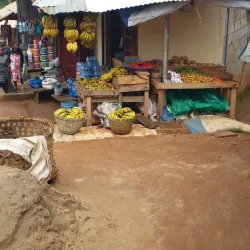


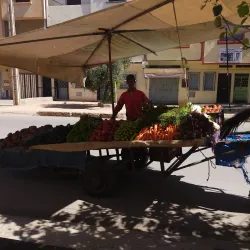
Njombe Market is a bustling local market where visitors can experience the vibrant daily life of the region. It is a great place to buy fresh produce, local crafts, and traditional foods.
The market provides insight into the local culture and economy, making it a must-visit for those interested in authentic Tanzanian experiences.
Makambako Forest Reserve

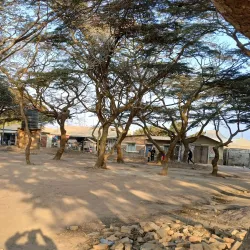
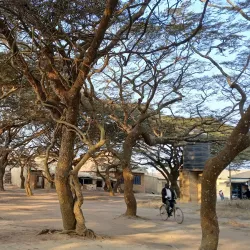
This forest reserve near Njombe is home to diverse flora and fauna, offering opportunities for nature walks and bird watching. The reserve plays a crucial role in conservation and environmental education in the region.
Visitors can explore the trails and enjoy the peaceful natural surroundings.
Mlangali Hills

The Mlangali Hills provide panoramic views of the Njombe region and are ideal for hiking and outdoor activities. The hills are covered with indigenous vegetation and are home to various bird species.
This area is perfect for visitors seeking adventure and nature exploration away from crowded tourist spots.
Isimila Stone Age Site
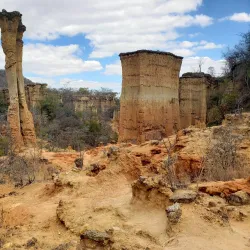
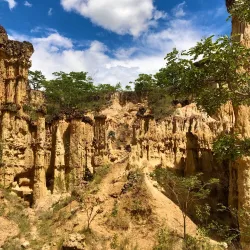
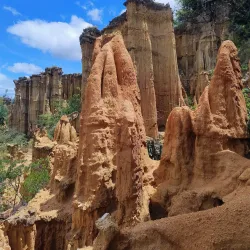
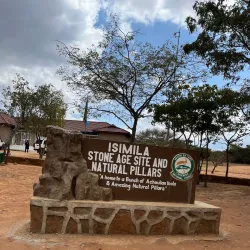
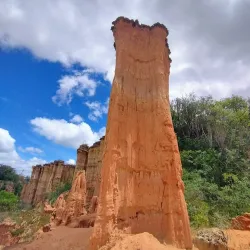
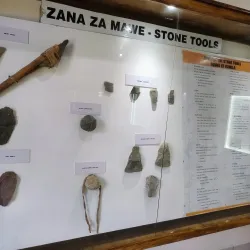
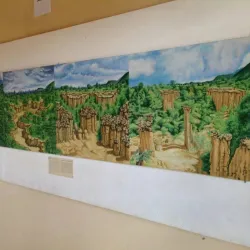

Though technically closer to Iringa, the Isimila Stone Age Site is accessible from Njombe and is an important archaeological site showcasing ancient human tools and fossils.
The site offers a fascinating glimpse into prehistoric life in Tanzania and is a significant cultural and historical attraction.
Njombe Cultural Heritage Center
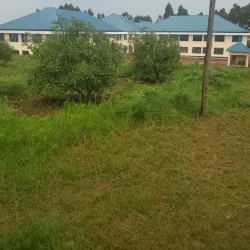
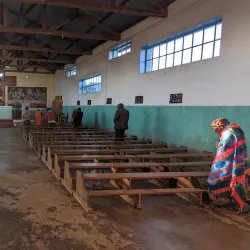
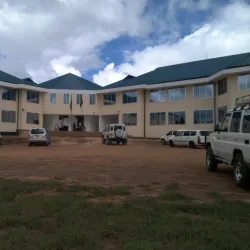
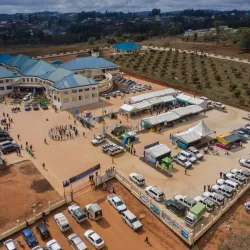
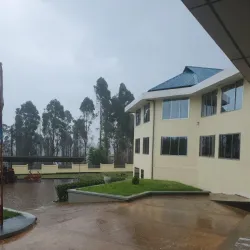
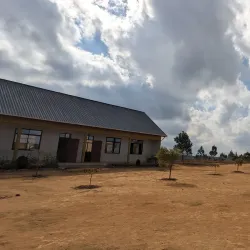
This center provides insights into the traditions, crafts, and history of the local ethnic groups in Njombe. Visitors can see traditional dances, crafts, and learn about the region's cultural heritage.
It is an excellent place for cultural immersion and understanding the social fabric of the area.
Lake Nyasa (Lake Malawi) Shoreline
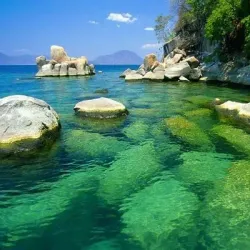

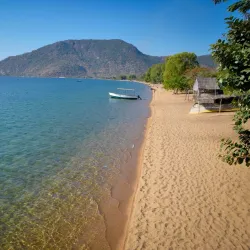
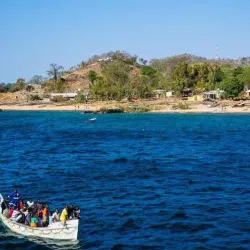

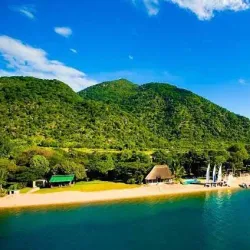

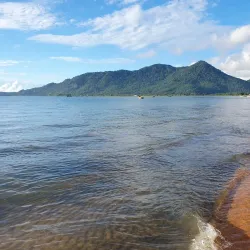


While not directly in Njombe, the nearby shoreline of Lake Nyasa is accessible for day trips and offers beautiful beaches, fishing villages, and water activities.
The lake is one of Africa's Great Lakes and provides a scenic and relaxing environment for visitors.
Njombe Tea Factory Tour

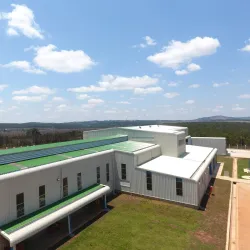
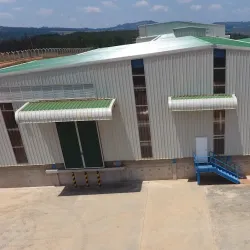

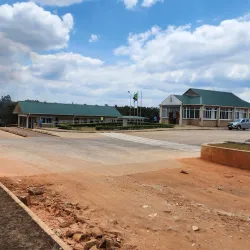

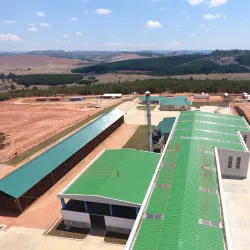
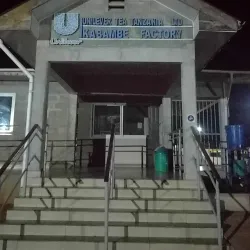
Visitors can tour one of the local tea factories to see the tea production process from leaf to packaged product. This tour provides educational insights into the agricultural industry that supports much of Njombe's economy.
The factory tours often include tastings and opportunities to purchase fresh tea products directly from the source.