Things to do in Carthage
Carthage, located near Tunis in Tunisia, is a city steeped in history and archaeological significance. Once a powerful Phoenician city-state and later a major Roman city, Carthage offers visitors a unique glimpse into ancient civilizations through its extensive ruins and museums.The city is known for its rich cultural heritage, blending influences from the Phoenician, Roman, and Byzantine periods. Visitors can explore ancient theaters, baths, and harbors, as well as enjoy scenic views of the Mediterranean Sea.Carthage National Museum
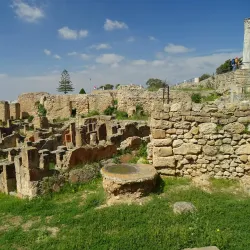
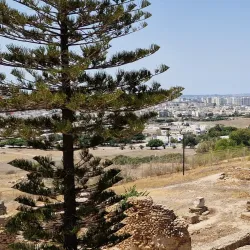
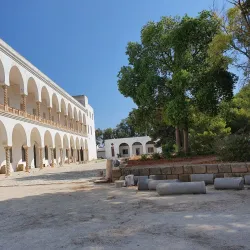
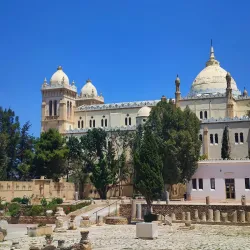
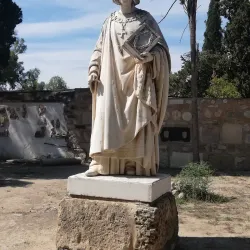
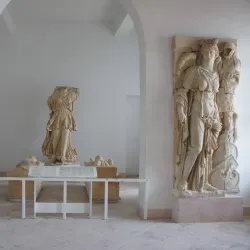
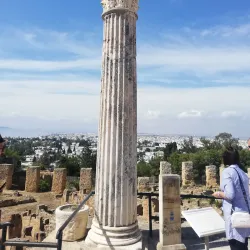
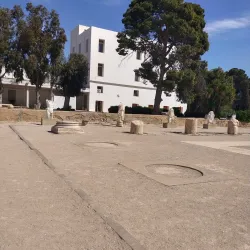
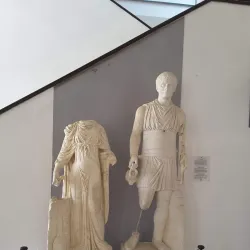
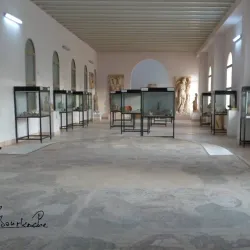
The Carthage National Museum houses a vast collection of artifacts from the ancient city, including mosaics, statues, and everyday objects from the Punic and Roman periods. It provides a comprehensive overview of Carthage's history and archaeological significance.
The museum is located near the archaeological site, making it a perfect starting point for visitors to understand the context of the ruins they will explore.
Antonine Baths
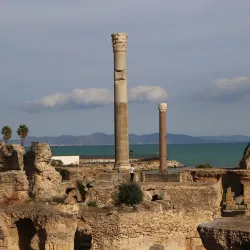
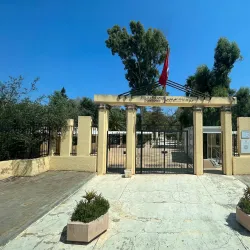
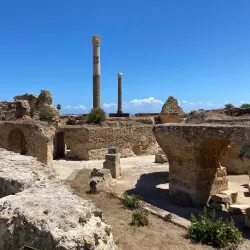
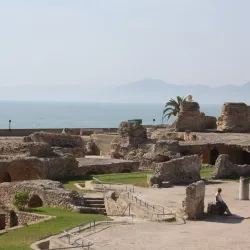
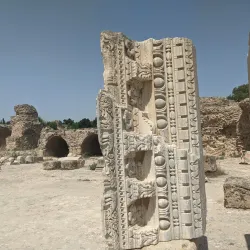
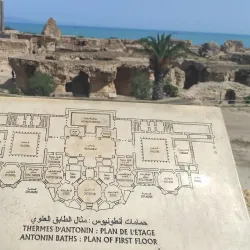
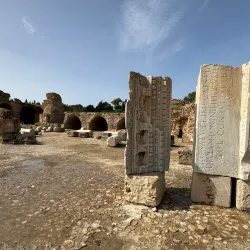
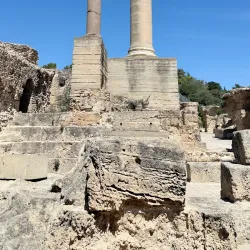
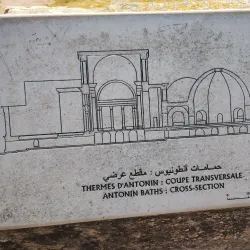
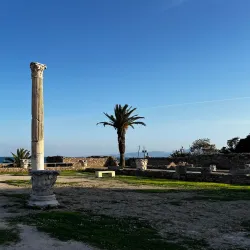
The Antonine Baths are among the largest Roman thermae built in Africa, showcasing impressive ruins of a complex that included hot and cold baths, a gymnasium, and gardens. The site reflects the grandeur of Roman architecture and engineering.
Visitors can walk through the remains and imagine the social and cultural importance of the baths in ancient Carthage.
Byrsa Hill
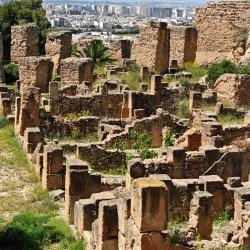
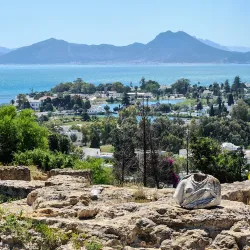
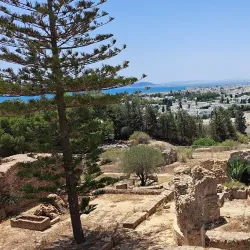
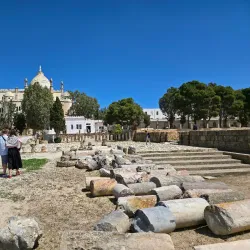
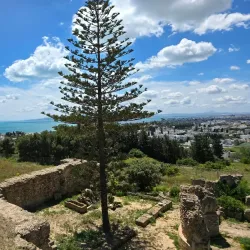
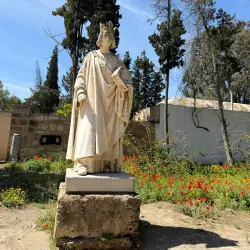
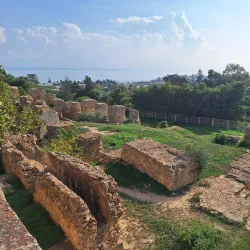
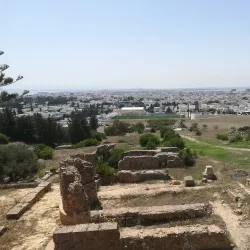
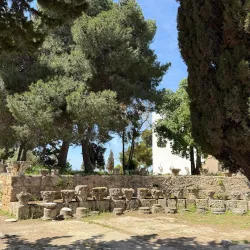
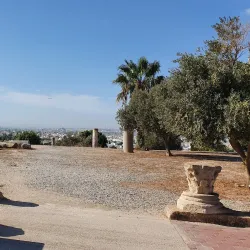
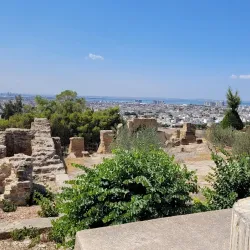
Byrsa Hill is the historic heart of ancient Carthage, offering panoramic views of the surrounding area and the Mediterranean Sea. It was the site of the ancient citadel and is home to several important ruins and the Carthage National Museum.
The hill is a symbolic and strategic location that played a central role in Carthage's defense and administration.
Tophet of Carthage
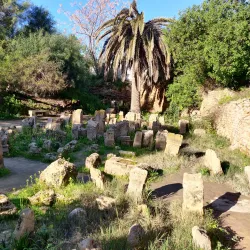
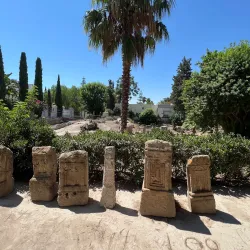
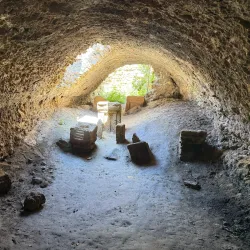
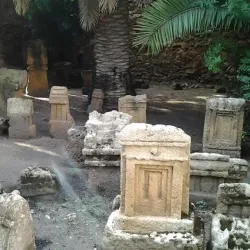
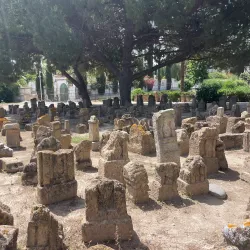
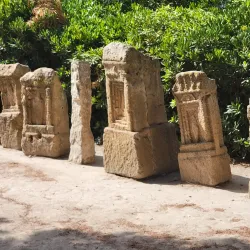
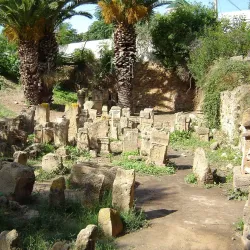
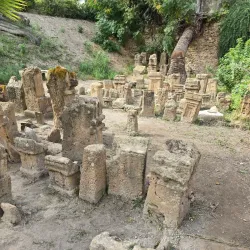
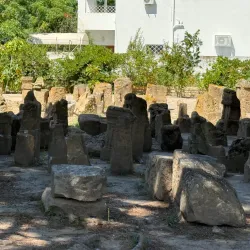
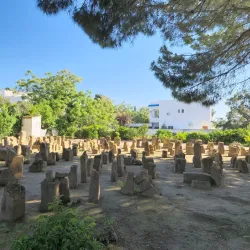
The Tophet is an ancient burial ground and religious site associated with the Punic civilization. It contains urns with the remains of children and animals, reflecting the complex religious practices of the Carthaginians.
This site provides important archaeological insights into the rituals and beliefs of the ancient inhabitants of Carthage.
Roman Theatre of Carthage
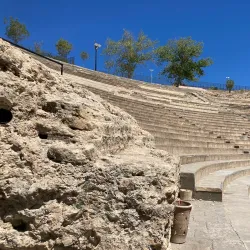
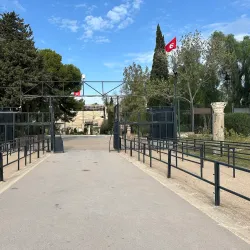
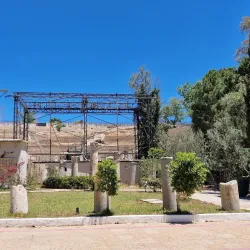
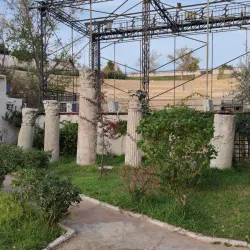
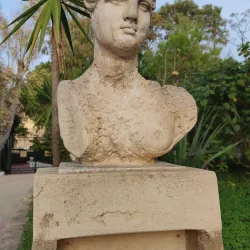
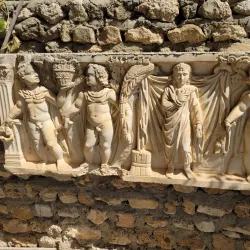
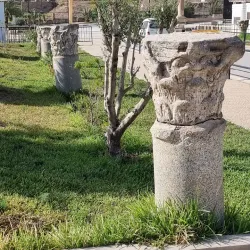
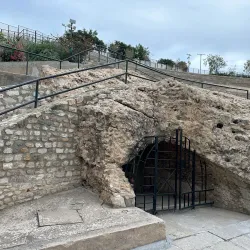
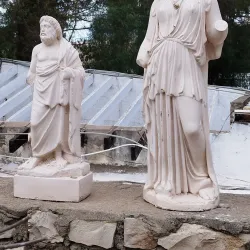
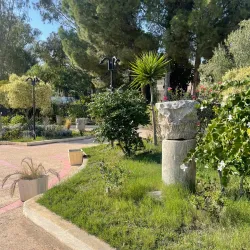
The Roman Theatre is a well-preserved open-air venue that once hosted performances and public events. It highlights the cultural life of Roman Carthage and its architectural style.
Today, the theatre is occasionally used for cultural events and offers visitors a glimpse into the entertainment traditions of the past.
Cothon (Ancient Harbors)
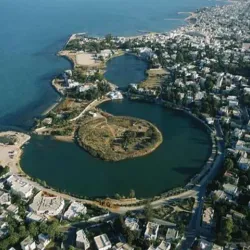
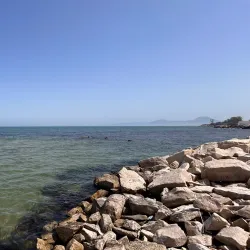
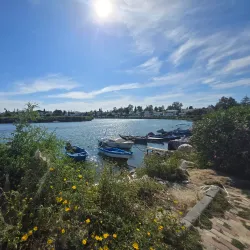
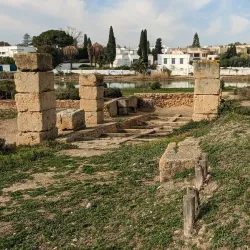
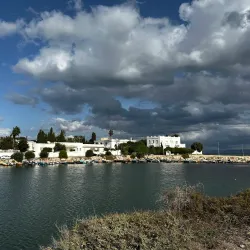
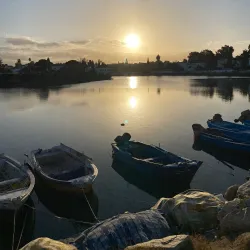
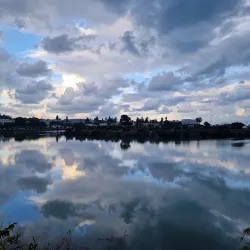
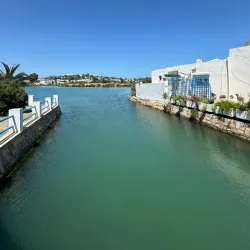
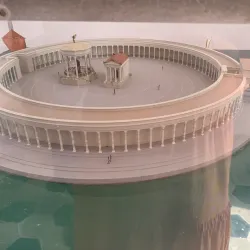
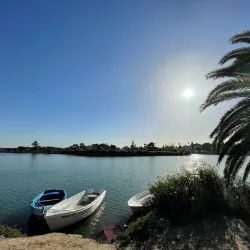
The Cothon refers to the ancient harbors of Carthage, including a circular military harbor and a rectangular commercial harbor. These harbors were crucial for Carthage's maritime power and trade dominance in the Mediterranean.
Visitors can explore the remains of the harbor structures and learn about the city's naval history and economic importance.
Saint Louis Cathedral (Carthage Cathedral)
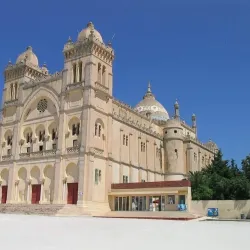
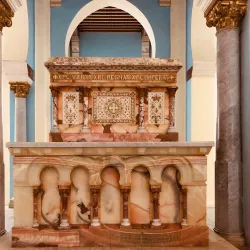
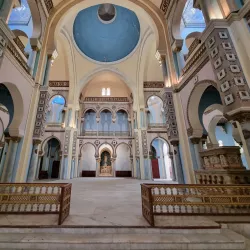
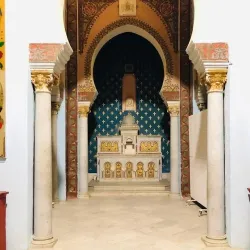
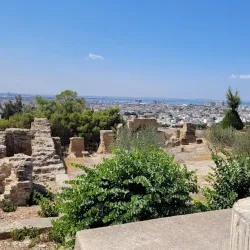
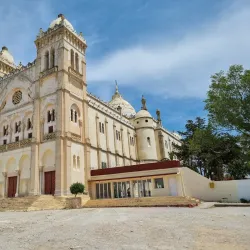
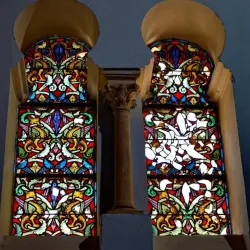
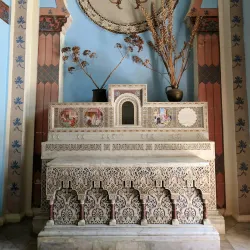
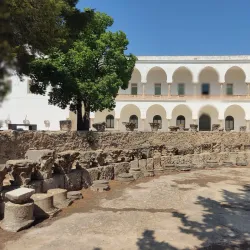
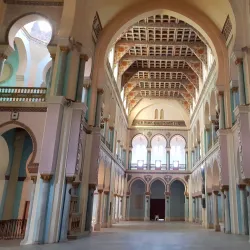
The Saint Louis Cathedral, now a museum, was once a prominent Christian cathedral built during the French colonial period. It stands on Byrsa Hill and offers historical and architectural interest.
The site provides insight into the Christian heritage of Carthage and offers panoramic views of the city and sea.
Acropolium of Carthage
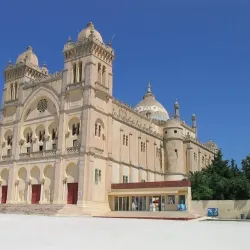
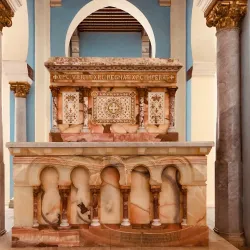
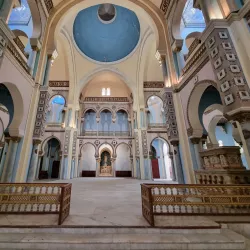
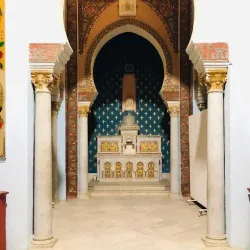
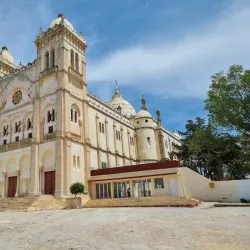
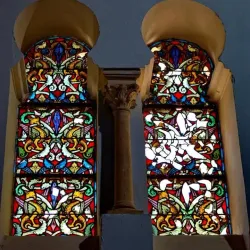
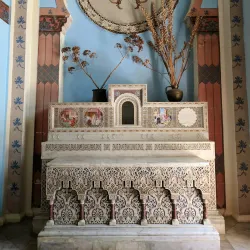
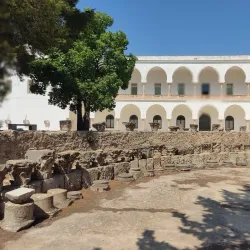
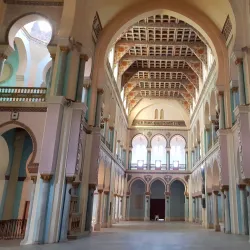
The Acropolium is a former cathedral known for its striking architecture and cultural significance. It hosts concerts and exhibitions, blending historical ambiance with contemporary cultural events.
The building is a notable landmark in Carthage and a symbol of the city's layered history.
Carthage Amphitheatre
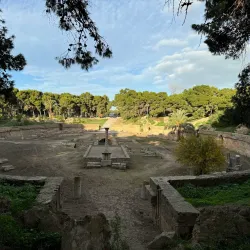
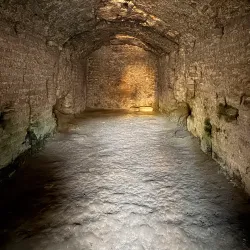
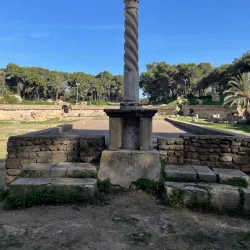
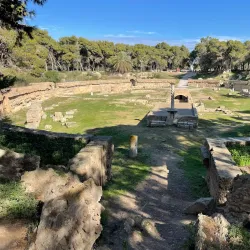
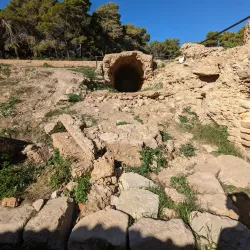
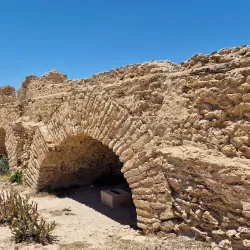
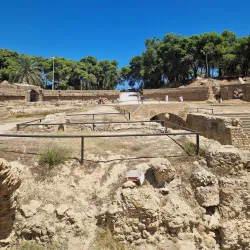
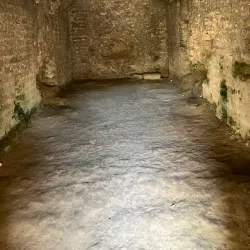
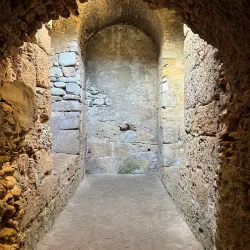
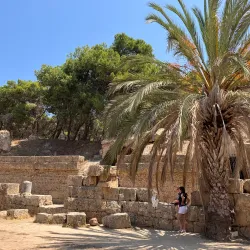
The Carthage Amphitheatre is a Roman-era structure used for gladiatorial games and public spectacles. Though partially ruined, it remains an important archaeological site reflecting the entertainment culture of ancient Carthage.
Visitors can explore the site and learn about the social and political aspects of Roman Carthage.
Salammbo Punic Port
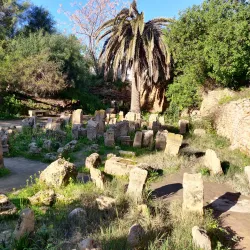
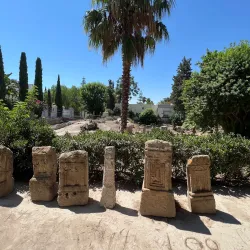
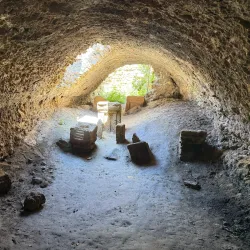
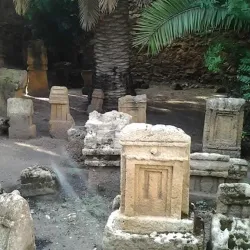
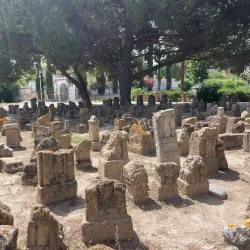
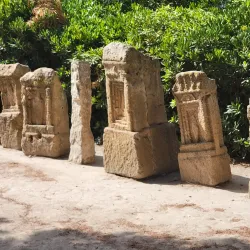
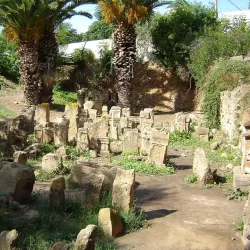
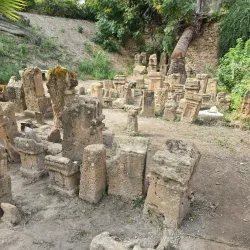
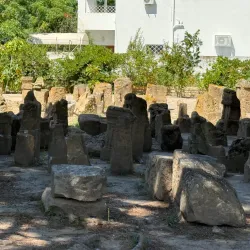
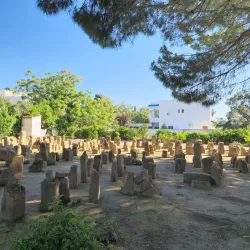
The Salammbo Punic Port is an archaeological site revealing the remains of Carthage's ancient port facilities. It highlights the city's role as a major maritime hub in the ancient world.
The site offers a fascinating look at the engineering and trade networks of the Punic civilization.