Things to do in Kairouan
Kairouan, located in Tunisia, is one of the country's most important historical cities and a UNESCO World Heritage site. Known as the fourth holiest city in Islam, it boasts a rich cultural and religious heritage that dates back to the 7th century.The city is famous for its ancient mosques, traditional markets, and well-preserved Islamic architecture. Visitors can explore its vibrant medina, historic landmarks, and experience the local culture and crafts.Great Mosque of Kairouan (Mosque of Uqba)
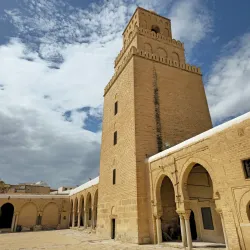
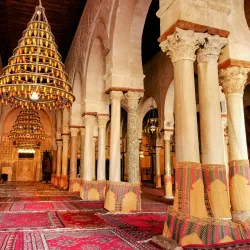
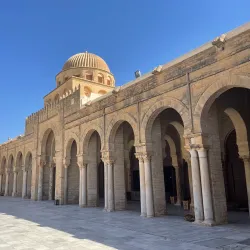
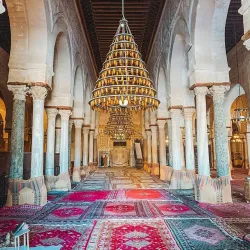
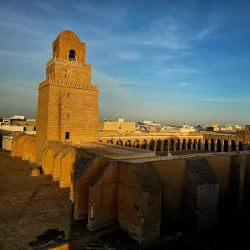
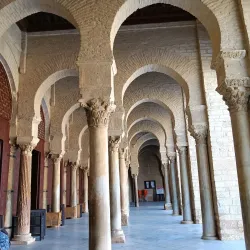
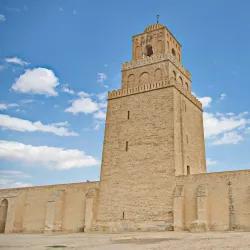
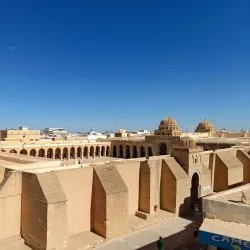
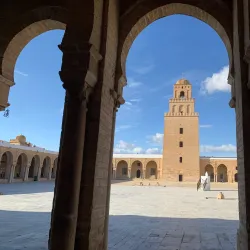
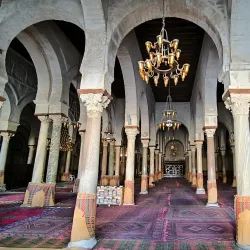
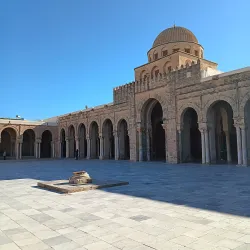
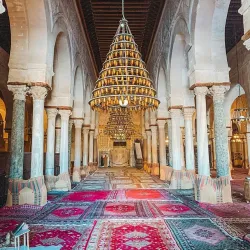
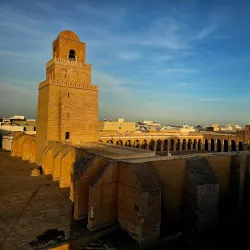
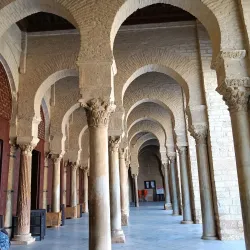
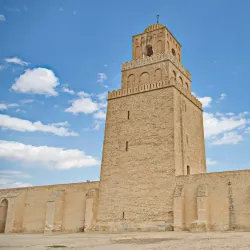
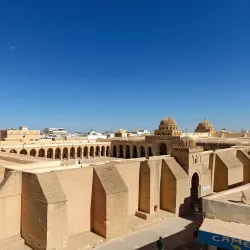
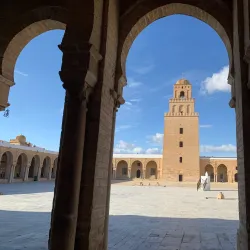
The Great Mosque of Kairouan is one of the oldest and most significant mosques in the Muslim world. Founded in 670 AD by Uqba ibn Nafi, it is a masterpiece of Islamic architecture and a symbol of Kairouan's religious importance.
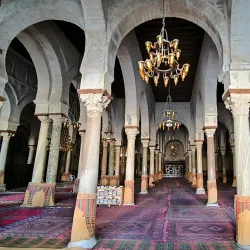
The mosque features a vast prayer hall, a large courtyard, and a distinctive minaret. It has influenced mosque architecture throughout North Africa and beyond.
Medina of Kairouan
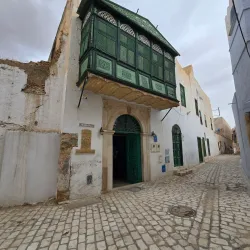
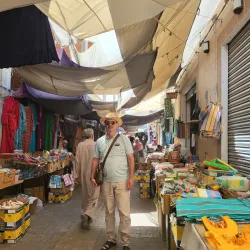
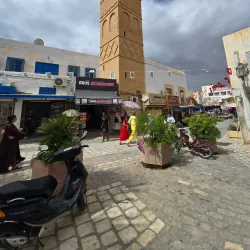
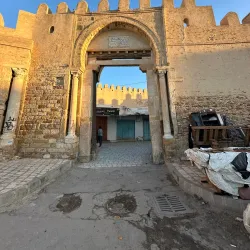
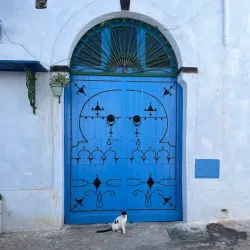
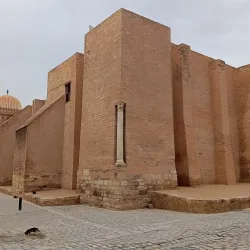
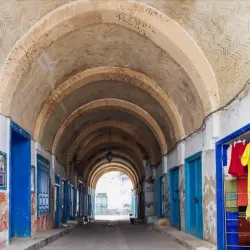
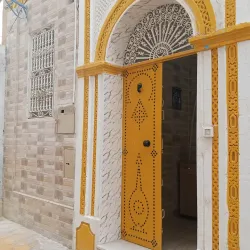
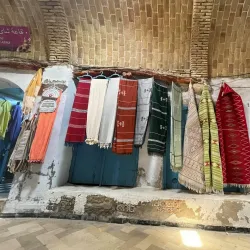
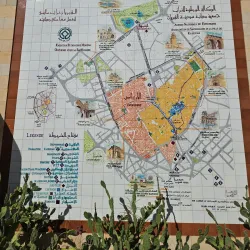
The Medina is the historic old town of Kairouan, characterized by narrow winding streets, traditional houses, and bustling souks. It is a UNESCO World Heritage site that offers a glimpse into the city's rich past and vibrant present.
Visitors can explore markets selling carpets, pottery, and other local crafts, as well as historic buildings and fountains scattered throughout the medina.
Aghlabid Basins
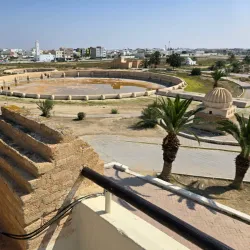
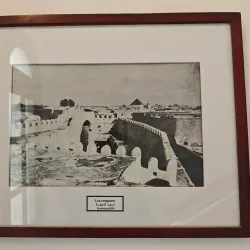
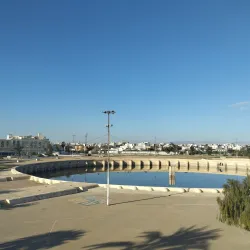
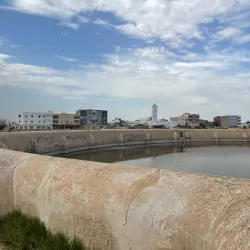
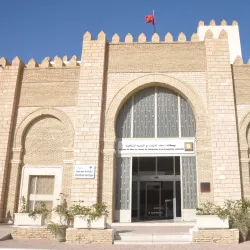
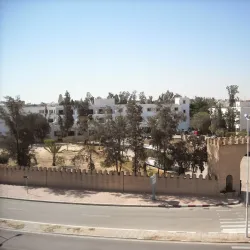
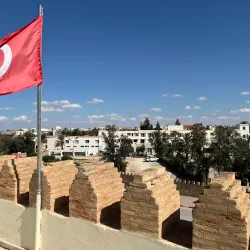
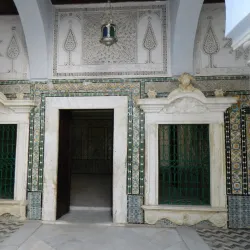
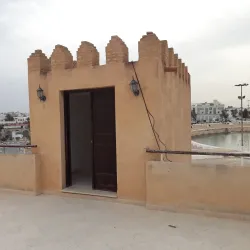
The Aghlabid Basins are large ancient water reservoirs built in the 9th century to supply water to the city. These impressive structures showcase the advanced engineering skills of the Aghlabid dynasty.
Today, the basins are a popular historical site where visitors can learn about the city's water management system and enjoy the surrounding park area.
Mausoleum of Sidi Sahab
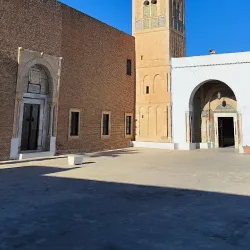
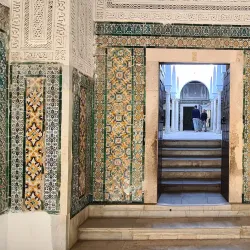
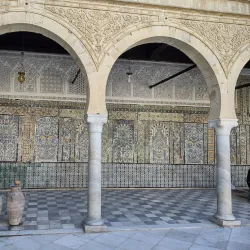
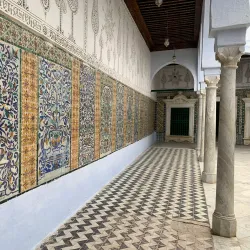
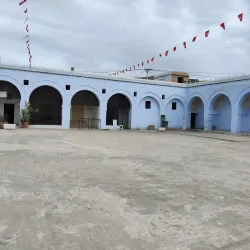
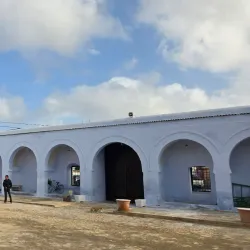
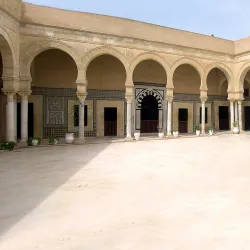
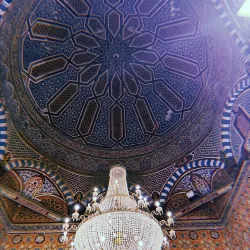
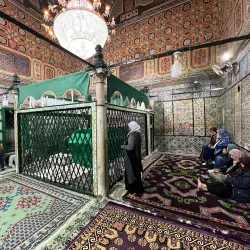
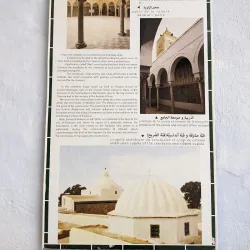
This mausoleum is dedicated to Sidi Sahab, a companion of the Prophet Muhammad and the founder of Kairouan. It is an important religious site and a place of pilgrimage.
The mausoleum is known for its beautiful architecture, intricate tile work, and serene atmosphere.
Bir Barouta
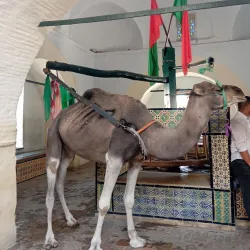
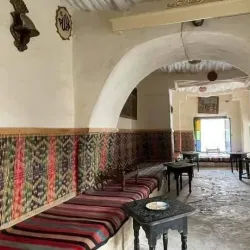
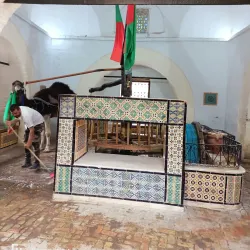
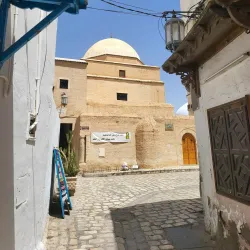
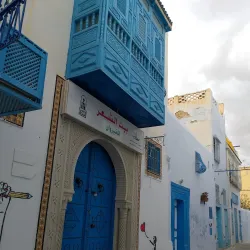
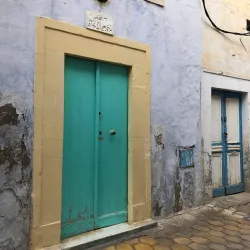
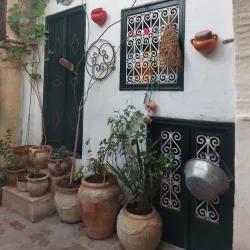
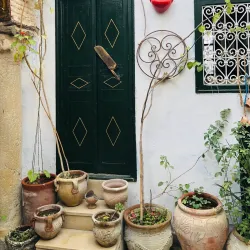
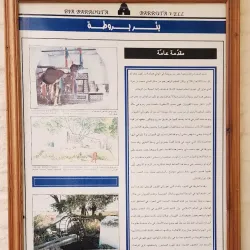
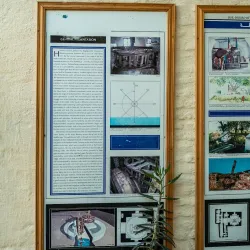
Bir Barouta is an ancient well located near the Great Mosque. It is historically significant as a source of water for the city and is surrounded by legends and local stories.
The site offers insight into the daily life and infrastructure of historic Kairouan.
Kasbah of Kairouan
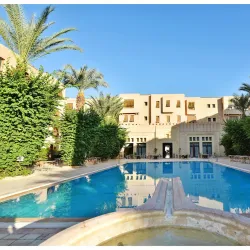
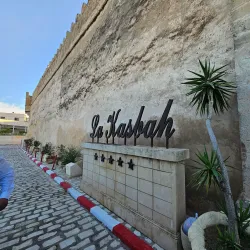
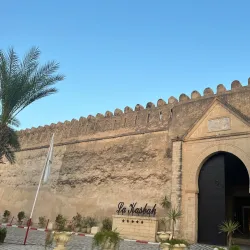
The Kasbah is a historic fortress that once served as a military and administrative center. It offers panoramic views of the city and surrounding areas.
Visitors can explore the fortress walls, towers, and learn about the city's defensive history.
Sidi Okba Mosque
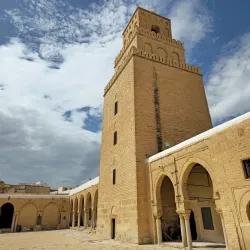
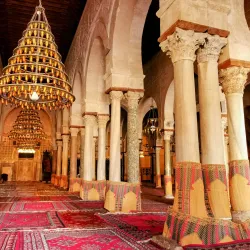
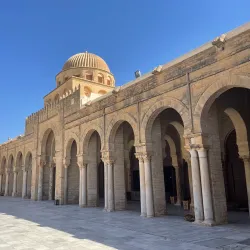
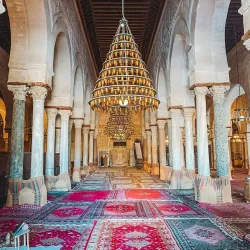
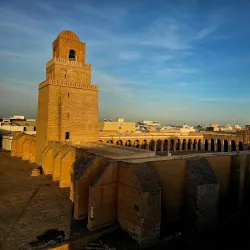
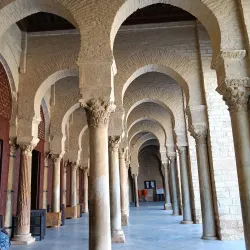
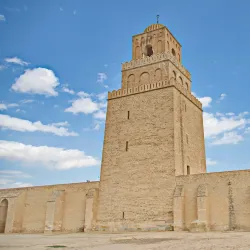
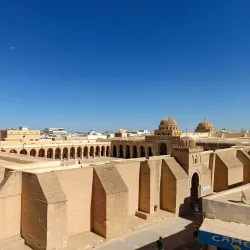
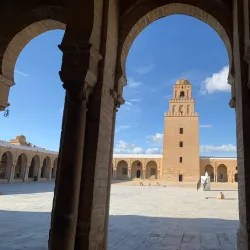
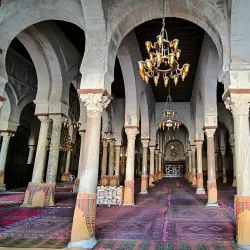
This mosque is one of the oldest in Kairouan and is named after Uqba ibn Nafi, the city's founder. It is a smaller but historically significant religious site.
The mosque's architecture reflects early Islamic design and provides a peaceful place for reflection.
Traditional Carpet Workshops
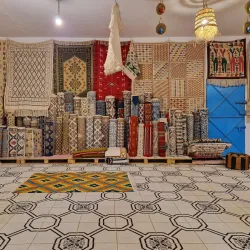
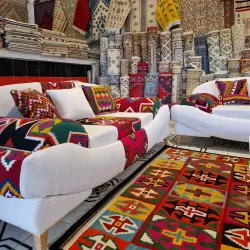
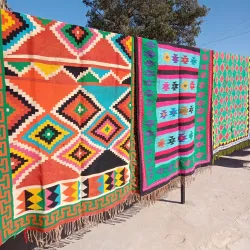
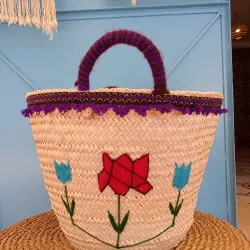
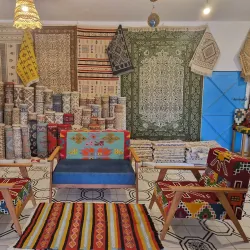
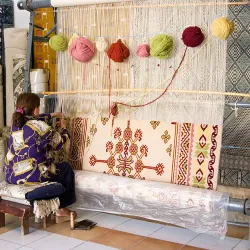
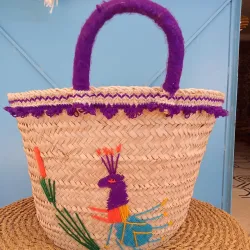
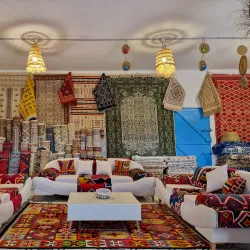
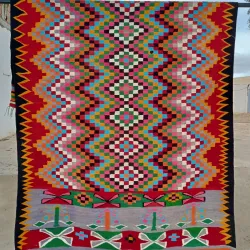

Kairouan is renowned for its traditional carpet weaving. Visitors can tour local workshops to see artisans at work and purchase authentic handmade carpets.
These workshops preserve ancient techniques and offer a unique cultural experience.
Museum of Islamic Arts
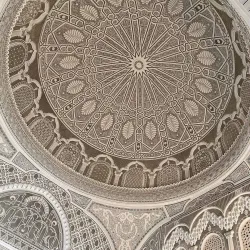
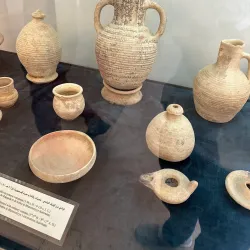
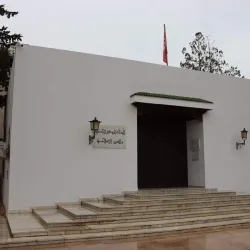
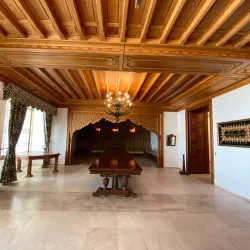
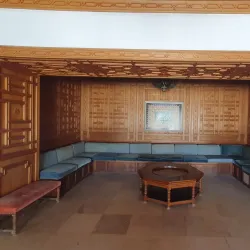
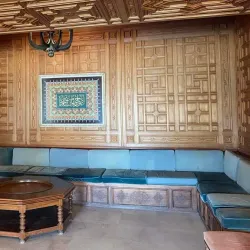
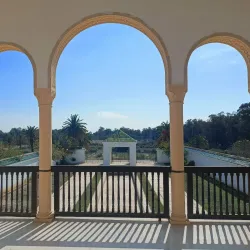
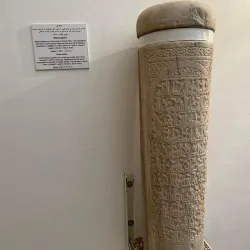
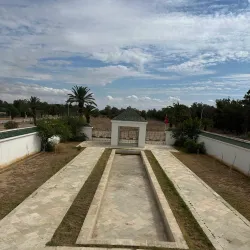
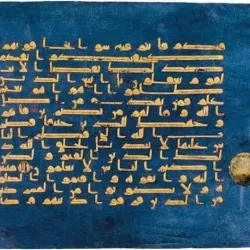
This museum houses a collection of Islamic art, including ceramics, textiles, manuscripts, and jewelry from Kairouan and the wider region.
It provides educational insights into the artistic heritage and cultural history of the city.
Sidi Abid Mosque
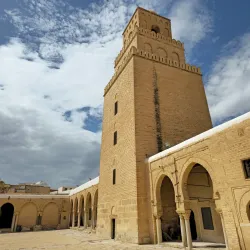
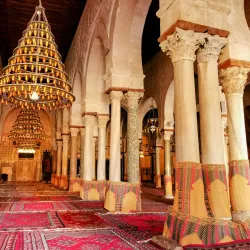
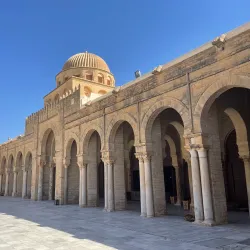
A historic mosque known for its distinctive architecture and religious significance within the community.
The mosque is a quieter site compared to the Great Mosque but offers a glimpse into local religious practices.