
Quality of life in Mohammedia (Mhamdia)
Cost of Living, Healthcare, Safety, Education, and More
About Mohammedia (Mhamdia)
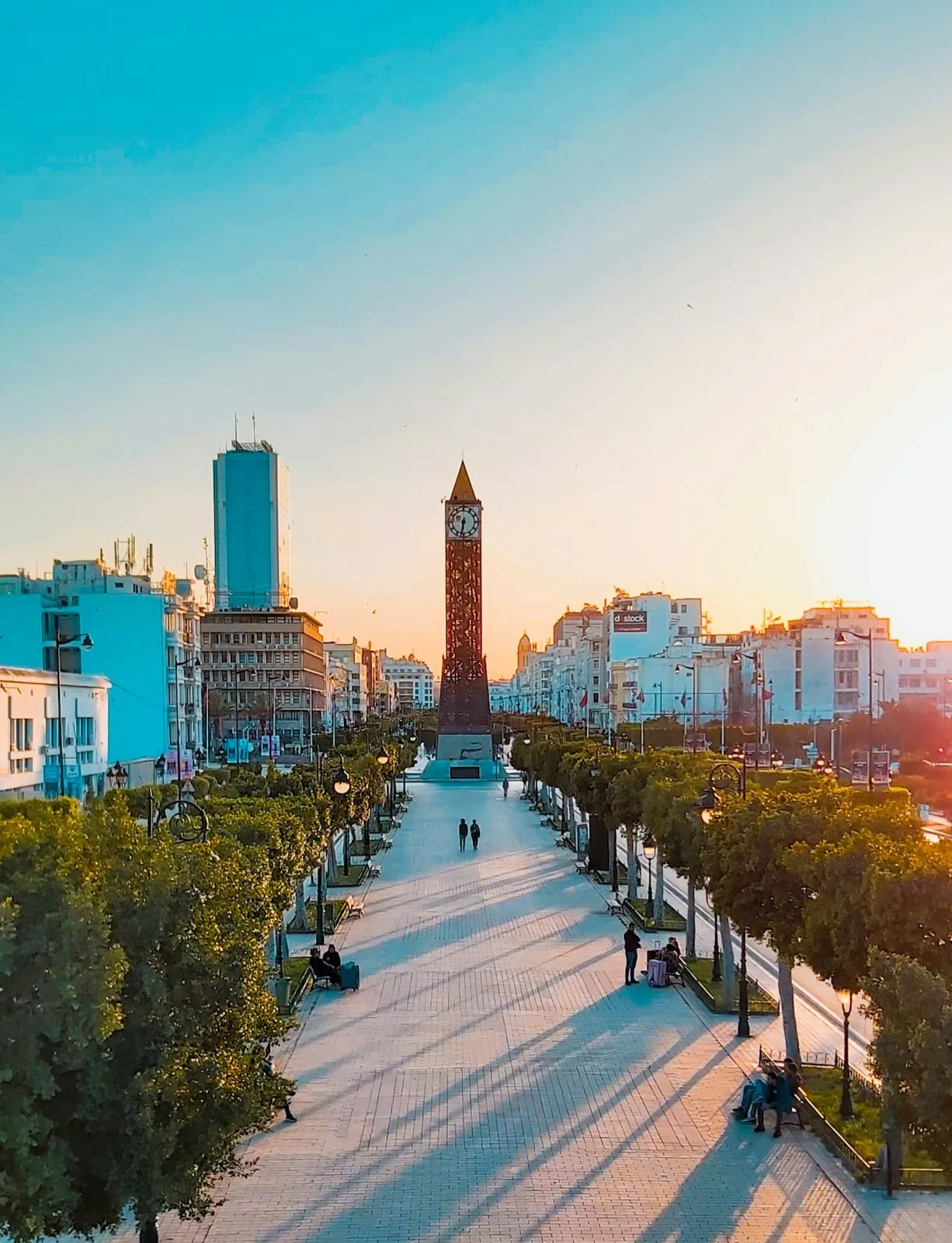
Mohammedia, also known as Mhamdia, is a charming city located in Tunisia. Known for its rich cultural heritage and vibrant community life, Mohammedia offers a unique blend of traditional and modern influences. The city is characterized by its bustling markets, friendly locals, and a growing interest in sustainable development. As of 2025, Mohammedia is emerging as a hub for cultural tourism, attracting visitors with its historical sites and local traditions.


History and Culture
The history of Mohammedia is deeply intertwined with the broader history of Tunisia. Originally a small settlement, the city has grown over the centuries, influenced by various civilizations including the Phoenicians, Romans, and Arabs. Each of these cultures has left its mark, contributing to the rich tapestry of Mohammedia's cultural heritage.
Cultural development in Mohammedia is evident in its numerous festivals and local traditions. The city is known for its vibrant music scene, with traditional Tunisian music playing a significant role in community events. Art and craftsmanship are also integral to the city's identity, with local artisans producing beautiful pottery and textiles.
Mohammedia's ethnic diversity is a testament to its historical role as a crossroads of different cultures. This diversity is celebrated through various cultural institutions and events that highlight the contributions of different communities to the city's cultural fabric. Notable cultural landmarks include local museums and historical sites that offer insights into the city's past.
Things to do in Mohammedia (Mhamdia)
Visitors to Mohammedia can enjoy a variety of activities and attractions. The city's markets are a must-visit, offering a wide range of local products and traditional crafts. For those interested in history, the local museums provide a fascinating glimpse into the region's past.
Outdoor enthusiasts will appreciate the natural beauty surrounding Mohammedia. The nearby landscapes offer opportunities for hiking and exploring the Tunisian countryside. Additionally, the city hosts several cultural festivals throughout the year, showcasing traditional music, dance, and cuisine.
Food lovers will find plenty to enjoy in Mohammedia's culinary scene. The city is home to numerous restaurants serving traditional Tunisian dishes, as well as international cuisine. Whether you're looking for a casual meal or a fine dining experience, Mohammedia has something to offer.
Quality of Life Rankings
Weather in Mohammedia (Mhamdia)
Mohammedia (Mhamdia), Tunisia experiences a Mediterranean climate characterized by hot, dry summers and mild, wet winters. The city receives an average annual precipitation of approximately 15 inches (380 mm), with December being the wettest month, averaging around 2.5 inches (64 mm) of rainfall.
Seasonal Breakdown
- Spring (March to May)Temperatures gradually rise from an average high of 66°F (19°C) in March to 77°F (25°C) in May. Rainfall decreases during this period, with March receiving the most precipitation, averaging around 1.5 inches (38 mm).
- Summer (June to August)The hottest months, with average highs ranging from 86°F (30°C) in June to 95°F (35°C) in July. Rainfall is minimal during the summer, averaging around 0.2 inches (5 mm) per month.
- Autumn (September to November)Temperatures gradually decrease from an average high of 88°F (31°C) in September to 70°F (21°C) in November. Rainfall begins to increase, averaging around 1.8 inches (46 mm) per month.
- Winter (December to February)The coldest period, with average highs ranging from 60°F (16°C) in December to 62°F (17°C) in February. This is the wettest season, with December receiving the most rainfall, averaging about 2.5 inches (64 mm).
Notable Weather Events
- Occasional heatwaves during the summer months, with temperatures exceeding 100°F (38°C).
- Heavy rainfall events in winter, particularly in December, which can lead to localized flooding.
- Rare cold snaps in winter, although temperatures rarely drop below freezing.
Mohammedia (Mhamdia)'s Political Climate
Mohammedia, also known as Mhamdia, is a city in Tunisia that reflects a dynamic political climate shaped by both historical influences and contemporary challenges. As part of Tunisia, Mohammedia is influenced by the broader national political landscape, which has been characterized by significant changes since the 2011 revolution that led to the ousting of President Zine El Abidine Ben Ali. This revolution marked the beginning of a democratic transition in Tunisia, impacting cities like Mohammedia.
The city is governed under a municipal system, which is part of Tunisia's decentralized governance structure. This allows for local decision-making and policy implementation, which is crucial for addressing the specific needs of the community. The political leadership in Mohammedia is often aligned with national trends, but local issues such as economic development, infrastructure improvement, and social services are at the forefront of the city's political agenda.
In recent years, Mohammedia has seen a push towards progressive policies, particularly in areas like environmental sustainability and social justice. The city has been part of national efforts to improve waste management and promote renewable energy sources. Social justice initiatives, including those aimed at improving gender equality and youth engagement, are also gaining traction.
The political climate in Mohammedia influences its economic and social decisions significantly. Economic policies are often geared towards attracting investment and improving local infrastructure, while social policies focus on enhancing education and healthcare services. Environmental considerations are increasingly becoming a priority, reflecting a growing awareness of sustainability issues.
Recent political events in Tunisia, such as the constitutional reforms and the ongoing dialogue about the balance of power between the presidency and parliament, have also impacted Mohammedia. These national discussions resonate at the local level, influencing political engagement and civic activism within the city.
Political Quick Facts
- Voter TurnoutApproximately 60% in recent elections
- City GovernanceMunicipal council system
- CompositionMixed representation with a majority from democratic reformist parties
- Recent Political ChangesImplementation of new municipal laws enhancing local governance
- EngagementModerate to high, with active participation in local governance
- Political ScorecardRated positively for transparency and citizen engagement
- Legislative PrioritiesEconomic development and job creation Infrastructure improvement Environmental sustainability
- Public OpinionGenerally supportive of democratic reforms and progressive policies
Notable Political Figures
- Ali Ben SalahCurrent mayor known for his focus on infrastructure and economic policies.
- Fatma ZribiLocal council member and advocate for women's rights and social justice.
- Hassan JebaliEnvironmental activist and advisor on sustainable development policies.