Things to do in Bath
Bath is a historic city in the United Kingdom renowned for its Roman-built baths and stunning Georgian architecture. It offers a unique blend of ancient history and vibrant cultural life, making it a popular destination for tourists interested in history, architecture, and wellness.The city is compact and walkable, with charming streets, beautiful parks, and a variety of museums and galleries. Bath's heritage as a spa town and its designation as a UNESCO World Heritage Site add to its appeal.Roman Baths
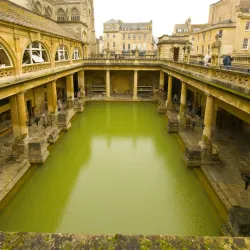
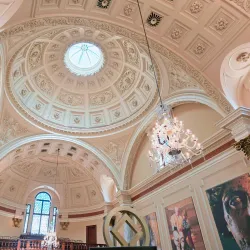
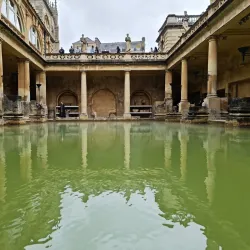
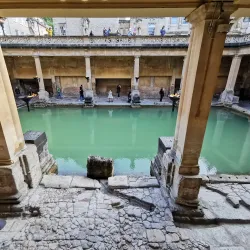
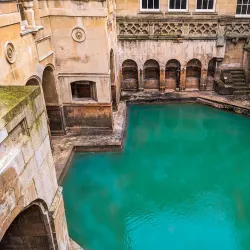
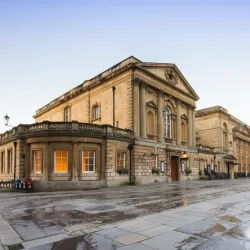
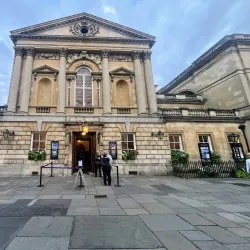
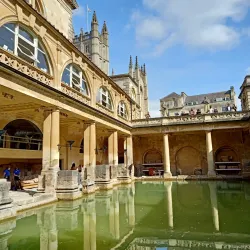
The Roman Baths are the city's most famous attraction, showcasing an ancient bathing complex built around natural hot springs. Visitors can explore the well-preserved ruins, learn about Roman engineering and daily life, and see the steaming waters that have been used for wellness for thousands of years.
The site includes a museum with artifacts and interactive exhibits, making it both educational and fascinating for all ages.
Bath Abbey

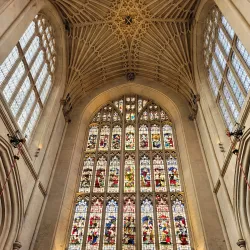
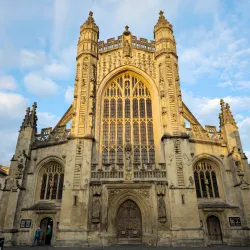
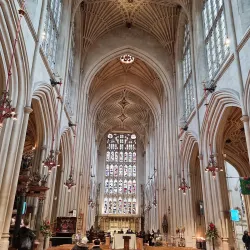
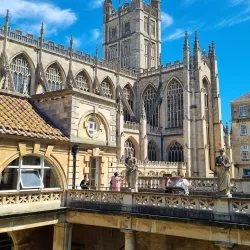
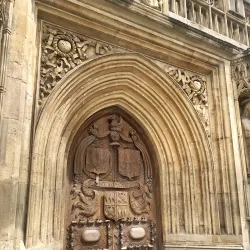
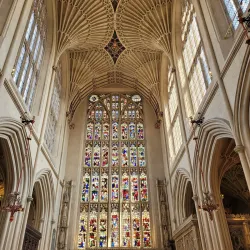
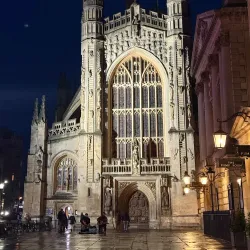
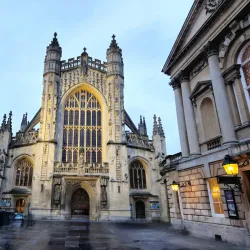
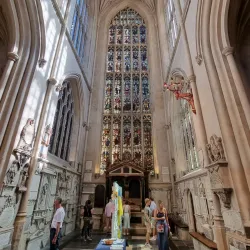
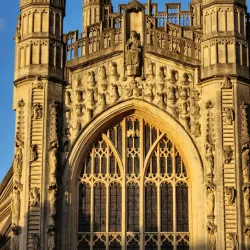
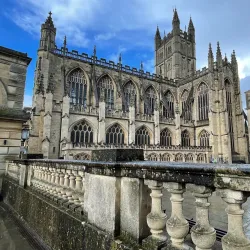
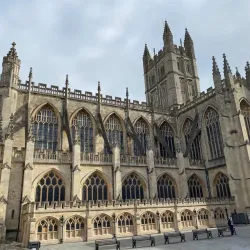
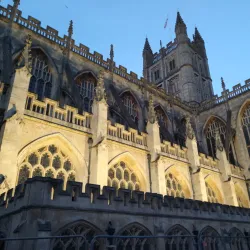
Bath Abbey is a magnificent Gothic church located in the heart of the city. Known for its stunning stained glass windows, fan vaulting, and impressive façade, the Abbey is a key landmark and place of worship.
Visitors can attend services, enjoy guided tours, and climb the tower for panoramic views of Bath and the surrounding countryside.
Royal Crescent
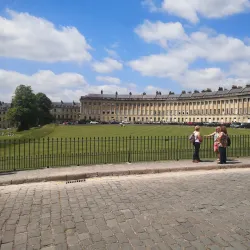
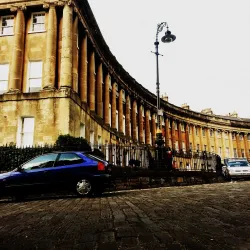
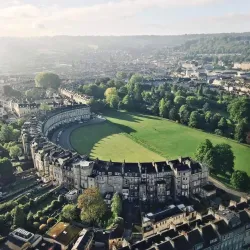
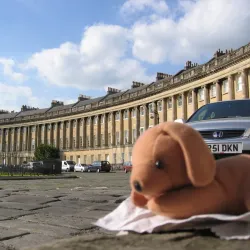
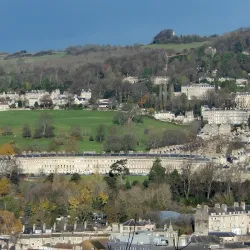
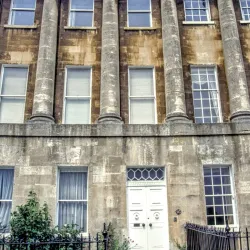
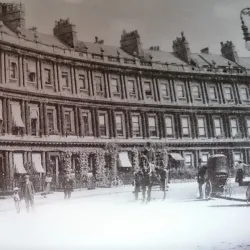
The Royal Crescent is a sweeping crescent-shaped row of 30 terraced houses, exemplifying Georgian architecture at its finest. It is one of the most iconic landmarks in Bath and a symbol of the city's elegance and history.
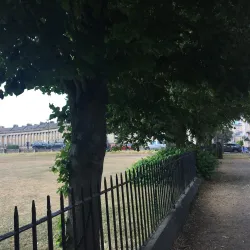
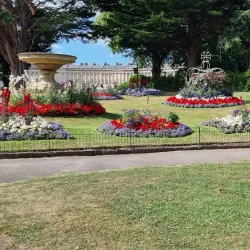
The crescent overlooks a large lawn and is near the Royal Victoria Park, offering great photo opportunities and a sense of 18th-century grandeur.
Thermae Bath Spa

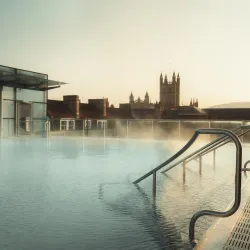
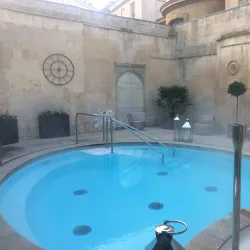
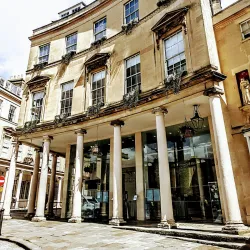
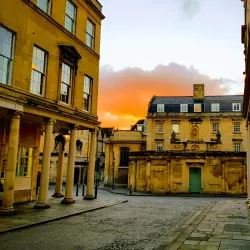
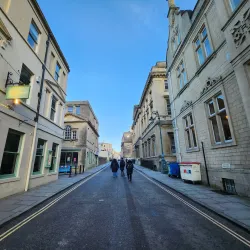
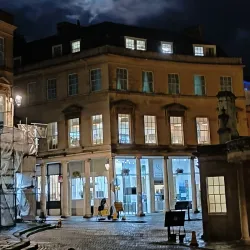
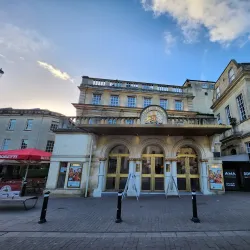

Thermae Bath Spa is a modern spa facility where visitors can experience the natural thermal waters that made Bath famous. It features rooftop pools, steam rooms, and a range of wellness treatments.
The spa combines contemporary design with historic elements, providing a relaxing and rejuvenating experience in the heart of the city.
Pulteney Bridge
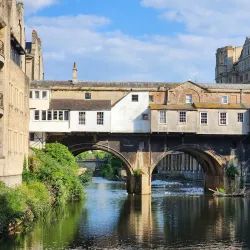
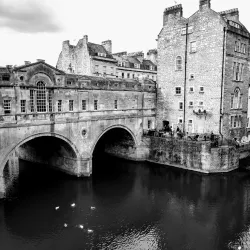
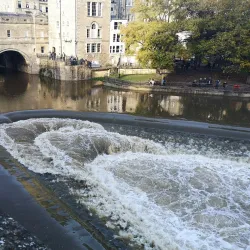
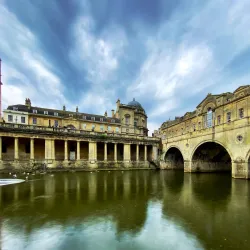
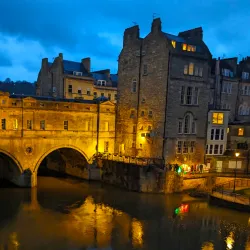
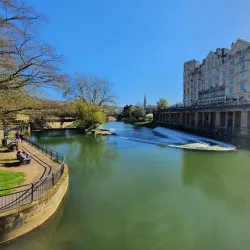
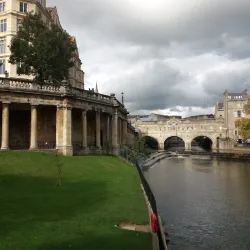
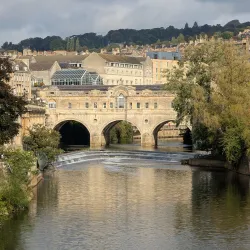
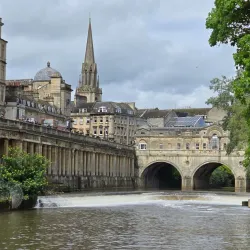
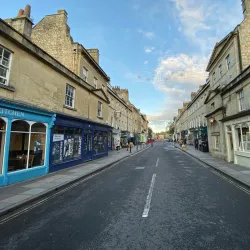
Pulteney Bridge is a historic bridge that crosses the River Avon, notable for its shops built along both sides. It is one of the few bridges in the world with this architectural feature and offers picturesque views of the river and weir.
The bridge connects the city center with the charming area of Bathwick and is a popular spot for photography and leisurely walks.
The Circus
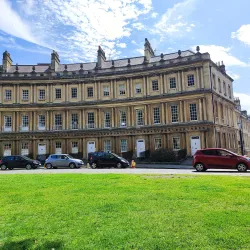
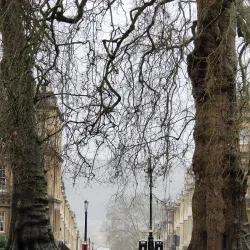
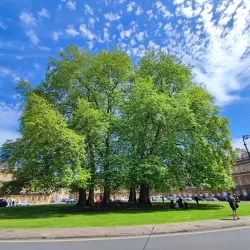
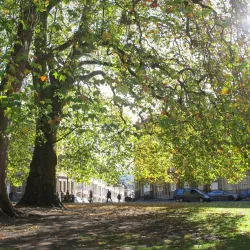
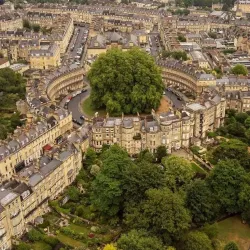
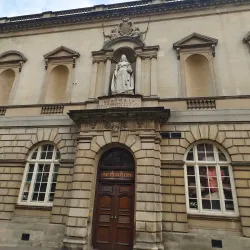
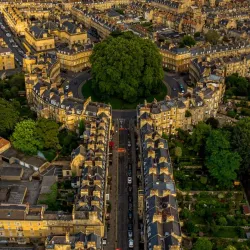
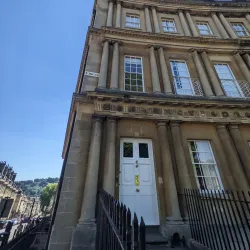
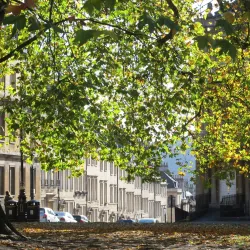
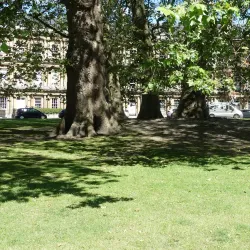
The Circus is a circular space surrounded by large townhouses designed in the Georgian style. It is known for its unique architecture, including classical columns and decorative stonework.
This architectural masterpiece was designed by John Wood the Elder and is a fine example of Bath's 18th-century urban planning.
Victoria Art Gallery
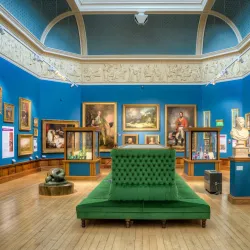
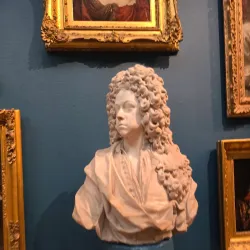
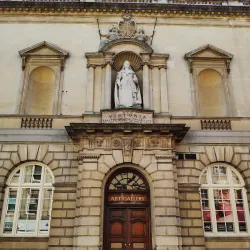
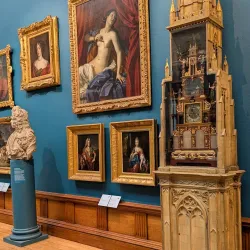
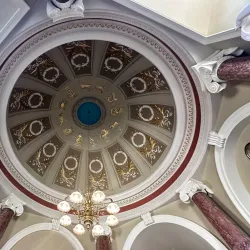

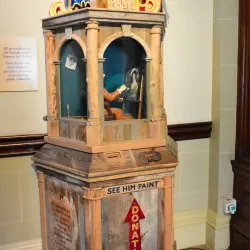
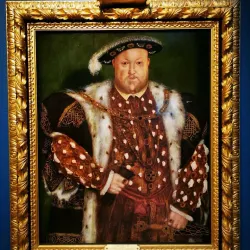
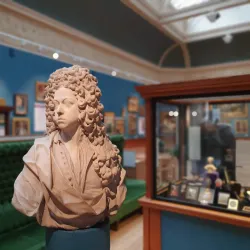
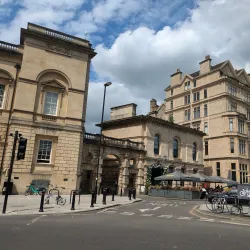
The Victoria Art Gallery houses an impressive collection of paintings, sculptures, and decorative arts from the 15th century to the present day. It features works by British artists and offers temporary exhibitions and educational programs.
The gallery is located near the Abbey and provides cultural enrichment for visitors interested in art history.
Prior Park Landscape Garden
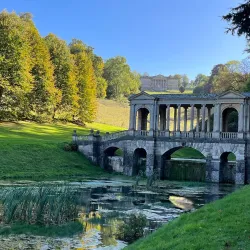
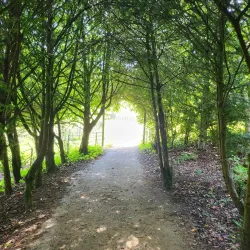
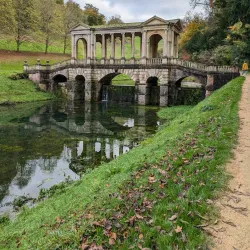
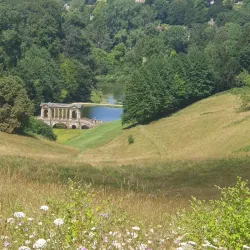
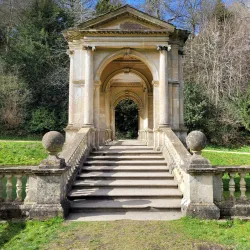
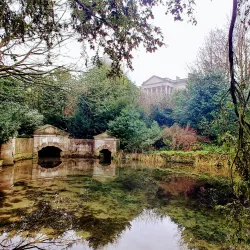
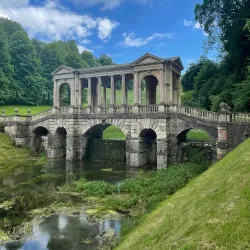
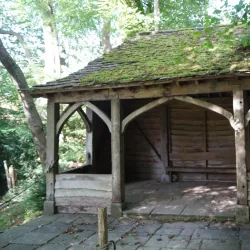
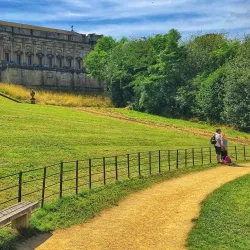
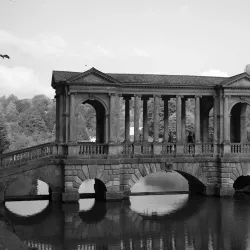
Prior Park Landscape Garden is an 18th-century garden designed in the English landscape style. It features rolling lawns, lakes, classical temples, and a Palladian bridge, offering a peaceful retreat with beautiful views over Bath.
The garden is managed by the National Trust and is a great place for walking, picnicking, and enjoying nature.
Fashion Museum Bath
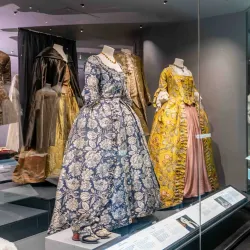


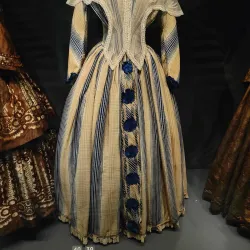
The Fashion Museum Bath showcases a collection of historic and contemporary clothing, highlighting fashion trends from the 16th century to the present. It offers visitors insights into the evolution of style and design.
The museum is located in the Assembly Rooms and often hosts special exhibitions and events related to fashion.
Assembly Rooms
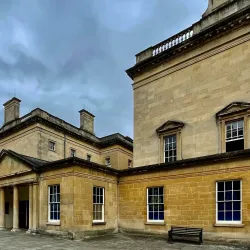
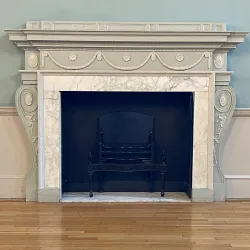
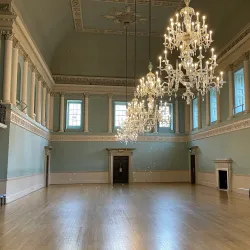
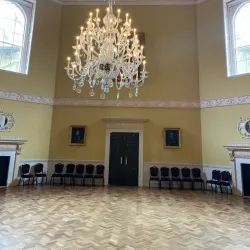
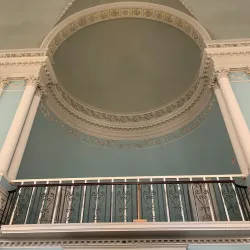
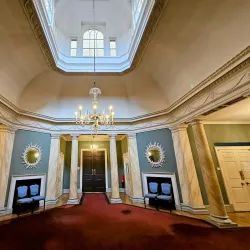
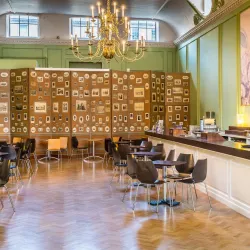
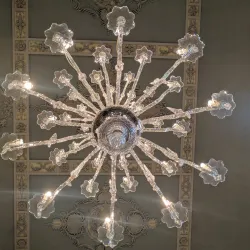
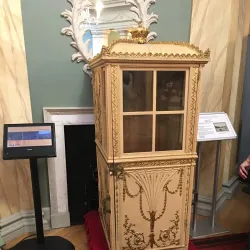
The Assembly Rooms are historic venues that have hosted social gatherings, balls, and concerts since the 18th century. The elegant interiors feature chandeliers, ornate ceilings, and period furnishings.
Today, the rooms are used for events and are open to the public as part of the Fashion Museum experience.