Things to do in Isle of Lewis
The Isle of Lewis, part of the Outer Hebrides in Scotland, is renowned for its rich history, stunning landscapes, and vibrant Gaelic culture. It offers visitors a unique blend of ancient archaeological sites, traditional villages, and breathtaking coastal scenery.Lewis is the largest island in the Outer Hebrides and is known for its rugged beauty, sandy beaches, and cultural heritage. The island is a haven for those interested in history, nature, and traditional Scottish island life.Callanish Standing Stones
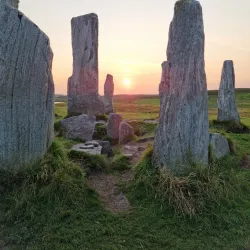
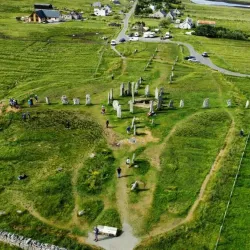
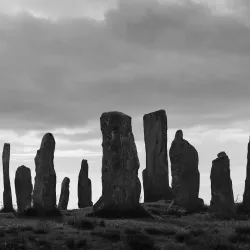
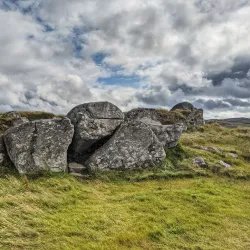
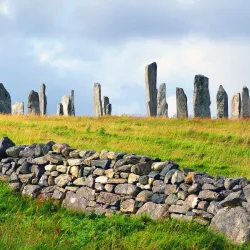
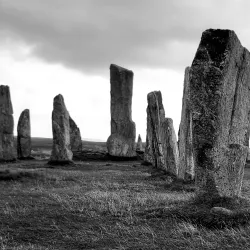
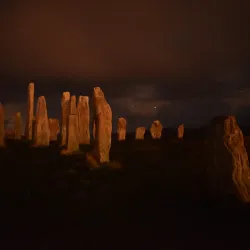
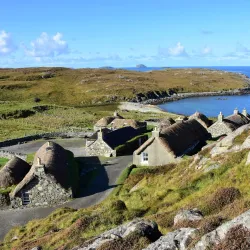
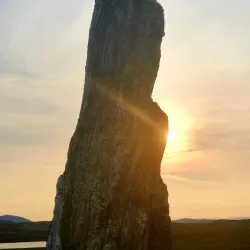
The Callanish Standing Stones are one of the most famous prehistoric sites in Scotland, dating back to around 2900 BC. This impressive stone circle is believed to have been used for ritual or astronomical purposes and is often compared to Stonehenge in significance.
Visitors can explore the stones set against a dramatic landscape of moorland and lochs, providing a glimpse into ancient spiritual practices and the island's deep historical roots.
Lews Castle
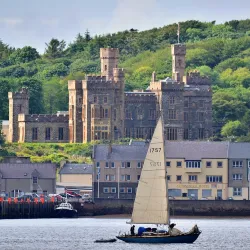
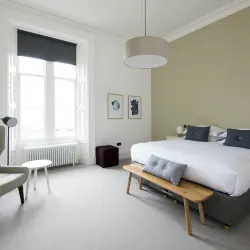
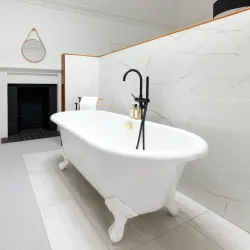
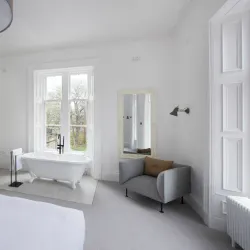
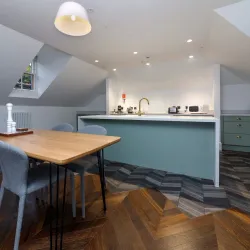
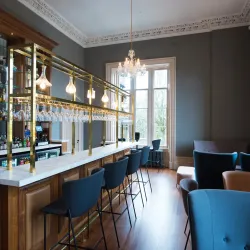
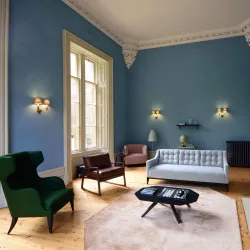
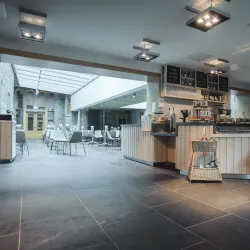
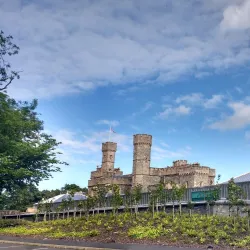
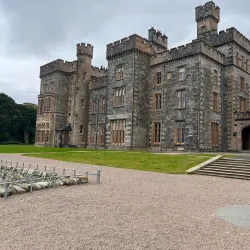
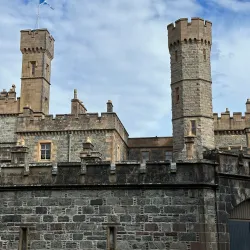
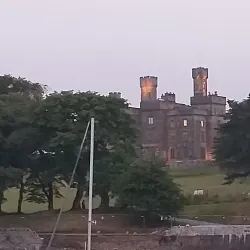
Lews Castle is a 19th-century castle located in Stornoway, the main town on the Isle of Lewis. The castle has been restored and now houses a museum and cultural center, offering insights into the island's history and heritage.
The castle grounds provide beautiful views over Stornoway and the surrounding sea, making it a popular spot for visitors interested in history and architecture.
Gearrannan Blackhouse Village
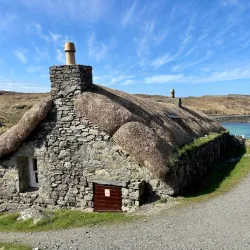

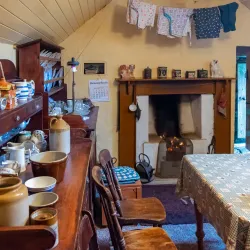
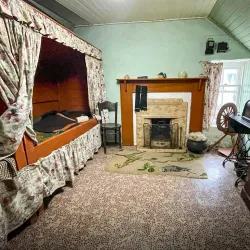
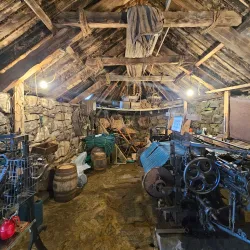
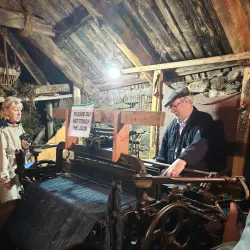
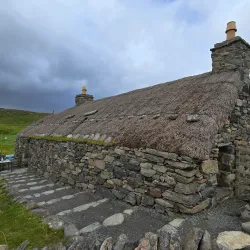
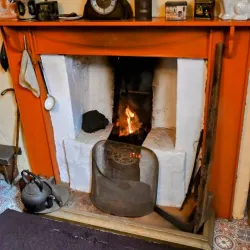
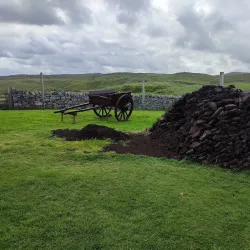

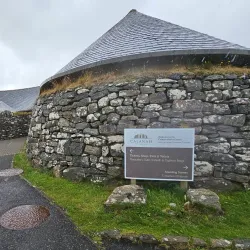
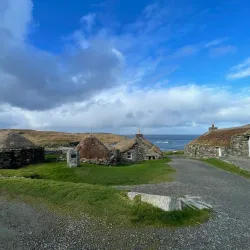
Gearrannan Blackhouse Village is a restored traditional village featuring blackhouses, which are traditional stone-built homes with thatched roofs. The village offers a unique look into the island's crofting past and traditional way of life.
Visitors can tour the houses, learn about local crafts, and experience the lifestyle of Lewis's inhabitants from centuries ago.
Stornoway Harbour
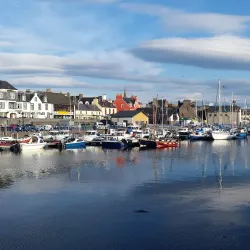
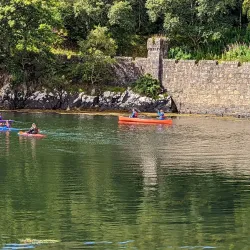
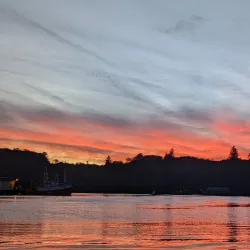
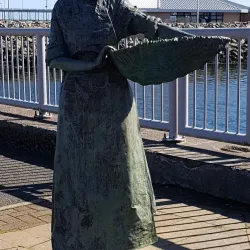
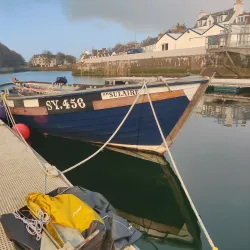
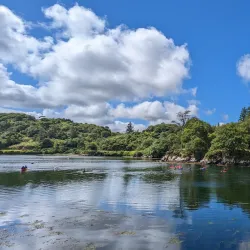
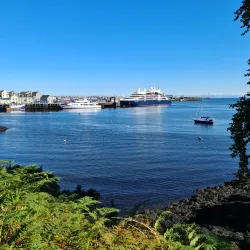
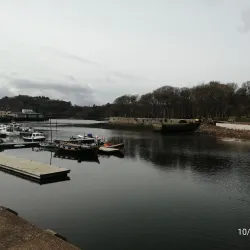
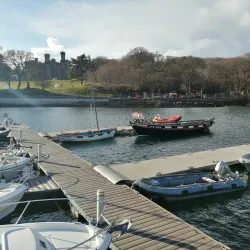
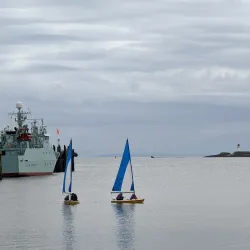
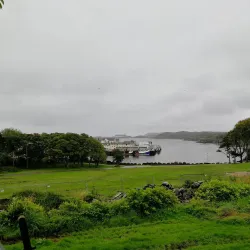
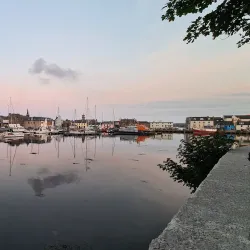
Stornoway Harbour is the main port of the Isle of Lewis and a hub of activity. It is a great place to watch the comings and goings of ferries, fishing boats, and cargo ships.
The harbor area also features shops, cafes, and cultural sites, making it a lively spot to explore the town's maritime heritage.
Dun Carloway Broch
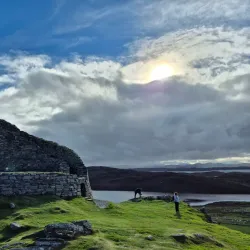
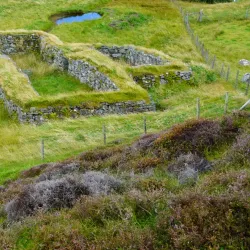
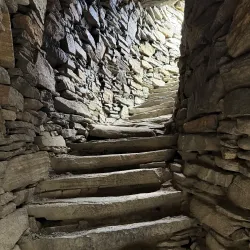
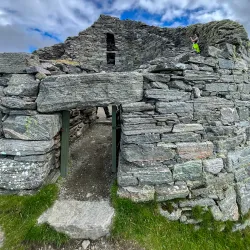
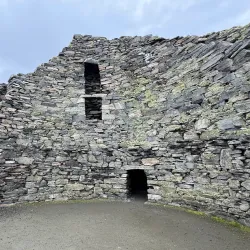
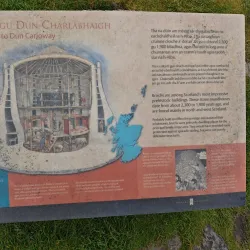
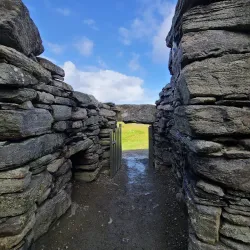
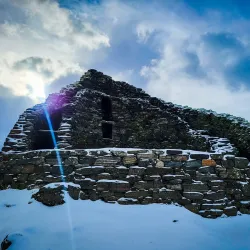
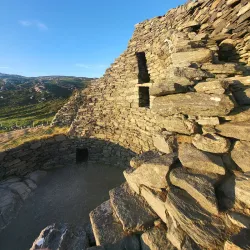
Dun Carloway is a well-preserved Iron Age broch, a type of drystone hollow-walled structure found in Scotland. It offers a fascinating glimpse into the island's ancient defensive architecture and settlement patterns.
The broch is situated in a scenic location and provides visitors with an opportunity to explore early Scottish history up close.
Uig Sands
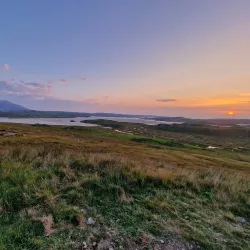
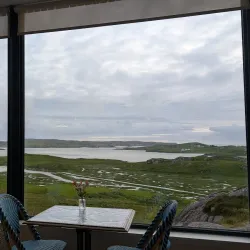
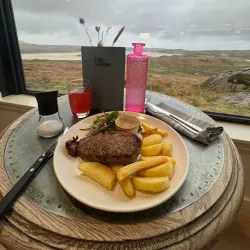
Uig Sands is a beautiful sandy beach on the west coast of the Isle of Lewis. Known for its expansive shoreline and clear waters, it is a popular spot for walking, birdwatching, and enjoying the natural coastal environment.
The beach is also a gateway to exploring the surrounding moorlands and hills, offering a peaceful retreat for nature lovers.
Museum nan Eilean
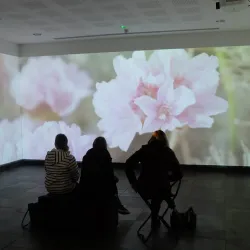
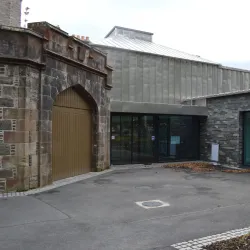
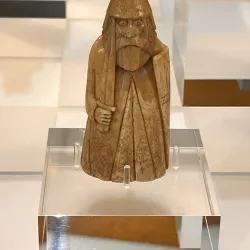
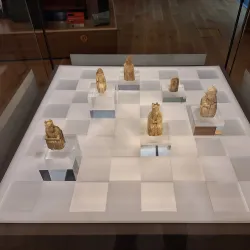
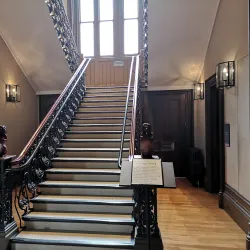
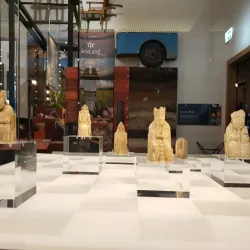
Museum nan Eilean, located in Stornoway, is the main museum of the Outer Hebrides. It showcases the natural and cultural history of the islands, including exhibits on archaeology, geology, and local traditions.
The museum provides an excellent introduction to the heritage of Lewis and the wider Outer Hebrides region.
Barvas Moor
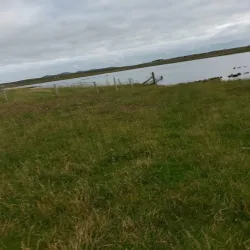
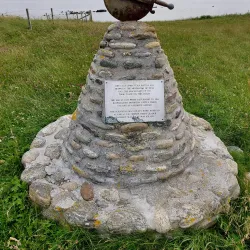
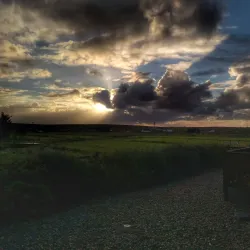
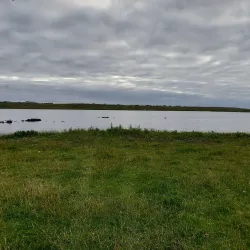
Barvas Moor is a vast expanse of moorland on the Isle of Lewis, known for its wild beauty and rich wildlife. It is an excellent location for hiking, birdwatching, and experiencing the island's natural environment.
The moor is dotted with archaeological sites and offers panoramic views of the surrounding landscape.
Tolsta Beach
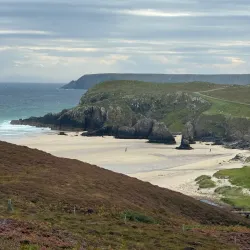
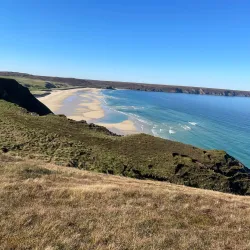
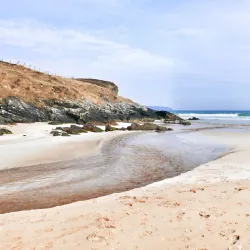
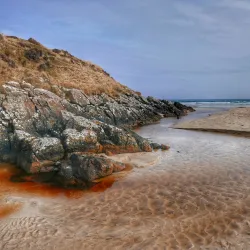
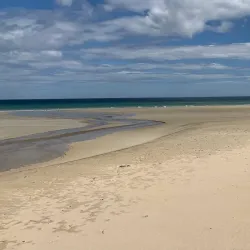
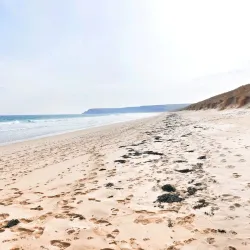
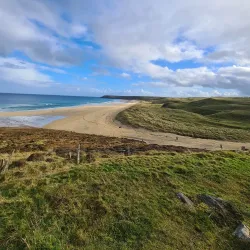
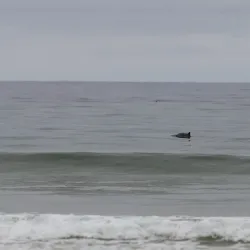
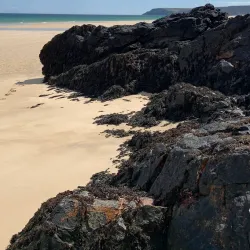
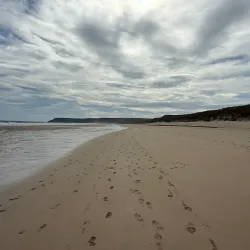
Tolsta Beach is a stunning white sandy beach on the northern coast of the Isle of Lewis. It is renowned for its clear waters and scenic beauty, making it a favorite spot for visitors and locals alike.
The beach is ideal for walking, picnicking, and enjoying the tranquility of the island's coastline.
Stornoway Town Centre
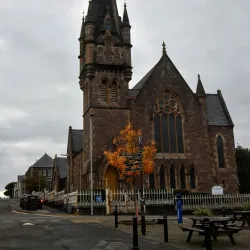
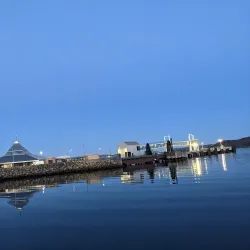
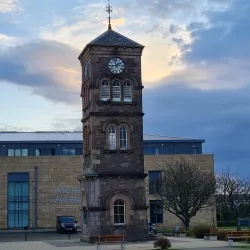



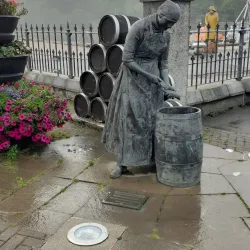

The town centre of Stornoway offers a mix of shopping, dining, and cultural experiences. Visitors can explore local shops selling Harris Tweed and other crafts, enjoy fresh seafood, and experience the vibrant community life.
The town also hosts events and festivals that celebrate the island's Gaelic heritage and traditions.