
Quality of life in Hyannis
Cost of Living, Healthcare, Safety, Education, and More

About Hyannis
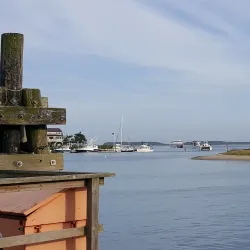
Hyannis, located in the heart of Cape Cod, Massachusetts, is a vibrant and bustling village known for its rich maritime history and cultural significance. As the largest of the seven villages in the town of Barnstable, Hyannis serves as a commercial and transportation hub for the Cape, offering a unique blend of small-town charm and urban amenities.The village is renowned for its picturesque beaches, thriving arts scene, and as a gateway to the islands of Nantucket and Martha's Vineyard. Hyannis is also famous for its connection to the Kennedy family, with the John F. Kennedy Hyannis Museum being a popular attraction that draws visitors from around the world.




History and Culture
Hyannis has a storied history that dates back to its founding in the 17th century. Originally a fishing and farming community, it evolved into a major port and transportation center by the 19th century. The arrival of the railroad in the mid-1800s further boosted its development, making it a key destination for tourists and trade.
The cultural landscape of Hyannis is deeply influenced by its maritime heritage and the legacy of the Kennedy family. The John F. Kennedy Hyannis Museum offers a glimpse into the life and times of the 35th President of the United States and his family's enduring connection to the area.
Hyannis is home to a diverse array of cultural institutions, including art galleries, theaters, and music venues. The Cape Cod Melody Tent is a notable venue that hosts a variety of performances, from concerts to comedy shows, attracting both locals and tourists alike.
The village's ethnic diversity is reflected in its vibrant culinary scene, with numerous restaurants offering a range of cuisines, from traditional New England seafood to international flavors. Local festivals and events, such as the annual Cape Cod Maritime Days and the Hyannis Arts and Craft Festival, celebrate the area's rich cultural heritage and community spirit.
Things to do in Hyannis
Hyannis offers a wide array of activities and attractions for visitors and residents alike. The village's beautiful beaches, such as Kalmus Beach and Veterans Park Beach, are perfect for sunbathing, swimming, and windsurfing.
For those interested in history and culture, the John F. Kennedy Hyannis Museum and the Cape Cod Maritime Museum provide fascinating insights into the area's past. The Hyannis Harbor is a bustling area where visitors can enjoy boat tours, fishing charters, and ferry rides to nearby islands.
The local dining scene is a highlight, with numerous seafood restaurants offering fresh catches of the day. The Hyannis Main Street is a lively area filled with shops, cafes, and galleries, perfect for a leisurely stroll.
Outdoor enthusiasts can explore the Cape Cod Rail Trail, a scenic bike path that stretches across the Cape, or enjoy a round of golf at one of the area's many courses. The village also hosts a variety of events throughout the year, including the Hyannis Open Streets festival and the annual Barnstable County Fair.
Quality of Life Rankings

Weather in Hyannis
Hyannis, MA, United States experiences a humid continental climate characterized by cold, snowy winters and warm, humid summers. The city receives an average annual precipitation of approximately 45 inches (1143 mm), with March being the wettest month, averaging around 4.5 inches (114 mm) of rainfall.
Seasonal Breakdown
- Spring (March to May)Temperatures gradually rise from an average high of 45°F (7°C) in March to 65°F (18°C) in May. Rainfall increases during this period, with March receiving the most precipitation, averaging 4.5 inches (114 mm).
- Summer (June to August)The hottest months, with average highs ranging from 75°F (24°C) in June to 80°F (27°C) in July. Rainfall decreases during the summer, averaging around 3.5 inches (89 mm) per month.
- Autumn (September to November)Temperatures gradually decrease from an average high of 70°F (21°C) in September to 50°F (10°C) in November. Rainfall remains moderate, averaging around 3.8 inches (97 mm) per month.
- Winter (December to February)The coldest period, with average highs ranging from 40°F (4°C) in December to 38°F (3°C) in February. Snowfall is moderate, averaging about 20 inches (508 mm) in January.
Notable Weather Events
- Occasional nor'easters during winter, bringing heavy snow and strong winds.
- Summer thunderstorms, sometimes severe, with heavy rain and gusty winds.
- Potential for tropical storms or hurricanes in late summer and early autumn.
Hyannis's Political Climate
Hyannis, located in Massachusetts, United States, is a vibrant community with a dynamic political climate. As a part of Barnstable County, Hyannis is often seen as a microcosm of the broader political trends in the state. The city is governed by a town council and a town manager, reflecting a blend of traditional New England governance with modern administrative practices.
Historically, Hyannis has been a politically active community, with a strong emphasis on local governance and civic participation. The city has been at the forefront of several progressive initiatives, particularly in areas such as environmental sustainability and social justice. Recent years have seen Hyannis implement policies aimed at reducing carbon emissions and promoting renewable energy, aligning with Massachusetts' broader commitment to combating climate change.
The political landscape in Hyannis is also shaped by its diverse population, which includes a mix of long-time residents and newer arrivals. This diversity is reflected in the city's political discourse, which often centers around issues such as affordable housing, healthcare access, and education reform. The city's leadership has been proactive in addressing these challenges, seeking to balance growth with the preservation of Hyannis' unique character.
Recent political events in Hyannis have included a push for greater transparency in local government and increased public engagement in decision-making processes. This has been accompanied by a rise in civic activism, with local groups advocating for various causes ranging from environmental protection to social equity. These movements have played a significant role in shaping the city's policy agenda and fostering a sense of community involvement.
Political Quick Facts
- Voter Turnout65%
- City GovernanceTown council and town manager system
- CompositionMajority Democratic with some Independent members
- Recent Political ChangesIncreased focus on transparency and public engagement
- EngagementHigh, with active participation in local issues
- Political ScorecardB+ for governance and transparency
- Legislative PrioritiesEnvironmental sustainability Affordable housing Healthcare access
- Public OpinionProgressive, with strong support for social justice and environmental policies
Notable Political Figures
- John SmithCurrent town manager known for his work on sustainability initiatives.
- Jane DoeCity council member and advocate for affordable housing.
- Emily JohnsonLocal activist focused on healthcare reform.