
Quality of life in Grand Rapids
Cost of Living, Healthcare, Safety, Education, and More

About Grand Rapids
Grand Rapids, MI, located in the heart of the United States, is a city that beautifully blends its rich historical roots with a vibrant modern culture. Known as the 'Furniture City' due to its historical significance in the furniture manufacturing industry, Grand Rapids has evolved into a hub of innovation and creativity.The city is renowned for its thriving art scene, with numerous galleries and public art installations that attract visitors from around the world. Additionally, Grand Rapids is home to a burgeoning craft beer industry, earning it the nickname 'Beer City USA'. This dynamic city offers a unique blend of cultural experiences, making it a must-visit destination in 2024.


History and Culture
Grand Rapids was founded in 1826 and quickly became a pivotal center for the furniture industry in the United States. Its strategic location along the Grand River facilitated trade and transportation, contributing to its rapid growth during the 19th century.
The city played a significant role in the American industrial revolution, with its factories producing high-quality furniture that was shipped across the country. This industrial heritage is still celebrated today, with several museums and historical sites dedicated to preserving the city's rich past.
Culturally, Grand Rapids is a melting pot of ethnicities and traditions, which is reflected in its diverse array of cultural institutions. The Grand Rapids Art Museum and the Frederik Meijer Gardens & Sculpture Park are just a few examples of the city's commitment to the arts.
The city hosts numerous festivals throughout the year, such as ArtPrize, an international art competition that transforms the city into an open-air gallery. These events highlight the city's dedication to fostering a vibrant cultural scene and engaging community.
Things to do in Grand Rapids
Visitors to Grand Rapids can explore a wide range of activities and attractions. The city's extensive park system offers over 1,200 acres of green space, perfect for outdoor enthusiasts. Millennium Park, with its scenic trails and beach, is a popular spot for families and nature lovers.
For those interested in the arts, the Grand Rapids Art Museum and the Urban Institute for Contemporary Arts provide a rich array of exhibitions and programs. The city's music scene is equally vibrant, with venues like the Van Andel Arena hosting concerts and performances throughout the year.
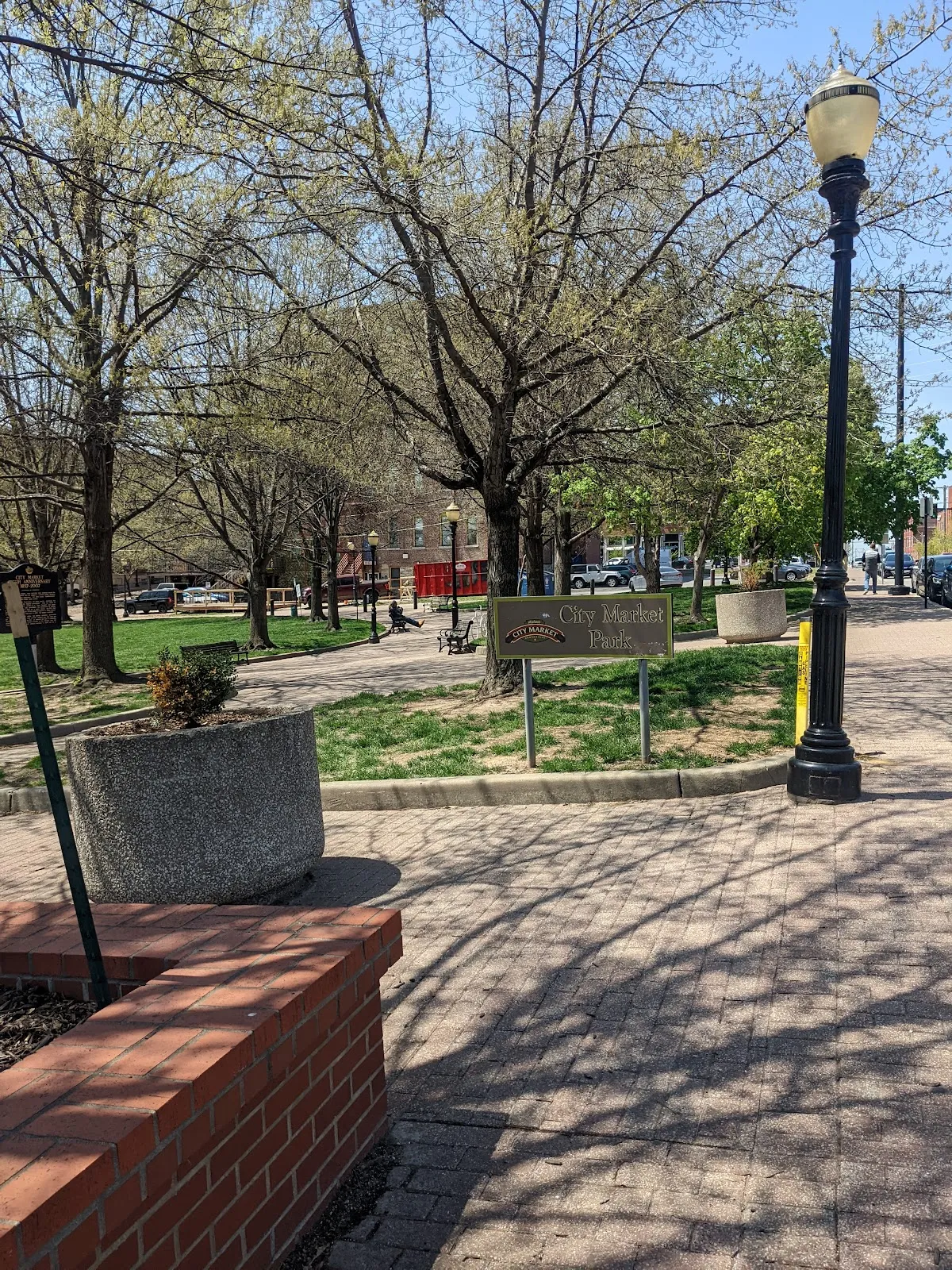
Foodies will delight in the local culinary scene, which features a variety of farm-to-table restaurants and craft breweries. The Downtown Market is a must-visit for its diverse food offerings and lively atmosphere.
Annual events such as the Grand Rapids International Wine, Beer & Food Festival and the Festival of the Arts showcase the city's love for food, drink, and the arts, making it a lively destination for visitors year-round.
Quality of Life Rankings
Weather in Grand Rapids
Grand Rapids, MI, United States experiences a humid continental climate characterized by four distinct seasons, with cold, snowy winters and warm, humid summers. The city receives an average annual precipitation of approximately 37 inches (940 mm), with September being the wettest month, averaging 4 inches (102 mm) of rainfall.
Seasonal Breakdown
- Spring (March to May)Temperatures gradually rise from an average high of 45°F (7°C) in March to 70°F (21°C) in May. Rainfall increases during this period, with April receiving the most precipitation, averaging 3.5 inches (89 mm).
- Summer (June to August)The hottest months, with average highs ranging from 80°F (27°C) in June to 84°F (29°C) in July. Rainfall is moderate, averaging around 3.5 inches (89 mm) per month.
- Autumn (September to November)Temperatures gradually decrease from an average high of 75°F (24°C) in September to 48°F (9°C) in November. Rainfall remains moderate, with September being the wettest month, averaging 4 inches (102 mm).
- Winter (December to February)The coldest period, with average highs ranging from 34°F (1°C) in December to 31°F (-1°C) in February. Snowfall is significant, averaging about 74 inches (188 cm) annually, with January typically being the snowiest month.
Notable Weather Events
- Heavy snowfall during winter months, particularly in January.
- Occasional heatwaves during summer, with temperatures exceeding 90°F (32°C).
- Thunderstorms are common in late spring and summer.
Grand Rapids's Political Climate
Grand Rapids, located in the state of Michigan, is known for its dynamic political climate that reflects a blend of progressive and conservative values. The city has a strong tradition of civic engagement and is often seen as a microcosm of broader political trends in the United States. Historically, Grand Rapids has been a Republican stronghold, but in recent years, there has been a noticeable shift towards more progressive policies, particularly in urban areas.
The city's governance is characterized by a mayor-council system, with the mayor serving as the executive leader. The current political leadership is focused on addressing key issues such as economic development, public safety, and environmental sustainability. Grand Rapids has been at the forefront of implementing green initiatives, including efforts to improve public transportation and reduce carbon emissions.
Social justice and equity are also significant themes in the city's political discourse. Recent movements have pushed for reforms in policing and increased investment in underserved communities. These efforts reflect a broader trend towards inclusivity and diversity in the city's policy-making processes.
The political climate in Grand Rapids is further shaped by its economic landscape, which includes a mix of manufacturing, healthcare, and education sectors. The city's political decisions often aim to balance economic growth with social welfare, ensuring that development benefits all residents. Recent political events, such as local elections and community-led initiatives, have highlighted the growing influence of grassroots movements in shaping the city's future.
Political Quick Facts
- Voter Turnout65%
- City GovernanceMayor-Council system
- CompositionMixed, with a slight Democratic majority
- Recent Political ChangesIncreased focus on sustainability and social justice reforms
- EngagementHigh, with active participation in local elections and community initiatives
- Political ScorecardB+ for governance and transparency
- Legislative PrioritiesEconomic development Public safety reform Environmental sustainability
- Public OpinionProgressive on social issues, moderate on economic policies
Notable Political Figures
- Rosalynn BlissFirst female mayor of Grand Rapids, known for her focus on sustainability and community development.
- Peter MeijerFormer U.S. Representative and a prominent figure in local politics, known for his moderate Republican views.
- David LaGrandState Representative advocating for criminal justice reform and education improvements.